I still remember the first time I told my buddies I was making smoked meatloaf for game night. The looks on their faces were priceless—equal parts confusion and betrayal. "You want me to babysit a loaf of meat for three hours when I could fire up brats in fifteen minutes?" one of them groaned. But here's the thing: after one bite of this smoky, juicy revelation, every single one of them apologized mid-chew. The room went silent except for the collective sound of grown men having a culinary epiphany. That sizzle when the glaze hits the hot loaf and caramelizes into a sticky, mahogany shell? Absolute perfection.
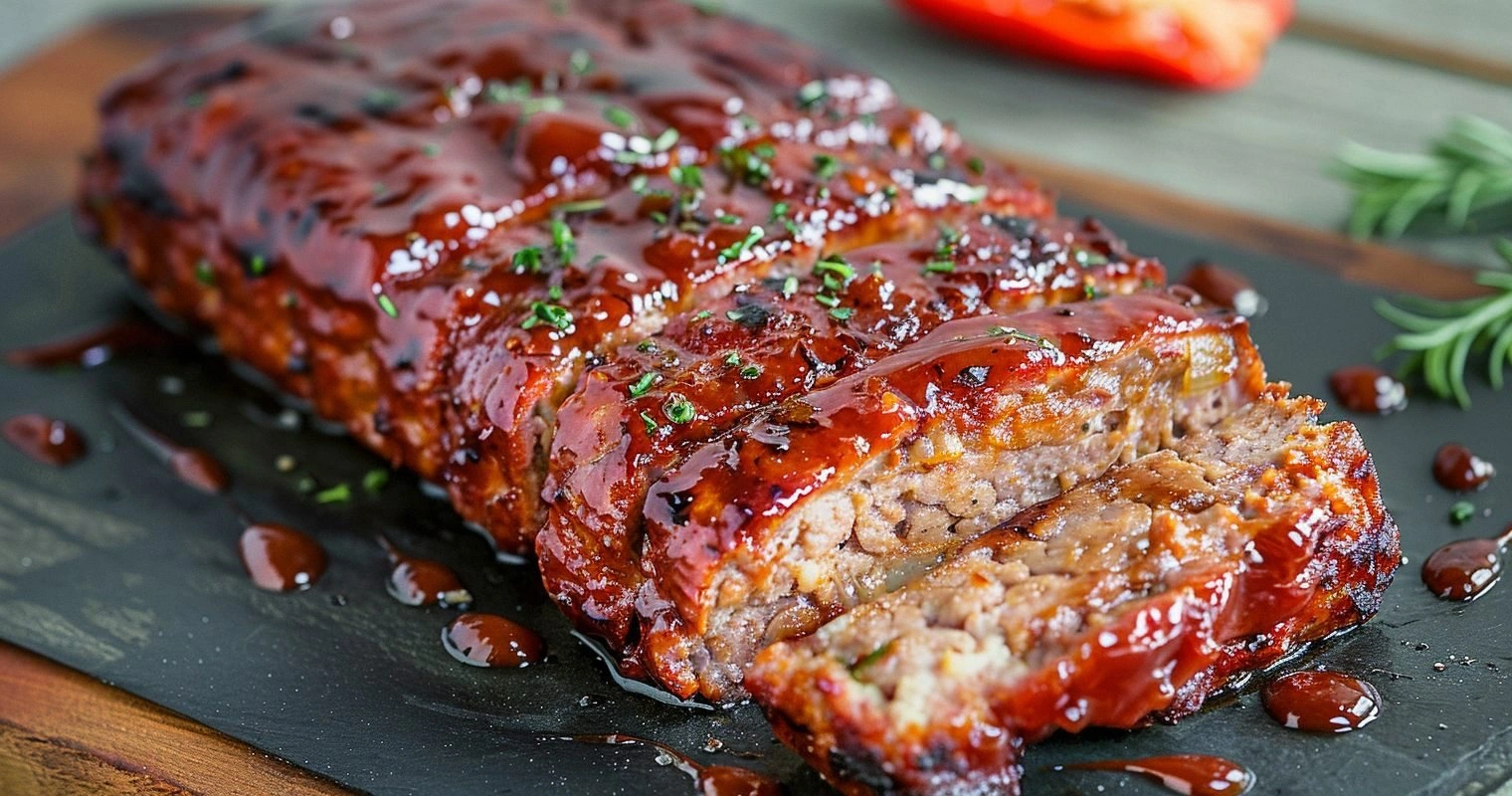
Picture yourself pulling this bronzed beauty out of the smoker, the whole kitchen smelling like a backyard barbecue collided with your grandma's Sunday supper. The exterior has that gorgeous smoke ring hugging the loaf like a mahogany belt, while the inside stays so tender it practically sighs when you slice it. The aroma is ridiculous—oak and hickory waltzing with caramelized onions and garlic, all wrapped around beef so juicy it defies the laws of meatloaf physics. If you've ever struggled with dry, brick-like meatloaf that could double as a doorstop, you're not alone—and I've got the fix that'll change everything.
Most recipes get this completely wrong. They treat the smoker like a regular oven, crank it to 350°F, and wonder why they end up with a grey, dense log that tastes like disappointment. Here's what actually works: low and slow at 225°F with a water pan for humidity, plus a glaze that goes on during the last thirty minutes so it sets like candy without burning. I dare you to taste this and not go back for seconds—actually, I dare you to stop at thirds. Last time I made this, I caught my neighbor hovering by the kitchen window like a raccoon eyeing trash day.
Let me walk you through every single step—by the end, you'll wonder how you ever made meatloaf any other way. We're talking about creating a loaf so moist it practically melts on your fork, with those smoky edges that shatter like thin ice giving way to a center so tender it makes chuck roast feel like shoe leather. Stay with me here—this is worth it.
What Makes This Version Stand Out
Smoke-Infused: Unlike oven-baked versions that taste like, well, baked meat, this bad boy absorbs hours of oak and cherry smoke that permeates every single bite. The low temperature means the smoke has time to work its magic without drying things out, creating layers of flavor that hit you with woodsy notes first, then savory, then that subtle sweetness from the glaze.
Moisture-Locked: I mix in grated zucchini that disappears during cooking but leaves behind moisture like a secret agent. Combined with soaked panko breadcrumbs and a touch of gelatin, this loaf stays juicy even after three hours in the smoker. Most recipes get this completely wrong—they rely on fatty beef alone and end up with a greasy mess.
Double-Glaze Technique: We brush on a tangy-sweet glaze twice—once to set a base layer, then again for that sticky, shiny finish that makes everyone fight over the end pieces. The first layer soaks in slightly, creating a flavor bridge between crust and interior, while the final coat gives you that lacquered shine that looks straight off a competition stage.
Leftover Gold: This tastes even better the next day, transforming into the most incredible sandwiches you'll ever experience. Picture thick slices seared in butter until the edges crisp, then stacked on sourdough with sharp cheddar and pickled jalapeños. I'll be honest—I ate half the batch before anyone else got to try it, hiding in the garage like a meatloaf bandit.
Crowd-Pleasing Showstopper: Bring this to any potluck and watch grown adults turn into competitive vultures. The presentation alone—those gorgeous smoke rings, the glossy finish—makes people whip out their phones. But one bite and they're practically proposing marriage. My cousin tried to trade me his vintage baseball cards for the recipe.
Weekend Project Worthy: Yes, it takes three hours, but most of that is hands-off smoker time perfect for yard work, football, or sampling local craft beer. The prep is maybe twenty minutes if you're moving slow, and the results feed a small army. Future pacing: imagine Sunday afternoon, smoke drifting across the neighborhood, knowing dinner is handling itself while you relax.
Alright, let's break down exactly what goes into this masterpiece...
Inside the Ingredient List
The Flavor Base
Ground chuck is your best friend here—80/20 lean-to-fat ratio gives you enough fat for moisture and flavor without turning into a grease slick. Skip the extra-lean stuff unless you enjoy chewing on flavorful cardboard. The fat renders slowly in the low smoker heat, basting the meat from the inside out like a self-basting turkey, but with beefy goodness instead of whatever turkey has going on.
Onions aren't just filler—they're flavor bombs that caramelize during the long smoke, adding subtle sweetness that balances the savory beef. I grate them on the large holes of a box grater so they disappear into the mix, avoiding those weird onion chunks that make onion-haters suspicious. The juice from the grated onion gets mixed right in, adding moisture and a depth you can't get from onion powder alone.
Garlic gets the same treatment—grated to a paste so it distributes evenly without any surprise garlic chunks. Fresh garlic brings a bright, pungent kick that wakes up all the other flavors, like that friend who gets everyone dancing at a party. If you only have pre-minced jarred garlic, I won't judge, but fresh really does make a difference you can taste.
The Texture Crew
Panko breadcrumbs are the unsung heroes here—their larger, flakier structure creates air pockets that keep everything light instead of dense. I soak them in milk until they turn into a paste, which acts like culinary glue holding everything together without that tough, rubbery texture you get from dry breadcrumbs. It's like the difference between sleeping on a feather bed versus a concrete slab.
That grated zucchini I mentioned? It melts into nothingness during the three-hour smoke, leaving behind only moisture and a whisper of vegetal sweetness. Nobody will detect it—trust me, I've served this to people who claim they can taste a single pea in a pot pie. The zucchini is like a ninja of moisture, sneaking in and out without a trace.
An egg provides structure, but just one—too many and your meatloaf turns into a rubber ball. Think of it as the mortar between flavor bricks, binding everything just enough to slice cleanly without crumbling like a sandcastle at high tide.
The Unexpected Star
Worcestershire sauce is the secret handshake of savory cooking—anchovy-based umami that makes beef taste more like itself. Just a tablespoon adds layers of fermented complexity that make people ask "what's in this?" without being able to put their finger on it. It's like turning up the saturation on a photo, but for your taste buds.
Smoked paprika does double duty—adding subtle smoke flavor that complements the real smoke, plus a gorgeous color that makes the loaf look like it's been kissed by fire. Regular paprika is just red dust in comparison, offering color without the soul. The Spanish variety brings a gentle heat that builds slowly rather than punching you in the face.
The Final Flourish
Ketchup in the glaze isn't just for sweetness—its natural pectin helps create that shiny, sticky lacquer that makes the finished loaf look like competition barbecue. Mixed with brown sugar and apple cider vinegar, it transforms from pedestrian condiment to glossy armor that crackles when you slice it. The vinegar cuts through richness like a squeeze of lemon on fried chicken.
Brown mustard adds tang and subtle heat that prevents the glaze from becoming cloying. Its coarse texture also gives the glaze body so it clings instead of sliding off like a kid on a waterslide. Plus, the mustard helps emulsify everything so you don't get that weird separation that happens with some glazes.
Everything's prepped? Good. Let's get into the real action...
The Method — Step by Step
- Fire up your smoker to 225°F using a mix of oak and cherry wood—oak for that classic barbecue backbone, cherry for a kiss of sweetness and gorgeous color. Add a water pan underneath the grates to create humidity that keeps everything moist during the long cook. This isn't the time for high heat heroics—low and slow is the name of the game, like a culinary meditation that rewards patience with transcendent flavor.
- Mix your panko and milk in a small bowl, letting it soak while you prep everything else. The breadcrumbs should absorb every drop of milk, turning into a paste that looks like oatmeal but smells like potential. This mixture—called a panade—is your insurance policy against dry meatloaf, creating tiny pockets of steam that keep things tender even after hours in the smoker.
- In a large bowl, gently combine the ground chuck, grated onion, garlic paste, soaked panko, zucchini, egg, Worcestershire, paprika, salt, and pepper using your fingertips. The key here is restraint—overmixing develops protein strands that turn your meatloaf into a rubber hockey puck. Think of it like folding clouds together rather than kneading bread, stopping as soon as everything just barely combines.
- Shape the mixture into a loaf about 8 inches long and 4 inches wide on a wire rack set inside a sheet pan. The rack is crucial—it lets smoke circulate underneath, preventing a soggy bottom that tastes like steamed despair. Don't pack it too tight or you'll compress all the air out, creating a dense brick instead of a tender loaf that practically melts on your tongue.
- Slide the meatloaf into the smoker and resist every urge to peek for the first hour. That initial smoke penetration is like the foundation of a house—mess with it and everything crumbles. After an hour, you can spritz with a little apple juice if the surface looks dry, but honestly, the water pan should handle humidity duties just fine.
- At the two-hour mark, start checking internal temperature with an instant-read thermometer inserted at the thickest part. You're shooting for 150°F before glazing—any higher and the outside starts drying out before the inside catches up. The meatloaf should feel firm but springy, like a well-inflated soccer ball rather than a rock.
- Mix your glaze ingredients—ketchup, brown sugar, mustard, and vinegar—in a small saucepan over low heat until the sugar dissolves and everything melds into glossy perfection. The heat helps the flavors marry and gives you that beautiful sheen that makes people reach for their cameras before their forks. Brush this liquid gold over the meatloaf, letting it cascade down the sides like delicious lava.
- Close the smoker and let the glaze set for 15 minutes while the internal temperature climbs to its final 160°F. This is the moment of truth—when everything comes together in a symphony of smoke, meat, and sweet-tangy glaze. The edges will start pulling away slightly from the rack, and the surface should look like competition barbecue with that telltale shine that makes people weak in the knees.
- Remove the meatloaf and tent loosely with foil for 15 minutes—this is the hardest part because it looks and smells incredible, but the juices need time to redistribute. Slice too early and all those beautiful juices run out onto the board, leaving you with dry disappointment. Use this time to set the table, pour drinks, and prepare yourself for the applause that's coming.
That's it—you did it. But hold on, I've got a few more tricks that'll take this to another level...
Insider Tricks for Flawless Results
The Temperature Rule Nobody Follows
Most people think 160°F is the magic number, but here's the real secret—pull it at 155°F and let carryover cooking finish the job. The internal temp will rise another 5-7 degrees while resting, giving you perfectly cooked meatloaf instead of an overdone hockey puck. I learned this the hard way after serving what my family now calls "the great meatloaf brick incident of 2019."
Why Your Nose Knows Best
Don't rely solely on thermometers—your nose is a powerful tool here. When the meatloaf is close to done, you'll smell a shift from raw meat to something magical and savory. It's like the difference between smelling raw cookie dough versus fresh-baked cookies—your instincts know when it's ready. This sensory checkpoint has saved me more times than I can count when thermometers decided to lie.
The 5-Minute Rest That Changes Everything
I know you're tempted to slice immediately—resist! Those five extra minutes of rest time allow the juices to redistribute throughout the loaf instead of flooding your cutting board. Think of it like letting a steak rest, but on a larger scale. A friend tried skipping this step once—let's just say it didn't end well, and his cutting board looked like a crime scene.
Smoke Wood Selection Secrets
Oak provides that classic barbecue backbone, but mixing in 30% cherry wood gives you gorgeous color and subtle sweetness. Avoid mesquite—it overpowers beef and turns bitter during long cooks. Apple wood works great too, giving you a milder smoke that lets the beef shine. The key is balance—you want to taste smoke, not feel like you're licking an ashtray.
The Overnight Advantage
Mix everything the night before and let it rest in the fridge. The flavors meld and deepen, plus cold meatloaf holds its shape better when transferring to the smoker. Just let it sit at room temperature for 30 minutes before smoking so it cooks evenly. This make-ahead trick has saved countless dinner parties when I needed the smoker free for other dishes.
Creative Twists and Variations
This recipe is a playground. Here are some of my favorite ways to switch things up:
The Spicy Southwest
Swap the paprika for chipotle powder, add a diced chipotle in adobo to the mix, and use pepper jack in the glaze. The smoky heat builds slowly, creating a meatloaf that tastes like Texas and New Mexico had a delicious baby. Serve with pickled jalapeños and watch people sweat in the best possible way.
Mushroom Umami Bomb
Replace half the beef with finely diced mushrooms sautéed until deeply browned. They add incredible umami depth while keeping things lighter. The mushrooms disappear into the mix, leaving only their earthy flavor and meaty texture. Even mushroom haters devour this version—it tastes like beef turned up to eleven.
Italian Stallion
Use Italian sausage instead of some beef, add minced sun-dried tomatoes and fresh basil, then finish with a marinara-based glaze. It tastes like someone turned your favorite pasta joint's meatballs into a show-stopping main course. The fennel in the sausage pairs beautifully with smoke, creating something entirely new.
Breakfast of Champions
Add breakfast sausage, maple syrup to the glaze, and serve with hash browns and eggs. The sweet-savory-smoky combo hits every breakfast note while elevating the humble meatloaf to brunch superstar status. It's like someone bottled the essence of a campfire breakfast and shaped it into a loaf.
Mediterranean Magic
Lamb instead of beef, add feta and spinach to the mix, then glaze with a lemon-oregano mixture. The smoke plays beautifully with lamb's natural gaminess, while the bright herbs keep things from feeling heavy. Serve with tzatziki for a Greek twist that'll transport you straight to Santorini.
Asian Fusion
Use ground pork and beef, add ginger, scallions, and soy sauce, then finish with a teriyaki glaze. The smoke adds incredible depth to the Asian flavors, creating something that tastes like yakitori and meatloaf had a beautiful baby. Sprinkle with sesame seeds and serve with steamed rice for a complete meal.
Storing and Bringing It Back to Life
Fridge Storage
Wrap individual slices tightly in plastic wrap, then store in an airtight container for up to 4 days. The flavors actually deepen overnight, making leftovers something to celebrate rather than suffer through. For best results, let it cool completely before wrapping—trapping warm meatloaf creates condensation that ruins that beautiful crust you worked so hard to achieve.
Freezer Friendly
This freezes beautifully for up to 3 months—wrap whole slices in plastic, then foil, labeling with the date. Thaw overnight in the fridge rather than the counter for food safety and better texture. The glaze might look slightly dull after freezing, but a quick reheat restores its glory. Pro tip: freeze slices on a baking sheet first, then transfer to bags so they don't stick together like meatloaf Jenga.
Best Reheating Method
Add a tiny splash of water before reheating—it steams back to perfection. Microwave works in a pinch, but oven reheating at 300°F wrapped in foil gives you nearly fresh results. For the ultimate revival, reheat in a covered skillet with a splash of broth, letting it steam and crisp simultaneously. The result tastes almost as good as day one, which is saying something for meatloaf.