I was standing in my kitchen, staring at a bag of frozen chicken thighs and a sack of baby potatoes that had been sitting in the back of the fridge for weeks. The aroma of that forgotten produce made me think of a disaster I’d almost had last month: I’d tried to cook a “quick” chicken dinner that ended up dry, flavorless, and so bland that even the garlic seemed to hide. That night, after the kitchen smelled like a burnt matchbox, I swore I’d never settle for mediocre. I started experimenting, flipping ingredients, and after a few frantic attempts I discovered a version that turned that culinary nightmare into a symphony of sweet, savory, and a hint of heat that made my taste buds dance.
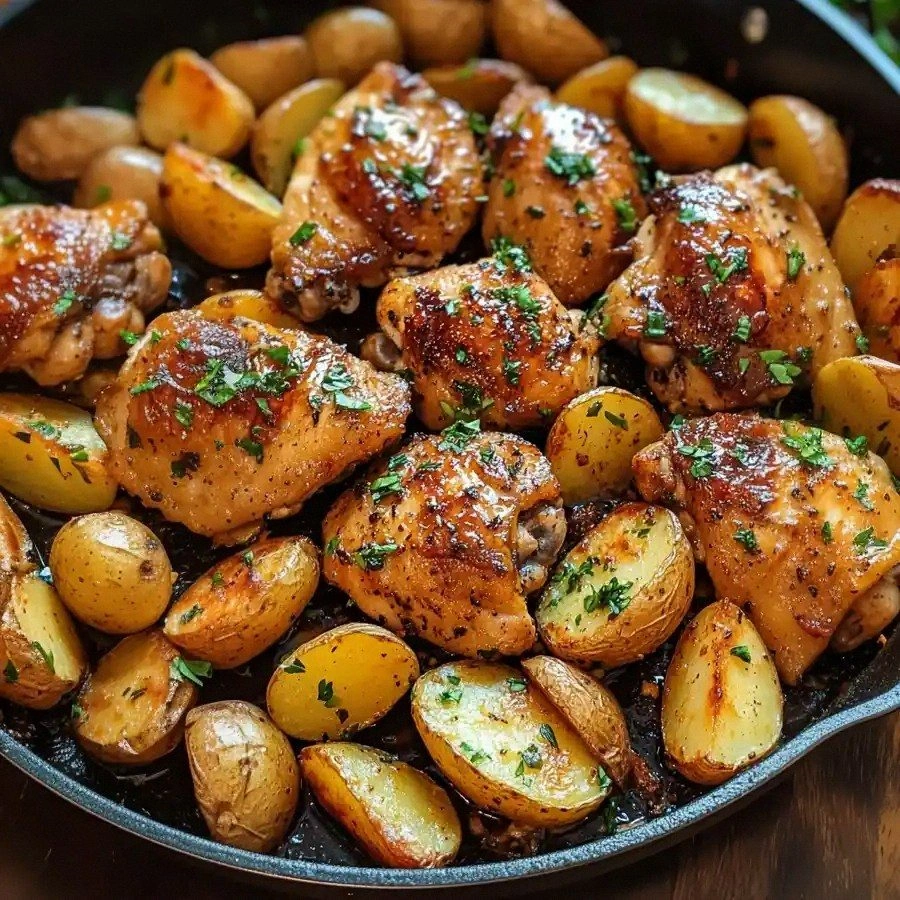
Picture this: the first sizzle as the pan hits the stove, a deep golden crust forming on the chicken thighs, the potatoes roasting to a caramelized perfection, and a glossy glaze that coats everything like a velvet ribbon. The smell that rises is a heady mix of honey, soy, and garlic, with a faint herbaceous whisper from thyme. When you take that first bite, the chicken is juicy and tender, the potatoes are crispy on the outside and fluffy inside, and the sauce is a caramelized hug that lingers on the palate. I’ve tried countless versions—some with extra sugar, some with too much salt, some with an overabundance of oil—but none hit the sweet spot that this one does.
What sets this recipe apart isn’t just the flavor profile; it’s the balance of effort and reward. You only use one pan, which means less cleanup and more time to chat with guests or binge your favorite show. The ingredients are pantry staples you’ll likely already have, yet the combination of honey and soy creates a complex umami that feels like a gourmet touch. And the best part? The dish is forgiving—if you’re short on time, you can skip the red pepper flakes and still get that perfect glaze. I dare you to taste this and not go back for seconds.
I’ve spent hours tweaking the proportions, testing different cuts of chicken, and even experimenting with different types of honey. The final version is hands down the best you’ll ever make at home, and it’s the kind of dish that will have your friends asking for the recipe as soon as they leave your table. Picture yourself pulling this out of the oven, the whole kitchen smelling incredible, and everyone gathering around to dig in. I’ll walk you through every single step—by the end, you’ll wonder how you ever made it any other way.
Let’s dive in and turn that ordinary chicken dinner into an unforgettable meal that’s as easy to cook as it is to love. Stay with me, because the next part? Pure magic.
What Makes This Version Stand Out
- Flavor: The honey-soy glaze gives a sweet‑savory depth that’s hard to replicate with any other sauce. It caramelizes beautifully, creating a sticky coating that locks in moisture.
- Texture: The pan’s high heat sears the chicken, giving it a crisp exterior while the potatoes stay tender inside—think crispy edges that shatter like thin ice.
- Simplicity: One pan, one pot, one stove—no extra bowls, no extra dishes. It’s a dream for busy weeknights.
- Ingredient Quality: Fresh garlic and thyme elevate the dish; the honey’s floral notes contrast the salty soy for a balanced profile.
- Make‑Ahead Potential: You can prep the ingredients ahead and simply bake when ready, saving precious minutes on busy evenings.
- Crowd Reaction: Even the most picky eaters love it. The sweet glaze appeals to kids, while the garlic and pepper satisfy adults.
- Versatility: Swap the chicken for pork or tofu and the dish still works; it’s a solid base for creative variations.
- Health Factor: With lean protein, veggies, and a natural sweetener, this dish feels indulgent without guilt.
Alright, let's break down exactly what goes into this masterpiece...
Inside the Ingredient List
The Flavor Base
Honey is the star that sweetens the glaze, giving it a glossy sheen and a caramelized finish. It’s not just a sweetener; it’s a binder that helps the sauce adhere to the chicken and potatoes. If you’re watching calories, a light drizzle of maple syrup can substitute, but the honey’s floral notes are irreplaceable.
Soy sauce provides the umami punch that balances the sweetness. Choose a low‑sodium version if you’re watching salt intake, but be prepared to add a pinch more salt later to keep the flavors bright. A splash of rice vinegar can brighten the glaze, adding a subtle tang that cuts through the richness.
The Texture Crew
Baby potatoes bring a comforting, starchy base that absorbs the glaze, turning each bite into a buttery, sweet, and savory experience. For an extra crunch, toss them in a little olive oil before roasting; the oil helps the skin crisp up and adds a silky finish.
Olive oil is the medium that allows the chicken to sear properly and prevents sticking. If you prefer a lighter finish, substitute with canola or avocado oil—just keep the heat at medium‑high to avoid burning.
The Unexpected Star
Red pepper flakes add a subtle heat that wakes up the palate without overpowering the sweet glaze. If you’re sensitive to spice, reduce the flakes to a quarter teaspoon or omit them entirely. A pinch of smoked paprika can add a smoky depth, turning the dish into a smoky honey garlic delight.
The Final Flourish
Fresh thyme or parsley adds a burst of herbal brightness that cuts through the sweetness and balances the dish. Use thyme for a slightly piney aroma; parsley offers a clean, grassy finish. If you’re out of herbs, a teaspoon of dried oregano will work in a pinch, though the flavor profile will shift slightly.
Sesame seeds provide a subtle crunch and nutty undertone that elevates the dish to a restaurant‑quality level. Toast them lightly before sprinkling to release their oils and deepen the flavor. If you’re allergic, you can leave them out—just sprinkle a bit more fresh parsley for color.
Everything's prepped? Good. Let's get into the real action...
The Method — Step by Step
- Preheat your oven to 400°F (200°C). While the oven warms, pat the chicken thighs dry with paper towels. A dry surface ensures a crisp skin; moisture is the enemy of browning. Let the thighs sit at room temperature for 10 minutes—this helps them cook evenly.
- In a small bowl, whisk together honey, soy sauce, minced garlic, red pepper flakes, and a pinch of salt. The mixture should be smooth, with no clumps of garlic. This glaze will be the heart of the dish, so give it a good stir.
- Heat a large oven‑proof skillet over medium‑high heat and add the olive oil. Once the oil shimmers, lay the chicken thighs skin side down. Let them sear untouched for 4–5 minutes until the skin turns golden brown. This step locks in juices and builds flavor.
Kitchen Hack: If you’re short on time, use a cast‑iron skillet—it retains heat better, giving you a perfect sear in less time.
- Flip the thighs over and add the quartered baby potatoes to the skillet, placing them skin side down. Arrange them in a single layer so they roast evenly. The potatoes will absorb the glaze as they cook, turning sweet and caramelized.
- Pour the glaze over the chicken and potatoes, making sure every surface gets a generous coating. The sauce should sizzle as it hits the hot pan, indicating the sugars are caramelizing. This is the moment of truth—watch the colors deepen.
- Transfer the skillet to the preheated oven. Bake for 25 minutes, then remove the lid or foil and bake an additional 5–10 minutes until the chicken reaches 165°F (74°C) and the potatoes are fork‑tender. If you’re using a different cut of meat, adjust the time accordingly.
Watch Out: Do not cover the skillet for the entire bake; covering traps steam and prevents the skin from crisping.
- While the dish is baking, bring a small pot of water to a gentle boil. Prepare a quick broth by adding a splash of soy sauce and a dash of rice vinegar—this will help steam the potatoes if they need a quick finish.
- When the chicken and potatoes are done, remove the skillet and let the dish rest for 5 minutes. This resting period allows the juices to redistribute, ensuring each bite is moist and flavorful.
- Sprinkle fresh thyme or parsley over the top, then dust with toasted sesame seeds. The herbs add a fresh aroma, while the sesame seeds provide a subtle crunch that contrasts the soft potatoes.
- Serve immediately with a side of steamed green beans or a crisp green salad. The dish is so filling that a simple side will keep the plate balanced without stealing the spotlight.
That's it — you did it. But hold on, I've got a few more tricks that'll take this to another level...
Insider Tricks for Flawless Results
The Temperature Rule Nobody Follows
Many people cook chicken at a high heat and then lower it, but the secret is to keep the skillet at medium‑high until the skin is perfectly seared. This ensures a crisp exterior and prevents the meat from drying out. If you’re using a non‑stick pan, lower the heat slightly to avoid burning the glaze.
Why Your Nose Knows Best
Your sense of smell is your best gauge for doneness. When the glaze starts to bubble and the potatoes emit a nutty aroma, the dish is ready. Trust that instinct; the sauce should look slightly thickened and glossy, not watery.
The 5‑Minute Rest That Changes Everything
Resting the chicken after baking is not just a formality. It allows the juices to redistribute, so every bite stays moist. Skipping this step can leave the meat dry and the sauce clinging to the bottom of the pan.
Keep the Sauce Simple
Don’t overcomplicate the glaze with too many ingredients. A simple honey‑soy‑garlic base is enough to elevate the dish. Adding too many sauces can muddle the flavor and make the dish feel heavy.
Use Fresh Garlic, Not Powder
Fresh garlic provides a bright, aromatic punch that powder can’t match. Mince it finely to release the oils; this ensures the flavor permeates the entire dish rather than settling in a single spot.
The Quick Broth Trick
If you’re short on time, use a quick broth made with a splash of soy sauce and a dash of vinegar to steam the potatoes. This technique saves minutes and adds a subtle depth of flavor that complements the glaze.
Creative Twists and Variations
Smoky Chipotle Honey
Swap the red pepper flakes for a teaspoon of chipotle powder. This introduces a smoky heat that pairs beautifully with the honey, creating a bold flavor profile. Great for those who love a little kick.
Citrus‑Infused Glaze
Add a tablespoon of orange zest and a squeeze of fresh orange juice to the glaze. The citrus brightens the sweetness, giving the dish a refreshing twist that’s perfect for spring.
Pork Tenderloin Version
Replace the chicken thighs with pork tenderloin slices. The pork will absorb the glaze and develop a caramelized crust. Serve with sautéed spinach for a balanced plate.
Tofu & Veggie Bowl
For a vegetarian option, use firm tofu cubes and add sliced bell peppers. The tofu will soak up the sauce, and the peppers add color and crunch, creating a wholesome bowl.
Herb‑Lemon Twist
Replace the thyme with lemon zest and sprinkle fresh basil after baking. The lemon adds a bright acidity that cuts through the sweetness, making the dish feel lighter.
Mediterranean Spin
Add a handful of kalamata olives and capers to the skillet before baking. The briny flavors contrast the honey glaze, offering a Mediterranean flair that will surprise your guests.
This recipe is a playground. Here are some of my favorite ways to switch things up:
Storing and Bringing It Back to Life
Fridge Storage
Store leftovers in an airtight container for up to 3 days. The glaze may thicken, but a splash of water will restore its silky texture when reheated.
Freezer Friendly
Freeze in portioned containers for up to 2 months. Thaw overnight in the refrigerator, then reheat in a skillet with a tablespoon of water to keep the sauce from drying out.
Best Reheating Method
Reheat on the stove over medium heat, stirring occasionally. Add a small amount of water or broth to loosen the glaze and avoid burning.