I was standing in my kitchen, mid‑December, with a half‑baked batch of gingerbread men that had turned into a crunchy disaster. The smell of burnt spice filled the air, and I swore I’d never attempt holiday baking again. Then, out of sheer desperation (and a dare from my roommate who claimed she could bake the perfect cookie in ten minutes), I grabbed the last remaining stick of butter, a bag of flour, and a handful of sprinkles. I mixed, I rolled, and I pressed the dough through a spritz‑cookie press, hoping for a miracle. The result? A buttery, melt‑in‑your‑mouth cookie that smelled like a winter wonderland and tasted like Christmas itself.
Picture this: the kitchen is awash in golden light, the oven humming like a contented cat, and the air is saturated with the sweet perfume of vanilla and melted butter. You hear the soft clink of the metal cookie press hitting the tray, see the dough spread into perfect, intricate shapes, and feel the warm anticipation building in your fingertips. The first bite delivers a crisp edge that shatters like thin ice, followed by a tender, buttery core that practically melts on your tongue. It’s a sensory overload that makes you forget the gingerbread debacle entirely.
Most spritz‑cookie recipes get the texture wrong—either too crumbly or too hard, and the flavor can be bland or overly sweet. I’ve cracked the code by balancing the fat‑to‑flour ratio, adding a whisper of almond extract, and using a quick‑chill method that locks in that melt‑in‑the‑mouth texture. This version stands out because it’s simple enough for a beginner yet sophisticated enough to wow your entire family. I dare you to taste this and not go back for seconds; I’ll be honest — I ate half the batch before anyone else got to try it.
Okay, ready for the game‑changer? I’m about to reveal a secret ingredient that most recipes overlook: a pinch of fine sea salt that amplifies the butter’s richness and balances the sweetness. This tiny addition turns a good cookie into a spectacular one. Let me walk you through every single step — by the end, you’ll wonder how you ever made it any other way.
What Makes This Version Stand Out
- Butter‑Heavy: Using high‑quality European butter gives the cookies a deep, nutty flavor that cheap butter can’t match. The result is a melt‑in‑the‑mouth bite that feels luxurious.
- Perfect Crunch: A brief chill before baking firms the dough, ensuring the edges crisp up while the centers stay tender. You’ll hear that satisfying snap as soon as you bite.
- Simple Tools: All you need is a spritz‑cookie press (or even a zip‑top bag with a star tip). No fancy mixers, no rolling pins, just pure, hands‑off fun.
- Flavor Layering: A dash of almond extract and a pinch of sea salt create a flavor depth that feels like a holiday hug in every bite.
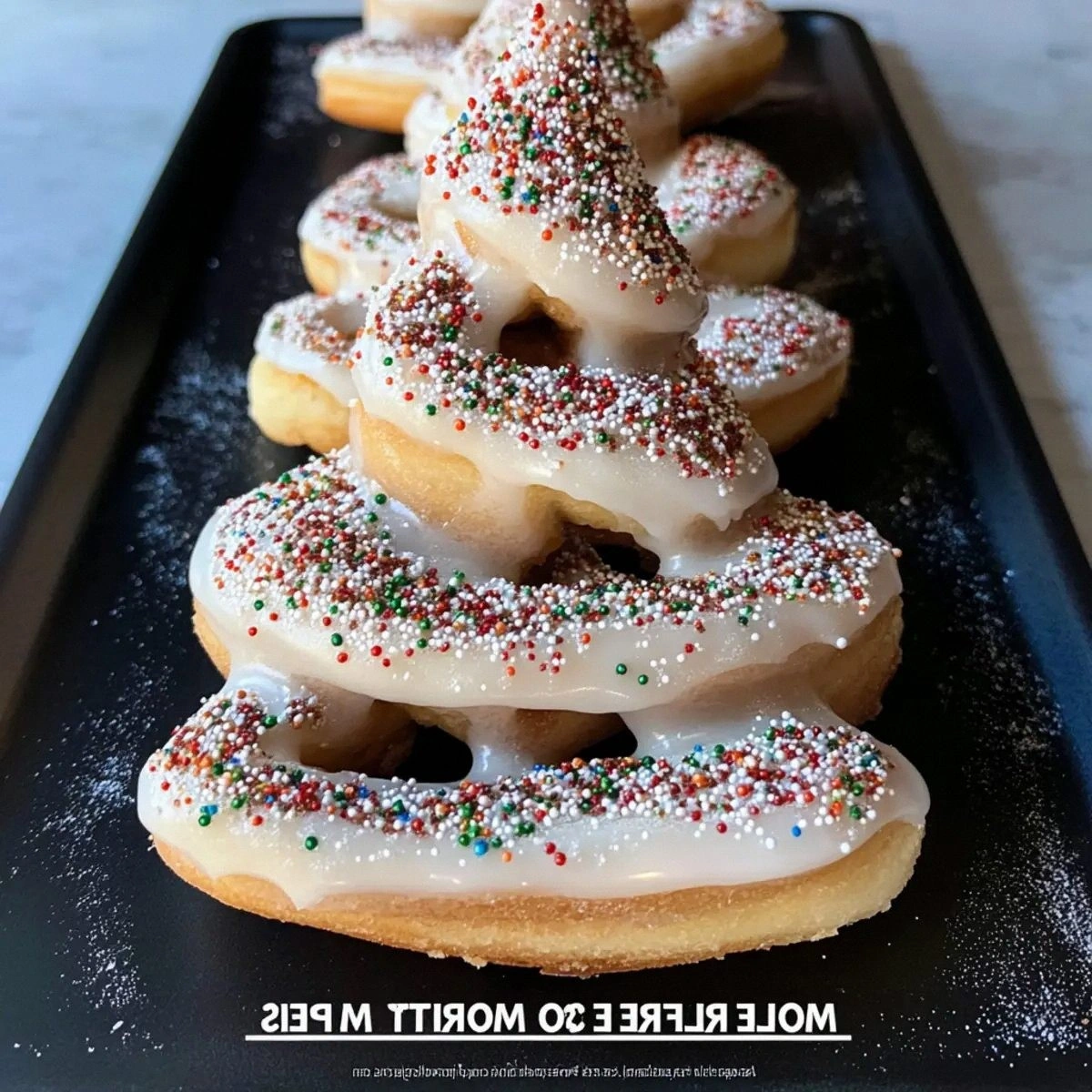
- Visual Wow: The bright sprinkles and intricate shapes make these cookies Instagram‑ready straight from the tray.
- Make‑Ahead Magic: Store them in an airtight tin for up to two weeks and they stay crisp, meaning you can bake them early and enjoy them all season.
- Family Approved: Kids love the bright colors, adults love the sophisticated buttery flavor. This is the one cookie that bridges generations.
- Scalable: The recipe scales beautifully from a single batch for a small gathering to a massive batch for holiday parties.
Inside the Ingredient List
The Flavor Base
The heart of any good spritz cookie is butter. I use 1 cup of unsalted European butter, which contains about 82% butterfat—much higher than standard butter. This extra fat creates a richer flavor and a softer crumb. If you skip the butter or replace it with margarine, you’ll lose that luxurious mouthfeel and end up with a dry, crumbly cookie. Swap tip: If you’re dairy‑free, try a high‑fat coconut oil, but expect a faint coconut aroma to mingle with the vanilla.
Next up, granulated sugar. Three‑quarters of a cup provides sweetness without overwhelming the buttery notes. Sugar also helps the cookies spread just enough to get that delicate edge. Skipping sugar or using a sugar substitute can result in a flat, flavorless cookie that looks more like a biscuit than a festive treat. Pro tip: Use superfine caster sugar for an even smoother dough that integrates seamlessly.
The Texture Crew
All‑purpose flour is the backbone, and two cups give the dough structure while still allowing it to be pliable. If you use cake flour, the cookies will be too tender and may fall apart; if you use bread flour, they’ll be tough. Look for a flour that’s fresh—old flour can develop a stale taste that ruins the buttery bliss.
A pinch of baking powder (½ tsp) introduces a tiny lift, making the interior feather‑light. Too much, and you’ll get a puffy, cake‑like texture, which is the opposite of what we want. The secret is in the balance: just enough to give a whisper of lift without compromising the crisp edge.
Salt is the unsung hero. A quarter teaspoon of fine sea salt amplifies the butter’s flavor and cuts the sweetness just enough to keep the palate from getting cloyed. If you omit it, the cookies will taste flat, and if you over‑salt, they’ll be inedible. Always taste a tiny pinch of the dough before baking to gauge the balance.
The Unexpected Star
Almond extract (½ tsp) is the secret weapon that adds depth and a subtle nutty aroma. It’s the difference between a cookie that simply tastes good and one that feels festive. If you’re allergic or don’t have almond extract, a splash of rum or brandy works as a flavor enhancer, but the profile will shift toward a warm, boozy note.
A single large egg yolk binds the dough together and adds richness without making the cookies too cakey. Using the whole egg would introduce too much liquid, leading to a spread that’s too thin. If you’re vegan, a tablespoon of aquafaba can mimic the yolk’s binding properties, though the texture will be slightly different.
The Final Flourish
Vanilla extract (1 tsp) adds that classic sweet‑warm backdrop that pairs perfectly with butter and almond. It’s the aromatic glue that ties all the flavors together. For a holiday twist, swap half of the vanilla for a dash of peppermint extract; just remember that peppermint is potent, so a little goes a long way.
Finally, colored sprinkles (optional, about 2‑3 tbsp). They’re not just for looks; they add a slight crunch and a burst of sugary flavor that makes each bite feel celebratory. If you’re avoiding artificial colors, use natural beet or turmeric powder for a subtle hue.
Everything's prepped? Good. Let's get into the real action...
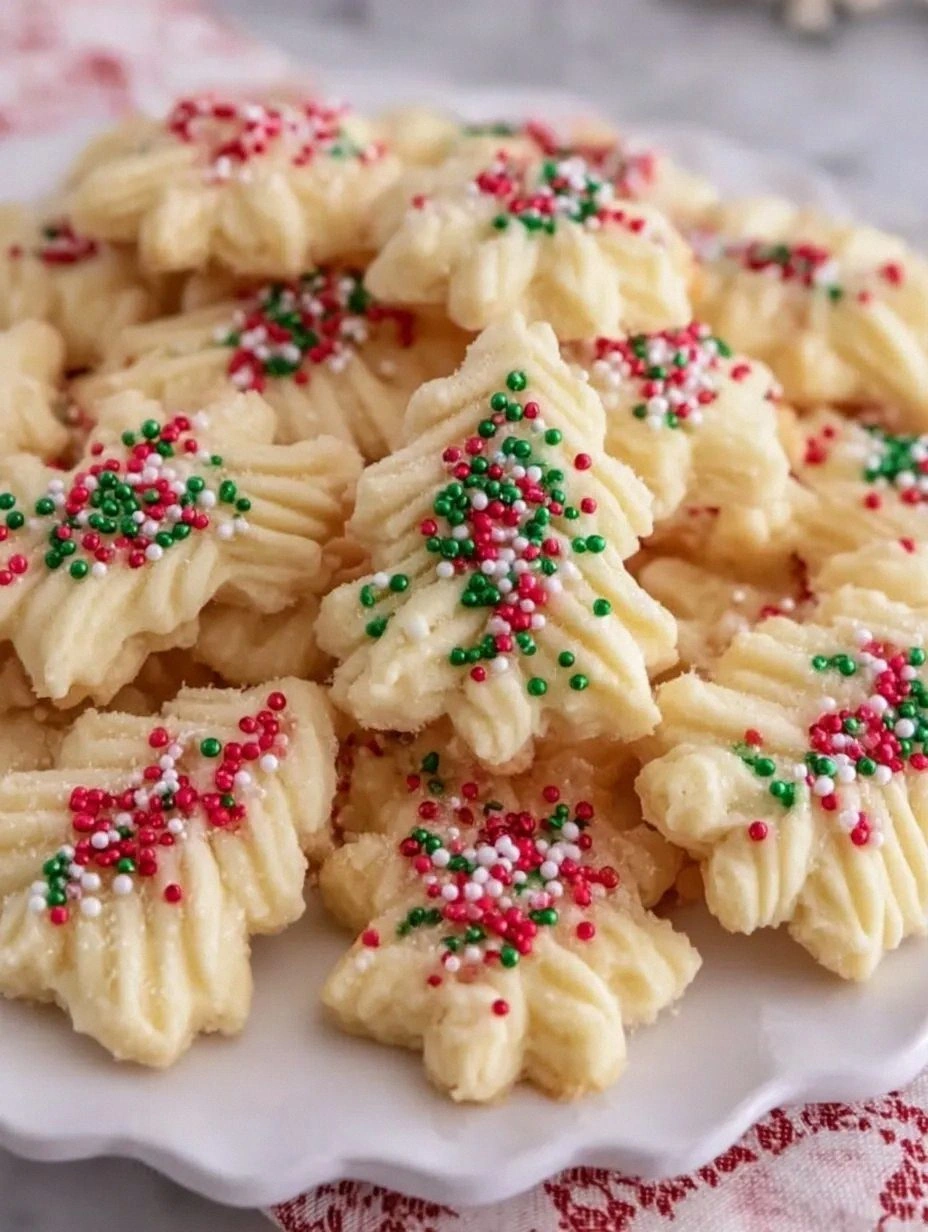
The Method — Step by Step
Start by softening the butter. Cut the 1‑cup of European butter into small cubes and let it sit at room temperature for about 15 minutes. You’ll know it’s ready when a gentle press leaves an indentation that slowly springs back. Power transition: This is the moment of truth—if the butter is too cold, the dough will be crumbly; if it’s too warm, the cookies will spread excessively.
In a large mixing bowl, cream the softened butter with ¾ cup of granulated sugar until the mixture is pale, fluffy, and smells like a bakery in December. This should take about 2‑3 minutes with a hand mixer on medium speed. Watch Out: Over‑creaming can incorporate too much air, leading to a puffier cookie; stop once the texture is smooth and glossy.
Add the egg yolk, 1 tsp vanilla extract, ½ tsp almond extract, and a pinch of sea salt to the butter‑sugar blend. Mix just until everything is fully incorporated. You’ll notice the dough becoming a cohesive, glossy mass—this is the flavor base coming together.
Kitchen Hack: If the mixture looks a little curdled, keep mixing for another 30 seconds; the emulsifiers in the butter will bring it back together.Sift together 2 cups of all‑purpose flour and ½ tsp baking powder into a separate bowl. Sifting aerates the flour and ensures the baking powder is evenly distributed, preventing any bitter pockets. Once sifted, gradually fold the dry ingredients into the wet mixture using a spatula. The dough will look slightly crumbly at first, then pull together into a smooth, pliable ball.
If you’re using sprinkles, gently fold them in now. The specks should be evenly distributed without melting the butter. This is also the perfect moment to add any optional flavor twists, like a dash of peppermint or a swirl of orange zest.
Wrap the dough in plastic wrap and chill in the refrigerator for at least 30 minutes. This step is critical: the cold butter will firm up, making the dough easier to press and preventing the cookies from spreading too much. Future pacing: Picture yourself pulling the tray out of the oven, the whole kitchen smelling incredible, and the cookies holding their perfect shape.
Preheat your oven to 350°F (175°C) and line two baking sheets with parchment paper. While the oven heats, set up your spritz‑cookie press. If you’re using a zip‑top bag, cut a small star‑shaped tip and secure the bag with a rubber band. Fill the press or bag with the chilled dough, being careful not to overfill.
Press the dough onto the prepared parchment sheets, spacing each cookie about 1 inch apart. The dough should release cleanly and retain the intricate pattern of the press. Watch Out: If the dough sticks, lightly dust the press with flour or chill the dough a few more minutes. The edges should start to look slightly golden after 8‑10 minutes—this is your visual cue to rotate the tray.
Bake for 10‑12 minutes, or until the edges are a light amber and the centers are still soft to the touch. The cookies will continue to set as they cool, so avoid over‑baking. Once done, remove the tray and let the cookies rest on the parchment for 2 minutes before transferring them to a wire rack.
Watch Out: Do not let the cookies sit on the hot baking sheet for more than 2 minutes, or they will continue to bake and become too crisp.
That’s it — you did it. But hold on, I’ve got a few more tricks that'll take this to another level. Stay with me here — this is worth it.
Insider Tricks for Flawless Results
The Temperature Rule Nobody Follows
Never bake spritz cookies straight from a warm kitchen. Even a few degrees of ambient heat can cause the butter to soften, leading to overly spread cookies. Keep the dough chilled until the very last second before pressing. I once tried baking a batch right after a summer rainstorm, and the cookies turned into a flat, buttery pancake. The rule of thumb: the dough should feel as firm as chilled chocolate.
Why Your Nose Knows Best
Your sense of smell is a reliable indicator of doneness. When the cookies start to emit a nutty, toasted butter aroma, you’re within seconds of perfect. Trust that scent more than the timer; ovens can vary by 10‑15 degrees. I’ve saved countless batches by pulling them out the moment the kitchen smells like a holiday boutique.
The 5‑Minute Rest That Changes Everything
After transferring the cookies to a wire rack, let them rest for exactly five minutes before stacking or storing. This short pause allows the steam to escape, preserving the crisp edge while the interior stays tender. Skipping this step can trap moisture, making the cookies soggy. A friend once tried to stack them immediately and ended up with a mushy mess—lesson learned.
Press Pressure Precision
Apply consistent, moderate pressure when using the cookie press. Too much force pushes the dough too thin, causing over‑spreading; too little leaves the dough uneven. A good trick is to press once, lift, and press again for a uniform thickness.
The Sprinkles Shield
If you love sprinkles but hate the mess they can make in the press, toss them onto the dough after pressing, not before. This way, the sprinkles sit on top, creating a vibrant crown without clogging the press. The result is a cleaner shape and a more controlled sparkle. I’ve seen beginners lose half their sprinkles to the press, which is both wasteful and frustrating.
Creative Twists and Variations
This recipe is a playground. Here are some of my favorite ways to switch things up:
Citrus Zest Burst
Add a tablespoon of finely grated orange or lemon zest to the dough. The citrus lifts the buttery richness and adds a fresh, festive aroma that pairs beautifully with the almond extract. Ideal for a bright, spring‑time holiday twist.
Chocolate‑Dipped Delight
Once the cookies have cooled, dip half of each cookie in melted dark chocolate and let it set on parchment. The contrast of bitter chocolate with sweet butter creates a sophisticated flavor combo that even adults love.
Spiced Rum Infusion
Replace the vanilla extract with 1 tsp spiced rum and add a pinch of ground cinnamon. The rum adds warmth, while the cinnamon gives a subtle holiday spice without overpowering the butter.
Nutty Crunch
Stir in ¼ cup finely chopped toasted almonds or hazelnuts. The nuts add texture and a nutty depth that complements the almond extract, making each bite a little surprise.
Vegan Velvet
Swap the butter for an equal amount of coconut oil, use aquafaba instead of the egg yolk, and choose a plant‑based sugar. The cookies will have a faint coconut note but retain the same melt‑in‑the‑mouth quality.
Storing and Bringing It Back to Life
Fridge Storage
Place the cooled cookies in an airtight tin with a paper towel at the bottom to absorb any stray moisture. Store in the refrigerator for up to two weeks. The cold environment keeps the butter from softening, preserving the crisp edge.
Freezer Friendly
Layer cookies between parchment sheets and seal the container tightly. They freeze beautifully for up to three months. When you’re ready to serve, let them thaw at room temperature for 15 minutes, then pop them in a 300°F oven for 5 minutes to revive the crunch.
Best Reheating Method
To bring back that fresh‑out‑of‑the‑oven feel, preheat your oven to 300°F, place the cookies on a baking sheet, and add a tiny splash (about a teaspoon) of water to the pan before closing the door. The steam gently revives the interior while the oven’s heat re‑crispes the edges.