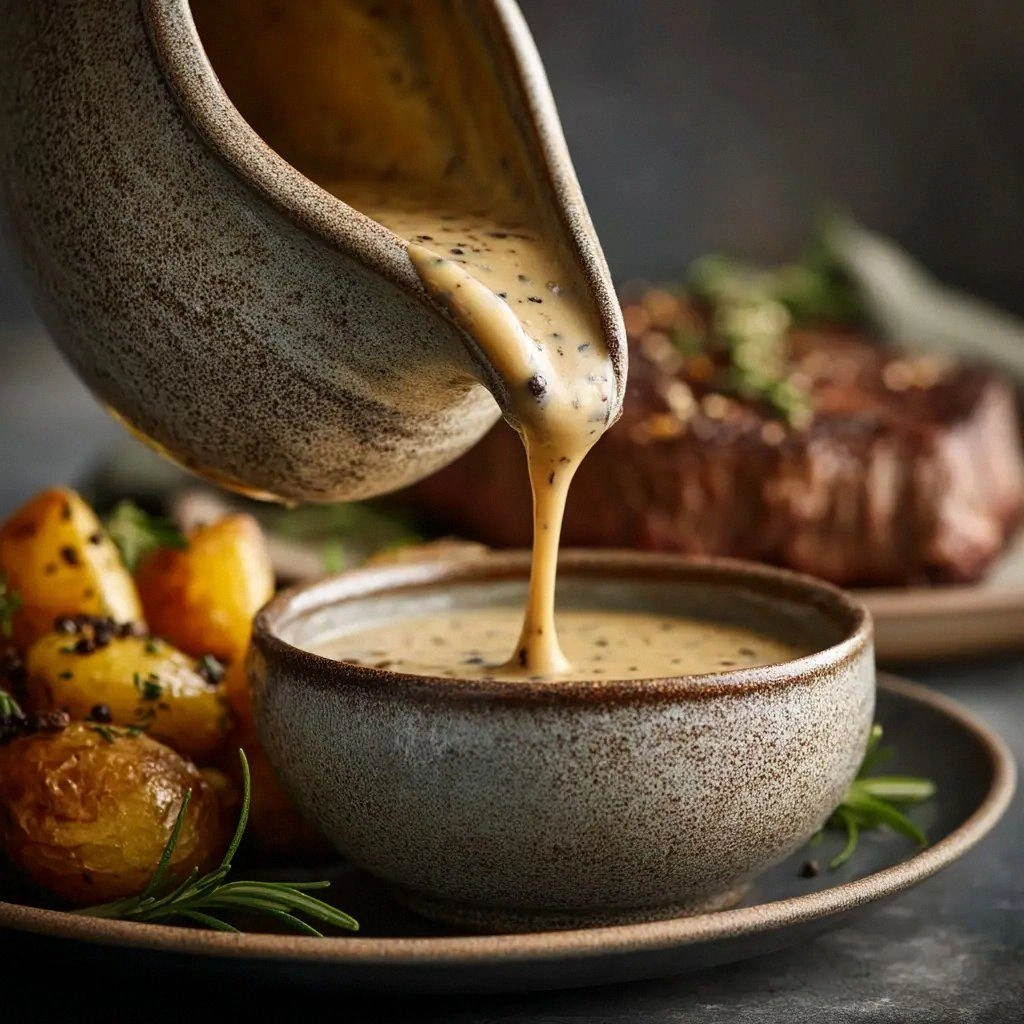
Ever had a night when the kitchen feels more like a battlefield than a sanctuary? I was staring at a burnt pot of miso soup, the steam curling like a smoky ghost, when a friend dared me to make something that could actually make my taste buds dance. That dare turned into a culinary quest, and what emerged was a Hearty Vegan Chicken and Dumpl that feels like a warm hug in a bowl.
I remember the moment the first bite hit my tongue: the soy curls, once a bland, dry staple, now exploded with umami, coating the broth like a silky velvet curtain. The carrots sliced into perfect, sweet ribbons; the celery added that crisp, green pop that cut through the richness. The aroma—garlic, thyme, a hint of coconut—filled the room, turning even the most skeptical of noses into curious explorers. Every spoonful was a revelation, a reminder that vegan comfort food can be as bold and satisfying as its meat‑based counterpart.
What makes this version stand out? It’s not just the flavors; it’s the texture, the technique, the sheer audacity of turning humble pantry items into a feast. I’ll be honest—I ate half the batch before anyone else got to try it. The secret lies in the soy curls’ ability to soak up the broth and the dumplings’ airy, pillowy interior that melts in your mouth. I dare you to taste this and not go back for seconds.
And there’s a twist you won’t expect: a splash of coconut milk at the end, not just for creaminess but for a subtle tropical undertone that lifts the dish. Most recipes get this completely wrong, either by over‑cooking the dumplings or under‑seasoning the broth. Here’s what actually works—soft, fragrant, and utterly comforting.
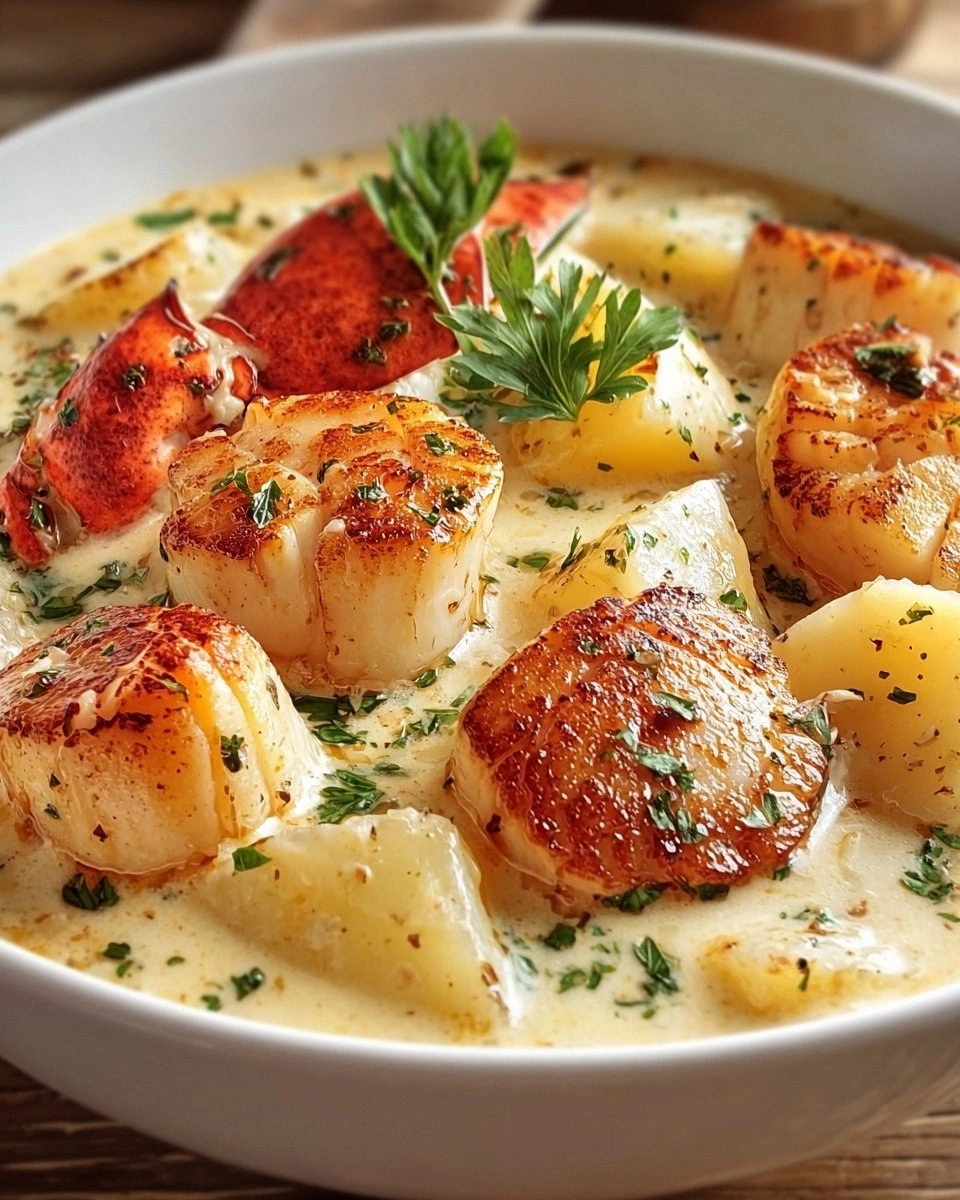
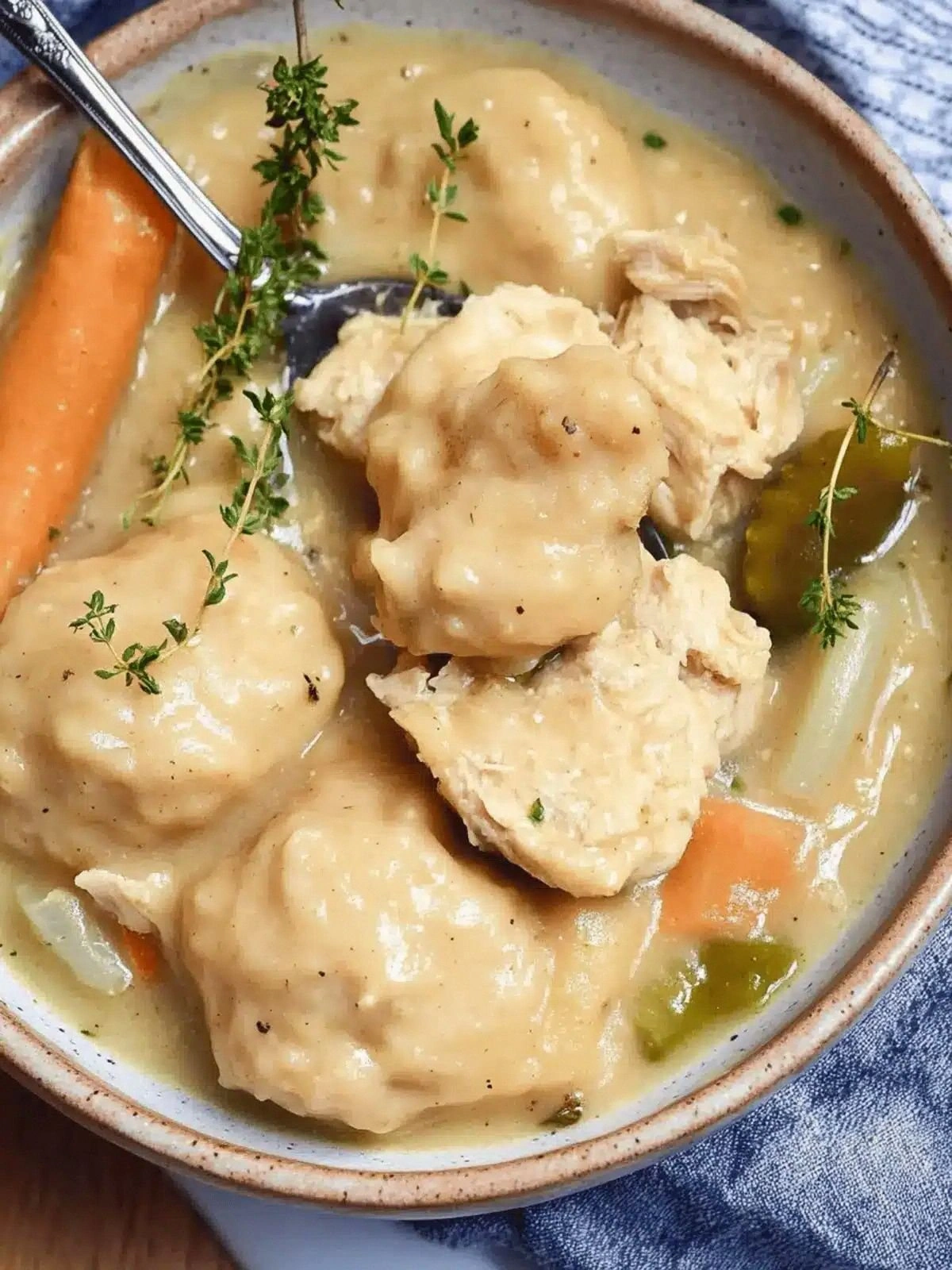
Picture yourself pulling this out of the oven, the whole kitchen smelling incredible, the steam curling like a gentle cloud. The dish sits in a rustic bowl, steam rising, the dumplings glistening like little pillows of joy. The broth is thickened just enough to cling to each ingredient, and the soy curls are perfectly tender, not chewy. That sizzle when it hits the pan? Absolute perfection. Okay, ready for the game‑changer?
Let me walk you through every single step — by the end, you'll wonder how you ever made it any other way. This is hands down the best version you'll ever make at home, and I promise, it’s worth every minute you invest.
What Makes This Version Stand Out
- Flavor: The broth is a deep, savory canvas, enriched by the slow simmer of onion, carrot, celery, and garlic, then finished with a silky coconut twist that adds a gentle sweetness.
- Texture: The soy curls soak into a tender, meaty bite, while the dumplings puff up like clouds, creating a contrast that keeps every spoonful exciting.
- Simultaneous Cooking: All components cook together, eliminating the need for separate pans and reducing cleanup to a single bowl.
- Ingredient Quality: Fresh, organic produce and high‑quality vegan butter elevate the dish beyond the usual supermarket staples.
- Make‑Ahead Friendly: The broth can be prepared a day ahead, and the dumplings keep well in the fridge, making this a true comfort‑food staple.
- Audience Appeal: Whether you’re vegan, vegetarian, or just curious, the dish offers a familiar “chicken” flavor with a plant‑based twist that satisfies everyone.
Alright, let's break down exactly what goes into this masterpiece…
Inside the Ingredient List
The Flavor Base
The foundation of this dish starts with a mirepoix of onion, carrot, and celery, sautéed until translucent. This classic combination brings depth and a subtle sweetness that grounds the broth. If you’re short on time, a frozen vegetable medley works fine, but fresh produce delivers a brighter, more vibrant flavor. The garlic, minced finely, releases a punch of aromatics that permeate the entire pot. For those who love a bit of heat, a pinch of crushed red pepper can add a gentle kick without overpowering the dish.
Why it matters: The flavor base is the backbone of the broth; it’s what transforms simple water into a savory liquid that sings. Skipping any of these vegetables will leave your dish feeling thin and unbalanced. Swap the carrot for parsnip or sweet potato for a sweeter, earthier tone, but keep the celery for its essential crunch and aroma.
Buying tip: Look for organic, locally sourced carrots and onions for the freshest taste. If you can, buy celery with a good green core; it’s fresher and less bitter.
The Texture Crew
Here’s where the soy curls and dumplings take center stage. Soy curls, the star of this plant‑based “chicken,” are made from whole soy protein. They’re naturally chewy but become tender when soaked and cooked properly. The dumplings are a simple mixture of all‑purpose flour, baking powder, salt, warm water, and coconut milk, then rolled into small spheres and dropped into the simmering broth. The dumplings puff up, creating a cloud‑like interior that contrasts beautifully with the dense soy curls.
What happens if you skip the soy curls? The dish loses its protein punch and the comforting “meaty” texture. If you skip the dumplings, you’re left with a broth that’s lacking that comforting, pillowy element that makes this dish a hug in a bowl. Swap soy curls for seitan or tempeh if you prefer a firmer bite, but the flavor profile will shift slightly.
Buying tip: Choose soy curls that are pre‑seasoned lightly or plain; you’ll have more control over the seasoning.
The Unexpected Star
It’s the coconut milk that steals the show. Adding it at the end not only thickens the broth but also brings a subtle tropical sweetness that balances the savory notes. The creaminess coats the dumplings and soy curls, turning each bite into a silky experience. If you’re lactose intolerant or prefer a lighter option, a splash of oat milk will still give a creamy texture, though it won’t have the same richness.
Why it matters: Coconut milk is the secret to that velvety mouthfeel that makes this dish unforgettable. Skipping it turns the broth into a watery soup, while adding too much can make it overly greasy. Use a good quality, unsweetened coconut milk for the best balance.
Buying tip: Look for coconut milk that’s labeled “full‑fat” for a richer texture; the “light” versions are thinner and won’t thicken as well.
The Final Flourish
Finishing touches include a splash of fresh thyme and a dash of black pepper. Thyme brings an earthy, slightly minty note that cuts through the richness of the coconut. The pepper adds a subtle heat and depth. For an extra layer of flavor, a tablespoon of nutritional yeast can be stirred in at the end, adding a nutty, cheesy undertone.
Why it matters: These final aromatics elevate the dish from good to unforgettable. They’re the finishing touches that tie all elements together. If you’re allergic to thyme, oregano or marjoram work well as substitutes.
Everything's prepped? Good. Let's get into the real action…
The Method — Step by Step
- First, heat the vegan butter in a large pot over medium heat. Once melted, add the finely chopped onion and sauté until it turns translucent and starts to caramelize. This step builds the aromatic foundation. Watch the onions; when they’re golden brown, the broth will have a richer base.
- Add the minced garlic, carrots, and celery to the pot. Stir for 2–3 minutes until the vegetables soften slightly. The garlic should release a fragrant steam that signals the broth is ready for the next phase.
- Pour in the vegan chicken broth and bring to a gentle boil. Reduce the heat to low and let it simmer for 10 minutes. This simmer allows the flavors to meld, creating a savory liquid that will coat the soy curls and dumplings.
- Add the soaked soy curls to the pot. Stir gently to distribute them evenly. Let them cook for 5 minutes, allowing them to absorb the broth and become tender. The soy curls should look plump and juicy.
- In a separate bowl, whisk together 2 cups of all‑purpose flour, 2 teaspoons of baking powder, 1 teaspoon of salt, and 3/4 cup of warm water. Add 1 cup of coconut milk and whisk until the batter is smooth. This batter forms the dumplings.
- Drop spoonfuls of the batter into the simmering broth. The dumplings will rise to the surface within 3–4 minutes. This is the moment of truth; the dumplings should puff up like tiny clouds.
- Once the dumplings rise, sprinkle 1 teaspoon of dried thyme and 1/2 teaspoon of black pepper over the pot. Stir gently to distribute the herbs. The thyme will infuse the broth with a subtle, earthy aroma.
- Let the entire mixture simmer for an additional 10 minutes, allowing the dumplings to finish cooking and the flavors to meld. The broth should thicken slightly and coat the dumplings and soy curls.
- Taste the broth; adjust seasoning with a pinch of salt if needed. Ladle the hearty soup into bowls, ensuring each spoonful contains dumplings, soy curls, and a generous swirl of broth.
- Serve hot, garnished with fresh herbs or a squeeze of lime if you like a bright finish. This dish is best enjoyed immediately, but it also keeps well for the next day.
That's it — you did it. But hold on, I've got a few more tricks that'll take this to another level…
Insider Tricks for Flawless Results
The Temperature Rule Nobody Follows
Many chefs let the broth boil vigorously, but this can cause the dumplings to break apart. Keep the heat low once the broth reaches a gentle simmer. This slow cooking preserves the dumplings’ integrity and allows the soy curls to absorb maximum flavor.
Why Your Nose Knows Best
Smell the broth as it simmers. If it starts to smell too sharp or bitter, it’s time to add a splash of coconut milk to balance the acidity. Your nose is your best guide to a well‑seasoned broth.
The 5-Minute Rest That Changes Everything
After the final simmer, let the pot rest covered for 5 minutes before serving. This allows the flavors to settle, giving the broth a smoother mouthfeel and the dumplings a slightly firmer texture.
Don't Skip the Fresh Herbs
Fresh thyme or parsley added right before serving brightens the dish and adds a layer of freshness that canned herbs can’t match. I’ve seen people skip this step, and the result is a dish that feels flat.
Use a Non‑Stick Skillet for Dumplings
When dropping the dumpling batter into the broth, a non‑stick pot ensures they don’t stick and break apart. If you’re using a stainless steel pot, a small drizzle of oil helps prevent sticking.
Keep the Dumplings Warm
If you’re serving a crowd, keep the dumplings warm in a low oven (200°F) while the broth finishes. This prevents them from cooling and becoming soggy.
Creative Twists and Variations
This recipe is a playground. Here are some of my favorite ways to switch things up:
Spicy Sichuan Twist
Swap the thyme for Sichuan peppercorns and add a teaspoon of chili oil. The result is a numbing, spicy broth that pairs beautifully with the dumplings.
Herb Garden Delight
Use a medley of fresh herbs—rosemary, thyme, and sage—during the final simmer. The aromatic bouquet turns the dish into a fragrant garden in a bowl.
Sweet & Savory Fusion
Add diced apples or pears to the broth for a subtle sweetness that balances the savory notes. The fruit pieces soften during the simmer, infusing the soup with a gentle caramel flavor.
Gluten-Free Upgrade
Replace all‑purpose flour with a gluten‑free blend (rice flour, tapioca flour, and xanthan gum). The dumplings will still puff up, giving you a gluten‑free version that’s just as comforting.
Protein Boost
Stir in cooked lentils or chickpeas for an extra protein punch. They absorb the broth and add a hearty texture that makes the dish even more filling.
Breakfast Breakfast
Serve the soup over a bed of quinoa or barley for a breakfast‑style meal. The grains soak up the broth, turning each bite into a warm, wholesome breakfast.
Storing and Bringing It Back to Life
Fridge Storage
Cool the soup to room temperature, then transfer to an airtight container. Store in the refrigerator for up to 3 days. The dumplings may firm up slightly; reheat gently to restore their softness.
Freezer Friendly
For longer storage, divide the soup into freezer‑safe portions. Freeze for up to 2 months. Thaw overnight in the refrigerator before reheating.
Best Reheating Method
Reheat on the stove over medium heat, stirring occasionally. Add a splash of water or broth to loosen the consistency. A tiny splash of water before reheating steams the dumplings back to perfection.