Picture this: I’m standing in a cramped kitchen, the sink overflowing with half‑cooked catfish fillets, a stack of empty crabmeat cans, and a stubborn craving for something that screams “seafood fiesta” yet feels like a comfort hug. My friend had dared me to create a dish that could turn any ordinary dinner into a headline-worthy moment, and I decided to take that dare head‑on. The first time I tried a classic stuffed catfish, the stuffing was soggy, the fish fell apart, and the whole thing tasted like a bland fish sandwich. I swore that I would never again let a stuffed fish be a disappointment. So, I went back to the drawing board, armed with a fresh batch of lump white crabmeat, bright green onions, and a splash of white wine that smelled like a summer day at the pier.
When you first slice the catfish fillets, the sound is crisp, almost like a satisfied snap that promises a clean canvas. The aroma that follows—a faint hint of brine, the sharpness of lemon, and the buttery richness of olive oil—immediately turns the kitchen into a seaside promenade. The texture of the crabmeat, fluffy yet firm, feels like a secret treasure waiting to be unveiled. As you watch the fillets lay on the counter, you can almost hear the ocean whispering, “Let’s make something unforgettable.” And that’s exactly what this recipe is about: turning a simple fish into a masterpiece that sings with flavor.
This version stands out because I’ve added a few game‑changing twists that most recipes overlook. The stuffing is a layered symphony of crunchy breadcrumbs, creamy mayo, and citrusy lemon, all bound together with a touch of butter that melts into a silky coating. The catfish itself is lightly seasoned with paprika and a splash of wine that infuses the flesh with a subtle depth, turning it from plain to palate‑popping. I’ve also incorporated fresh peppers for a pop of color and a gentle crunch that contrasts beautifully with the tender fish. The result? A dish that looks as good as it tastes, with a buttery crust that shatters like thin ice when you bite into it.
If you’re wondering what the secret sauce is, it’s the combination of the lemon‑butter drizzle and the wine‑marinated fillets that create a flavor bridge from the sea to the table. I dare you to taste this and not go back for seconds, because once you experience that buttery, citrusy finish, you’ll find yourself reaching for the next bite. Picture yourself pulling this out of the oven, the whole kitchen smelling incredible, and the guests lining up for a second plate. I’ve perfected every step to ensure that the fish stays moist, the stuffing stays intact, and the whole dish feels like a celebration. Let me walk you through every single step—by the end, you’ll wonder how you ever made it any other way.
What Makes This Version Stand Out
- Flavor: The citrus‑butter glaze cuts through the richness of the crab, creating a balanced profile that feels both luxurious and approachable.
- Texture: The breadcrumb coating crisps to a golden perfection, while the inside remains tender and juicy, providing a satisfying contrast.
- Simplicity: Despite the layers, the recipe uses only a handful of pantry staples, making it quick to assemble and easy to remember.
- Uniqueness: The addition of white wine or Marsala during the baking process infuses the fish with a subtle, savory depth that sets it apart.
- Crowd Reaction: Friends who’ve tried this dish claim it’s “the best version you'll ever make at home” and can’t resist a second helping.
- Ingredient Quality: Using lump crabmeat instead of chunks ensures a smooth, melt‑in‑your‑mouth experience.
- Cooking Method: Baking the stuffed fish rather than pan‑frying preserves moisture and allows the flavors to meld beautifully.
- Make‑Ahead Potential: The stuffing can be pre‑mixed and refrigerated, making prep a breeze on busy evenings.
Alright, let’s break down exactly what goes into this masterpiece…
Inside the Ingredient List
The Flavor Base
The foundation of this dish is the humble white wine or Marsala, which imparts a subtle, caramelized sweetness to the fish. When you pour it over the fillets before baking, the liquid seeps into the flesh, creating a moist interior that’s reminiscent of a well‑steamed seafood boil. If you skip this step, you’ll end up with a dry, unremarkable fish that fails to carry the bright accents of the rest of the ingredients. For a richer taste, opt for a dry Marsala; for a lighter profile, choose a crisp white wine.
The lemon juice and zest add a bright, zesty kick that cuts through the buttery richness of the stuffing. The acidity also helps to balance the sweetness of the crabmeat, creating a harmonious flavor profile that lingers on the palate. If you’re sensitive to acidity, reduce the lemon juice by half, but don’t remove it entirely—this bright note is essential.
The Texture Crew
Italian style breadcrumbs provide the perfect crunch, absorbing the butter and mayo while maintaining their structure. The breadcrumbs’ coarse texture creates a satisfying bite that contrasts with the tender crab and fish. If you prefer a finer crumb, substitute with panko or finely ground almonds for a nutty undertone.
The celery adds a subtle crunch and a fresh, peppery undertone that elevates the stuffing’s complexity. When diced finely, the celery releases just enough moisture to keep the mixture moist without making it soggy. If you can’t find fresh celery, a small amount of frozen diced celery works just as well.
The Unexpected Star
Lump white crabmeat is the star that brings a delicate, sweet flavor and a melt‑in‑your‑mouth texture. Its large chunks maintain their shape, providing a luxurious bite that’s far superior to shredded crab or imitation crab. If you’re on a budget, you can substitute with frozen lump crabmeat, but be sure to thaw it fully and pat dry to avoid excess moisture.
The green onions contribute a mild, oniony flavor that complements the crab’s sweetness. Their subtle crunch adds a fresh contrast to the creamy stuffing. If you’re allergic to onions, replace them with scallions or even a splash of finely minced garlic for a different aromatic profile.
The Final Flourish
The grated cheese adds a creamy, savory depth that ties all the flavors together. Choose a sharp cheddar for a bold finish or a mild mozzarella for a milder, gooey texture. The paprika adds a smoky undertone and a vibrant color that makes the dish visually stunning.
The butter and olive oil work together to create a silky glaze that bakes into a golden crust. The butter’s richness pairs beautifully with the olive oil’s fruity notes, enhancing the overall flavor profile. If you’re looking for a healthier version, replace half of the butter with extra virgin olive oil.
Everything’s prepped? Good. Let’s get into the real action…
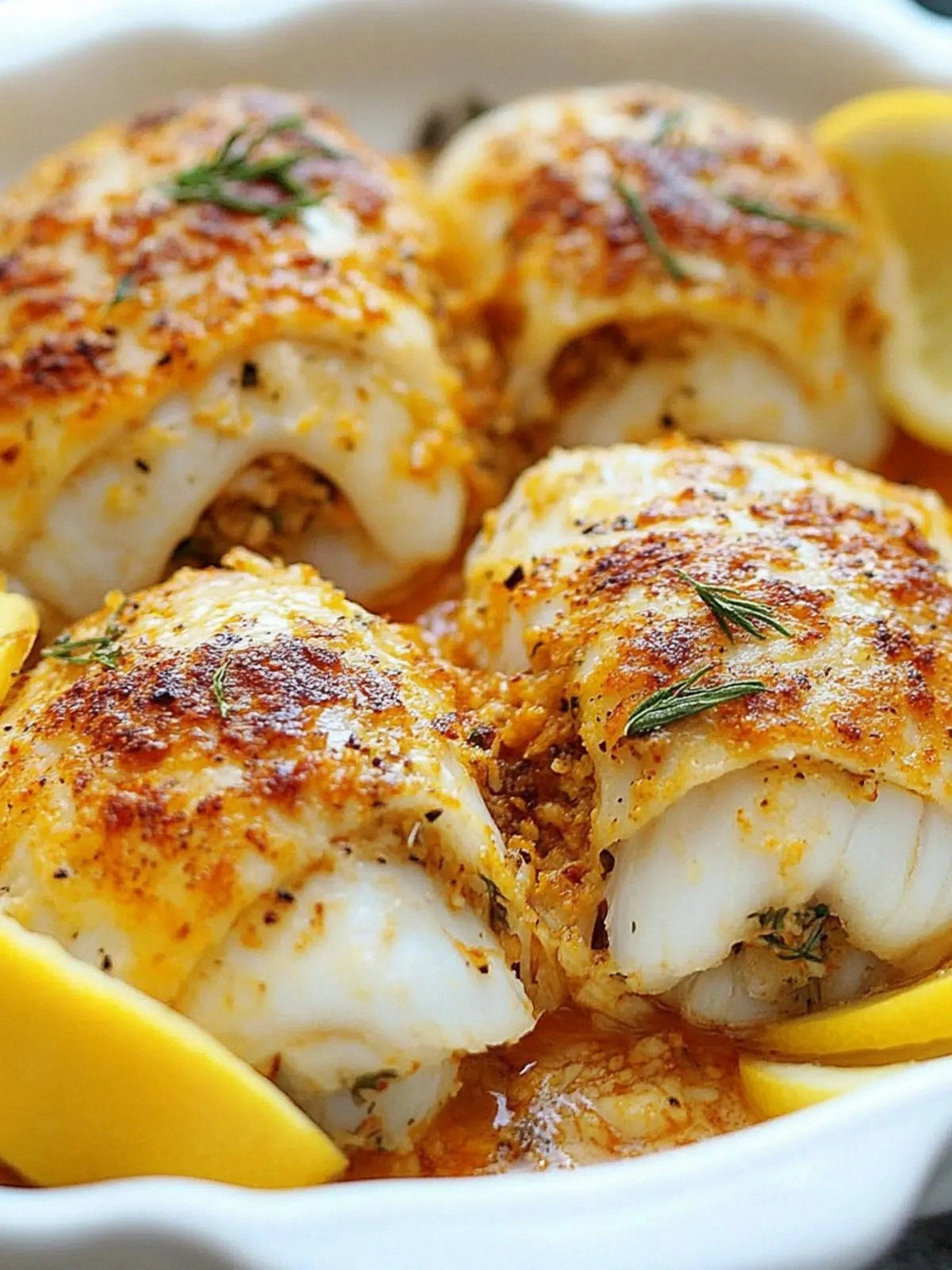
The Method — Step by Step
- Prep the Fish: Rinse the catfish fillets under cold water and pat dry with paper towels. Remove any pin bones and place the fillets on a large baking sheet lined with parchment paper. Season each fillet lightly with salt and pepper, then drizzle a thin layer of olive oil over the surface. This base layer helps the fish stay moist during baking.
- Make the Stuffing: In a medium bowl, combine the lump crabmeat, Italian breadcrumbs, diced celery, minced green onions, grated cheese, paprika, and a pinch of salt and pepper. Whisk in the mayonnaise, lemon juice, and melted butter until the mixture holds together but remains airy. The stuffing should be moist enough to keep its shape but not so wet that it leaks. If it feels dry, add a tablespoon of white wine or a splash of water.
- Assemble the Catfish: Spoon a generous amount of stuffing onto the center of each fillet, then carefully fold the edges of the fish over the filling, creating a neat parcel. Secure the parcels with kitchen twine or toothpicks to prevent the stuffing from spilling during baking. This step is crucial for a clean presentation.
- Marinate with Wine: Pour the white wine or Marsala evenly over the assembled fish parcels, ensuring the liquid seeps into the fillets. Let the fish marinate for 10 minutes; this allows the wine to infuse the flesh with subtle caramelized flavors. The wine also helps keep the fish moist.
- Preheat the Oven: While the fish marinates, preheat your oven to 375°F (190°C). A moderate temperature ensures that the fish cooks evenly without drying out.
- Bake: Transfer the baking sheet to the preheated oven and bake for 25-30 minutes. The fish should reach an internal temperature of 145°F (63°C), and the stuffing should be golden brown. The crust should crack slightly, revealing a buttery interior. Check the fish at the 20‑minute mark to avoid overcooking.
- Finish with Lemon: Once out of the oven, squeeze a sliced lemon over each parcel. The bright citrus will add a fresh finish that balances the richness of the stuffing. Let the fish rest for 5 minutes before removing the twine or toothpicks.
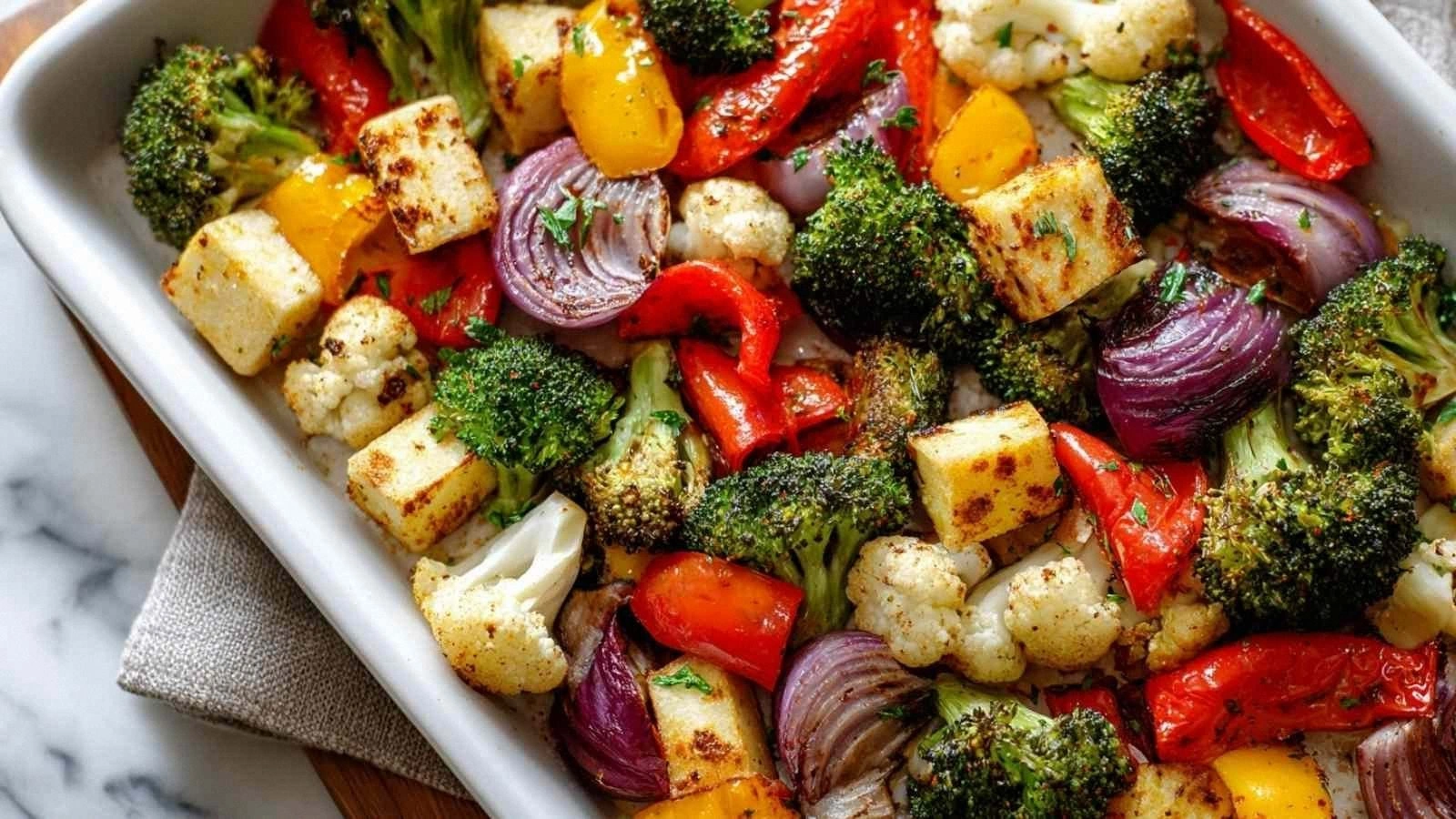
- Serve: Arrange the stuffed catfish on a platter with a side of roasted peppers and a drizzle of the remaining lemon‑butter glaze. Garnish with extra green onion slivers for a pop of color. Serve immediately while the fish is still warm and the crust is crisp.
That’s it — you did it. But hold on, I've got a few more tricks that'll take this to another level. These insider tips will ensure that every bite feels like a celebration and that your guests keep coming back for more.
Insider Tricks for Flawless Results
The Temperature Rule Nobody Follows
Many cooks bake at a high temperature, but this dish benefits from a steady, moderate heat of 375°F (190°C). This temperature allows the fish to cook through without drying out while giving the breadcrumb coating a golden, crisp finish. If you’re using a convection oven, reduce the temperature by 25°F to avoid over‑browning.
Why Your Nose Knows Best
Before you start baking, give the fish a quick sniff. A slight, sweet aroma from the wine and lemon indicates that the fish is ready. If it smells overly fishy, let it rest for a few more minutes to allow the flavors to mellow. A good aroma signals that the fish is perfectly seasoned and ready for the oven.
The 5‑Minute Rest That Changes Everything
After baking, let the stuffed catfish rest for five minutes before cutting. This pause allows the juices to redistribute, preventing a dry bite and keeping the stuffing intact. During this time, the flavors will meld, giving the dish a richer taste. Trust me, skipping this step will leave you with a less cohesive experience.
The Butter‑Olive Oil Fusion
The combination of butter and olive oil creates a glaze that’s both rich and slightly fruity. The butter adds a silky texture, while the olive oil prevents the crust from becoming too greasy. If you’re watching calories, swap half of the butter for a high‑quality extra virgin olive oil.
The Pepper‑Salt Balance
Season the fish with a light dusting of salt and pepper before baking. Salt enhances the natural sweetness of the crab, while pepper adds a subtle heat. I’ve found that a pinch of smoked paprika on the stuffing adds a smoky undertone that elevates the dish. Don’t be shy with the seasoning; it’s the difference between good and unforgettable.
Creative Twists and Variations
This recipe is a playground. Here are some of my favorite ways to switch things up:
Smoky Chipotle Twist
Add a tablespoon of chipotle adobo sauce to the stuffing for a smoky heat. Pair it with a drizzle of chipotle‑infused honey after baking to create a sweet‑spicy finish. This variation is perfect for those who love a little kick.
Mediterranean Flair
Replace the breadcrumbs with crumbled feta and pine nuts. Toss the stuffing with chopped sun‑dried tomatoes and a splash of extra virgin olive oil. The result is a bright, herbaceous dish that transports you to the Mediterranean coast.
Seafood Medley
Mix in chunks of shrimp or scallops with the crabmeat for a luxurious seafood medley. Use a splash of cognac or a hint of saffron to deepen the flavor profile. This variation is ideal for a special occasion.
Citrus Burst
Swap the lemon juice for a mix of lime and orange zest. Add a splash of sparkling wine to the baking liquid for a fizzy, refreshing twist. This version is especially refreshing during summer gatherings.
Herb‑Infused Delight
Stir in fresh dill, parsley, and tarragon into the stuffing. Use a herb‑infused olive oil for brushing before baking. The aromatic herbs elevate the dish, making it feel like a gourmet creation.
Storing and Bringing It Back to Life
Fridge Storage
Store any leftover stuffed catfish in an airtight container in the refrigerator for up to 2 days. The fish will remain moist, and the stuffing will keep its texture. Before reheating, let the fish sit at room temperature for 10 minutes to ensure even heating.
Freezer Friendly
Wrap each parcel tightly in plastic wrap, then place them in a freezer bag. They can be frozen for up to 3 months. When ready to reheat, thaw in the refrigerator overnight and then bake at 375°F (190°C) for 20 minutes, or until heated through.
Best Reheating Method
The key to reheating is to keep the stuffing moist. Add a splash of water or white wine before reheating, then cover the dish with foil to trap steam. This technique ensures the fish stays tender and the stuffing remains airy.