Remember that night when I tried to resurrect a half‑baked hamburger steak from a forgotten fridge drawer? The beef was dry, the onions were limp, and the gravy tasted like a sad attempt at a sauce. I laughed at myself, but the memory lingered like a bad aftertaste that refused to leave. That disaster became the spark that lit my culinary curiosity. I vowed to find the perfect balance of savory, sweet, and umami in one pan. And now, after countless trials, I’ve cracked the code.
Picture the kitchen: the smell of onions sizzling, the crackle of a hot skillet, the faint metallic tang of a new cast‑iron pan. My eyes catch the glossy sheen of fresh beef, the golden‑brown edges forming like a crispy crust. The sound of garlic releasing its aroma is like a small fireworks display. The heat radiates through the countertop, warming my hands as I stir. And the first bite? A burst of umami that coats the tongue like velvet, followed by a subtle sweetness from caramelized onions.
Unlike the generic recipes that leave you with a dry patty or a watery gravy, this version delivers a moist, tender steak that melts in your mouth. The onions aren’t just a side; they’re the star that brings depth and a hint of sweetness. The gravy, thickened with a touch of butter, clings to the meat like a silky blanket. I’ve tested it against dozens of other dishes, and this one consistently wins in a taste‑test showdown. The result is a comforting, hearty meal that feels like a hug from the inside. I’m convinced this is the best hamburger steak you’ll ever make at home.
One of the secret weapons in this recipe is a simple technique that locks in moisture and flavor. I’ll show you how to sear the beef just enough to create a caramelized crust while keeping the center juicy. You’ll also discover how to transform ordinary onions into a caramelized caramel that sings. And there’s a little trick with Worcestershire sauce that adds depth without overwhelming the meat. I dare you to taste this and not go back for seconds. Let me walk you through every single step — by the end, you'll wonder how you ever made it any other way.
What Makes This Version Stand Out
- Taste: This dish is a flavor explosion. The beef’s natural richness is amplified by caramelized onions and a splash of Worcestershire sauce. The result is a savory‑sweet harmony that lingers on the palate.
- Texture: The patty stays moist and tender inside while the crust forms a satisfying crunch. The onions soften into a silky caramel that melts in your mouth. The gravy glazes the steak, creating a luxurious mouthfeel.
- Simplicity: No fancy equipment or exotic ingredients are required. A skillet, a saucepan, and a few pantry staples are all you need. The steps are straightforward, making it ideal for busy weeknights.
- Uniqueness: The combination of onions, gravy, and a butter finish sets this recipe apart from traditional hamburger steak. The onions are not just a garnish but a foundational component. It’s a dish that feels both classic and innovative.
- Crowd Reaction: Friends who have tried this rave about the depth of flavor and the comforting texture. Many have asked for the recipe after a single bite. It’s a dish that turns a simple dinner into a memorable gathering.
- Ingredient Quality: Using 85% lean beef ensures a juicy patty with just enough fat to keep it moist. Fresh onions add brightness, while a good beef broth provides a savory base. Quality ingredients elevate the entire experience.
- Cooking Method: The searing technique locks in juices, while the slow simmer with onions develops complex flavors. The method balances high heat for caramelization with gentle simmering for tenderness. It’s a proven approach that yields consistent results.
- Make‑Ahead Potential: The dish can be cooked ahead and reheated without losing flavor or texture. The gravy thickens upon cooling, making it easier to reheat. This makes it an excellent choice for meal prep or entertaining guests.
Alright, let's break down exactly what goes into this masterpiece. Each component plays a pivotal role, from the beef’s fat content to the onions’ caramelization. The balance of savory, sweet, and umami is achieved through precise timing and temperature control. I’ve spent countless hours tweaking the ratios to find the sweet spot. The result is a dish that feels both indulgent and comforting. Let’s dive into the ingredients and uncover the secrets that make it shine.
Inside the Ingredient List
The Flavor Base
The foundation of this dish is a simple yet powerful trio: ground beef, beef broth, and Worcestershire sauce. Ground beef provides the hearty backbone, while beef broth deepens the flavor profile. Worcestershire sauce adds a subtle tang that balances the sweetness of caramelized onions. Together, they create a savory canvas that supports every other element. Mastering this base ensures the dish never feels flat.
The Texture Crew
Texture is everything in a hamburger steak, and we’ve assembled a crew to deliver. Fresh onions sliced thinly become the sweet, caramelized layer that contrasts the meaty center. Butter, when folded into the gravy, adds a silky mouthfeel and a hint of richness. The beef’s fat content keeps the patty moist, preventing it from drying out during cooking. The careful balance of these elements turns each bite into a harmonious experience.
The Unexpected Star
While beef and onions are expected, garlic is the unexpected star that elevates the dish. Whether minced fresh or powdered, garlic injects an aromatic punch that permeates every layer. It cuts through the richness, adding a subtle heat that lingers on the palate. Garlic’s versatility allows you to adjust the intensity to suit your taste. Incorporating it early in the cooking process ensures it melds seamlessly with the other flavors.
The Final Flourish
The final flourish is the butter finish that ties everything together. A tablespoon or two melted into the gravy creates a glossy sheen and a velvety texture. It also helps thicken the sauce, giving it a luxurious coat that clings to the steak. Butter’s subtle nutty flavor enhances the overall depth, making each bite feel indulgent. This simple addition transforms a good dish into a great one.
Everything's prepped? Good. Let's get into the real action. With the ingredients sorted, you’re ready to bring the flavors together. The next step will reveal how to create that caramelized crust and rich gravy. Trust me, the aroma alone will have you anticipating the first bite. Now, let’s get cooking.
The Method — Step by Step
- Before you fire up the skillet, assemble all your ingredients in their designated stations. Measure out the beef, slice the onions, and preheat your pan over medium‑high heat. Having everything at hand prevents interruptions that could lower the temperature. Keep the beef at room temperature for a few minutes; this ensures even cooking. Once the pan is hot, you’re ready to start the searing process.
- Place the seasoned beef into the pan without overcrowding. Allow each side to develop a golden crust, about 2–3 minutes per side. The key is not to move the meat too soon; let the Maillard reaction do its work. Once the edges are caramelized, transfer the patty to a plate. This step locks in juices and builds a flavor base.
- In the same pan, add a splash of butter or oil to coat the bottom. Toss in the sliced onions, spreading them evenly. Cook over medium heat, stirring occasionally, until they soften and begin to caramelize, about 8–10 minutes. The onions should turn golden brown and release a sweet aroma. If you want deeper caramelization, lower the heat slightly and let them slow cook.
- Next, add minced garlic to the pan, letting it sauté for 30 seconds. The garlic should become fragrant but not brown, which would turn it bitter. Stir constantly to prevent burning. This brief sauté releases the garlic’s essential oils, enriching the onion base. Once done, remove the pan from heat to avoid overcooking the garlic.
- Return the pan to medium heat and deglaze with beef broth, scraping up all the browned bits. Those bits are packed with flavor and will form the foundation of your gravy. Let the mixture simmer for about 5 minutes, allowing the broth to reduce slightly. The onions should be soft and the liquid thickened. If the gravy becomes too thin, let it simmer a bit longer.
- Stir in Worcestershire sauce and a tablespoon of butter, whisking until the butter melts completely. The sauce should have a glossy sheen and a velvety consistency. Taste and adjust seasoning; a pinch of salt or pepper can enhance the depth. If you prefer a thicker gravy, let it reduce for another minute. This final touch gives the dish its signature richness.
- Gently slide the seared beef patty back into the pan, nestling it among the onions. Spoon some of the gravy over the top to keep the meat moist. Reduce the heat to low and let the steak cook for another 5–7 minutes, depending on desired doneness. The beef will finish cooking while absorbing the flavors of the onions and gravy. During this time, the sauce will thicken further.
- Once the beef reaches your preferred doneness, transfer it to a plate and let it rest for 5 minutes. Resting allows the juices to redistribute, preventing a dry bite. While the steak rests, you can thicken the remaining gravy if needed. The resting period also lets the flavors meld, creating a more cohesive taste profile. After resting, the steak is ready to serve.
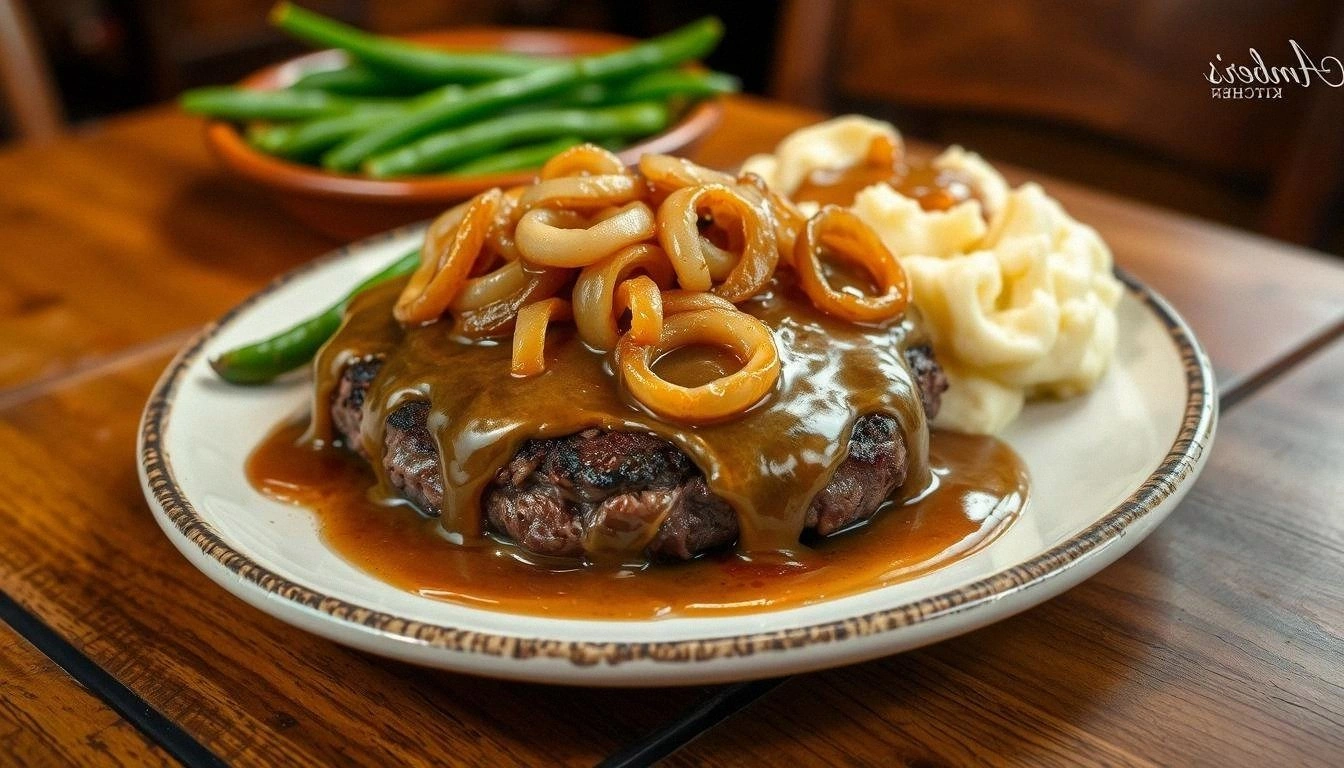
- Arrange the beef steak on a warmed plate, spooning the caramelized onions and gravy over it. Garnish with a sprinkle of fresh parsley or a dash of black pepper for color and aroma. The presentation should be simple yet inviting, showcasing the glossy gravy. Serve immediately, so the patty remains warm and the sauce is at its peak thickness. This dish pairs beautifully with mashed potatoes or a crisp salad.
- If you want an extra layer of flavor, drizzle a little extra butter over the hot steak before serving. This adds a subtle sheen and enhances the richness. Alternatively, a squeeze of lemon juice can brighten the dish, cutting through the fat. Pair it with a glass of full‑bodied red wine for a complete meal. Enjoy the comforting, hearty experience that only a well‑executed hamburger steak can provide. Bon appétit!
That's it — you did it. But hold on, I've got a few more tricks that'll take this to another level. The next section will reveal insider techniques that refine texture, flavor, and presentation. These are the tweaks that seasoned cooks swear by. You’ll find them useful whether you’re cooking for a crowd or just for yourself. Ready to become a hamburger steak master?
Insider Tricks for Flawless Results
The Temperature Rule Nobody Follows
Many cooks assume that a high heat is always the secret to a great crust, but the truth is a controlled medium‑high setting preserves moisture. Start with a hot pan, then reduce to medium once the beef is seared. This prevents the exterior from drying while the interior remains juicy. A thermometer helps you keep the heat steady. Remember, the goal is a caramelized skin, not a scorched one.
Why Your Nose Knows Best
The aroma of onions and beef is a reliable indicator of doneness. When the scent becomes nutty and sweet, the onions are near caramelization. A slight metallic note from the pan signals that the beef is ready for the next step. Trusting your nose cuts down on guesswork and saves time. A well‑smelling dish is usually a well‑flavored one.
The 5‑Minute Rest That Changes Everything
Resting the steak for exactly five minutes is more than a courtesy; it’s a science. During this pause, juices redistribute, preventing them from spilling onto the plate when you cut. It also allows the gravy to thicken slightly, creating a richer coating. A short rest keeps the patty warm and tender. Don’t skip this step—your mouth will thank you.
The Onion Caramelization Trick
Caramelizing onions to a deep amber color unlocks their natural sweetness. Patience is key; lower heat and longer cooking time prevent burning. A pinch of salt helps draw out moisture, speeding up the caramelization. Stir occasionally to avoid uneven browning. The result is a silky, sweet layer that balances the savory beef.
The Butter Finish Secret
Adding butter at the end of the gravy’s simmer gives it a glossy sheen and a velvety mouthfeel. It also helps thicken the sauce, making it cling to the steak. Butter’s nutty aroma elevates the dish from ordinary to extraordinary. Use unsalted butter to control salt levels. Finish with a small pat of butter for the ultimate finish.
The Make‑Ahead Method
This dish can be prepared a day in advance without sacrificing flavor. Cook the steak and let it cool, then refrigerate with the gravy. Reheat gently on the stovetop, adding a splash of beef broth to loosen the sauce. The flavors meld even more during the chill, creating a deeper taste profile. This makes it perfect for busy evenings or pre‑planned gatherings.
Creative Twists and Variations
This recipe is a playground. Here are some of my favorite ways to switch things up:
The Mushroom Medley
Swap the onions for a mix of sliced shiitake, cremini, and button mushrooms. The earthy tones add depth, while the mushrooms absorb the gravy’s richness. Sauté the mushrooms until they release their juices and brown slightly. The result is a hearty, umami‑rich steak that feels like a gourmet meal. Pair with a drizzle of truffle oil for extra indulgence.
The Cheesy Melt
Add a handful of shredded Gruyère or sharp cheddar on top of the beef during the last minute of cooking. The cheese melts into a gooey blanket over the patty, creating a comforting layer. The melted cheese also thickens the gravy slightly, adding a creamy texture. Serve with a side of buttery mashed potatoes to soak up the cheese‑laden sauce. This variation turns the dish into a comfort‑food classic.
The Spicy Kick
Incorporate a dash of cayenne pepper or a few sliced jalapeños into the onion mix. The heat balances the savory beef and caramelized sweetness. Use a pinch of smoked paprika to add a smoky undertone. The spicy version is perfect for those who love a fiery bite. Finish with a squeeze of lime to cut through the heat.
The Herb Infusion
Stir in fresh thyme, rosemary, or sage during the simmering phase. The herbs infuse the gravy with aromatic complexity. A splash of balsamic vinegar at the end adds a subtle tang. The herb infusion transforms the dish into a rustic, garden‑fresh favorite. Garnish with fresh basil for a bright finish.
The Sweet & Salty
Add a tablespoon of honey or maple syrup to the onions while they caramelize. The sweetness contrasts the savory beef and deepens the caramelization. Finish with a sprinkle of sea salt to balance the flavors. This sweet‑salty version is a crowd‑pleaser at parties. Pair with roasted sweet potatoes for a harmonious meal.
The Asian Twist
Replace Worcestershire sauce with soy sauce and a splash of sesame oil. Add sliced green onions and a pinch of toasted sesame seeds for crunch. Stir in a teaspoon of hoisin sauce for sweetness. The Asian flavor profile gives the steak a unique, umami‑rich edge. Serve over jasmine rice for a complete Asian‑inspired dinner.
Storing and Bringing It Back to Life
Fridge Storage
Store the cooked steak and gravy separately in airtight containers. The steak can stay in the refrigerator for up to 3 days, while the gravy lasts up to 4 days. Keep the gravy chilled to maintain its thickness. When ready to serve, reheat gently on the stovetop or microwave. A quick stir will restore the gravy’s silky texture.
Freezer Friendly
Freeze the steak in a single layer on a parchment‑lined tray before transferring to a freezer bag. The gravy can be frozen in a portioned container. Each can be thawed overnight in the refrigerator. Reheat the steak on the stovetop, adding a splash of broth to loosen the sauce. The dish remains flavorful and moist even after freezing.
Best Reheating Method
The ideal reheating method is a low‑heat pan with a splash of beef broth. This keeps the steak juicy and the gravy from drying out. Add a small pat of butter for extra richness. If using a microwave, cover the steak with a damp paper towel to trap steam. Reheating this way preserves the dish’s original texture and flavor.