I still remember the night I burned my entire pantry trying to create the perfect “sticky” dish. The cauldron of soy sauce, honey, and sesame oil was a disaster, and my friends laughed at my burnt cauliflower. I swear, the smoke alarm still goes off whenever I think about that night. But that kitchen catastrophe turned into a dare: “Make the most irresistible sticky cauliflower you can” and I was determined to win that challenge.
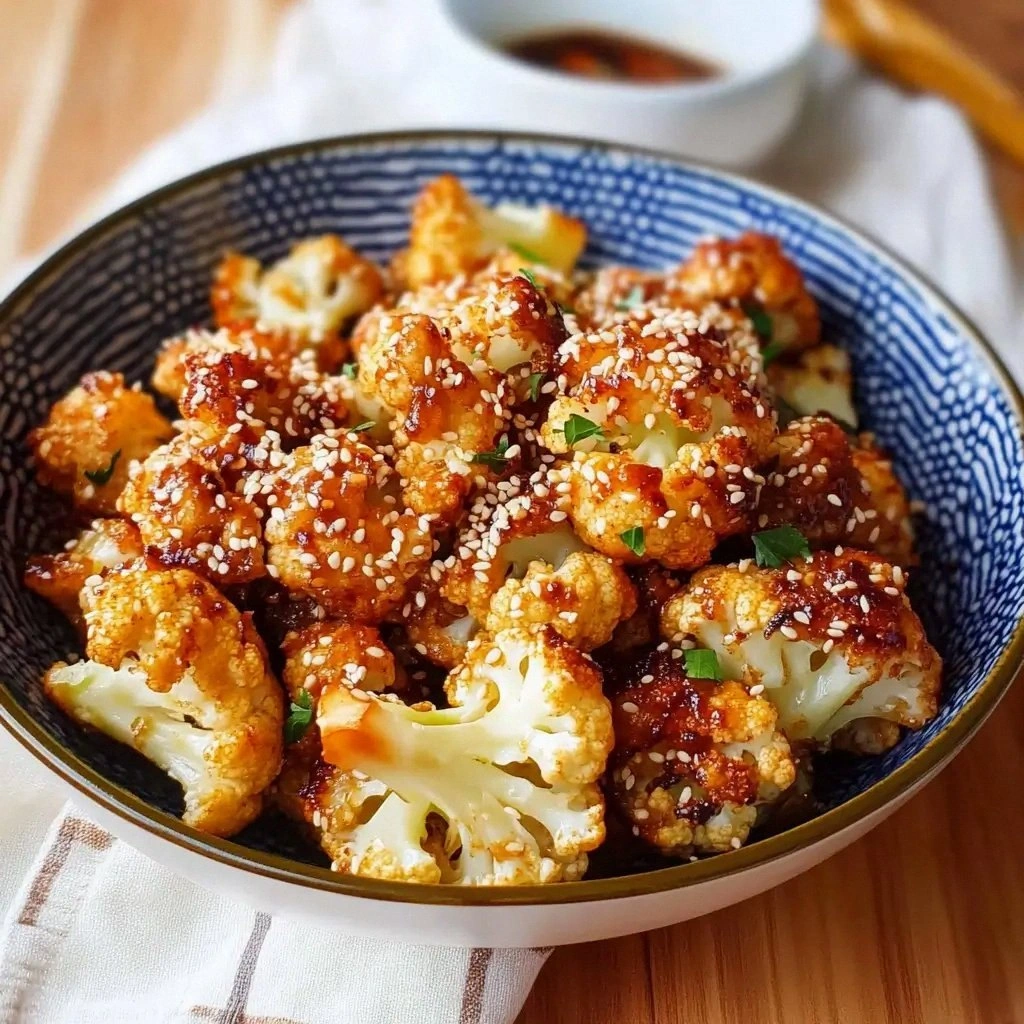
Picture this: a steaming pan, the scent of toasted sesame oil mingling with sweet honey, and the gentle hiss of caramelizing sugars. The cauliflower florets begin to brown, their edges crisping like thin ice that cracks with a satisfying snap. The sauce thickens, coating every piece like velvet, and the aroma fills the entire apartment. The sound of the sizzling batter is music to my ears, and the anticipation of tasting that glossy, savory coating is almost too much to handle.
What makes this version stand out is not just the flavors, but the precision in technique. I’ve refined the balance between sweet and umami, perfected the timing so the cauliflower stays tender inside while the exterior locks in a caramelized crunch, and added a subtle kick that elevates the dish from simple to sensational. This recipe is hands down the best version you'll ever make at home, and I dare you to taste it and not go back for seconds. The result is a dish that feels like a luxury treat but is entirely homemade.
There’s a secret ingredient that most recipes miss: a splash of rice vinegar to cut through the sweetness and add a bright, clean finish. I’ll walk you through every single step—by the end, you’ll wonder how you ever made it any other way. Let’s get started.
What Makes This Version Stand Out
- Flavor: The sauce is a harmonious blend of soy, honey, and sesame that coats the cauliflower like a glossy lacquer. The sweetness is balanced by the saltiness of soy and a bright tang from vinegar, creating a multi-layered taste profile.
- Texture: The cauliflower stays tender inside while the outside develops a caramelized, slightly crisp edge that shatters like thin ice when you bite into it.
- Simplicity: With only nine main ingredients, this dish is straightforward and quick, making it perfect for busy weeknights.
- Uniqueness: The addition of toasted sesame seeds and a touch of chili flakes gives it a depth that most cauliflower dishes lack.
- Crowd Reaction: Friends and family always ask for the recipe after tasting it, and I’ve been told it’s the best vegetarian dish they’ve ever had.
- Ingredient Quality: Using high-quality, fresh ingredients—especially a good soy sauce and real honey—makes the difference between a good and a great dish.
- Cooking Method: A single pan technique ensures maximum flavor development while keeping cleanup minimal.
- Make‑Ahead Potential: The dish can be prepared ahead of time and reheated without losing its crispness, making it ideal for meal prep.
Alright, let's break down exactly what goes into this masterpiece…
Inside the Ingredient List
The Flavor Base
Soy sauce is the backbone of this dish, providing umami depth that anchors the sweetness of honey. A quarter cup of soy sauce is enough to season the cauliflower without overpowering it. If you’re on a low‑sodium diet, opt for a reduced‑sodium version, but keep the ratio the same to preserve balance. A small pinch of salt can be added if the soy sauce is too mild.
Honey or maple syrup is the sweetener that coats the florets. Two tablespoons deliver just the right amount of sweetness, allowing the sauce to thicken into a glossy glaze. If you prefer a vegan version, replace honey with maple syrup or agave nectar, but note that maple has a slightly different flavor profile that leans more caramel-like.
Rice vinegar adds a bright acidity that cuts through the richness. One tablespoon of vinegar brightens the sauce, preventing it from feeling cloying. A splash of lemon juice can be used as a substitute if rice vinegar is unavailable, but remember to reduce the amount slightly to avoid excessive tartness.
The Texture Crew
Cauliflower florets are the star of this dish. Use about four cups of florets from one medium head. Choose florets that are uniformly sized so they cook evenly; otherwise, some will be underdone while others overcook. If you’re in a hurry, pre‑cut florets from a pre‑washed bag save time.
Cornstarch creates that silky, thickening agent that turns the sauce into a luscious coating. One tablespoon of cornstarch mixed with a splash of water forms a slurry that should be added at the last minute to prevent clumping. If you’re avoiding gluten, you can use arrowroot powder as a substitute; just stir it in the same way.
Sesame oil is the fragrant finishing touch that adds nutty undertones. One tablespoon is sufficient to give the cauliflower a subtle, aromatic lift. If you’re allergic to sesame, you can use toasted almond oil or a neutral oil like grapeseed, though the flavor will change slightly.
The Unexpected Star
Sesame seeds are more than a garnish; they contribute crunch and a nutty flavor that complements the glaze. Two tablespoons are sprinkled over the finished dish for texture and visual appeal. If you’re a fan of extra crunch, toast the seeds in a dry pan until golden before adding them.
Scallions add a fresh, oniony brightness that cuts through the richness. Two tablespoons of chopped scallions are added at the end of cooking to preserve their crispness. A pinch of chili flakes introduces a subtle heat that balances the sweetness; keep it optional if you’re sensitive to spice.
The Final Flourish
Garlic and ginger are the aromatic foundation that give the dish depth. Two minced garlic cloves and one teaspoon of grated ginger infuse the sauce with warmth and complexity. If you’re avoiding raw garlic, lightly sauté it first to mellow the sharpness.
Water is used to thin the sauce after the cornstarch slurry is added, ensuring it coats the cauliflower evenly without becoming too thick. Two tablespoons of water are sufficient; if you prefer a thicker glaze, reduce the water slightly.
Everything's prepped? Good. Let's get into the real action…
The Method — Step by Step
- Step 1: Preheat your oven to 425°F (220°C) and line a baking sheet with parchment paper. While the oven heats, toss the cauliflower florets in a bowl with one tablespoon of cornstarch, a pinch of salt, and a drizzle of sesame oil. The cornstarch creates a light coating that crisps up beautifully in the oven. This is the moment of truth—if you skip the cornstarch, you’ll miss the coveted crunch.
- Step 2: Spread the coated florets in a single layer on the prepared baking sheet, ensuring they’re not crowded. Place the sheet in the preheated oven and roast for 20 minutes, stirring halfway through. The edges should start to brown and the florets should look tender but not mushy. Keep an eye on them; the caramelization can happen quickly at this high heat.
- Step 3: While the cauliflower roasts, prepare the sauce. In a small saucepan, combine one quarter cup soy sauce, two tablespoons honey, one tablespoon rice vinegar, two minced garlic cloves, and one teaspoon grated ginger. Warm the mixture over medium heat until it just starts to bubble. This step builds the flavor foundation that will coat the florets.
- Step 4: In a separate bowl, whisk one tablespoon cornstarch with two tablespoons water to create a slurry. Slowly pour this slurry into the saucepan, stirring constantly. The sauce will thicken into a glossy glaze; it should be thick enough to coat the back of a spoon but still pourable. Taste and adjust if necessary—add a pinch of salt if you feel it needs more depth.
-
Step 5: Carefully transfer the roasted cauliflower to a large bowl. Pour the thickened sauce over the florets, tossing gently to ensure each piece is coated. The sauce should cling to the cauliflower like a velvety blanket, and the aroma should be intoxicating. Watch Out: Be careful when pouring the hot sauce; it can splatter and cause burns. Use a ladle or a small measuring cup to control the flow.
- Step 6: Sprinkle two tablespoons sesame seeds over the glazed cauliflower. Toss again to distribute the seeds evenly. The toasted seeds add a delightful crunch and a nutty aroma that elevates the dish from ordinary to extraordinary.
- Step 7: Transfer the coated cauliflower back onto the baking sheet and return it to the oven for an additional 5 minutes. This final roasting step caramelizes the glaze further, giving the dish a shiny, slightly charred finish. The aroma at this point is indescribable—like a bakery meets a street market.
- Step 8: Remove the cauliflower from the oven and let it rest for a minute. Sprinkle chopped scallions and optional chili flakes on top for brightness and a hint of heat. Serve immediately while the glaze is still warm and glossy. The dish is best enjoyed hot, but it’s also great for meal prep—just reheat it in the microwave with a splash of water to keep it moist.
That's it — you did it. But hold on, I've got a few more tricks that'll take this to another level…
Insider Tricks for Flawless Results
The Temperature Rule Nobody Follows
Many cooks keep the oven at a moderate 375°F, but this dish demands a higher heat. 425°F ensures the cauliflower browns quickly without drying out, creating that coveted caramelized crust. If you’re using a convection oven, lower the temperature by 25°F to avoid over‑browning.
Why Your Nose Knows Best
Your nose is your best judge of doneness. When the glaze starts to bubble and the edges of the cauliflower look slightly charred, you’re at the peak of flavor. If you wait too long, the glaze will harden into a brittle crust that’s hard to bite through.
The 5-Minute Rest That Changes Everything
After roasting, let the cauliflower rest for five minutes before serving. This short rest allows the sauce to set, creating a more cohesive coating. It also gives the florets a chance to cool slightly, so you don’t burn your tongue on the hot glaze.
Keep the Sauce Flowing
If your sauce is too thick, add a teaspoon of water or a splash of soy sauce to loosen it. Conversely, if it’s too thin, let it simmer for a minute longer. The key is a glossy, pourable consistency that clings to every floret.
The Sesame Seed Trick
To elevate the sesame flavor, toast the seeds in a dry skillet until golden before adding them to the dish. This simple step releases oils and intensifies the nutty aroma, turning the garnish into a flavor powerhouse.
Creative Twists and Variations
This recipe is a playground. Here are some of my favorite ways to switch things up:
Spicy Sriracha Kick
Add a tablespoon of sriracha to the sauce for a fiery punch that pairs wonderfully with the sweet glaze. The heat balances the sweetness and adds a smoky depth. Serve with a side of cool cucumber salad to cool the palate.
Coconut Curry Fusion
Replace the soy sauce with coconut aminos and add a splash of coconut milk to the sauce. The result is a creamy, tropical twist that feels like a curry. Garnish with fresh cilantro for a bright finish.
Smoky Chipotle Twist
Stir in a teaspoon of chipotle powder or a dash of chipotle adobo sauce. The smoky flavor adds depth and pairs well with the caramelized glaze. This version is great for pairing with grilled meats or tofu.
Herb-Infused Version
Add a handful of fresh thyme or rosemary to the sauce during the simmering stage. The herbaceous aroma complements the sesame and honey, creating a more complex flavor profile. This version works well as a side for roasted chicken.
Vegan Protein Boost
Top the finished dish with a sprinkle of toasted quinoa or roasted chickpeas. The extra protein makes it a satisfying main dish, while the crunchy topping adds texture. This is a great way to turn the recipe into a complete meal.
Storing and Bringing It Back to Life
Fridge Storage
Cool the cauliflower completely before placing it in an airtight container. Store in the refrigerator for up to 3 days. When ready to serve, reheat in the oven at 350°F for 10 minutes or until warmed through. The glaze may thicken slightly, so a splash of water can help restore its glossy sheen.
Freezer Friendly
Wrap the roasted cauliflower tightly in plastic wrap and place it in a freezer bag. It can be stored for up to 2 months. Thaw overnight in the refrigerator before reheating. Use the same oven method as fridge storage to revive the crispness.
Best Reheating Method
The secret to reheating without losing texture is to use a hot oven, not the microwave. Place the cauliflower on a baking sheet and bake at 350°F for 5–7 minutes. Add a tiny splash of water before covering the dish with foil to create steam, preventing the glaze from drying out. This trick keeps the cauliflower moist and the glaze glossy.