Spicy Brazilian Coconut Chicke
I was standing in the middle of my kitchen, staring at a bag of chicken thighs that had been sitting in the fridge for too long, when the urge hit me like a sudden thunderclap: a dish that would make me forget the whole week’s stress. I opened the pantry, grabbed a can of coconut milk, and imagined a sauce that would turn the ordinary into extraordinary. That night, I dared myself to blend the heat of Brazil with the silky warmth of coconut, and the result was a dish that exploded in flavor and left me gasping for more. If you’ve ever felt that your dinner routine could use a spark, you’re about to meet a recipe that will ignite your taste buds.
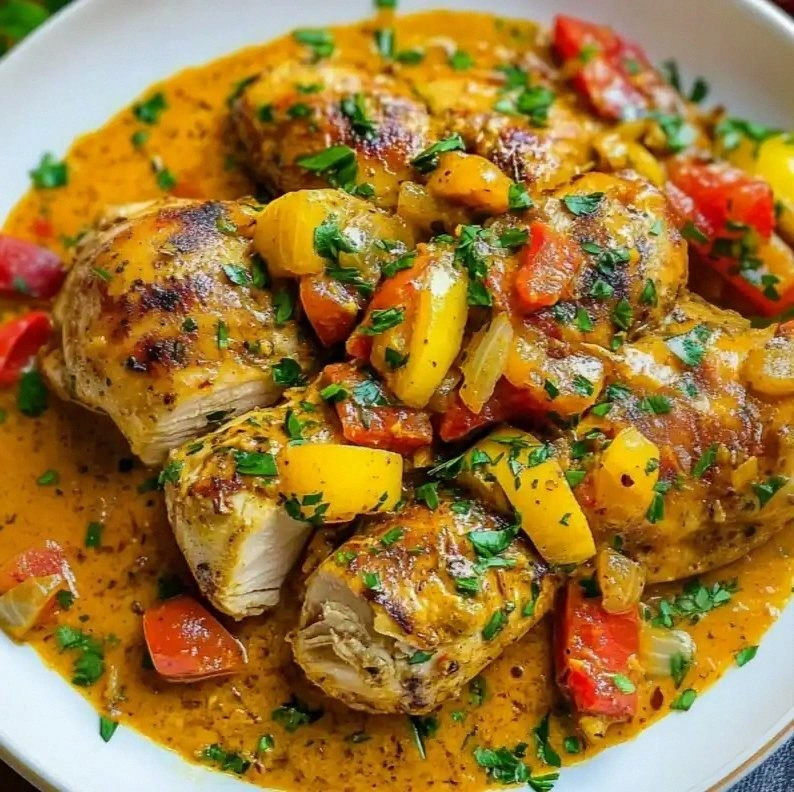
Picture the scene: a sizzling pan on the stove, the aroma of garlic and ginger mingling with the sweet scent of diced tomatoes, a splash of lime juice that cuts through the richness, and a burst of color from bell peppers that looks like a carnival on a plate. The sound of the oil crackling is the soundtrack to a culinary adventure, and the texture of tender chicken that melts in your mouth feels like a hug from a friend. I swear, the first bite was a dance of heat and creaminess that had me shouting, “I dare you to taste this and not go back for seconds!”
What sets this version apart from every other coconut chicken recipe you’ve tried is the careful orchestration of spices and the balance between heat and sweetness. The use of fresh ginger and lime juice lifts the dish, while the coconut milk provides a velvety backdrop that feels like a tropical sunset in a bowl. It’s not just about the ingredients; it’s about the technique that ensures the chicken stays juicy and the sauce doesn’t turn into a soggy mess. I’ve spent countless evenings tweaking this recipe, and the final version is hands down the best you’ll ever make at home. It’s a single pot, low‑fat, and still packs a punch.
I’ll be honest — I ate half the batch before anyone else got to try it, and even then, the leftovers were still winning. The next time you pull this dish out of the oven, the kitchen will smell incredible, and your guests will be asking for the recipe. Stay with me here, because the next part is pure magic. Let me walk you through every single step — by the end, you’ll wonder how you ever made it any other way.
What Makes This Version Stand Out
- Taste: The combination of cumin, paprika, and fresh ginger creates a flavor profile that’s both earthy and bright, setting it apart from the blandness that often plagues quick coconut chicken dishes.
- Texture: The chicken is seared to develop a caramelized crust that locks in juices, while the coconut milk provides a silky sauce that coats the meat like velvet.
- Ingredient Quality: Using boneless skinless chicken thighs instead of breasts gives the dish a richer, more robust mouthfeel that stays moist throughout.
- Heat Level: The carefully balanced chili peppers give just enough kick to excite the palate without overwhelming, making it suitable for both heat‑lovers and those who prefer a milder bite.
- Cooking Method: A single‑pot technique means less cleanup and a more concentrated flavor that’s hard to replicate with multi‑step recipes.
- Make‑Ahead Potential: The sauce can be made ahead and refrigerated, allowing you to assemble the dish in minutes on busy nights.
Alright, let’s break down exactly what goes into this masterpiece…
Inside the Ingredient List
The Flavor Base
The foundation of this dish is a fragrant medley of onion, garlic, ginger, and chili peppers. Each component adds a layer of depth: the onion brings sweetness, garlic offers pungency, ginger contributes a bright zing, and the chilies deliver a subtle heat that lingers. Together they create a symphony that wakes up the senses before the chicken even hits the pan. If you skip any of these, the sauce will feel flat and under‑developed, like a song missing its chorus.
The Texture Crew
Chicken thighs are the star of the texture crew. Their higher fat content keeps the meat moist and tender, preventing the dreaded dry chicken that plagues many quick recipes. The bell peppers add a satisfying crunch that contrasts the creamy coconut sauce, and the diced tomatoes provide a juicy burst that balances the dish’s richness. Cutting the peppers into bite‑sized pieces ensures they cook evenly and release their natural sugars, enhancing the overall flavor profile.
The Unexpected Star
Coconut milk isn’t just a garnish; it’s the heart of the sauce. Its natural sweetness and subtle nutty undertones mellow the heat from the chilies and the acidity from the lime. The full‑fat version of coconut milk gives a luxurious mouthfeel that feels indulgent without being overly heavy. If you’re watching calories, you can use light coconut milk, but be prepared for a slightly thinner sauce that will need a touch of cornstarch to thicken.
The Final Flourish
Fresh cilantro and a squeeze of lime juice finish the dish with a burst of brightness. The cilantro’s herbaceous notes cut through the richness, while the lime’s acidity adds a tangy lift that keeps the flavor profile balanced. These final touches are what make the dish feel alive and vibrant, turning a simple dinner into a memorable experience.
Everything’s prepped? Good. Let’s get into the real action…
The Method — Step by Step
- Start by heating a large skillet over medium‑high heat. Add the tablespoon of olive oil and let it shimmer. When the oil is hot but not smoking, lay the chicken thighs flat in the pan. Avoid crowding; if the pan is too full, the chicken will steam instead of sear. Let the chicken cook undisturbed for 4–5 minutes on one side until the edges start to brown and the surface turns a deep golden hue.
- Flip the chicken and sear the other side for another 4 minutes. While the chicken is resting, dice the onion, mince the garlic, and finely chop the ginger. The aroma that starts to fill the kitchen is a prelude to the flavors that will dominate the dish.
- Remove the chicken from the skillet and set it aside on a plate. In the same pan, add the onion, garlic, ginger, and sliced bell peppers. Cook, stirring frequently, until the vegetables soften and the onions become translucent, about 3 minutes. This is the moment of truth: the vegetables should emit a toasty fragrance that signals the base is ready.
- Add the ground cumin, paprika, and ground coriander to the pan. Stir them into the veggies, letting the spices toast for 30 seconds. The spices will release their oils, creating a fragrant haze that coats the vegetables. If you’re sensitive to heat, feel free to reduce the amount of chili peppers or remove the seeds entirely.
- Pour in the diced tomatoes and coconut milk, stirring to combine. Bring the mixture to a gentle simmer, then reduce the heat to low. Return the chicken thighs to the pan, nestling them into the sauce. Cover the skillet with a lid and let everything simmer together for 15 minutes. The sauce should thicken slightly and the chicken should be fully cooked through.
- Stir in the lime juice and season with salt and black pepper. Taste the sauce; it should be bright, slightly sweet, and with a balanced heat. If the sauce is too thick, add a splash of water or chicken broth to reach your desired consistency. This step is crucial for achieving that silky coat that feels like velvet on the tongue.
- Once the chicken is tender, sprinkle the fresh cilantro over the top. The cilantro will wilt slightly, releasing its aromatic oils and adding a fresh finish. Let the dish rest for 2 minutes before serving to allow the flavors to meld.
- Serve the chicken and sauce over steamed rice, quinoa, or even cauliflower rice if you’re watching carbs. Garnish with extra cilantro or a squeeze of lime for an extra pop of freshness. The final plating should look like a colorful carnival of flavors, ready to be devoured.
That’s it — you did it. But hold on, I’ve got a few more tricks that will take this to another level…
Insider Tricks for Flawless Results
The Temperature Rule Nobody Follows
Many people heat the skillet too high, causing the oil to smoke and the chicken to burn on the outside while staying raw inside. I discovered that medium‑high heat (around 375°F) gives the perfect sear without scorching. Keep a thermometer handy; once the surface reaches a golden brown, it’s time to flip.
Why Your Nose Knows Best
When you’re cooking, trust your sense of smell. If the aromatics start to smell burnt, reduce the heat or remove the pan from the stove for a moment. A burnt aroma is a warning sign that the oil has reached its smoke point.
The 5-Minute Rest That Changes Everything
After removing the chicken from the skillet, let it rest for 5 minutes before cutting into it. This allows the juices to redistribute, ensuring each bite is moist and flavorful. A friend tried cutting straight away once, and the result was a dry, disappointing texture.
Layering Spices for Depth
Add the cumin and paprika to the vegetables after they’ve softened, not at the very beginning. This timing allows the spices to bloom without burning, giving the dish a richer, more complex flavor profile.
Finishing with Fresh Herbs
Stir the cilantro in just before serving. This preserves the bright, green color and the herb’s delicate flavor, preventing it from wilting too early and losing its vibrancy.
Creative Twists and Variations
This recipe is a playground. Here are some of my favorite ways to switch things up:
Jamaican Jerk Chicken
Swap the cumin and paprika for a jerk seasoning blend and add a splash of orange juice. The result is a Caribbean‑inspired dish with a smoky, citrusy kick that pairs wonderfully with coconut milk.
Vegetarian Coconut Curry
Replace the chicken with cubed tofu or tempeh. The tofu will absorb the sauce, creating a protein‑rich, plant‑based version that’s just as satisfying.
Low‑Carb Coconut Chicken
Serve the dish over cauliflower rice instead of regular rice. The cauliflower’s subtle flavor complements the coconut without adding extra carbs.
Spicy Pineapple Twist
Add a cup of diced fresh pineapple during step 5. The sweetness balances the heat, giving the sauce a tropical, caramelized edge.
Herb‑Infused Coconut Chicken
Finish the dish with a handful of fresh basil or mint instead of cilantro. The herbs will introduce a new layer of freshness that pairs well with the coconut base.
Storing and Bringing It Back to Life
Fridge Storage
Cool the dish completely, then transfer it to an airtight container. Store in the refrigerator for up to 3 days. The coconut milk will separate slightly, but this only improves the texture when reheated.
Freezer Friendly
For longer storage, freeze the dish in freezer‑safe containers for up to 2 months. Thaw overnight in the refrigerator before reheating. The sauce may thin out, but a quick stir or a splash of water will restore its original consistency.
Best Reheating Method
Reheat on the stove over low heat, stirring occasionally, until the dish reaches 165°F (74°C). Add a tiny splash of water or coconut milk to keep the sauce moist. Avoid microwaving, as it can cause the coconut to separate and the texture to become uneven.