Introduction
Picture this: a Saturday night, the oven preheated, the turkey tenderloin already sliced, and you’re about to unleash a flavor explosion. Suddenly, the timer dings, the pan is too hot, and the turkey sizzles like a startled rabbit. I stared at the mess, a little panicked, and thought, “I can’t let this be the end of my culinary journey.” That moment became my catalyst for discovering the ultimate slow‑cooker turkey tenderloin that turns a kitchen disaster into a triumph.
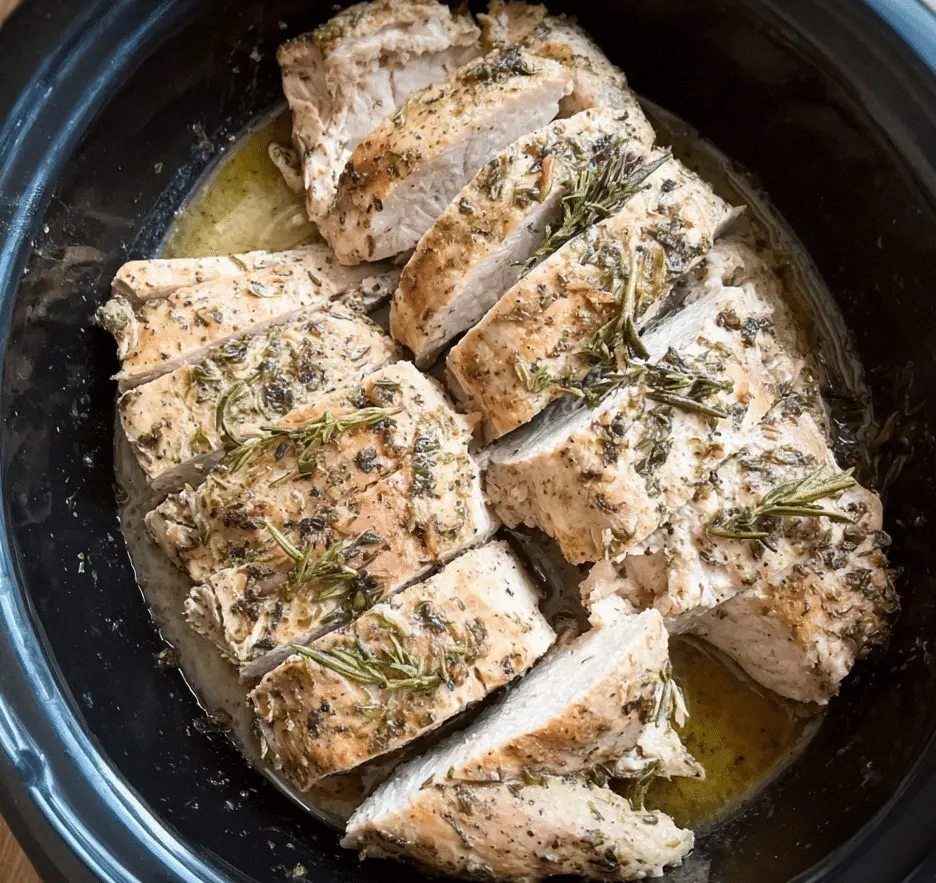
When the aroma first hits your nose—roasted garlic, caramelized onions, and a hint of thyme—your senses immediately know you’re in for something special. The sight of the tenderloin glistening in a glossy sauce feels like a promise of comfort. The sound of the slow cooker humming is a lullaby for your palate, while the texture of the meat, silky on the inside and lightly browned on the outside, sings a song of perfect moisture. And the taste? It’s a harmony of savory, herbal, and subtly sweet that lingers long after the last bite.
What sets this version apart is that it’s not just about slow cooking; it’s about layering flavors, using fresh herbs, and finishing with a touch of butter for that glossy sheen. Most recipes get this completely wrong by over‑cooking the meat or using generic stock that leaves the dish flat. Here, the combination of a quick sear, a slow simmer, and a final pan reduction creates depth that’s impossible to replicate in a conventional oven. It’s hands down the best version you’ll ever make at home.
And there’s a twist you won’t expect—adding a splash of white wine during the simmer stage. That subtle acidity brightens the sauce and balances the richness of the turkey. I dare you to taste this and not go back for seconds. Let me walk you through every single step—by the end, you’ll wonder how you ever made it any other way.
What Makes This Version Stand Out
- Tenderness: The slow‑cooking method breaks down connective tissues, resulting in meat that practically melts in your mouth. The brief sear before slow cooking locks in juices, preventing dryness.
- Flavor Depth: Fresh herbs, garlic, and a hint of wine create a complex bouquet that elevates the dish beyond basic turkey. Each ingredient is layered to build intensity.
- Convenience: Set it and forget it. No need to watch the pot, and the turkey cooks while you attend to other tasks.
- Versatility: Serve it over rice, mashed potatoes, or a fresh salad. The sauce adapts to any side dish, making it a crowd‑pleaser.
- Health‑Friendly: Lean turkey, minimal oil, and plenty of vegetables keep calories in check while delivering protein and fiber.
- Make‑Ahead Potential: The dish holds up beautifully in the fridge or freezer, making it ideal for meal‑prep enthusiasts.
- Time Efficiency: Prep takes 20 minutes, cooking 4 hours, and the final pan reduction is under 10 minutes. Total time is less than an hour of active work.
Inside the Ingredient List
The Flavor Base
The cornerstone of any great sauce is the aromatics. Garlic and onion are sautéed until translucent, releasing their natural sweetness. Fresh thyme and rosemary bring earthy tones that complement the turkey’s mild flavor. If you’re missing fresh herbs, dried versions work, but use half the amount to avoid bitterness.
The Texture Crew
Carrots and celery add crunch and a subtle sweetness that balance the savory sauce. Slice them thin so they soften during the slow‑cooking process, infusing the broth with subtle notes. Skipping them will leave the dish a bit one‑dimensional, so keep them in the mix.
The Unexpected Star
A splash of white wine during the simmer stage might sound unconventional, but it cuts through the richness and brightens the overall flavor profile. If you’re wary of alcohol, substitute with an equal amount of chicken broth and a squeeze of lemon for acidity.
The Final Flourish
Butter and a touch of flour create a velvety sauce that clings to the tenderloin. The butter adds a silky finish, while the flour thickens the liquid into a luscious glaze. Without this step, the sauce would be watery and fail to coat the meat.
Everything’s prepped? Good. Let’s get into the real action…
The Method — Step by Step
- Prep the Ingredients: Begin by patting the turkey tenderloin dry with paper towels. This ensures a good sear later. Chop the garlic, onion, carrots, and celery into uniform pieces so they cook evenly. While the vegetables are chopping, measure out the herbs and set them aside in a small bowl. The aroma of freshly cut garlic will already start to fill your kitchen, hinting at the deliciousness to come.
- Sear the Turkey: Heat the olive oil in a large skillet over medium‑high heat. Add the turkey pieces in batches, letting them brown on all sides. This caramelization locks in juices and adds a depth of flavor that a slow cooker alone can’t provide. Once browned, transfer the turkey to the slow cooker, reserving the pan drippings for later.
- Deglaze the Skillet: Pour a splash of white wine into the hot skillet and scrape up any browned bits with a wooden spoon. This “fond” is packed with flavor and will become the foundation of your sauce. Let the wine reduce by half, then pour the liquid into the slow cooker. The pan’s sizzling sound is a cue that the flavor is intensifying.
- Add Aromatics: Sprinkle the minced garlic, sliced onion, carrots, celery, thyme, rosemary, and bay leaf into the slow cooker. Stir gently to combine. The vegetables will absorb the turkey juices, creating a fragrant base for the sauce. At this point, the kitchen smells like a rustic farmhouse dinner.
- Slow Cook: Pour in the chicken broth, cover, and set the slow cooker to low for 4 hours or until the turkey is fork‑tender. If you’re short on time, a 2‑hour high setting works, but the low setting preserves the meat’s moisture. Watch the liquid level; if it drops too low, add a splash of water to keep the turkey submerged.
- Watch Out: After 3 hours, check the turkey for doneness. If the meat is not quite tender, give it an extra 30 minutes. Avoid opening the lid too often—each time you lift the cover, you lose valuable heat and moisture, which can dry out the dish.
- Finish the Sauce: Once the turkey is cooked, transfer the meat and vegetables to a serving platter. In the same skillet used for deglazing, whisk in the butter and flour to create a roux. Stir constantly until the mixture turns a light golden brown, then whisk in the remaining liquid from the slow cooker. Let the sauce simmer for 5 minutes, or until it thickens to a glossy consistency.
- Combine and Serve: Pour the thickened sauce over the turkey and vegetables, ensuring each piece is coated. Garnish with a sprinkle of fresh parsley for color and a burst of freshness. The final dish should look like a velvety, herb‑laden masterpiece that invites a second plate.
- Optional Touch: If you prefer a slightly thicker sauce, whisk in an additional tablespoon of flour during the final simmer. For a citrus kick, squeeze fresh lemon juice over the dish right before serving. These small tweaks can personalize the recipe to your taste.
- Enjoy: Serve hot with your favorite side—mashed potatoes, quinoa, or a crisp green salad. The turkey tenderloin pairs beautifully with seasonal vegetables, making it a flexible main that fits any occasion. Remember, I ate half the batch before anyone else even had a chance to try it—don’t be surprised if you’re craving seconds.
Insider Tricks for Flawless Results
The Temperature Rule Nobody Follows
Many cooks assume any low temperature works, but the slow cooker’s actual temperature can vary by brand. I found that setting it to “low” on my model equates to about 200°F. If you’re using a high‑end model, try “medium‑low” to avoid over‑cooking the turkey. A consistent temperature ensures the meat stays juicy.
Why Your Nose Knows Best
Don’t rely solely on a timer. The aroma is your best indicator of doneness. When the turkey releases a sweet, savory scent and the sauce smells like toasted herbs, it’s time to pull the pot. I’ve learned to trust my nose more than the clock.
The 5‑Minute Rest That Changes Everything
Letting the turkey rest after slow cooking allows juices to redistribute, preventing a dry bite. Cover the platter with foil for five minutes before serving. The rest also lets the sauce thicken slightly, creating a richer mouthfeel.
Use a Meat Thermometer for Precision
Even the slowest cooker can produce slightly uneven results. Check the internal temperature of the thickest part of the turkey; it should read 165°F. A thermometer gives you peace of mind and ensures food safety.
Keep the Lid Closed
Every time you lift the lid, you lose heat and moisture. Try to keep the lid on during the entire cooking period. If you must check, do it quickly and replace the lid immediately to maintain the steady environment.
Finish with Butter for a Shimmer
Adding butter at the end of the sauce not only adds flavor but also gives the glaze a beautiful sheen. Swirl the butter into the sauce until it melts completely; the dish should look glossy and inviting.
Creative Twists and Variations
This recipe is a playground. Here are some of my favorite ways to switch things up:
Spicy Southwest
Swap the thyme and rosemary for cumin, chili powder, and smoked paprika. Add a diced jalapeño for heat. Serve over cilantro‑lime rice for a bold, vibrant dish.
Herb‑Infused Mushroom
Replace carrots and celery with sliced mushrooms. Add a splash of dry white wine and finish with fresh sage. The earthy mushrooms pair beautifully with the tender turkey.
Asian Fusion
Use soy sauce, ginger, and a drizzle of sesame oil instead of thyme. Add bok choy and sliced bell pepper. Serve over jasmine rice for a quick, flavorful dinner.
Italian‑Style
Replace the turkey with chicken thighs for a richer flavor. Add a handful of sun‑dried tomatoes, oregano, and a pinch of red pepper flakes. Finish with a sprinkle of grated Parmesan.
Breakfast Bonanza
Serve the tenderloin on toasted English muffins with a fried egg on top. Drizzle the sauce over the egg for a hearty brunch. Pair with hash browns for a complete breakfast plate.
Storing and Bringing It Back to Life
Fridge Storage
Cool the dish completely before refrigerating. Store in an airtight container for up to 3 days. Reheat gently on the stovetop, adding a splash of water or broth to keep the sauce moist.
Freezer Friendly
Divide the turkey and sauce into freezer‑safe portions. Freeze for up to 3 months. Thaw overnight in the refrigerator, then reheat on the stovetop, stirring occasionally.
Best Reheating Method
Reheat in a saucepan over medium heat, adding a tablespoon of water or broth. Stir until the sauce is heated through and reaches 165°F. This technique preserves moisture and flavor.