Ever had a kitchen disaster so epic that it turned into a culinary revelation? I was halfway through a batch of over‑steamed pancakes, the syrup had turned to a caramelized mess, and my friend dared me to make the “most ridiculous French toast.” I laughed, grabbed a loaf of day‑old bread, and decided the slow cooker could be the savior. The result? A fluffy, custard‑like casserole that melts in your mouth like a sunrise. The aroma that filled the kitchen was a sweet, buttery perfume that made the whole house feel like a cozy bakery. I couldn’t stop staring at the golden, crackling edges that looked like sunrise‑kissed toast.
Picture yourself pulling this out of the slow cooker on a lazy Sunday morning, the kitchen smelling like vanilla and cinnamon, the table already set with a plate of warm, gooey French toast casse. The first bite is a burst of custard that coats your tongue with a silky texture, followed by the crunch of toasted bread that feels like a soft, buttery cloud. The whole dish is a symphony of flavors—sweet, slightly spiced, with a hint of maple syrup that lingers like a sweet after‑taste. I dare you to taste this and not go back for seconds; the texture alone will keep you coming back for more.
Most recipes get this completely wrong by using a pan or a skillet, leaving you with unevenly cooked pieces that are either too dry or soggy. What makes this version stand out is the slow cooker’s gentle, even heat that allows the bread to soak up the custard slowly, resulting in a uniform, tender interior and a slightly caramelized crust. The addition of heavy cream and maple syrup in the custard base adds a silky richness that regular milk can’t match. And the secret? A splash of lemon zest that brightens the entire dish without overpowering the sweet notes.
If you’re wondering why this recipe is the best version you’ll ever make at home, it’s because it turns a humble loaf of bread into a show‑stopper, with minimal prep and maximum flavor. The slow cooker does all the heavy lifting, so you can spend your time sipping coffee, catching up on a favorite show, or simply relaxing while the magic happens. By the end, you’ll have a dish that feels like a holiday treat but is perfect for any day of the week. Let me walk you through every single step — by the end, you’ll wonder how you ever made it any other way.
What Makes This Version Stand Out
- Texture: The slow cooker creates a custard that is silky inside and lightly crisp on top, a contrast that feels like a velvet‑coated crunch.
- Flavor: A blend of vanilla, cinnamon, nutmeg, and maple syrup delivers a layered, warm taste that feels like a hug.
- Simplicity: No more flipping, no more pan‑frying, just set it and forget it.
- Uniqueness: The inclusion of heavy cream and lemon zest gives it a depth that regular French toast never reaches.
- Crowd Reaction: Friends rave that it tastes like a bakery‑level breakfast, and kids love the sweet custard.
- Ingredient Quality: Using day‑old bread and fresh eggs ensures maximum absorption and flavor.
- Cooking Method: Slow cooking keeps the dish moist and tender, unlike stovetop versions that can dry out.
- Make‑Ahead Potential: The casserole can be pre‑made and refrigerated, then reheated in minutes.
Alright, let's break down exactly what goes into this masterpiece. The ingredients are simple, but each one plays a crucial role in achieving that perfect balance of sweet, buttery, and slightly spiced.
Inside the Ingredient List
The Bread Base
The foundation of any great French toast is the bread, and here we use day‑old bread that has already begun to dry out. The dryness allows the bread cubes to absorb the custard more efficiently, preventing a soggy mess. If you’re stuck with fresh bread, let it sit out for an hour or two before cubing to achieve the same effect. Skipping this step will leave you with unevenly cooked pieces that feel more like a pancake than toast.
The Custard Crew
Eggs are the binder that turns the bread into a cohesive casserole. Whole milk and heavy cream give the custard a silky mouthfeel that feels like a cloud. Vanilla extract adds a sweet, aromatic depth, while cinnamon and nutmeg bring warm, spicy undertones that dance on the palate. Salt balances the sweetness, and a splash of lemon zest brightens the overall profile, cutting through the richness.
The Sweet Finish
Powdered sugar and brown sugar sweeten the custard, while maple syrup is reserved for serving, adding a natural, caramel-like finish that pairs beautifully with the warm spices. Butter, melted and folded into the custard, creates a glossy sheen on top and enhances the buttery flavor profile. A pinch of salt is essential to bring out the flavors and prevent the dish from tasting flat.
The Final Flourish
A sprinkle of powdered sugar on top before serving adds a light, sweet crunch, while a drizzle of maple syrup gives that classic French toast finish. Fresh herbs like mint or basil are optional but can add a surprising herbal note that pairs well with the sweetness. If you prefer a vegan version, replace eggs with flaxseed or chia seed “eggs” and use plant‑based milk.
Everything's prepped? Good. Let's get into the real action. The slow cooker will do the heavy lifting, so you can focus on the fun parts.
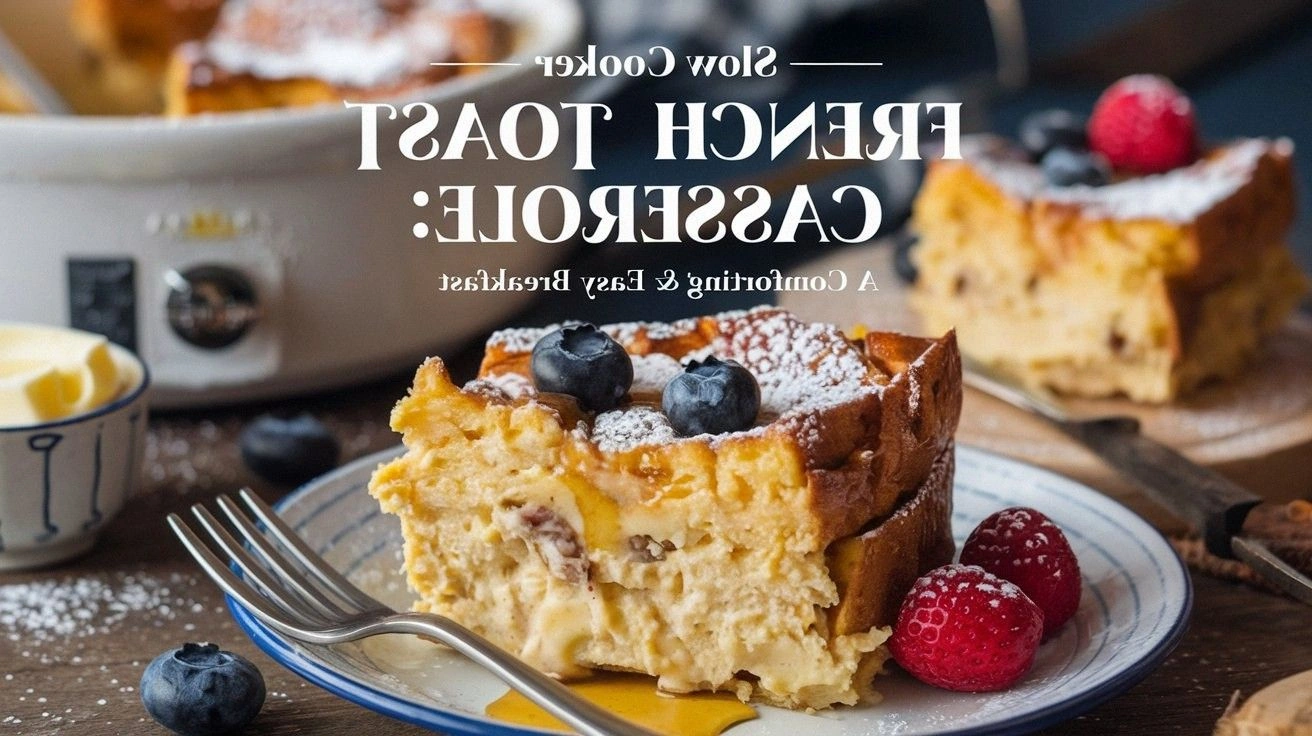
The Method — Step by Step
- Start by cubing your day‑old bread into 1‑inch pieces. Toss the cubes in a large bowl with a pinch of salt to ensure even seasoning. The salt will help the bread absorb the custard more uniformly. I swear the aroma of the salt on the bread is a subtle prelude to the rich flavors to come.
- In a separate mixing bowl, whisk together the eggs, milk, heavy cream, vanilla, cinnamon, nutmeg, and lemon zest until fully blended. The mixture should be smooth, with no lumps of vanilla or spice. This custard is the heart of the dish; don’t rush this step. A well‑mixed custard ensures a creamy, even coating on every bread cube.
- Pour the custard over the bread cubes, tossing gently to coat each piece thoroughly. Let the mixture sit for 10 minutes; this allows the bread to soak up the flavors. The bread should look damp but not soggy, like a sponge ready to absorb a bath of custard. This step is crucial for achieving that tender interior.
- Transfer the soaked bread and custard mixture into a greased slow cooker insert. Spread it out evenly to ensure even cooking. Sprinkle the melted butter over the top; the butter will create a glossy crust as it melts during the slow cooking process.
- Cover the slow cooker and set it on low for 3 hours. The low heat allows the custard to set gently, preventing the bread from drying out or forming a hard crust. After 3 hours, check the texture: the custard should be set but still moist, and the edges should be lightly golden.
- Once the cooking time is complete, remove the lid and sprinkle powdered sugar over the top. This adds a subtle sweetness and a light crunch. Let it sit for 5 minutes so the sugar can melt slightly into the warm custard.
- Serve immediately with a drizzle of maple syrup and optional fresh berries or whipped cream for extra indulgence. The warm custard will cling to the syrup, creating a luscious, sweet glaze that feels like a dessert.
- If you’re prepping ahead, let the casserole cool completely, then cover and refrigerate for up to 24 hours. Reheat in the oven at 350°F for 10 minutes or in the microwave for 2 minutes to bring back the warmth.
That's it — you did it. But hold on, I've got a few more tricks that'll take this to another level. The slow cooker is a powerful tool, and a few small tweaks can elevate the dish from good to legendary.
Insider Tricks for Flawless Results
The Temperature Rule Nobody Follows
Slow cookers vary in heat output, so always start on low and check after 2.5 hours. If the custard seems too thick, add a splash of milk to loosen it. If it’s still too runny after 3 hours, let it continue for another 30 minutes. This rule ensures you never end up with a watery or over‑cooked casserole.
Why Your Nose Knows Best
Smell is your best judge of doneness. A warm, sweet aroma with a hint of caramel indicates the custard is set. If you detect a sharp, raw egg smell, it’s still cooking. Trust your nose, not the clock.
The 5‑Minute Rest That Changes Everything
After removing the casserole from the slow cooker, let it rest for 5 minutes. This allows the custard to set further, making it easier to slice and serve. It also lets the butter melt into the top, creating a glossy finish.
The Secret Spice Blend
Add a pinch of ground cloves or a splash of orange zest to the custard for a subtle citrusy note. This twist turns the dish into a holiday treat without the extra effort.
The Quick Clean‑Up Trick
After cooking, pour the remaining custard into a saucepan and simmer until thickened. Use this thickened mixture as a sauce for pancakes or waffles. It’s a great way to reduce waste and get more flavor out of your ingredients.
Creative Twists and Variations
This recipe is a playground. Here are some of my favorite ways to switch things up:
Berry Burst Edition
Fold fresh blueberries or raspberries into the custard before cooking. The berries release juice that infuses the bread with a natural, fruity sweetness. Serve with a dollop of Greek yogurt for a balanced breakfast.
Nutty Crunch Variation
Sprinkle chopped pecans or walnuts on top before serving. The nuts add a delightful crunch and a nutty flavor that pairs well with the maple glaze. A light dusting of cinnamon sugar on the nuts enhances the overall sweetness.
Savory Spin
Replace the powdered sugar with grated parmesan and add a pinch of black pepper. The savory version is a great side dish for a brunch featuring eggs and bacon. The creaminess of the custard balances the saltiness of the cheese.
Vegan Delight
Swap eggs for flaxseed “eggs” (1 tbsp flaxseed meal + 3 tbsp water) and use plant‑based milk. Replace butter with coconut oil. The result is a creamy, plant‑based casserole that still delivers on flavor.
Holiday Spice
Add a splash of orange liqueur and a pinch of ground cloves to the custard. The warm, citrusy notes make it perfect for Thanksgiving or Christmas breakfast.
Coffee‑Infused Twist
Stir a tablespoon of instant coffee into the custard for a mocha flavor. The coffee complements the maple syrup and adds depth to the dish. This variation works great with chocolate chips or a drizzle of chocolate sauce.
Storing and Bringing It Back to Life
Fridge Storage
Cool the casserole completely, then cover with plastic wrap and refrigerate for up to 24 hours. When ready to serve, reheat in a preheated oven at 350°F for 10 minutes or in a microwave for 2 minutes. The custard will stay moist and flavorful.
Freezer Friendly
Wrap the casserole tightly in foil and freeze for up to 2 weeks. Thaw overnight in the refrigerator, then reheat in the oven as described above. This is perfect for meal‑prep lovers.
Best Reheating Method
Add a splash of milk or cream before reheating to restore moisture. The liquid will steam the custard, making it tender again. A quick oven bake or a gentle microwave heat works best; avoid high heat to keep the texture from becoming rubbery.