Picture this: you’re standing over a simmering pot, the kitchen filled with the intoxicating perfume of caramelized garlic, ginger, and a whisper of smoky beef, and suddenly you realize you’ve forgotten the very thing that sparked this culinary adventure—a midnight craving for Korean street food that refused to be ignored. I was in that exact spot, half‑asleep, with a pantry that looked like a scavenger hunt and a craving that felt like a dare from a friend who claimed, “If you can’t handle the heat, stay out of the kitchen.” The result? A slow‑cooker masterpiece that turned my modest apartment into a bustling Seoul night market, complete with sizzling aromas that made the whole building wonder what on earth was cooking.
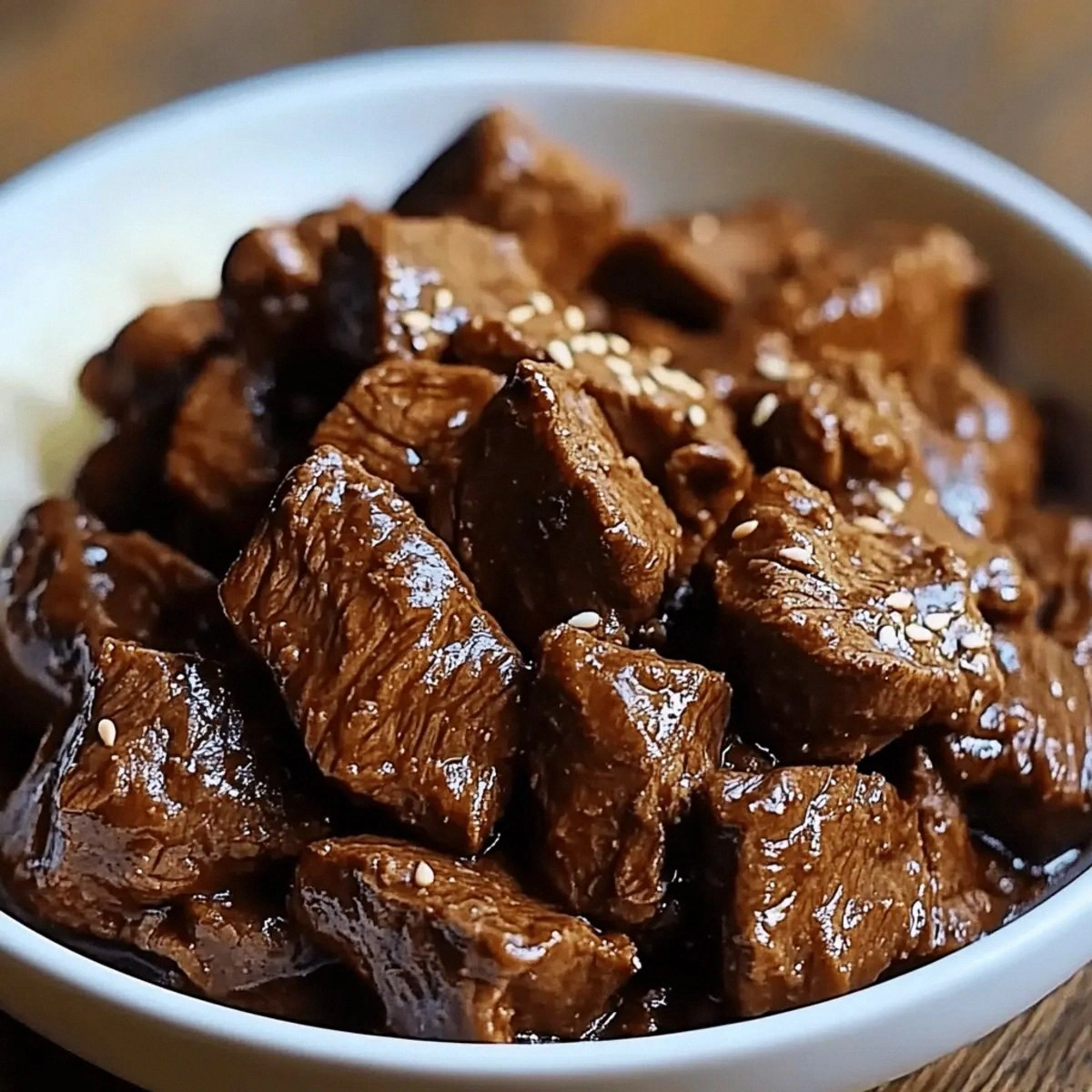
The first bite was a revelation: the beef was so tender it practically melted against the roof of my mouth, while the sauce clung to each morsel like a glossy, sweet‑savory glaze that begged for a second helping. I dare you to taste this and not go back for seconds—honestly, I ate half the batch before anyone else could even get a forkful, and I’m not even sorry. Most recipes get this completely wrong, either by overcooking the meat or by drowning it in a watery broth that never reaches that perfect, umami‑rich thickness. This version, however, balances the bold punch of soy and chili with the subtle acidity of rice wine vinegar, creating a harmony that feels like a perfectly tuned orchestra of flavors.
What truly sets this dish apart is a secret technique I stumbled upon while watching a Korean cooking show: a quick sear on the chuck beef before it meets the slow cooker, followed by a brief deglaze in the same pan to capture every caramelized fragment. That little extra step transforms the sauce from “good” to “hands down the best version you’ll ever make at home.” And just when you think you’ve seen every twist, I’ll throw in a splash of sesame oil at the very end, adding a nutty finish that sings louder than a K‑pop chorus. Ready for the game‑changer? Let me walk you through every single step — by the end, you’ll wonder how you ever made it any other way.
What Makes This Version Stand Out
- Flavor Explosion: The combination of soy, ginger, and garlic creates a deep, layered taste that builds with each bite, delivering that addictive Korean umami punch.
- Silky Texture: Slow‑cooked chuck becomes melt‑in‑your‑mouth tender, while the cornstarch slurry gives the sauce a glossy, velvety coat that clings to the meat like a second skin.
- Simplicity: With just a handful of pantry staples and a slow cooker, you can set it and forget it, making dinner effortless even on the busiest weeknights.
- Unique Twist: The final drizzle of sesame oil adds a nutty aroma that elevates the dish from everyday comfort food to a restaurant‑quality experience.
- Crowd Reaction: Expect applause at the table; kids love the mild heat, and adults appreciate the sophisticated balance of sweet, salty, and spicy.
- Ingredient Quality: Using a well‑marbled chuck ensures the meat stays juicy, while quality soy sauce and rice wine vinegar keep the flavor authentic.
- Cooking Method: The sear‑then‑slow‑cook technique locks in juices and creates a rich fond that becomes the backbone of the sauce.
- Make‑Ahead Potential: This dish improves after a night in the fridge, allowing flavors to meld even deeper for next‑day lunches.
Inside the Ingredient List
The Flavor Base
First up, the aromatic trio of onion, garlic, and ginger. The onion provides a sweet, caramelized backbone, while garlic delivers that unmistakable punch that makes Korean dishes instantly recognizable. Ginger adds a zingy brightness that cuts through the richness of the beef, preventing the sauce from feeling heavy. If you skip any of these, you’ll lose the depth that makes the sauce sing; a simple substitution like powdered garlic won’t give you the same aromatic complexity.
The Texture Crew
Chuck beef is the star of the show, chosen for its marbling and connective tissue that break down beautifully over low heat, yielding that melt‑in‑your‑mouth texture. The cornstarch slurry is the secret weapon for a glossy finish—without it, the sauce would be thin and lack that restaurant‑style sheen. If you’re gluten‑free, swap cornstarch for arrowroot powder; just remember it thickens faster, so add it at the very end.
The Unexpected Star
Rice wine vinegar may seem like a supporting actor, but its acidity balances the salty soy and sweet brown sugar, preventing the dish from becoming cloying. Sesame oil, added at the end, brings a nutty aroma that lifts the entire profile, making each bite feel fresh even after hours of cooking. A dash of red chili flakes introduces a subtle heat that’s present but never overwhelming—perfect for family meals where not everyone tolerates spice.
The Final Flourish
Beef stock acts as the liquid canvas, enriching the sauce with meaty depth that water alone could never achieve. Brown sugar adds a caramel sweetness that rounds out the salty and acidic notes, creating a harmonious flavor loop. Finally, a pinch of salt (to taste) can be adjusted at the end of cooking—always taste before you season, because the soy sauce already brings a generous amount of saltiness.
Everything's prepped? Good. Let’s get into the real action…
The Method — Step by Step
Start by cutting the chuck beef into bite‑size cubes, roughly one‑and‑a‑half inches each. Toss the pieces lightly with a pinch of salt and pepper, then heat a large skillet over medium‑high heat. Add a splash of sesame oil and sear the beef in batches, allowing each side to develop a deep, caramelized crust—this should take about 2‑3 minutes per side. The goal is to achieve that Maillard reaction, which locks in juices and creates the flavorful fond that will later become the sauce’s backbone.
While the beef rests, finely dice the onion and mince the garlic and ginger. In the same skillet, add a bit more sesame oil if needed and sauté the aromatics over medium heat. You’ll hear a gentle sizzle, and the onions will turn translucent, releasing a sweet perfume that fills the kitchen. That sizzle when it hits the pan? Absolute perfection. Once the mixture is fragrant, deglaze the pan with the rice wine vinegar, scraping up every browned bit from the bottom.
Kitchen Hack: Use a wooden spoon to loosen the fond; it’s the flavor goldmine you don’t want to waste.Now it’s time to build the sauce. Add the soy sauce, brown sugar, red chili flakes, and beef stock to the skillet, stirring until the sugar dissolves completely. Let the mixture come to a gentle boil, then reduce the heat and let it simmer for about five minutes. You’ll notice the sauce thickening slightly and the aromas melding into a cohesive, glossy liquid.
Transfer the seared beef and the aromatic sauce into the slow cooker. Give everything a good stir to ensure the meat is fully coated. If you’re using a 6‑quart slow cooker, this will fill it about three‑quarters full, which is ideal for even cooking. Cover the lid tightly; the slow cooker will work its magic without any need for additional stirring.
Set the slow cooker to low and let the beef cook for 6‑8 hours. This is the part where patience pays off: the connective tissue in the chuck breaks down, turning tough muscle fibers into silky strands. This next part? Pure magic. If you’re short on time, you can switch to high for 3‑4 hours, but low is the secret to that melt‑in‑your‑mouth texture that makes people swoon.
Watch Out: Overcooking on high can cause the meat to dry out; keep an eye on the timer and resist the urge to peek too often.When the cooking time is up, it’s time to thicken the sauce. In a small bowl, whisk together the cornstarch and water until smooth—this is your slurry. Stir the slurry into the slow cooker, then turn the heat to high for about 15 minutes, or until the sauce reaches a glossy, coat‑the‑beef consistency. Watch for the sauce to bubble gently; that’s your cue that the thickening is happening.
Kitchen Hack: If the sauce gets too thick, whisk in a splash more beef stock or water; you can always thin it, but you can’t thicken it once it’s over‑reduced.Finish the dish with a final drizzle of sesame oil, stirring gently to incorporate the nutty fragrance throughout. This step is crucial; the oil doesn’t just add flavor—it also gives the sauce a luxurious sheen that makes it look as good as it tastes. Taste and adjust salt or a pinch more chili flakes if you like extra heat. Remember, the sauce should taste balanced: sweet, salty, tangy, and just a hint of spice.
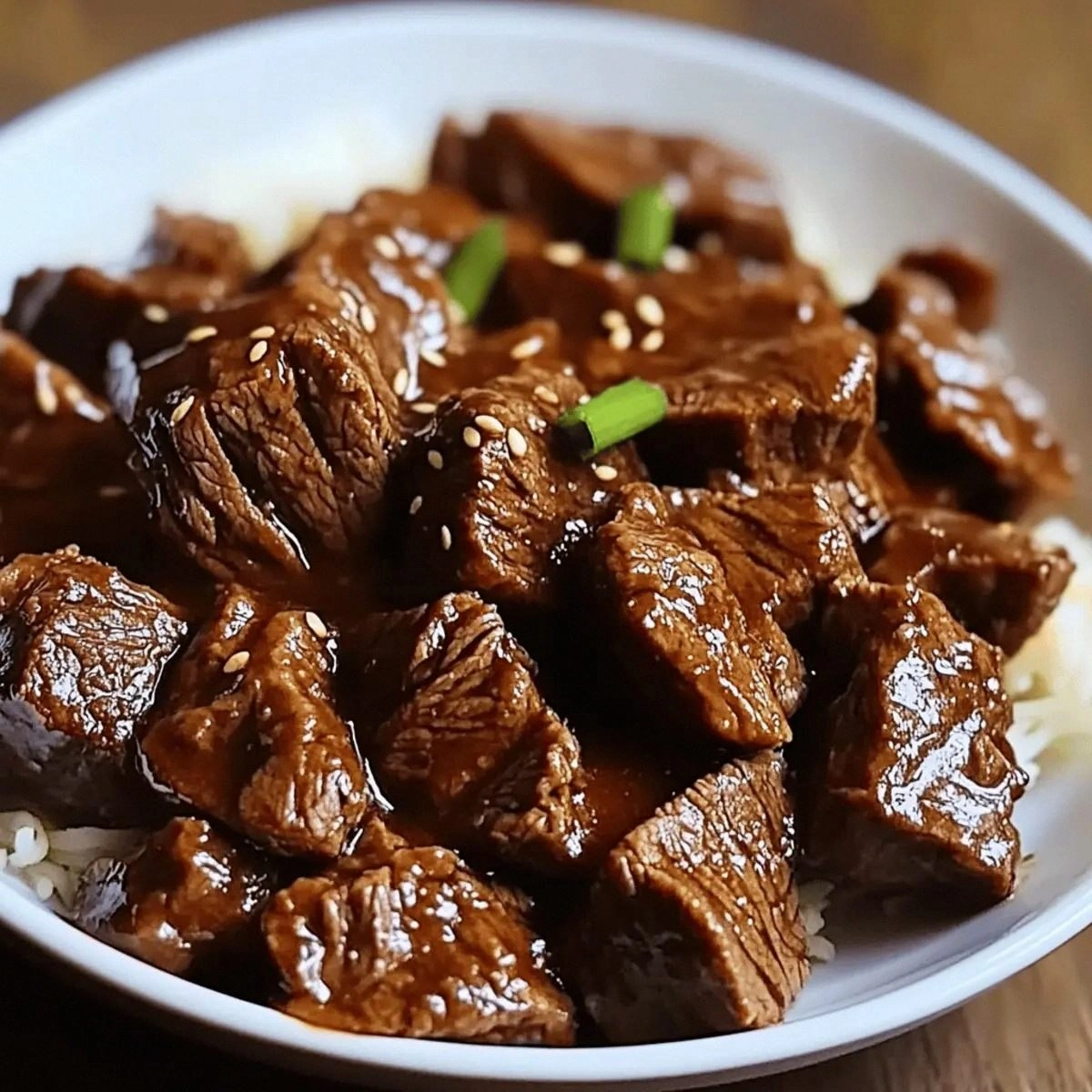
Serve the Korean beef over steamed rice, cauliflower rice, or even buttery noodles. Garnish with sliced green onions, toasted sesame seeds, and a side of kimchi for that authentic Korean touch. The beef should be so tender that it practically falls apart when you stir it, and the sauce should cling to each grain like a silky veil. Picture yourself pulling this out of the slow cooker, the whole kitchen smelling incredible, and the family gathering around the table, eyes wide with anticipation.
That’s it — you did it. But hold on, I’ve got a few more tricks that’ll take this to another level, from making it ahead for meal prep to turning leftovers into a sensational fried rice. Stay with me here — this is worth it.
Insider Tricks for Flawless Results
The Temperature Rule Nobody Follows
Never, ever rush the low‑heat phase. The slow cooker’s low setting hovers around 190°F (88°C), which is perfect for breaking down collagen without evaporating the liquid. If you crank up the heat, you’ll lose that melt‑in‑your‑mouth texture and end up with meat that feels more “chewy” than “tender.” Trust the process, and you’ll be rewarded with a dish that feels like it’s been simmered for hours, even if you set the timer for just six.
Why Your Nose Knows Best
Cooking is as much about scent as it is about taste. When the onions turn translucent and the garlic turns golden, that’s your cue that the flavor base is ready. Later, when the sauce starts to bubble after adding the slurry, you’ll notice a sweet, nutty aroma rise—this indicates the thickening is spot‑on. If you ever doubt a step, trust your nose; it’s the most reliable kitchen thermometer you have.
The 5‑Minute Rest That Changes Everything
Once you’ve turned off the slow cooker, let the beef sit, covered, for five minutes. This short rest allows the juices to redistribute, preventing them from spilling out the moment you serve. It’s a tiny pause that makes a massive difference in mouthfeel, turning a good dish into a great one. I’ve seen people serve immediately and watch the sauce pool on the plate, losing that luxurious coating.
Adjusting Heat Without Losing Flavor
If you prefer a milder dish, reduce the red chili flakes by half and add a teaspoon of honey for extra sweetness. For those who crave heat, double the flakes or stir in a spoonful of gochujang (Korean chili paste) during the final simmer. The sauce is forgiving, and these tweaks won’t compromise the balance; they simply shift the flavor spectrum to suit your palate.
Leftover Magic: Fried Rice Upgrade
Got leftovers? Toss the beef and sauce into a hot wok with day‑old rice, a splash of soy, and a handful of peas. The sauce will coat the grains, turning ordinary fried rice into a Korean‑style masterpiece that’s perfect for lunch the next day. This trick not only reduces waste but also gives you a brand‑new dish with minimal effort.
Creative Twists and Variations
This recipe is a playground. Here are some of my favorite ways to switch things up:
Spicy Gochujang Kick
Add two tablespoons of gochujang during the sauce‑building stage for a deeper, fermented heat that pairs beautifully with the sweet brown sugar. The result is a richer, more complex heat that’s perfect for spice lovers.
Coconut Curry Fusion
Swap half the beef stock for coconut milk and stir in a teaspoon of curry powder. The creamy coconut adds a tropical note, while the curry spice blends with the Korean aromatics for an unexpected but delightful fusion.
Veggie‑Loaded Version
Include sliced carrots, bell peppers, and shiitake mushrooms after searing the beef. The veggies absorb the sauce, adding texture and a pop of color, making the dish a complete one‑pot meal for vegetarians who enjoy meat‑free days.
Gluten‑Free Adaptation
Replace soy sauce with tamari and use arrowroot powder instead of cornstarch. The flavor remains robust, and the sauce still achieves that glossy finish without any gluten.
Low‑Carb Lettuce Wraps
Serve the beef in crisp iceberg or butter lettuce cups, topped with a drizzle of sriracha mayo. This makes a handheld, low‑carb version that’s perfect for a light dinner or party appetizer.
Storing and Bringing It Back to Life
Fridge Storage
Transfer the cooled beef and sauce into an airtight container and store in the refrigerator for up to four days. The flavors continue to meld, so the second day often tastes even better. When reheating, add a splash of water or beef stock and gently warm on the stove over low heat, stirring until the sauce regains its silky texture.
Freezer Friendly
Portion the cooked beef into freezer‑safe bags or containers, leaving a little headspace for expansion. Freeze for up to three months. To thaw, move the bag to the fridge overnight, then reheat in a saucepan, adding a quarter cup of water to revive the sauce’s sheen.
Best Reheating Method
The stovetop is king: place the beef in a skillet over medium‑low heat, add a tablespoon of water, and cover for five minutes. Uncover and stir until the sauce bubbles gently. This method restores the sauce’s gloss without over‑cooking the meat, ensuring each bite remains as tender as the day you made it.