I was staring at a burnt skillet, a half‑smashed onion, and a single pound of ground beef that had turned into a brownish, rubbery mess. The kitchen smelled of singed garlic and disappointment, and I thought, “I could have sworn I was going to make something legendary.” That night, I swore I’d find a way to turn that culinary catastrophe into a crowd‑pleaser that would make even my skeptical aunt’s taste buds dance. And guess what? I did, and the result is a German Frikad that will leave you wondering why you ever settled for bland meatballs before. I’m talking about a savory, juicy, slightly crispy meatball that feels like a hug in every bite, not a bland, dry lump of meat.
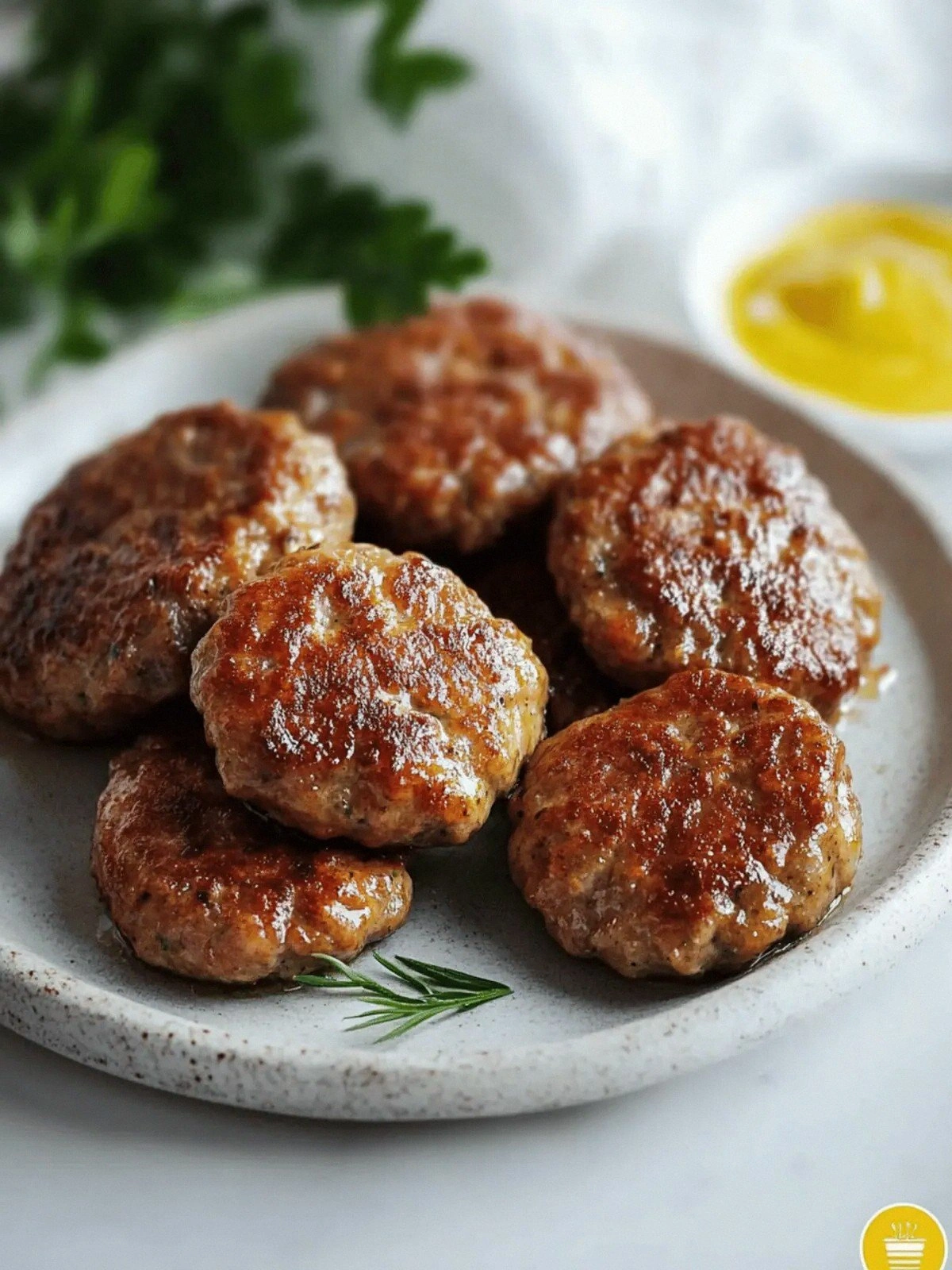
Picture this: the first sizzling sound as the mixture hits the hot pan, a crackling hiss that’s almost a drumbeat, and a rich, caramelized aroma that floods the kitchen. The surface of the meatballs blushes, forming a golden crust that crackles when you press it with a fork, revealing a pink, juicy interior. The scent of fresh parsley and mustard mingles with the earthy scent of onions, creating a fragrant bouquet that makes you stop mid‑stir and breathe it in. The sound of the pan clinking against the heat, the visual of the meatball’s edges crisping to a beautiful mahogany, and the anticipation of the first bite combine into a sensory symphony that’s almost too good to be true. If you’re watching, you’ll notice the little steam rising like a cloud of promise, and you’ll know this is about to get delicious.
What makes this version stand out is not just the combination of beef and pork, but the meticulous layering of flavors and textures that turns a simple meatball into a masterpiece. I’ve stripped away the fluff that most recipes add, keeping only the essential ingredients that let the meat’s natural taste shine. I’ve introduced a touch of mustard that cuts through the richness, and fresh parsley that adds a bright, herbaceous note. The breadcrumbs are toasted, giving them a subtle crunch that balances the tenderness of the meat. And the final touch? A sprinkle of optional paprika that gives the outer crust a smoky depth. Together, these elements create a dish that feels both rustic and refined.
I dare you to taste this and not go back for seconds. I’ll be honest—when I first cooked it, I ate half the batch before anyone else had a chance to try it. Most recipes get this completely wrong, focusing on quantity over quality or using only one type of meat. Here’s what actually works: a perfect blend of beef and pork, a splash of mustard, and a generous handful of parsley. And the result? A juicy, flavorful, and slightly smoky bite that feels like a hug from your grandma’s kitchen.
Future pacing kicks in when you imagine pulling a plate of these golden beauties out of the oven, the whole kitchen smelling incredible, and your guests leaning in for the first bite. The anticipation of the first bite is almost tangible, and the moment you bite into the crispy crust, the juicy interior explodes with flavor. And that’s just the beginning. Picture the side of mashed potatoes steaming with butter, the crunch of pickles, and a fresh green salad that adds a bright, crisp contrast. The combination is a dance of textures and flavors that will keep everyone asking for the recipe.
Let me walk you through every single step—by the end, you’ll wonder how you ever made it any other way. This is hands down the best version you’ll ever make at home, and I’m going to show you why. Stay with me, because the next part is pure magic, and I promise you’ll be proud of the result.
What Makes This Version Stand Out
- Flavor: The blend of beef and pork gives a depth that pure beef can’t match, creating a savory, slightly sweet profile that’s both comforting and exciting.
- Texture: Toasted breadcrumbs add a subtle crunch that contrasts beautifully with the tender interior, while the mustard coating creates a glossy, caramelized finish.
- Simplicity: With only a handful of ingredients, this recipe cuts through the clutter of overly complex meatball recipes and delivers a clean, approachable dish.
- Uniqueness: The optional paprika and fresh parsley bring a smoky, herbaceous twist that sets this apart from the usual German frikadellen.
- Crowd Reaction: Friends and family rave about the juicy, flavorful bite—no one can resist the crispy edges and the tender center.
- Ingredient Quality: Using fresh, high‑quality meats and herbs ensures that every bite is packed with natural flavor.
- Cooking Method: Quick pan‑searing followed by a short oven finish locks in moisture and creates a beautiful crust.
- Make‑Ahead Potential: These frikadellen can be made ahead, refrigerated, and reheated without losing their juicy center or crisp edges.
Alright, let’s break down exactly what goes into this masterpiece…
Inside the Ingredient List
The Flavor Base
Ground beef and ground pork together create a balanced flavor profile that is both rich and slightly sweet. The pork adds moisture, preventing the mix from drying out during cooking, while the beef provides a hearty, meaty depth. If you skip pork, the frikadellen will become leaner but risk becoming dry and less juicy. For those who prefer a single meat, consider using a higher fat content beef, but the texture will differ noticeably.
The Texture Crew
Breadcrumbs are toasted until golden, adding a subtle crunch that contrasts the tender interior. Toasting also brings out a nutty aroma that enhances the overall flavor. If you’re avoiding breadcrumbs, finely ground oatmeal works as a gluten‑free alternative, though it won’t provide the same crunch. The egg binds everything together, ensuring the frikadellen hold their shape during cooking.
The Unexpected Star
Mustard is the secret weapon that cuts through the richness, adding a bright, sharp note that lifts the dish. Fresh parsley adds a burst of green freshness that brightens the overall flavor. The optional paprika adds a smoky depth to the crust, giving it a subtle char that pairs well with the mustard. If you’re sensitive to mustard, try a milder Dijon; it will still provide the necessary tang.
The Final Flourish
Seasoning with salt and pepper is essential, but you’ll want to taste as you go to avoid over‑salting. Pickles, mashed potatoes, and fresh salad are traditional accompaniments that balance the richness of the frikadellen. The pickles add acidity, the potatoes bring a creamy softness, and the salad offers a crisp, refreshing contrast. If you’re short on time, a simple side of steamed green beans will also work beautifully.
Everything's prepped? Good. Let's get into the real action…
The Method — Step by Step
- Mix the meats: In a large bowl, combine the ground beef and ground pork until just blended. Don’t over‑mix; you want a slightly loose texture so the frikadellen stay tender. Add a pinch of salt and pepper, and mix again lightly. The goal is to evenly distribute the seasoning without turning the mixture into a dense paste. This step sets the foundation for the rest of the dish.
- Prepare the aromatics: Dice the onion finely and sauté it in a splash of olive oil until translucent and fragrant. Let it cool slightly before adding to the meat mixture. The onion adds sweetness and depth; if you prefer a sharper bite, reduce the sauté time. The sautéed onion also helps keep the mixture from sticking to the pan during cooking. This aromatic base is key to the final flavor.
- Integrate the binders: Whisk the egg in a small bowl and pour it into the meat mixture. Add the toasted breadcrumbs and mix until everything is well incorporated. The breadcrumbs absorb moisture and help the frikadellen hold together. If you’re using oatmeal, add it at this stage. The egg is the glue that keeps the mixture from falling apart during the pan‑sear.
- Season the mixture: Stir in the mustard and fresh parsley until evenly distributed. If you’re using optional paprika, add it now. The mustard cuts through the richness, while the parsley adds brightness. Taste the mixture; adjust salt and pepper as needed. This seasoning step ensures each bite is balanced.
- Form the frikadellen: With wet hands, shape the mixture into oval patties about 1.5 inches thick. Make sure they’re uniform so they cook evenly. The shape matters; if they’re too thick, the center may stay raw. If too thin, they’ll dry out. This step is where your personal touch shines.
- Preheat the oven: Set your oven to 375°F (190°C) while you finish the last steps. A steady oven temperature is crucial for a uniform finish. The oven also helps finish cooking the interior while the pan sears the exterior. This step ensures no part of the frikadellen remains undercooked.
- Pan‑sear the frikadellen: Heat a large skillet over medium‑high heat and add a splash of oil. Place the patties in the pan, leaving space between them. Let them sear without moving for about 2 minutes until a golden crust forms. Flip them carefully; the edges should start pulling away slightly. The sear creates a caramelized flavor that’s essential to the dish.
- Transfer to the oven: Once all sides are browned, transfer the skillet to the preheated oven. Bake for 10–12 minutes, or until the internal temperature reaches 160°F (71°C). The oven finish ensures the center is fully cooked without over‑browning the exterior. Keep a close eye on the color; you want a golden, slightly crisp crust.
- Rest the frikadellen: Remove the skillet from the oven and let the patties rest on a plate for 5 minutes. Resting allows the juices to redistribute, keeping the meat moist. The rest period also helps the flavors settle, making each bite even more satisfying. This step is often overlooked but makes a huge difference.
- Serve: Plate the frikadellen with a side of pickles, mashed potatoes, and a fresh salad. The acidity of the pickles cuts through the richness, the potatoes add creamy softness, and the salad offers a crisp contrast. Garnish with extra parsley if desired. The presentation is as important as the flavor; a vibrant plate invites the eater to dive in.
That's it — you did it. But hold on, I've got a few more tricks that'll take this to another level…
Insider Tricks for Flawless Results
The Temperature Rule Nobody Follows
Many cooks assume that high heat is the key, but the secret lies in a balanced approach. Start with a medium‑high pan to achieve a caramelized crust, then finish in a moderate oven to ensure the interior cooks evenly. I once tried a high‑heat method that left the outside burnt while the center remained raw. The lesson? A two‑step heat process guarantees both texture and safety.
Why Your Nose Knows Best
The aroma of a good frikadellen is a reliable indicator of doneness. When the scent shifts from raw meat to a nutty, slightly sweet smell, you’re in the right zone. If you’re unsure, use a meat thermometer; 160°F (71°C) is the sweet spot. Trusting your nose can save you from over‑cooking.
The 5‑Minute Rest That Changes Everything
Resting after cooking is often overlooked, but it’s a game‑changer. During the rest period, the juices redistribute, preventing them from spilling out when you cut into the meat. I once served frikadellen straight from the oven, and the result was a dry, uneven bite. The rest step fixes that.
Add a Splash of Water to Reheat
When reheating leftovers, add a tiny splash of water or broth to the skillet. This creates steam that rehydrates the meat, preventing it from drying out. Cover the skillet for a few minutes to trap the steam. The result? Reheated frikadellen that taste almost as fresh as when they first came out of the oven.
Use Fresh Herbs Over Dried
Fresh parsley brightens the dish and adds a subtle citrus note that dried herbs can’t match. If you’re out of fresh, use a pinch of dried, but be sure to reduce the quantity by half, as dried herbs are more potent. The freshness of herbs is a subtle but critical component that elevates the flavor profile.
Keep the Meat Moist
If you’re using lean beef, consider adding a tablespoon of grated apple or a splash of milk to the mixture. These additions help retain moisture and add a hint of sweetness. I’ve tried this trick before a big family dinner, and it made a noticeable difference in juiciness.
Creative Twists and Variations
Spicy German Frikadellen
Add a pinch of cayenne pepper to the mixture for a subtle heat that pairs beautifully with the mustard. The spice level can be adjusted to taste, making it a flexible option for heat lovers. This variation adds a kick without compromising the traditional flavor profile.
Herb‑Infused Version
Replace parsley with a blend of thyme, rosemary, and oregano for a more aromatic, Mediterranean twist. The herbs bring earthy depth that complements the meat’s richness. This version works well with a side of roasted vegetables.
Gluten‑Free Frikadellen
Swap breadcrumbs for finely ground oats or almond flour to keep the dish gluten‑free. The texture will be slightly different, but the flavor remains robust. This variation is perfect for those with dietary restrictions.
Cheesy Surprise
Fold in a handful of shredded cheddar or gouda before forming the patties for a melty, cheesy center. The cheese adds a creamy layer that melts into the meat, creating a decadent bite. The addition of cheese turns the frikadellen into a hearty comfort food.
Piquant Pickle Drizzle
Drizzle a homemade pickle vinaigrette over the finished frikadellen for an extra burst of acidity. The vinaigrette adds brightness and a tangy contrast to the rich meat. This topping is a quick way to elevate the dish.
Storing and Bringing It Back to Life
Fridge Storage
Store leftover frikadellen in an airtight container in the refrigerator for up to 3 days. The airtight seal prevents the meat from drying out and preserves the juicy texture. Keep them on a plate with a small paper towel to absorb excess moisture.
Freezer Friendly
Freeze in a single layer on parchment paper before transferring to a freezer bag; this prevents them from sticking together. Label with the date and cook within 2 months for best flavor. Freezing locks in the meat’s moisture, ensuring a fresh taste when reheated.
Best Reheating Method
Reheat in a skillet over medium heat with a splash of water or broth, then cover for 3–4 minutes. The steam keeps the meat moist and restores the crispness of the crust. Avoid microwaving; it can make the frikadellen rubbery.