I was standing in my kitchen on a rainy Tuesday, staring at a half‑baked box cake that had somehow turned into a culinary crime scene. The frosting was a sad, runny mess, the crumb was as flat as a pancake, and my roommate was daring me to “just add some nuts.” I laughed, but deep down I knew I needed a rescue mission. That’s when I remembered an old Southern grandma’s secret: a butter pecan praline poke cake that turns any disaster into a show‑stopper. I grabbed a bag of pecans, a stick of butter, and a daring amount of confidence, and the rest—well, the rest is a love story you’ll want to hear.
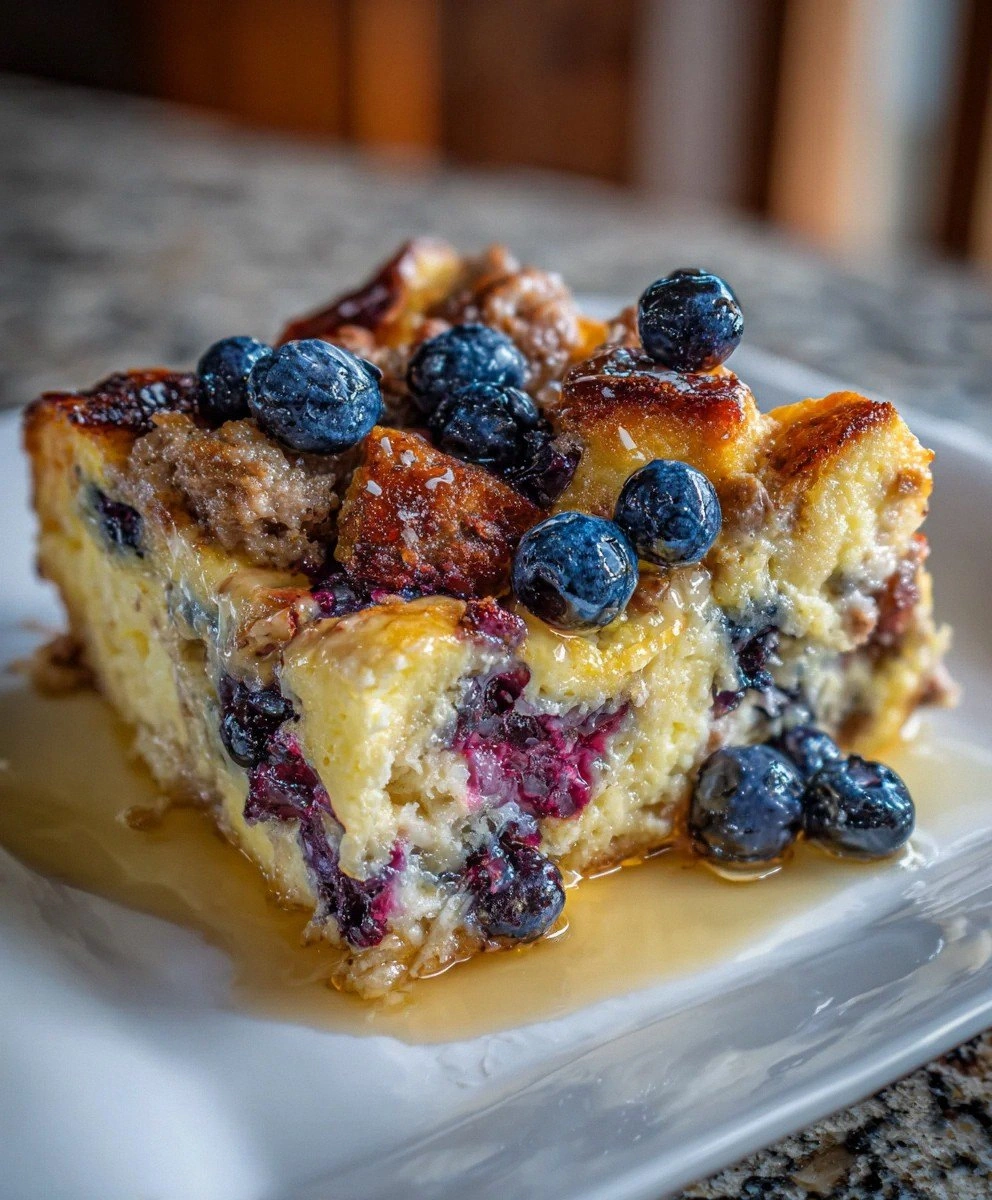
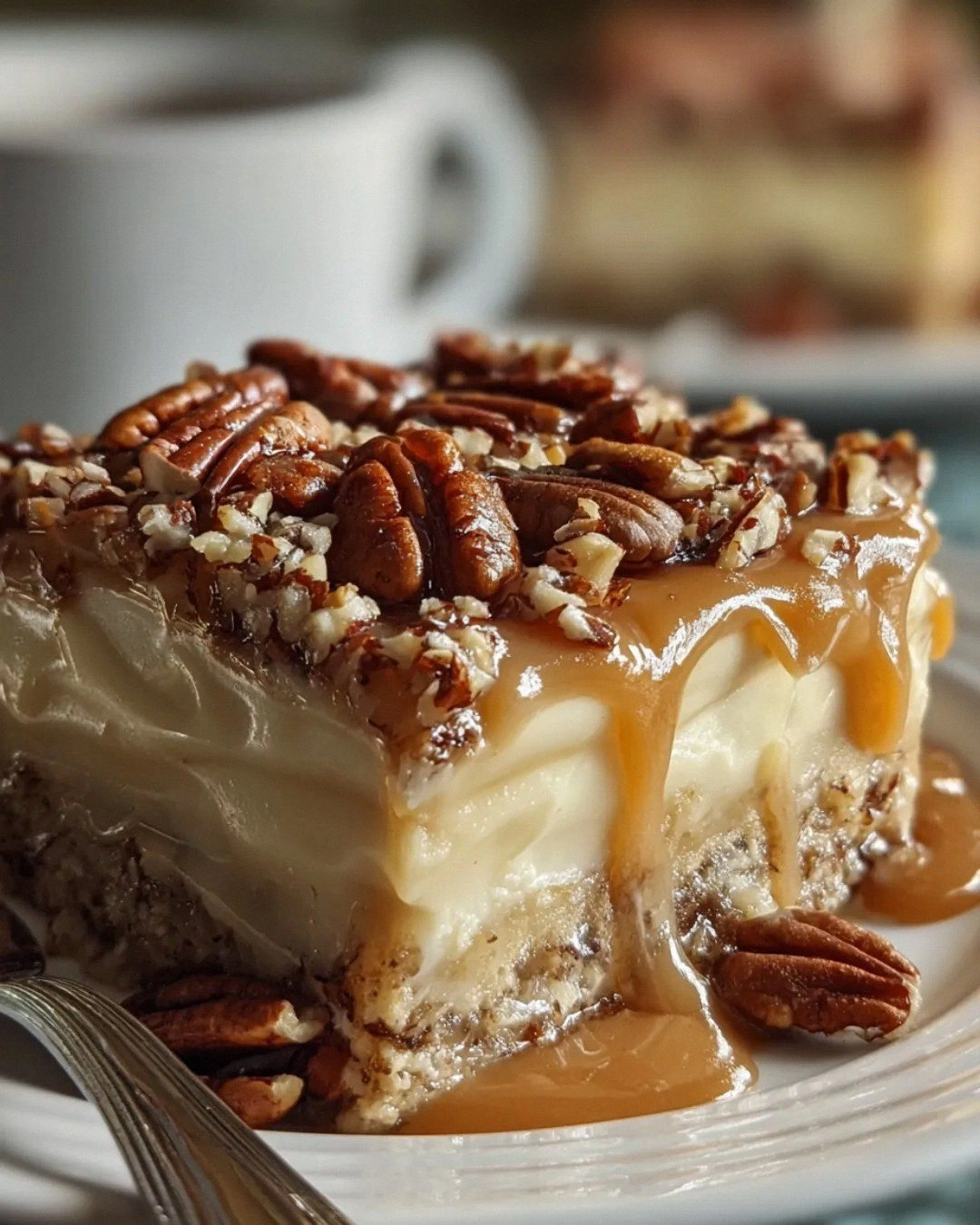
Picture this: the oven door swings open and a golden‑brown cake sighs out, its surface speckled with caramelized pecan shards that glisten like tiny jewels. The air is instantly filled with a buttery, caramel‑nutty perfume that makes you want to hug the oven mitts. You take a fork and poke a grid of holes into the cake, then pour a warm maple‑cream syrup that seeps into every crevice, turning the crumb into a moist, melt‑in‑your‑mouth wonderland. The final drizzle of praline glaze adds a glossy crown, and the toasted pecans on top crack under the light like a fresh snowfall. One bite, and you’re hit with a buttery richness, a crunchy caramel crunch, and a buttery‑sweet finish that lingers like a favorite song.
Most butter pecan cakes out there either skimp on the butter, over‑sweeten the praline, or forget the crucial “poke” step that makes the cake so irresistibly moist. This version, however, is a masterclass in balance. The secret? A double‑layered syrup—half maple, half heavy cream—infused with a pinch of sea salt to cut the sweetness just enough to keep you reaching for another fork. And the pecans? Toasted to perfection before being caramelized in butter and brown sugar, creating a praline that’s both crunchy and melt‑in‑your‑mouth. The result is a cake that’s simultaneously crisp, creamy, and decadently buttery—an experience you’ll swear you’ve never had before.
Okay, ready for the game‑changer? I’m about to walk you through every single step, from selecting the perfect pecans to mastering the poke technique that makes this cake legendary. By the end, you’ll wonder how you ever settled for a plain old coffee cake when this buttery, nutty masterpiece is just a few moves away. I dare you to taste this and not go back for seconds. Let’s dive in.
What Makes This Version Stand Out
- Butter‑Heavy: The cake batter is enriched with real, unsalted butter, giving it a velvety crumb that feels like a hug for your palate. No shortcuts, no margarine—just pure, creamy goodness that melts in your mouth.
- Praline Perfection: The pecans are first toasted, then caramelized in a butter‑brown‑sugar blend, creating a crunchy‑soft praline that stays crunchy even after the syrup seeps in. It’s the perfect textural contrast.
- Moisture Mastery: The poke‑in‑syrup technique is the secret sauce—literally. A warm maple‑cream syrup is forced into the cake’s interior, ensuring every bite is moist without being soggy.
- Simple Simplicity: Despite the fancy results, the ingredient list is short and the steps are straightforward. You won’t need a pastry chef’s degree to pull this off.
- Instant Crowd‑Pleaser: The moment you cut into it, the glossy glaze and caramelized nuts catch the eye, and the aroma does the rest. Guests will be lining up for seconds before you even finish the first slice.
- Make‑Ahead Magic: The cake can be assembled a day ahead, allowing the flavors to meld and the syrup to fully penetrate, which actually improves the texture.
- Ingredient Quality: Using high‑quality butter, fresh pecans, and pure maple syrup makes a world of difference. It’s the little luxuries that elevate the dish.
- Versatile Base: The cake can be turned into cupcakes, mini‑tarts, or even a layered trifle. The foundation is flexible enough for any creative spin you desire.
Inside the Ingredient List
The Flavor Base
The foundation of any good cake is its flavor base, and here we keep it classic yet luxurious. All‑purpose flour (2 cups) provides structure, while granulated sugar (1 cup) and brown sugar (½ cup) deliver a balanced sweetness with a hint of molasses depth. If you skip the brown sugar, you’ll lose that subtle caramel note that makes the cake sing. As a swap, you can use coconut sugar for a lower‑glycemic option, but expect a slightly different flavor profile. When choosing flour, look for a brand that’s unbleached for a softer crumb.
The Texture Crew
Unsalted butter (1 cup, softened) is the star of the show—its fat content ensures a tender crumb and a buttery aroma that fills the kitchen. Use European‑style butter if you can; its higher butterfat makes the cake richer. Large eggs (3) act as emulsifiers, binding the butter and sugar while adding lift. If you’re out of eggs, substitute each with ¼ cup of unsweetened applesauce, but be prepared for a slightly denser texture. Whole milk (1 cup) adds moisture and a subtle creaminess; you can replace it with almond milk for a nutty twist, though the cake will be a tad less rich.
The Unexpected Star
Maple syrup (¼ cup) and heavy cream (½ cup) combine to form the poke syrup that transforms the cake from dry to decadently moist. The maple adds a wood‑syrupped sweetness, while the cream gives it a silky finish. If you’re allergic to dairy, substitute the cream with coconut cream for a tropical flair. Sea salt (a pinch) is the secret that cuts through the sweetness, preventing the cake from becoming cloying. Don’t underestimate this tiny ingredient; a pinch makes the flavors pop like fireworks.
The Final Flourish
Toasted pecans (1 cup) bring a buttery crunch, and praline mixture (½ cup)—made from butter, brown sugar, and extra pecans—adds a glossy caramel coating. If you can’t find pecans, try toasted walnuts or almonds, but the flavor will shift toward a more robust nutty note. When toasting pecans, keep a close eye; they go from golden to burnt in seconds. A good tip is to toss them in a hot skillet with a splash of butter for an even toast. Finally, a dash of cinnamon (½ tsp) and nutmeg (¼ tsp) adds a warm spice that rounds out the flavor, especially in cooler months.
Everything's prepped? Good. Let’s get into the real action…
The Method — Step by Step
Preheat your oven to 350°F (175°C) and grease a 9‑inch round cake pan with butter, then line the bottom with parchment. This ensures the cake releases cleanly and the edges get that golden crust we all crave. While the oven warms up, whisk together the flour, baking powder, baking soda, and salt in a medium bowl. The dry mix should be airy—think of it as a cloud that will later absorb the buttery wet ingredients.
Kitchen Hack: Sift the dry ingredients twice. This removes any lumps and incorporates extra air, making the cake lighter.In a large mixing bowl, cream the softened butter with the granulated and brown sugars until the mixture is pale and fluffy—about 3‑4 minutes on medium speed. This is the moment where the kitchen smells like a bakery, and you’ll see the mixture turn a creamy caramel color. Add the eggs one at a time, beating well after each addition, then stir in the vanilla extract. The batter should look glossy and smooth, like a satin ribbon.
Gradually add the dry flour mixture to the butter‑sugar‑egg combo, alternating with the milk. Start and end with the dry ingredients, mixing just until incorporated. Over‑mixing at this stage creates gluten, which would make the cake tough—trust me, you don’t want that. The batter will be thick but pourable, resembling a thick pancake batter.
Fold in the toasted pecans and the caramelized praline mixture, distributing them evenly. The nuts should be suspended throughout the batter, not settled at the bottom. If you notice clumps, gently stir with a rubber spatula until you achieve a uniform speckled appearance.
Pour the batter into the prepared pan, smoothing the top with an offset spatula. Tap the pan lightly on the counter three times to release any air bubbles. This step is crucial—air pockets can cause uneven rising, and nobody wants a cake that looks like a cratered moon.
Bake for 30‑35 minutes, or until a toothpick inserted into the center comes out clean and the edges start pulling away from the pan. The top should be a deep golden brown, with a faint caramel aroma wafting through the kitchen. If you hear a gentle “crack” as you pull the pan out, that’s the sound of a perfect crust forming.
While the cake is still hot, use a skewer or the handle of a wooden spoon to poke a grid of holes about ½ inch apart across the surface. This is where the magic happens—those holes will act like tiny capillaries, soaking up the poke syrup like a sponge.
Watch Out: Don’t over‑poke. Too many holes can make the cake soggy; aim for a neat, evenly spaced grid.Prepare the poke syrup by gently heating the maple syrup, heavy cream, and a pinch of sea salt in a saucepan over low heat until just simmering. You’ll see tiny bubbles forming around the edges—this is the point where the syrup thickens enough to cling to the cake without running off.
Kitchen Hack: Warm the syrup just enough to be pourable; if it’s too hot, it will melt the glaze and make the top soggy.Slowly pour the warm syrup over the cake, letting it seep into the holes. Use a spatula to gently spread any excess syrup around the edges. You’ll hear a soft sizzle as the syrup meets the hot cake—a sound that tells you the cake is absorbing the liquid like a thirsty sponge. Let the cake sit for 10 minutes so the syrup fully integrates.
For the final flourish, melt a tablespoon of butter with the remaining brown sugar and a splash of maple syrup, then drizzle this glaze over the top. Sprinkle the remaining toasted pecans on the glaze while it’s still warm, allowing them to stick like glitter on a masterpiece. Let the cake cool completely before slicing; this gives the glaze a chance to set and the flavors to meld. That final glossy sheen? Pure magic.
That's it — you did it. But hold on, I've got a few more tricks that'll take this to another level…
Insider Tricks for Flawless Results
The Temperature Rule Nobody Follows
Never bake a butter cake straight from the fridge. Let the batter sit at room temperature for 10‑15 minutes before it hits the oven. This small pause allows the butter to soften just enough, ensuring an even rise and a tender crumb. I once tried to rush the process and ended up with a dense, uneven cake that resembled a brick. Trust the rule, and you’ll get a cake that lifts like a soufflé.
Why Your Nose Knows Best
The moment the cake starts to smell like toasted sugar, you’re within two minutes of being done. The aroma is a reliable indicator, often more accurate than a timer. If you’re ever unsure, open the oven a crack and sniff—if you detect a buttery caramel note, it’s time to test the toothpick. Over‑baking is the most common mistake, and a nose can save you from a dry disaster.
The 5‑Minute Rest That Changes Everything
After you pour the poke syrup, let the cake rest uncovered for exactly five minutes. This short pause lets the syrup settle into the crumb without creating a soggy surface. It also allows the glaze to firm up just enough to hold the pecan shards in place. Skipping this step is like skipping the final coat of paint on a masterpiece—everything looks unfinished.
Pecan Toasting Precision
Toast pecans on medium heat, shaking the pan every 30 seconds. When they turn a deep amber and give off a nutty perfume, they’re ready. If you let them burn, the bitter taste will dominate the entire cake. A quick tip: add a pinch of sea salt during the last minute of toasting to amplify their flavor.
The One‑Spoon Glaze Trick
When making the final glaze, use a single spoon to drizzle in a slow, steady stream. This creates a marbled effect that looks bakery‑professional without the need for fancy tools. If you pour too fast, the glaze pools at the edges and loses that elegant sheen.
Creative Twists and Variations
This recipe is a playground. Here are some of my favorite ways to switch things up:
Salted Caramel Swirl
Replace half of the maple syrup in the poke mixture with a homemade salted caramel sauce. The extra caramel adds a deeper, buttery sweetness, while the sea salt brightens every bite. Ideal for those who love a sweet‑and‑salty contrast.
Chocolate Hazelnut Fusion
Add ¼ cup of melted dark chocolate to the batter and swap the pecans for toasted hazelnuts. The chocolate adds richness, and hazelnuts bring a slightly bitter note that balances the sweetness. This variation feels like a dessert version of a classic chocolate‑hazelnut spread.
Pumpkin Spice Autumn
Incorporate ½ cup of pumpkin puree into the batter and add a teaspoon of pumpkin pie spice. The pumpkin adds moisture and an earthy sweetness, making this perfect for fall gatherings. Top with extra toasted pecans and a drizzle of maple glaze for that cozy vibe.
Coconut Lime Breeze
Swap the heavy cream in the poke syrup for coconut cream and add a teaspoon of lime zest. The coconut adds tropical richness, while the lime zest cuts through with a bright citrus punch. Garnish with toasted coconut flakes for a beach‑side feel.
Espresso‑Infused Delight
Dissolve a tablespoon of instant espresso powder in the milk before adding it to the batter. The coffee notes deepen the chocolate‑like undertones of the brown sugar, creating a sophisticated flavor profile that pairs beautifully with the nutty praline.
Storing and Bringing It Back to Life
Fridge Storage
Cover the cake loosely with foil or a cake dome and store it in the refrigerator for up to five days. The glaze may firm up a bit, but a quick re‑heat will restore its sheen. Keep the cake away from strong‑smelling foods to preserve its buttery aroma.
Freezer Friendly
Slice the cake into individual portions, wrap each slice tightly in plastic wrap, then place them in a freezer‑safe bag. Freeze for up to three months. When you’re ready to enjoy, let the slice thaw at room temperature for 30 minutes, then warm it in a 300°F oven for 8‑10 minutes. The syrup will re‑absorb, making it taste freshly baked.
Best Reheating Method
To bring a refrigerated or frozen slice back to life, preheat your oven to 325°F, place the slice on a baking sheet, and add a tiny splash (about a teaspoon) of water or milk on the surface. Cover loosely with foil and heat for 8‑10 minutes. The added moisture creates steam that revives the cake’s tenderness without drying it out.