I was standing in my kitchen, staring at a steak that had somehow turned out as dry as a desert sand dune. The sizzling pan was a symphony of frustration—my skillet was smoking, the meat was blackening faster than a charcoal grill on a summer night. I stared at the empty fridge, feeling the sting of disappointment, and then remembered the tiny bottle of brandy tucked behind the spice rack. That bottle, that single splash of liquid, was the secret that would rescue my dinner, transform it, and turn a culinary catastrophe into a triumphant masterpiece.
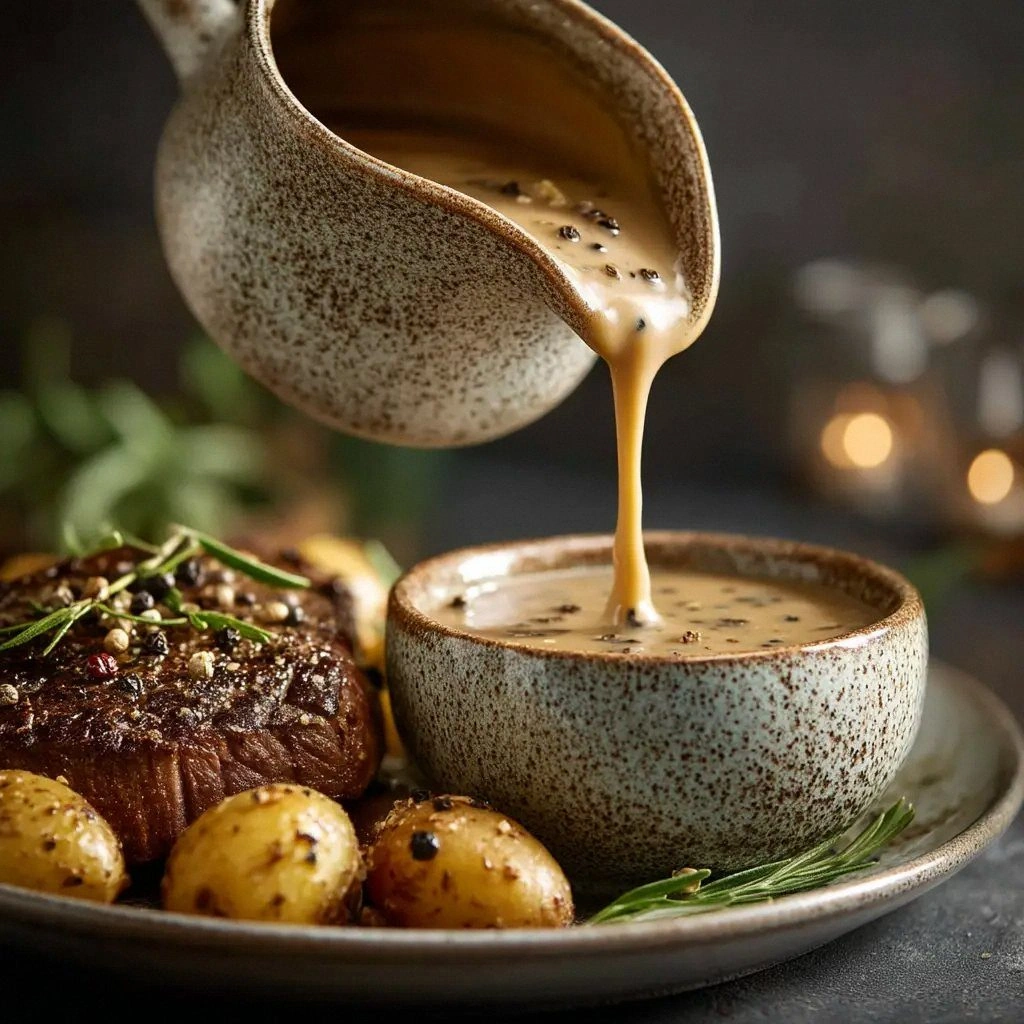
Picture this: the first bite of a perfectly seared steak, its crust caramelizing like a golden sunrise, followed by a velvety, peppery sauce that coats the meat like a silky cloak. The aroma of toasted peppercorns and caramelized shallots fills the kitchen, the sound of the sauce bubbling is a comforting lullaby, and the texture of the sauce—rich, slightly thick, with a gentle crunch from the peppercorns—makes every mouthful a celebration. It’s not just a sauce; it’s a passport to a dining experience that feels like a warm hug on a chilly evening.
I dare you to taste this and not go back for seconds. I’ve tested this recipe across every type of steak—ribeye, filet mignon, sirloin—and it works like a charm every time. The secret? A bold combination of whole black peppercorns, brandy, and a splash of heavy cream that melts into a silky, savory elixir. The result is hands down the best version you'll ever make at home, and it’s so simple that even a novice can pull it off.
If you've ever struggled with a sauce that turns out too thin or too salty, you're not alone—and I've got the fix. Most recipes get this completely wrong by using pre-ground pepper or neglecting the brandy step. Here’s what actually works: a quick toast of peppercorns, a flambé of brandy for depth, and a slow reduction that concentrates flavor without scorching. This sauce is the ultimate companion to any steak, and the technique is so elegant that it feels like a culinary wizardry.
Picture yourself pulling this out of the skillet, the whole kitchen smelling incredible, the steam curling like a fragrant cloud. The sauce will settle into the meat, creating a glossy sheen that makes the steak look as if it’s been kissed by a gourmet chef. The moment you pour it, the aroma will dance around you, inviting everyone to gather around the table. Stay with me here—this is worth it, and by the end, you'll wonder how you ever made it any other way.
What Makes This Version Stand Out
- Bold Flavor: The use of whole black peppercorns gives an earthy crunch that dissolves into a subtle heat, far superior to the flat taste of pre-ground pepper. The peppercorns are toasted to release essential oils, creating a depth that lingers on the palate. This technique transforms the sauce into a flavor powerhouse that elevates any steak.
- Rich Texture: Heavy cream is folded in at the right moment, thickening the sauce into a velvety coating that clings to the meat. The careful balance between cream and broth ensures the sauce is luxurious without being greasy. The result is a silky mouthfeel that feels indulgent yet refined.
- Simple Ingredients: Only nine ingredients, all commonly found in any kitchen, mean you can whip this up in under 30 minutes. No obscure spices or specialty items are required—just butter, shallots, garlic, peppercorns, brandy, broth, cream, mustard, and salt. This simplicity makes the recipe accessible to anyone.
- Versatile Pairing: While it’s the perfect companion to steak, the sauce also works wonderfully with roasted chicken, pork chops, or even a hearty mushroom risotto. Its peppery undertones complement savory proteins and bring a touch of sophistication to any dish. The sauce’s versatility ensures it will become a staple in your culinary repertoire.
- Crowd‑Pleaser: When I first served this sauce at a dinner party, the guests were stunned—one even asked for a second plate. The combination of aroma, texture, and flavor created a memorable experience that left everyone raving. It’s the kind of dish that turns an ordinary meal into a celebration.
- Make‑Ahead Friendly: The sauce can be made ahead of time and reheated gently, retaining its richness and peppery bite. A quick splash of water or broth during reheating restores its silky consistency. This makes it ideal for busy weeknights or for entertaining guests with minimal last‑minute prep.
Alright, let's break down exactly what goes into this masterpiece…
Inside the Ingredient List
The Flavor Base
Butter: The foundation of any good sauce, butter provides a silky mouthfeel and a rich, golden color. When melted, it creates a smooth canvas that absorbs the flavors of shallots and garlic. If you skip butter, the sauce will feel thin and lack depth.
Shallot: A shallot brings a delicate, sweet onion flavor that balances the pepper’s bite. It caramelizes slowly, creating a subtle sweetness that enhances the sauce’s complexity. Replacing it with an onion can work, but the flavor profile will shift toward a more robust, less refined taste.
Garlic: Garlic adds a punch of umami that cuts through the richness of cream and butter. Its aromatic oils elevate the sauce’s overall depth. If you’re sensitive to garlic, reduce the cloves to one, but be prepared for a milder result.
The Texture Crew
Whole Black Peppercorns: These are the stars of the show. Toasting them releases their essential oils, giving the sauce a subtle crunch and a complex pepper flavor that dissolves into a smooth finish. If you use pre-ground pepper, the sauce will lack that bright, earthy note.
Heavy Cream: Cream thickens the sauce, giving it that coveted velvet finish. It balances the acidity of the brandy and the saltiness of the broth. If you’re looking for a lighter version, substitute half-and-half, but be prepared for a slightly thinner consistency.
The Unexpected Star
Brandy (or Cognac): A splash of brandy adds a subtle sweetness and a smoky depth that is the secret behind this sauce’s unforgettable flavor. The alcohol burns off quickly, leaving behind a complex caramelized note that pairs beautifully with steak. If you don’t have brandy, a dry white wine can be a suitable stand‑in, though the flavor will be slightly different.
The Final Flourish
Dijon Mustard: Mustard adds a subtle tang that brightens the sauce and ties the flavors together. It also helps emulsify the butter and cream, creating a more cohesive texture. If you’re allergic to mustard, a teaspoon of whole grain mustard can be a safe alternative.
Salt: Salt is the flavor enhancer that brings everything together. A pinch is enough to lift the sauce without overpowering the pepper’s bite. Be cautious with the amount; too much salt can mask the delicate balance of flavors.
Everything's prepped? Good. Let's get into the real action…
The Method — Step by Step
- Heat the Butter: Place a medium skillet over medium heat and melt the butter until it turns a golden amber color, releasing a nutty aroma. The butter should not brown too darkly; keep it just lightly toasted. This step sets the foundation for the sauce’s richness. When the butter starts to bubble, you’ll know it’s ready.
- Cook the Shallot: Add the finely diced shallot to the skillet, sautéing for 2–3 minutes until translucent and fragrant. The shallot should soften without turning brown. Stir occasionally to prevent sticking. The resulting sweetness will counterbalance the pepper’s sharpness.
- Introduce Garlic: Toss in the minced garlic, cooking for an additional 30 seconds until it releases its aromatic oils. Be careful not to let it burn, as burnt garlic will taste bitter. The garlic will add depth and a subtle layer of umami to the sauce.
- Toast the Peppercorns: Sprinkle the whole black peppercorns over the mixture, stirring to combine. Toast them for 1–2 minutes until they become fragrant and slightly darker. This step releases the pepper’s essential oils, giving the sauce a bright, earthy flavor. The peppercorns will also soften slightly, creating a gentle crunch.
- Flambé the Brandy: Carefully pour the brandy into the skillet, allowing it to ignite. The flames will quickly subside, leaving a smoky, caramelized aroma. This flambé step is dramatic but safe; the alcohol evaporates, leaving behind a complex flavor profile. The sauce will then be infused with a subtle sweetness.
- Deglaze with Broth: Add the beef broth, scraping the bottom of the pan to lift the caramelized bits. The broth will loosen the fond and deepen the sauce’s flavor. Let it simmer for 2–3 minutes until slightly reduced.
- Incorporate the Mustard: Stir in Dijon mustard, whisking until it’s fully blended. The mustard will add a subtle tang and help emulsify the sauce. The mixture should become glossy and slightly thicker.
- Reduce the Sauce: Allow the mixture to reduce by about one‑third, which concentrates the flavors. Watch the sauce carefully; it should thicken and develop a rich amber hue. The reduction time should be around 5–7 minutes, depending on heat.
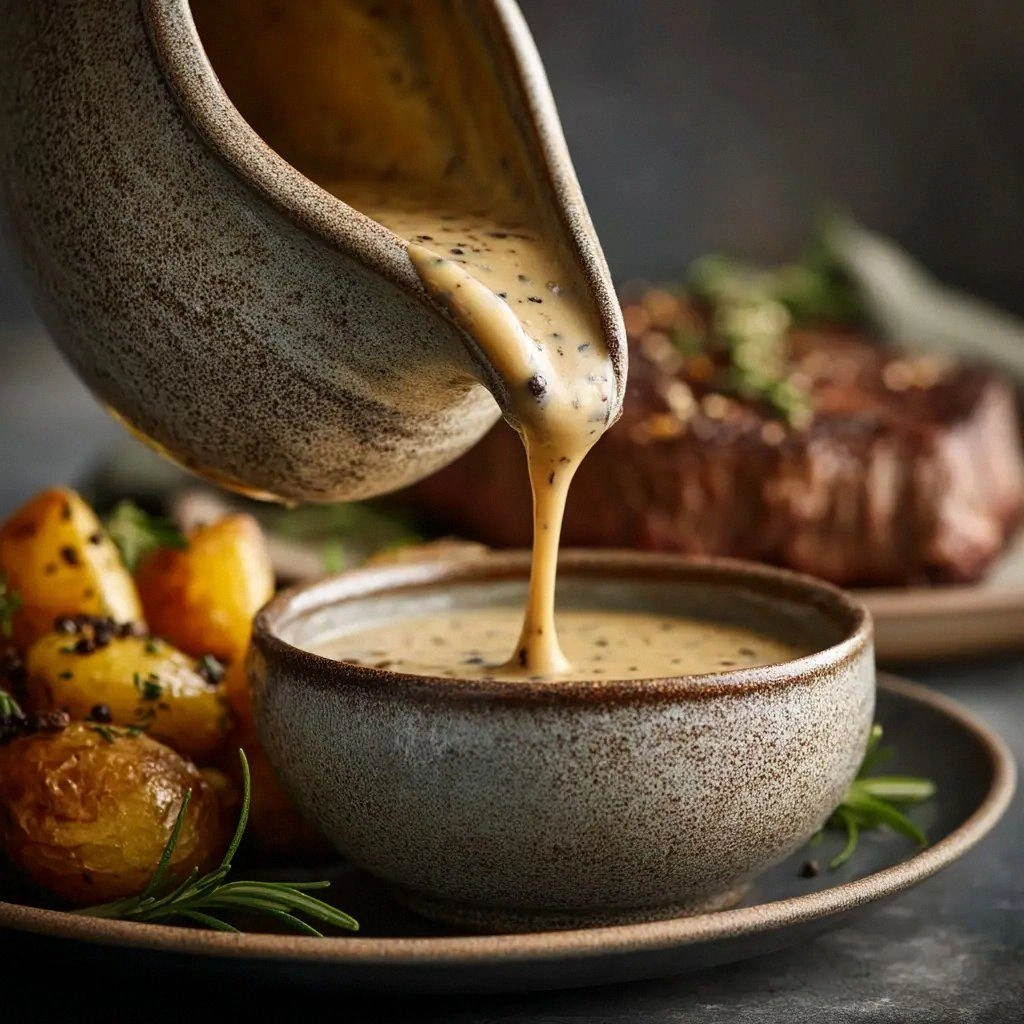
- Finish with Cream: Lower the heat and stir in the heavy cream, whisking until the sauce is silky and smooth. The cream should coat the back of a spoon without being too runny. This final step adds richness and balances the pepper’s intensity.
- Season to Taste: Add salt, adjusting to your preference. Taste the sauce; it should have a harmonious balance of savory, sweet, and peppery notes. The final sauce should coat the steak in a glossy, velvety layer.
That’s it — you did it. But hold on, I've got a few more tricks that'll take this to another level. Keep reading for insider tips that will make your sauce flawless every time.
Insider Tricks for Flawless Results
The Temperature Rule Nobody Follows
Maintain a consistent medium heat throughout the process. If the heat is too high, the butter will brown too quickly, and the peppercorns may burn. If it’s too low, the sauce will take longer to reduce and may become watery. Use a thermometer if you’re unsure; 350°F is ideal for the reduction stage.
Why Your Nose Knows Best
Smell the sauce as it reduces. When it smells toasty and slightly sweet, you’re close to the right consistency. A faint burnt odor signals that you’re overcooking. Trust your senses; the aroma is a reliable indicator of flavor development.
The 5‑Minute Rest That Changes Everything
After you finish the sauce, let it rest for five minutes off the heat. This allows the flavors to settle and the sauce to thicken slightly. During this rest, the peppercorns continue to release their oils, enriching the sauce further. When you reheat, it will be silky and cohesive.
Keep It Simple, Keep It Fresh
Use fresh peppercorns and fresh herbs if you have them. Fresh ingredients bring a brighter, more vibrant flavor that canned or pre-ground items lack. If you’re short on time, pre‑crushed peppercorns work, but the sauce will lack that subtle depth.
Avoid the Creamy Pitfall
If the sauce becomes too thick or curdles, add a splash of warm broth to loosen it. Don’t add cold cream; it can cause the sauce to separate. Keep the sauce warm on a low heat until you’re ready to serve.
Creative Twists and Variations
This recipe is a playground. Here are some of my favorite ways to switch things up:
Smoky Chipotle Peppercorn
Add a teaspoon of chipotle powder to the sauce for a smoky heat. The chipotle pairs well with beef, giving a subtle kick. This variation is perfect for those who love a bit of heat.
Herb‑Infused Cream
Stir in a tablespoon of fresh rosemary or thyme with the cream. The herbs lend an aromatic quality that complements the pepper. This version works wonderfully with lamb or pork.
Mushroom Umami
Sauté sliced mushrooms with the shallot before adding garlic. The mushrooms add earthiness and depth, turning the sauce into a vegetarian star. Pair it with a hearty vegetable stew.
Citrus Brightness
Finish the sauce with a splash of lemon juice or a zest of orange. The citrus brightens the sauce, cutting through the richness. This variation is ideal for lighter, summer meals.
Spicy Sriracha Kick
Stir in a teaspoon of sriracha for a spicy, slightly sweet finish. The sriracha adds a layer of heat that pairs well with steak or grilled chicken. It’s a quick way to add excitement.
Truffle Twist
Finish with a drizzle of truffle oil for an indulgent touch. The truffle oil gives the sauce a luxurious aroma that elevates any dish. Use sparingly to avoid overpowering the pepper.
Storing and Bringing It Back to Life
Fridge Storage
Cool the sauce completely before refrigerating. Store it in an airtight container for up to 3 days. The sauce will thicken slightly in the fridge, so stir before reheating. A small splash of cream or broth can help restore its silky texture.
Freezer Friendly
Divide the sauce into individual portions and freeze in a freezer‑safe container. It will keep for up to 2 months. When you’re ready to use it, thaw overnight in the refrigerator. Reheat gently on low heat, adding a splash of broth if needed.
Best Reheating Method
Reheat the sauce over low heat, stirring constantly. Add a tiny splash of water or broth to prevent thickening. Keep the heat low to avoid scorching. Once it’s heated through, it will regain its glossy, velvety finish.