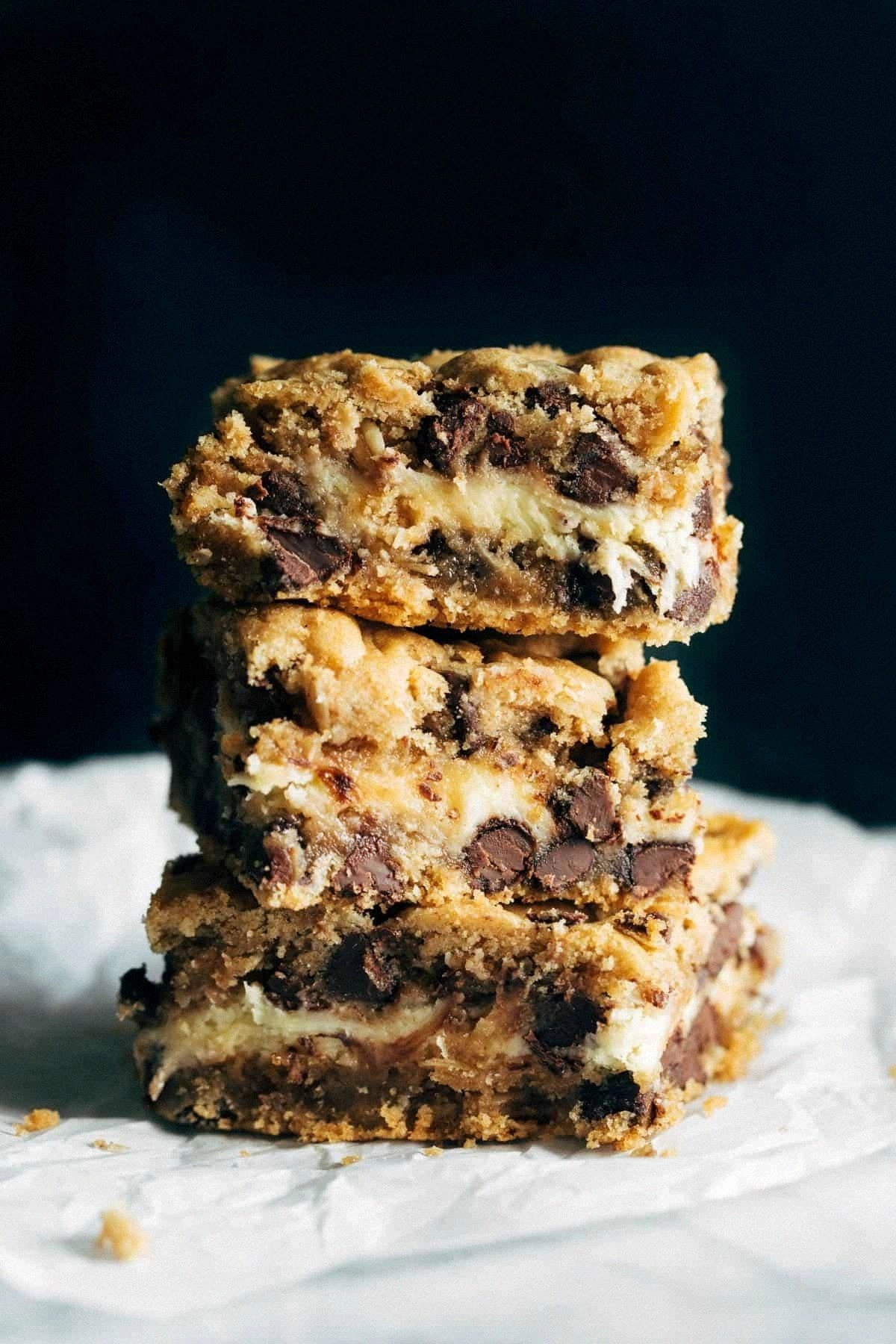
I’ll be honest — I ate half the batch before anyone else got a chance to try it, and that’s because this peanut‑butter‑chocolate‑chip marvel is hands down the best version you’ll ever make at home. It started as a kitchen disaster: I’d over‑mixed a batch of cookies, the dough turned into a sticky mess, and I thought I’d thrown away my weekend. Then, in a moment of sheer desperation, I tossed in a swirl of softened cream cheese, a pinch of sea salt, and a splash of vanilla, and the whole thing transformed into something that smelled like a bakery’s secret stash. The result? A chewy‑cookie‑cheesecake hybrid that shatters expectations like thin ice, with a buttery crust that gives way to a velvety, peanut‑butter‑infused center, all studded with chocolate chips that melt like tiny fireworks.
Picture yourself pulling this out of the oven, the whole kitchen smelling incredible, the buttery aroma hugging the air like a warm blanket. The top is lightly golden, the edges are crisp enough to snap with a satisfying crack, and the middle stays soft, almost puddly, as if a cloud of peanut butter is hiding underneath. When you bite into it, the first thing you notice is the sweet‑salty dance of the peanut butter and chocolate, followed by the creamy cheesecake surprise that makes you wonder why anyone would ever settle for a plain cookie again. I dare you to taste this and not go back for seconds; the combination is so addictive that you’ll find yourself planning your next bake before the first slice even finishes on your plate.
Most recipes get this completely wrong. They either over‑bake the cookies, turning them into hard bricks, or they skimp on the cheesecake layer, leaving the flavor flat and one‑dimensional. Here’s what actually works: a precise balance of melted butter and creamy peanut butter for that perfect chew, a touch of baking soda to give the dough a gentle lift, and a generous swirl of cream cheese that stays soft even after cooling. The secret ingredient that most home bakers overlook is a dash of kosher salt on top, which amplifies the chocolate and peanut butter flavors like a conductor raising the volume on a symphony.
Okay, ready for the game‑changer? I’m about to walk you through every single step — by the end, you’ll wonder how you ever made it any other way. We’ll start with the basics, then dive into the technique that keeps the cheesecake layer silky, and finish with a few insider tricks that will elevate this dessert from impressive to unforgettable. Stay with me here — this is worth it.
What Makes This Version Stand Out
- Flavor Fusion: The marriage of salty peanut butter, sweet chocolate chips, and tangy cream cheese creates a taste profile that feels like a dessert buffet in one bite. Each element shines without overpowering the others, delivering a balanced, indulgent experience.
- Texture Triumph: You get a crisp edge that shatters like thin ice, a chewy middle that stretches like caramel, and a creamy core that melts on the tongue. The contrast keeps every mouthful interesting and addictive.
- Simplicity Meets Sophistication: Despite the gourmet feel, the ingredient list is pantry‑friendly and the steps are straightforward, making it perfect for both novice bakers and seasoned chefs craving a quick wow‑factor.
- Ingredient Quality: Using a natural, unsweetened peanut butter and high‑quality dark chocolate chips ensures depth of flavor, while the cream cheese adds a luxurious richness that store‑bought mixes can’t match.
- Crowd Reaction: This dessert consistently clears plates at parties; guests rave about the unexpected cheesecake swirl and ask for the recipe within minutes of the first bite.
- Make‑Ahead Potential: The bars hold up beautifully for up to three days in the fridge, and they even freeze well, so you can prep them ahead of a big event without sacrificing texture.
- Cooking Method: Baking at a moderate 350°F (175°C) with a parchment‑lined pan ensures even heat distribution, preventing the bottom from getting soggy while the top stays perfectly golden.
- Versatility: The base can be tweaked into gluten‑free or vegan versions with simple swaps, making it a crowd‑pleaser for almost any dietary need.
Inside the Ingredient List
The Flavor Base
The heart of this recipe starts with creamy peanut butter. Choose a natural, unsweetened variety to avoid an overly sugary taste; the natural oils give the dough a tender crumb while delivering that unmistakable nutty aroma. If you swap it for a crunchy peanut butter, you’ll introduce a pleasant texture contrast, but the flavor intensity will shift slightly toward a roasted profile.
Granulated sugar and packed brown sugar work together to create a balanced sweetness and a subtle caramel note. The brown sugar’s molasses adds moisture, which is crucial for keeping the interior soft. Skipping the brown sugar in favor of all white sugar will make the bars drier and less complex.
Vanilla extract is the silent hero that ties the peanut butter and chocolate together. A high‑quality pure vanilla will give a warm, fragrant undertone that artificial extracts simply can’t match. A quick tip: scrape the seeds from a vanilla bean for an even richer flavor if you have one on hand.
The Texture Crew
All‑purpose flour provides the structural backbone. Measuring it with the spoon‑and‑level method prevents a dense, heavy bar. For a gluten‑free twist, swap in a 1‑to‑1 gluten‑free flour blend, but add a teaspoon of xanthan gum to retain elasticity.
Unsalted butter, melted adds richness and helps the dough spread evenly. Melt it gently over low heat so it stays liquid but doesn’t brown, which would introduce a nutty bitterness. If you prefer a healthier fat, try substituting half the butter with coconut oil, but expect a faint coconut aroma.
Baking soda is the leavening agent that gives the cookies a slight rise, creating that airy chew. Too much will cause them to puff excessively and collapse; stick to the measured 1 teaspoon for perfect lift.
The Unexpected Star
Cream cheese is the surprise element that transforms a regular cookie into a cheesecake‑infused bar. Use a full‑fat block for the creamiest texture; low‑fat versions can become grainy when baked. Soften it at room temperature before mixing to avoid lumps that could create uneven pockets.
Chocolate chips are the finishing touch. Semi‑sweet chips strike the ideal balance between sweet and bitter, allowing the peanut butter’s saltiness to shine. Dark chocolate chips (70% cacao) can be used for a deeper, more sophisticated flavor, but they’ll make the bars less sweet.
The Final Flourish
Kosher salt might seem minor, but a pinch on top right before baking amplifies every flavor, turning the sweet‑salty dynamic up to eleven. If you’re on a low‑sodium diet, reduce the amount, but don’t skip it entirely, or the bars will taste flat.
Powdered sugar for dusting adds a delicate, snow‑like finish that makes the bars look as good as they taste. Sift it lightly to avoid clumping; a heavy dusting can make the surface soggy.
Everything's prepped? Good. Let’s get into the real action…
The Method — Step by Step
Preheat your oven to 350°F (175°C) and line a 9x13‑inch baking pan with parchment paper, allowing extra overhang for easy removal. While the oven heats, gather all your ingredients and give the cream cheese a quick whisk to ensure it’s smooth. This is the moment of truth: a well‑preheated oven guarantees a uniform rise and a golden top.
In a large mixing bowl, combine the melted butter, creamy peanut butter, granulated sugar, and brown sugar. Beat with a handheld mixer on medium speed until the mixture is glossy and slightly puffed, about 2 minutes. That sizzle when it hits the pan? Absolute perfection—your dough is now primed for flavor.
Add the egg and vanilla extract to the butter‑sugar blend, mixing until fully incorporated. The batter should look silky and cohesive; if you see streaks of butter, keep mixing a few seconds longer.
Kitchen Hack: Add the egg at room temperature; a cold egg can cause the butter to solidify, leading to a lumpy dough.In a separate bowl, whisk together the flour, baking soda, and salt. This dry mix ensures the leavening agent is evenly distributed, preventing pockets of bitterness. Gradually fold the dry ingredients into the wet mixture, stopping as soon as you see a uniform dough. Over‑mixing at this stage would develop gluten and make the bars tough.
Divide the dough in half. Press the first half evenly into the prepared pan, creating a solid base about ½‑inch thick. The base should be smooth but not overly compacted; this will give the bottom a slight crunch after baking.
In a small bowl, beat the softened cream cheese until fluffy, then spread it over the dough layer, leaving a tiny border around the edges.
Watch Out: Avoid over‑mixing the cream cheese; a smooth, slightly airy spread is ideal. Over‑whipping can introduce too much air, causing the cheesecake layer to puff and then collapse, leaving a sunken center.Drop the remaining dough in spoonfuls over the cream cheese layer, then gently press with a spatula to fill the gaps. You’ll see a marbled effect as the dough seeps into the cheesecake. This step is pure magic because the two textures begin to meld while still distinct.
Scatter the chocolate chips evenly across the top, gently pressing them into the surface so they adhere during baking. For an extra glossy finish, drizzle a teaspoon of melted chocolate over the bars after they come out of the oven.
Bake for 25‑30 minutes, or until the edges turn a light golden brown and the center is set but still slightly soft to the touch. The center should wobble a tiny bit—this is what guarantees a moist, cheesecake‑like interior once it cools. Allow the bars to cool in the pan for 15 minutes, then lift them using the parchment overhang and transfer to a wire rack to cool completely before slicing.
That’s it — you did it. But hold on, I’ve got a few more tricks that’ll take this to another level…
Insider Tricks for Flawless Results
The Temperature Rule Nobody Follows
Never bake straight from the fridge. Let the assembled pan sit at room temperature for at least 10 minutes before sliding it into the oven. This small pause allows the butter and cream cheese to soften just enough to create a uniform rise, preventing a dense, under‑cooked center. A friend once tried to skip this step, and the result was a gummy, uneven bar that fell apart on the plate.
Why Your Nose Knows Best
Your sense of smell is a better indicator than a timer when the bars are done. When the edges start to emit a nutty, toasted aroma, you’re within the sweet spot. If you smell a faint caramel scent, the interior is still soft and ready to set as it cools. Trusting your nose prevents over‑baking, which would dry out the cheesecake layer.
The 5‑Minute Rest That Changes Everything
After removing the pan from the oven, let it rest undisturbed for exactly five minutes before moving it. This brief pause lets the steam redistribute, solidifying the cheesecake core while keeping the top glossy. Skipping this rest can cause the bars to crack or crumble when you cut them.
The Double‑Layer Spread
Instead of dumping the second half of the dough in one go, spread it in two thin layers, folding gently between each. This technique creates a subtle ripple effect that not only looks gorgeous but also adds an extra layer of chewiness. The result is a bar that feels like two textures in one bite.
Cool‑Then‑Freeze for Party‑Ready Portions
If you need to prep ahead for a gathering, freeze the fully baked, cooled bars in an airtight container. When you’re ready to serve, let them thaw at room temperature for 20 minutes, then give them a quick 5‑minute bake at 300°F to revive the crust. This method preserves the creamy interior while refreshing the outer crunch.
Creative Twists and Variations
This recipe is a playground. Here are some of my favorite ways to switch things up:
Salted Caramel Swirl
Replace the plain cream cheese with a caramel‑infused version and sprinkle flaky sea salt on top before baking. The caramel adds a buttery sweetness that pairs beautifully with the peanut butter, while the salt lifts every flavor note.
Double‑Chocolate Delight
Swap the semi‑sweet chips for a mix of dark chocolate and white chocolate chunks. The bitter dark notes contrast with the sweet white morsels, creating a sophisticated flavor profile that feels like a dessert from a high‑end patisserie.
Nutty Crunch Upgrade
Fold in a handful of chopped roasted peanuts or toasted almond slivers into the dough before the first spread. The extra crunch adds texture depth and amplifies the nutty aroma, making each bite a miniature celebration.
Spicy Kick
Add a pinch of cayenne pepper or a drizzle of chili‑infused honey over the top after baking. The subtle heat cuts through the sweetness and brings a surprising, delightful zing that keeps the palate engaged.
Vegan Velvet
Swap the butter for coconut oil, use a plant‑based cream cheese alternative, and replace the egg with a flax‑egg (1 tbsp ground flaxseed + 3 tbsp water). The result is a vegan‑friendly version that still delivers that coveted melt‑in‑your‑mouth texture.
Gluten‑Free Glory
Use a 1‑to‑1 gluten‑free flour blend and add a teaspoon of xanthan gum. The bars retain their structure and chew without any wheat, making them safe for those with gluten sensitivities while keeping the flavor intact.
Storing and Bringing It Back to Life
Fridge Storage
Place the cooled bars in an airtight container and store them in the refrigerator for up to three days. The chill helps the cheesecake layer firm up, preserving that creamy interior. Before serving, let them sit at room temperature for 10 minutes to soften slightly for optimal bite.
Freezer Friendly
Wrap each bar individually in plastic wrap, then place them in a freezer‑safe zip‑lock bag. They’ll keep for up to two months. When you’re ready to enjoy them, thaw overnight in the fridge, then give them a quick 5‑minute warm‑up in a 300°F oven to revive the crust.
Best Reheating Method
To bring a refrigerated bar back to its peak, preheat a skillet over low heat, add a tiny splash of water (just a few drops), and cover with a lid for 30 seconds. The steam gently re‑moisturizes the cheesecake while the bottom regains a faint crispness. Avoid microwaving, as it can make the bar rubbery and melt the chocolate chips unevenly.