Picture this: I’m standing in my cramped kitchen, the air thick with the scent of burnt garlic from last night’s attempt at bruschetta, and the world feels a little too quiet. A friend texts me, daring me to create something that will make our dinner parties feel like a five‑star experience, but without the fuss. I’m already dreaming of bright green pesto, juicy cherry tomatoes, and that satisfying crunch of toasted sourdough. The challenge is set.
I’ve spent countless evenings experimenting with pesto, tossing peas into the blender, and trying to balance the bright green with the sweet bite of tomatoes. The result? A sauce that glistens like a fresh meadow in summer, thick enough to coat the bread but light enough to let the tomato’s burst of flavor shine through. I’ve learned that the secret is in the timing: letting the peas cook just long enough to release their sweetness, then blending them with basil, lemon, and ricotta for a silky base that’s almost velvety.
But the real kicker comes when you combine that sauce with cherry tomatoes that have been caramelized until they’re practically caramel, then drizzle them with a splash of balsamic vinegar that cuts through the richness. The result is a dish that’s simultaneously playful and sophisticated, a crowd‑pleaser that feels like a cheat code to gourmet dining. I dare you to taste this and not go back for seconds.
Most people think pesto is just basil, garlic, and olive oil, but I’ll be honest—my version is hands down the best you’ll ever make at home. The peas add a subtle sweetness and a pop of color, while the ricotta gives it that creamy, almost airy texture that’s a game‑changer. The lemon brightens the whole thing, making it feel fresh and alive. And the cherry tomatoes, when caramelized, add that deep, almost caramelized flavor that makes each bite a revelation.
If you’ve ever struggled with making an appetizer that feels fancy but isn’t a chore, you’re not alone—and I’ve got the fix. This isn’t about fancy techniques; it’s about smart timing, simple ingredients, and a few kitchen hacks that will save you time and frustration. Picture yourself pulling this out of the oven, the whole kitchen smelling incredible, and the guests lining up for a second plate. That’s what I’m about to show you.
Okay, ready for the game‑changer? Let’s walk through every single step. By the end, you’ll wonder how you ever made it any other way, and you’ll have a new go‑to appetizer that will impress even the most discerning palates. And trust me, you’ll want to keep this recipe in your kitchen forever.
What Makes This Version Stand Out
- Freshness: Using frozen peas that are still vibrant green gives the pesto a natural sweetness that fresh peas can’t match, while the basil remains bright and aromatic.
- Texture: The ricotta infusion creates a creamy, almost mousse-like sauce that coats the bread without weighing it down.
- Balance: The lemon juice and balsamic vinegar provide acidity that cuts through the richness of olive oil and ricotta, creating a harmonious flavor profile.
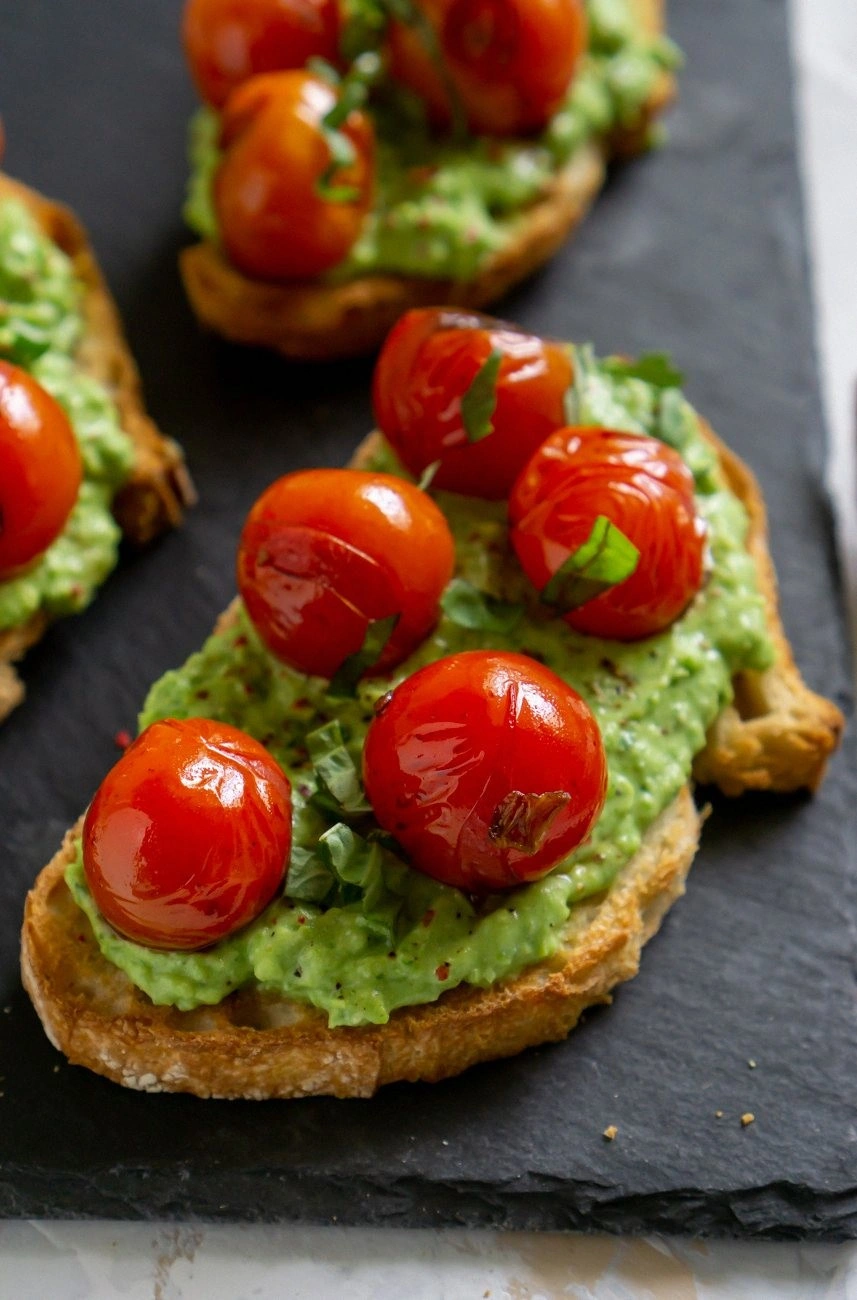
- Visual Appeal: The contrast of green pesto, red tomatoes, and golden crusted bread makes for a dish that looks as good as it tastes.
- Ease: All steps are straightforward, with no need for advanced equipment—just a blender and a skillet.
- Make‑ahead: The pesto can be prepared a day in advance and refrigerated, while the crostini can be assembled and baked fresh.
Alright, let’s break down exactly what goes into this masterpiece…
Inside the Ingredient List
The Flavor Base
Frozen peas are the heart of this pesto. They bring a subtle, sweet undertone that balances the herbaceous basil. If you skip them, the sauce will taste more like a traditional basil pesto, missing that green pop. For an extra zing, toss in a pinch of crushed red pepper during the blending stage.
Fresh basil is essential for that bright, aromatic note. Use whole leaves rather than chopped stems to keep the flavor pure. If you’re out of basil, a handful of fresh parsley can provide a similar green punch, though the flavor will shift slightly.
The Texture Crew
Ricotta cheese gives the pesto its creamy, almost airy texture. It’s lighter than cream cheese, so it doesn’t weigh down the bread. If ricotta isn’t available, cottage cheese can be a decent substitute, but blend it until smooth to avoid a lumpy finish.
Olive oil is the fat that binds everything together. The 3 tablespoons used here are just enough to create a silky mouthfeel without making the sauce greasy. If you prefer a richer sauce, add a tablespoon of extra virgin olive oil at the end of blending.
The Unexpected Star
Cherry tomatoes add a burst of sweetness and a pop of color. They’re caramelized to deepen their flavor, turning them into a sweet, almost caramel-like component that pairs beautifully with the tangy pesto. Skipping them would leave the dish too flat.
Balsamic vinegar is the secret to that glossy glaze that coats the tomatoes. It adds a subtle acidity and a hint of sweetness that balances the richness of the pesto. A tablespoon is enough; too much and it will overpower the other flavors.
The Final Flourish
Sourdough bread provides the perfect crunchy base. Its tangy flavor complements the basil and tomatoes, while the crusty edges add a satisfying crunch that shatters like thin ice when you bite. If you’re out of sourdough, a crusty Italian loaf works just fine.
Lemon juice brightens the entire dish, cutting through the richness of the ricotta and olive oil. It also helps keep the pesto from darkening. A squeeze of fresh lemon is more vibrant than bottled; the zest adds an extra layer of aroma.
Everything's prepped? Good. Let's get into the real action…
The Method — Step by Step
- Bring a pot of salted water to a rolling boil. Add the frozen peas and cook for 2–3 minutes until bright green and tender. Drain immediately and plunge them into ice water to stop the cooking process. This shock preserves their color and snap. Pat them dry with a towel; any excess moisture will dilute the pesto.
- In a blender or food processor, combine the peas, fresh basil leaves, 1 clove of garlic, the juice of half a lemon, and 1/2 cup ricotta cheese. Pulse until a smooth paste forms, adding a splash of warm water if needed to reach a silky consistency. The ricotta should be fully incorporated, giving the sauce a light, airy texture.
- Add 3 tablespoons of olive oil to the blender and blend again, ensuring the oil emulsifies with the rest of the ingredients. Taste and season with salt and pepper to your liking. The sauce should be creamy but not oily; the olive oil should be fully integrated, not forming a separate layer.
- While the pesto is blending, heat a large skillet over medium heat and add 1 tablespoon of olive oil. Slice the cherry tomatoes in half and add them to the skillet with a pinch of salt. Sauté for 5–7 minutes, stirring occasionally, until the tomatoes soften and start to caramelize. The edges should darken slightly, creating a sweet, almost caramelized glaze.
- Add 2 tablespoons of balsamic vinegar to the tomatoes and cook for another 2 minutes, letting the vinegar reduce and coat the tomatoes in a glossy glaze. This step is crucial; too much vinegar can make the sauce overly acidic. The tomatoes should look glossy and slightly syrupy.
- Meanwhile, preheat your oven to 425°F (220°C). Slice the sourdough bread into 8 even slices, about 1/2 inch thick. Brush each slice lightly with olive oil on both sides, then place them on a baking sheet. Toast in the oven for 8–10 minutes, flipping halfway through, until the edges are golden brown and the crust is crisp.
- Spread a generous spoonful of the pea pesto onto each toasted slice. The sauce should coat the bread evenly, creating a thick, flavorful layer. Be careful not to overload; you want the pesto to cling to the bread, not pool at the edges.
- Top each slice with a spoonful of the caramelized cherry tomatoes, then sprinkle with a pinch of freshly chopped basil and a dash of salt. The basil adds a fresh aroma, while the tomatoes bring a juicy burst of flavor. The result is a vibrant, colorful crostini that’s ready to serve.
- Return the crostini to the oven for an additional 2 minutes, just long enough to warm the toppings and meld the flavors. Watch the edges of the bread; they should be crisp and slightly blistered, a sign of perfect toast. Once done, remove from the oven and let cool for a minute before serving.
- Serve immediately, accompanied by a glass of chilled white wine or sparkling water. The crispness of the bread, the creamy pesto, and the sweet tomatoes create a harmonious bite that’s both refreshing and indulgent. Enjoy the applause from your guests—this is a dish that will be talked about for weeks.
That’s it—you did it. But hold on, I’ve got a few more tricks that will take this to another level. Stick with me; the next section is all about insider tips that even seasoned cooks will appreciate.
Insider Tricks for Flawless Results
The Temperature Rule Nobody Follows
Many people think any oven temperature will do, but the secret lies in the heat. Baking at 425°F (220°C) ensures the bread crisps up quickly, preserving its airy interior. If you lower the temperature, the bread will become soggy, and the pesto won’t set properly. Keep the heat high for a crisp finish.
Why Your Nose Knows Best
When the tomatoes start to caramelize, your nose will tell you it’s time. The sweet, buttery aroma indicates the sugars are blooming. If you wait too long, the tomatoes will lose their juicy texture and become mushy. Trust the scent, not the timer.
The 5-Minute Rest That Changes Everything
After removing the crostini from the oven, let them rest for 5 minutes before serving. This brief pause allows the flavors to meld and the crust to firm up slightly, ensuring each bite is crisp and flavorful. Skipping this step can leave the bread soggy.
Don’t Skip the Fresh Basil Garnish
A handful of fresh basil leaves on top not only adds color but also releases essential oils that brighten the dish. If you’re in a hurry, sprinkle chopped basil instead, but the whole leaves give a more aromatic experience.
Use a Food Processor for Speed
If you’re pressed for time, a food processor can blend the pesto in seconds, compared to a blender that might take longer. Just pulse until smooth, then add the olive oil in a slow stream to emulsify properly.
Creative Twists and Variations
This recipe is a playground. Here are some of my favorite ways to switch things up:
Cheesy Delight
Swap ricotta for cream cheese or mascarpone to create a richer, more indulgent pesto. The cheese will add a silky, slightly tangy depth that pairs beautifully with the tomatoes.
Spicy Kick
Add a pinch of crushed red pepper flakes to the pesto or sprinkle them over the finished crostini. The heat will contrast with the sweet tomatoes, creating a dynamic flavor profile.
Herb Fusion
Replace basil with a mix of fresh mint and cilantro for a fresh, zesty twist. The mint brings a cool note, while the cilantro adds a bright, citrusy aroma.
Vegan Version
Use a plant‑based ricotta alternative and ensure the bread is vegan. The result is a cruelty‑free version that still delivers the same vibrant flavors.
Seasonal Spin
In the fall, swap cherry tomatoes for roasted butternut squash cubes. The sweetness of the squash complements the green pesto, while the autumn spices add depth.
Storing and Bringing It Back to Life
Fridge Storage
Store the pesto in an airtight container in the refrigerator for up to 5 days. Cover it with a thin layer of olive oil to prevent oxidation. The pesto will remain vibrant and flavorful, ready for quick assembly.
Freezer Friendly
Freeze the pesto in a freezer‑safe container for up to 3 months. Thaw overnight in the refrigerator before using. The texture may be slightly thicker; whisk it to restore smoothness.
Best Reheating Method
To reheat the crostini, place them in a preheated oven at 350°F (175°C) for 5 minutes. Add a tiny splash of water to the baking sheet to create steam, keeping the bread crisp. This trick ensures the pesto stays creamy and the bread stays crunchy.