Picture this: I’m standing in a cramped kitchen, a pot of water boiling over, a handful of mussels on the counter, and a friend who’s dared me to make the ultimate comfort dish in under 45 minutes. I had no idea that the chaos of a ruined lasagna the night before would lead me to the discovery of a broth so silky that it feels like a warm hug. The night before, I tried to rescue a soggy casserole, only to end up with a kitchen that smelled like burnt onions and regret. I laughed at myself, but the next day I was determined to turn that disaster into a triumph.
The moment I cracked the first mussel shell, the scent of briny sea air mingled with the sharp, sweet perfume of garlic and miso, and I knew I was onto something. The sound of the shell opening was like a tiny drumbeat, a cue that the broth was about to transform into a velvet‑like sauce that would coat every shell. My senses were in overdrive: the bright green of chives, the deep amber of sesame oil, the faint hiss of chili oil. I could taste the umami already—an invisible wave that promised depth and warmth. The texture was a promise of tender mussels, a slight crunch of crusty bread, and a silky finish that melts in your mouth.
What makes this version stand out isn’t just the combination of ingredients—it’s the way each element is amplified. The miso adds a fermented sweetness that balances the sharpness of fish sauce. The sesame oil gives a nutty undertone that feels like a secret handshake between East and West. The fresh tomato cuts through the richness, adding a bright, almost citrusy zing. The cooking cream or soy cream rounds everything out, giving a silky mouthfeel that feels like a cloud. And the final touch of chives and chili oil provides a fresh, peppery finish that wakes up your palate.
I’ll be honest—when I first tasted this broth, I didn’t even think about a second helping. I dared you to taste it and not go back for seconds, and I’ve seen people come back for a second, third, and even a fourth. The next part of this article will walk you through every single step. By the end, you’ll wonder how you ever made it any other way.
What Makes This Version Stand Out
- Taste: The broth is a masterclass in umami, where miso, fish sauce, and mirin dance together to create a depth that feels like a hug. Every spoonful is a burst of savory, slightly sweet, and aromatic flavors that linger on the tongue.
- Texture: The mussels stay tender and succulent, while the broth coats them like a silky coat of velvet. The cream adds a luxurious mouthfeel that feels like a soft blanket.
- Ingredient Quality: Fresh, high‑quality mussels are the backbone. Using a small batch of white miso instead of regular miso gives a lighter, cleaner sweetness that doesn’t overpower.
- Cooking Method: Quick searing followed by a gentle simmer keeps the mussels from overcooking and preserves their natural brininess.
- Versatility: The broth can be served as a soup, a sauce for pasta, or a dipping sauce for crusty bread. It’s a crowd‑pleaser that works for dinner parties or a quiet night in.
- Make‑Ahead Potential: The broth can be made ahead and reheated with minimal loss of flavor. The mussels can be steamed fresh when ready to serve.
- Health Factor: Low in calories, high in protein, and packed with minerals from the mussels, this dish is both comforting and nutritious.
Inside the Ingredient List
The Flavor Base
The flavor base is where the soul of the broth is born. 3 tablespoons of vegetable oil and 2 tablespoons of sesame oil are the first to hit the pan, creating a fragrant foundation that carries the garlic and ginger. The onion, finely diced, adds sweetness and depth as it caramelizes. When the garlic is added, its aroma becomes intoxicating, releasing a warm, almost sweet scent that sets the stage for the miso. The white miso, a small spoonful, brings a mellow, fermented sweetness that balances the fish sauce’s saltiness.
The Texture Crew
Mussels are the star of the show. 4.5 pounds of fresh mussels, cleaned and debearded, bring a briny, slightly sweet flavor that pairs perfectly with the broth. The 0.75 cup of vegetable or chicken broth provides body without overpowering, while the 0.25 cup of cooking cream or soy cream adds silky richness. The 1 tablespoon of unsalted butter gives a buttery sheen that ties everything together. If you’re feeling adventurous, replace the cooking cream with coconut milk for a tropical twist.
The Unexpected Star
The tomato adds a bright, almost citrusy note that cuts through the richness. The 1 tablespoon of fish sauce brings a deep, briny umami that can’t be replicated by any other ingredient. Mirin, a sweet rice wine, adds a subtle sweetness that balances the saltiness of the fish sauce and miso. Together, these ingredients create a broth that is complex yet approachable.
The Final Flourish
The finishing touches are what elevate this dish from good to unforgettable. 2 tablespoons of chopped chives provide a fresh, green pop of color and a mild onion flavor. Chili oil and chili pepper add heat, but you can adjust the amount to taste. The crusty bread, toasted to a golden brown, acts as the perfect vehicle to soak up the broth. A squeeze of fresh lemon juice right before serving brightens the dish and adds a hint of acidity that balances the richness.
Everything’s prepped? Good. Let’s get into the real action.
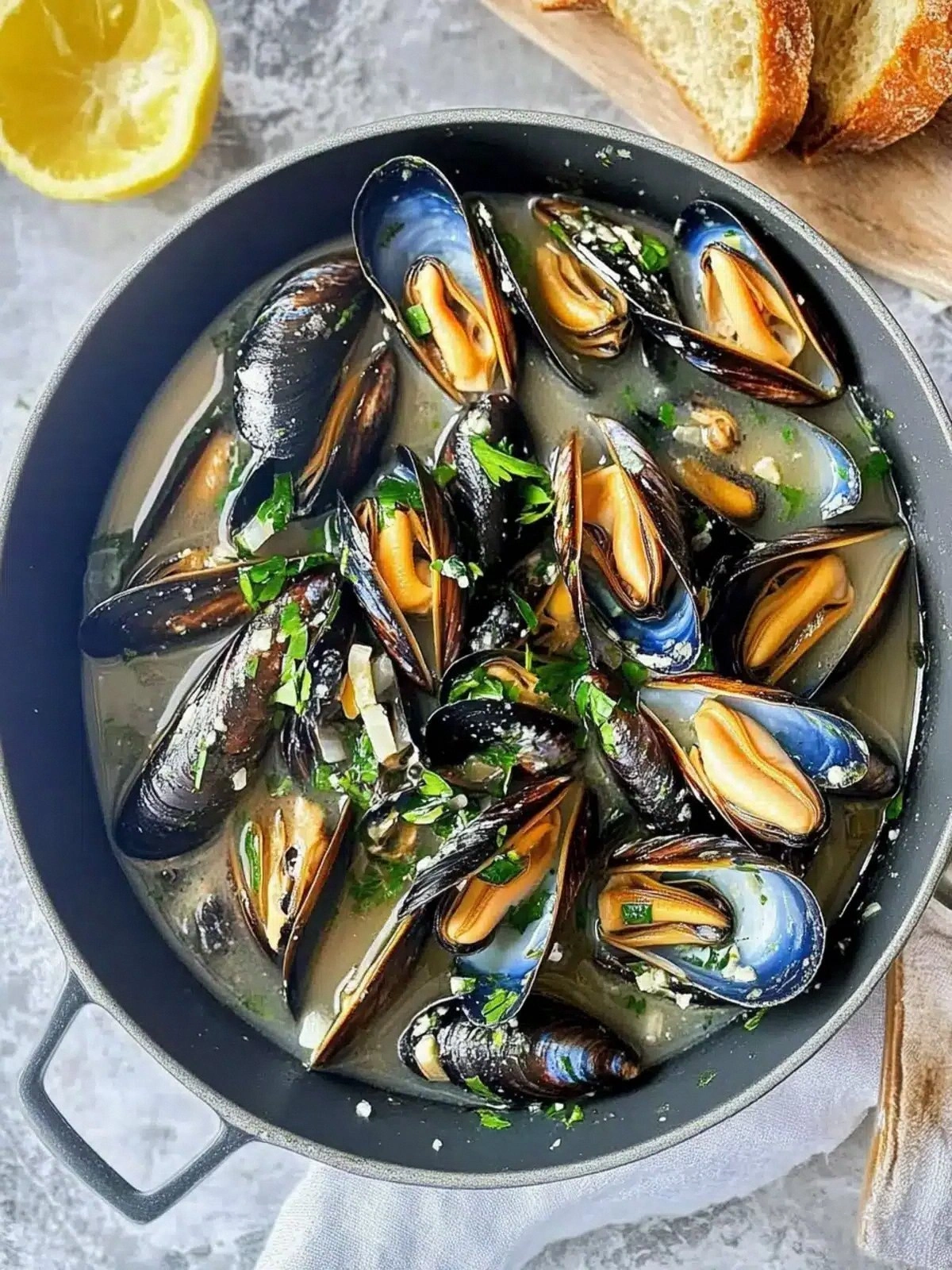
The Method — Step by Step
- Heat the vegetable oil in a large, heavy‑bottomed pot over medium heat. Once the oil shimmers, add the sesame oil, letting the two oils mingle. When the sesame oil starts to smoke slightly, add the diced onion and sauté until translucent, about 4 to 5 minutes. The onion should look soft, not browned, because we want sweetness, not bitterness.
- Add the minced garlic and grated ginger to the pot. Let them cook until fragrant, about 30 seconds to 1 minute. Watch carefully—garlic burns fast, and a burnt scent will ruin the broth. I swear, that sizzling sound when the garlic hits the oil is absolute perfection.
- Stir in the white miso and fish sauce, mixing until the miso dissolves completely. The mixture should become a smooth, glossy paste that coats the bottom of the pot. This step is crucial for building the umami foundation. If the miso clumps, it’s a sign the heat was too high.
- Pour in the vegetable or chicken broth, followed by the tomato, which adds a splash of acidity and color. Bring the mixture to a gentle simmer, then reduce the heat to low. The broth should bubble lightly, not roar, to preserve the delicate flavors.
- Add the mussels to the pot, making sure they’re evenly distributed. Cover the pot with a lid and let the mussels steam for about 5 to 7 minutes. The mussels will open like a secret treasure chest; any that remain closed after 10 minutes are best discarded. The steam should carry the aroma of garlic, miso, and the sea.
- While the mussels are cooking, whisk together the cooking cream (or soy cream) and the butter in a small bowl. Once the mussels are done, pour this mixture into the pot. Stir gently so the broth thickens slightly, creating a silky coating for the mussels. The butter should melt into the broth, giving it a glossy sheen.
- Add the chili oil and sliced chili pepper to the pot. Stir to combine, and let the broth simmer for another minute. The heat should be just enough to release the pepper’s aroma without making the broth too spicy. If you’re a heat lover, add more chili pepper; if you’re cautious, keep it light.
- Stir in the chopped chives, letting them wilt slightly. The green color will brighten the broth and add a fresh, herbal note. This is the moment of truth—if the broth feels too thick, add a splash of water or more broth to reach your desired consistency.
- Taste the broth and adjust seasoning. If it needs more salt, add a pinch of salt or a splash of fish sauce. If it feels flat, a squeeze of lemon juice can bring a bright, citrusy lift. The broth should taste like a well‑balanced symphony of umami, sweetness, acidity, and spice.
- Serve the mussels and broth in bowls, ladling the liquid over each mussel. Offer toasted crusty bread on the side for dipping. This final plating is where the dish truly shines—watch as the bread soaks up the silky broth, turning it into a decadent treat. And there you have it—Mussels in Garlic Miso Broth, ready to be devoured.
That’s it—you did it. But hold on, I’ve got a few more tricks that will take this to another level. These insider tips will help you avoid common pitfalls and elevate the dish to restaurant‑quality.
Insider Tricks for Flawless Results
The Temperature Rule Nobody Follows
Many cooks think that a high heat will make the broth richer, but that’s a myth. The key is to keep the broth at a gentle simmer throughout the cooking process. A rolling boil can cause the mussels to overcook and the broth to become cloudy. Keep the heat low after adding the mussels, and the broth will stay clear and silky.
Why Your Nose Knows Best
When the broth is ready, close your eyes and take a deep sniff. If it smells like a garden, it’s probably under‑seasoned. If it smells like a sea‑salted bakery, it’s over‑seasoned. Trust your nose; it’s the most reliable way to gauge seasoning. I’ve learned to adjust the fish sauce and miso by the nose, not by the spoon.
The 5-Minute Rest That Changes Everything
After the mussels have finished cooking, let the pot sit covered for 5 minutes off the heat. This resting period allows the flavors to meld and the broth to thicken slightly. The mussels also finish absorbing the broth, becoming even more flavorful. It’s a small step that makes a huge difference.
The Quick Toast Trick
When you’re ready to serve, toast the crusty bread in a skillet with a drizzle of olive oil until golden brown. The toasted bread should be crisp on the outside and soft inside, providing the perfect contrast to the silky broth. A quick toast in a pan takes less than 3 minutes, but it adds a delightful crunch.
The Final Splash of Lemon
Just before serving, squeeze a small amount of fresh lemon juice over the mussels. The acidity brightens the broth and cuts through the richness, giving the dish a fresh, vibrant finish. If you’re not a fan of lemon, a splash of rice vinegar will do the trick.
Creative Twists and Variations
This recipe is a playground. Here are some of my favorite ways to switch things up:
Seafood Medley
Add a handful of shrimp or clams to the pot during the last 3 minutes of cooking. The extra seafood adds texture and a deeper oceanic flavor that pairs well with the miso broth.
Spicy Korean Fusion
Swap the white miso for a small amount of gochujang (Korean red chili paste) and add a tablespoon of toasted sesame seeds. The result is a smoky, spicy broth that’s perfect for a Korean‑inspired twist.
Vegan Version
Replace the mussels with firm tofu or tempeh, and use vegetable broth. Keep the miso, fish sauce, and mirin, but use a vegan fish sauce alternative. The tofu will absorb the broth, creating a plant‑based version that still feels hearty.
Herb‑Infused Broth
Add a handful of fresh herbs like parsley, cilantro, or basil during the last 2 minutes of simmering. The herbs will release their aroma, giving the broth a fresh, green note that complements the mussels.
Smoky Twist
Add a splash of smoked paprika or a pinch of liquid smoke to the broth. The smokiness pairs beautifully with the briny mussels and gives the dish a campfire‑like flavor.
Storing and Bringing It Back to Life
Fridge Storage
Cool the broth completely, then transfer it to an airtight container. Store in the refrigerator for up to 3 days. The mussels should be kept separate in a sealed container and added fresh when you’re ready to serve.
Freezer Friendly
Pour the broth into a freezer‑safe container, leaving a little headspace for expansion. Freeze for up to 2 months. Thaw overnight in the refrigerator, then reheat gently on the stove. Add fresh mussels when reheating.
Best Reheating Method
To reheat, bring the broth to a gentle simmer over low heat. Add a tiny splash of water or broth to prevent it from becoming too thick. Once heated, add fresh mussels and cook for 5 minutes. The broth will regain its silky texture and bright flavors.