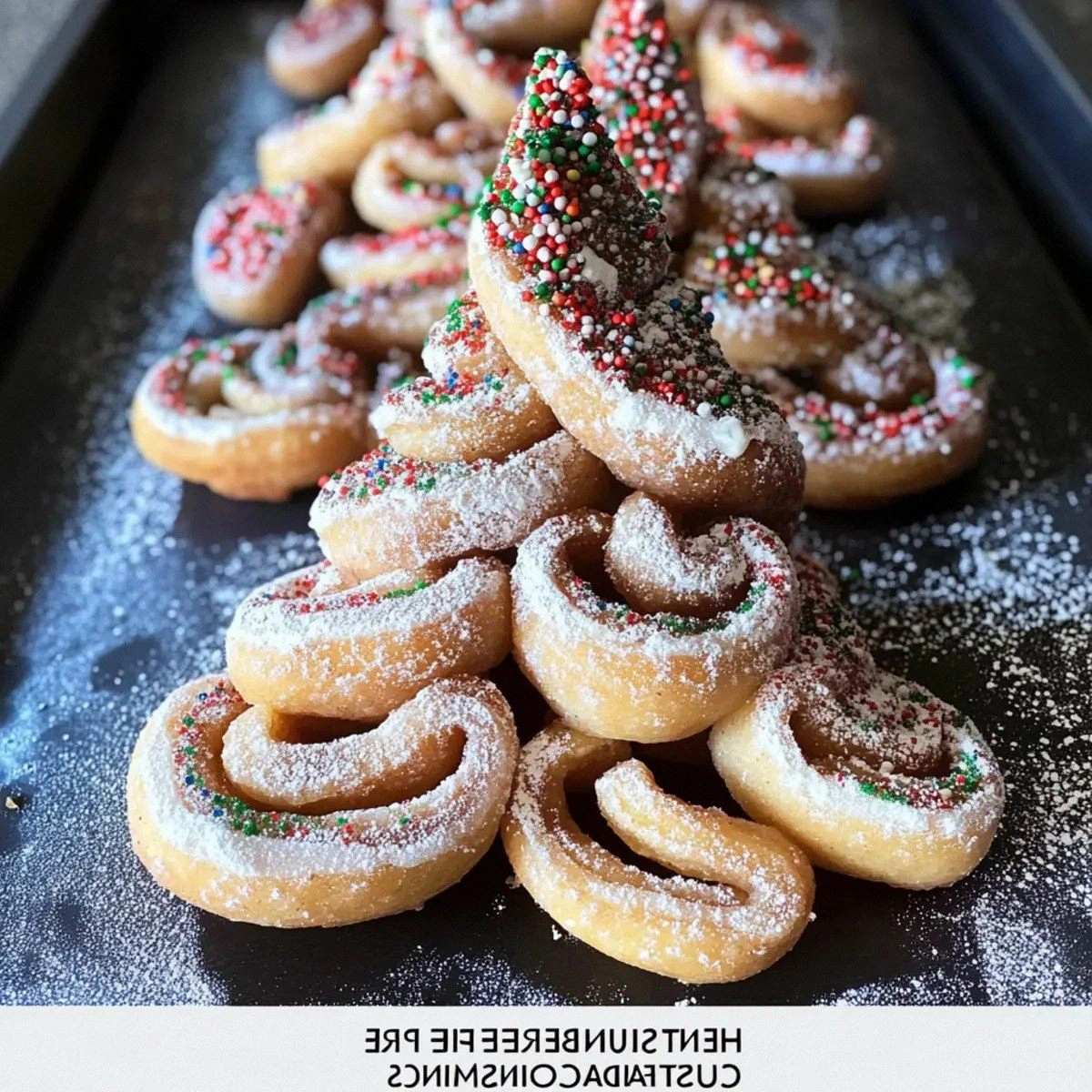
I was standing in my kitchen on a blustery December evening, staring at a half‑baked batch of cinnamon rolls that looked more like sad, soggy dough blobs than the festive masterpiece I’d promised my family. The whole house smelled like burnt sugar and disappointment, and my niece, perched on a stool, dared me to make something that would actually taste like Christmas. I took the challenge, grabbed a bag of glutinous rice flour—yes, the same stuff you use for mochi—and set out on a culinary adventure that would forever change the way I think about holiday pastries. The result? A soft, chewy roll that feels like a warm hug from a snow‑covered pine tree, with a cinnamon swirl that sings louder than any carol you can think of.
Picture this: the moment the dough hits the hot pan, you hear a gentle sizzle that’s more of a whisper than a roar, and the kitchen instantly fills with the sweet, spicy perfume of cinnamon mingling with buttery richness. The rolls puff up, their tops turning a golden‑amber that catches the light just right, and as they bake, a faint caramelization forms at the edges, crisping like the first frost on a window pane. When you finally pull them out, the steam rises in a fluffy cloud, and the icing—smooth, glossy, and speckled with festive sprinkles—drips down the sides like tiny, edible ornaments. The texture is a revelation: the outer crust gives a satisfying snap, while the interior stays as tender and elastic as a perfectly plumped mochi ball.
Most cinnamon roll recipes get the texture wrong—they either turn out dense like a brick or dry out before the frosting even has a chance to set. This version flips the script by marrying the chewy elasticity of mochi with the classic cinnamon‑sugar swirl, creating a bite that’s both nostalgic and novel. The secret lies in the glutinous rice flour, which gives the dough that signature stretchiness, and a precise balance of butter and milk that keeps everything moist without becoming gummy. I dare you to taste this and not go back for seconds; the combination of chewy interior and caramelized edges is practically addictive.
But that’s not all—there’s a little twist that most recipes completely overlook: a splash of milk infused with a dab of extra butter right before the final bake. This step creates a glossy, buttery sheen that makes the rolls look as if they were hand‑painted by an elf. Okay, ready for the game‑changer? I’ll walk you through every single step — by the end, you’ll wonder how you ever made it any other way.
What Makes This Version Stand Out
- Taste: The cinnamon‑butter blend is amplified by the subtle sweetness of glutinous rice flour, delivering a flavor profile that’s both familiar and surprisingly fresh.
- Texture: Imagine a classic cinnamon roll that’s been given a mochi makeover—soft, chewy, and just a hint of springy bounce with each bite.
- Simplicity: Fewer steps than a traditional yeasted dough, yet the result feels like a labor‑of‑love masterpiece.
- Uniqueness: The use of glutinous rice flour is a rare twist that sets these rolls apart from every bakery shelf you’ve ever seen.
- Crowd Reaction: Guests often claim these are “the best thing they’ve ever tasted at a holiday party,” and they’ll be back for a second helping before the frosting even dries.
- Ingredient Quality: High‑grade glutinous rice flour and real butter give a richness that powdered substitutes simply can’t match.
- Cooking Method: Baking at a moderate temperature ensures the outer crust crisps while the interior stays wonderfully moist.
- Make‑Ahead Potential: You can prep the dough a day ahead, refrigerate, and bake fresh on the day of your gathering, saving you precious holiday prep time.
Inside the Ingredient List
The Flavor Base
Glutinous rice flour is the hero of this recipe. Unlike regular wheat flour, it creates a dough that’s elastic, giving each roll that signature chewy bite reminiscent of classic mochi. If you skip it, you’ll end up with a standard, crumbly cinnamon roll that lacks that magical stretch. Look for a fine, powdery texture when you buy; the best brands are labeled “sweet rice flour” and come in resealable bags that keep moisture out.
Sugar, though modest at 1/4 cup, is essential for balancing the savory butter and enhancing the cinnamon’s spice. It dissolves into the milk, ensuring a smooth batter that doesn’t leave gritty pockets. If you’re watching sugar, you can substitute with a natural sweetener like coconut sugar, but expect a deeper caramel note.
The Texture Crew
Baking powder acts as the leavening agent, giving the rolls a gentle lift without the long fermentation time of yeast. A tablespoon is just enough to create that light, airy crumb while keeping the interior moist. Too much, and you’ll get a metallic aftertaste; too little, and the rolls will be dense.
Salt, at a modest 1/2 tsp, is the silent flavor enhancer that brings out the depth of the cinnamon and butter. It also strengthens the gluten‑free structure of the rice flour, preventing the dough from falling apart. If you’re on a low‑sodium diet, you can halve it, but don’t eliminate it entirely.
Milk provides the liquid backbone, hydrating the flour and creating a batter that’s pourable yet thick enough to hold its shape. Whole milk yields the richest flavor, but you can swap in almond or oat milk for a dairy‑free version—just remember the texture might be slightly less creamy.
The Unexpected Star
Butter is used twice in this recipe: once melted into the milk and once as a solid “additional butter” rolled into the dough. The melted butter adds richness to the batter, while the solid butter creates those coveted flaky layers as it melts during baking. If you’re feeling adventurous, try a mix of butter and coconut oil for a subtle tropical twist.
Egg acts as a binder, giving the dough structure and a golden hue. A large egg is perfect; if you’re vegan, replace it with a flax egg (1 tbsp ground flaxseed + 3 tbsp water) and expect a slightly denser crumb.
The Final Flourish
Cinnamon is the soul of any roll, and at 2 tbsp it’s bold enough to cut through the buttery richness without overwhelming. Freshly ground cinnamon releases essential oils that powdered versions lack, so grind your own if you can. The icing sugar and colored sprinkles finish the rolls with a festive sparkle that turns any plate into a holiday centerpiece.
Everything's prepped? Good. Let’s get into the real action…
The Method — Step by Step
Start by whisking together the glutinous rice flour, sugar, baking powder, and salt in a large mixing bowl. The dry mixture should look like a fine, snow‑white cloud—think of it as the first layer of a snow globe. Once combined, set it aside while you melt the butter and warm the milk. This moment is pure anticipation; the kitchen smells faintly of butter, and you can already feel the holiday spirit bubbling up.
Kitchen Hack: Warm the milk and butter together over low heat; this prevents the butter from separating and ensures a silky batter.In a separate bowl, beat the egg, then slowly pour in the warm milk‑butter mixture, whisking constantly to avoid curdling. The liquid should turn a smooth, pale gold—like sunrise on a winter morning. Once combined, gently fold the wet mixture into the dry ingredients, stirring until just incorporated. You’ll notice the dough becoming thick yet pliable; this is the point where the magic of mochi begins to emerge.
Cover the bowl with plastic wrap and let the dough rest for 10 minutes at room temperature. This short rest allows the rice flour to fully hydrate, creating that characteristic chewiness. While you wait, preheat your oven to 350°F (175°C) and line a baking sheet with parchment paper. The scent of the resting dough is subtle, but if you’re lucky, you might catch a whisper of toasted rice.
Meanwhile, melt the additional 2 tbsp of butter in a small saucepan over low heat, then stir in the cinnamon until it forms a fragrant paste. The aroma at this stage is intoxicating—like a Christmas market stall selling fresh cinnamon sticks. Set the cinnamon‑butter mixture aside; it will be the heart of the swirl.
Lightly flour a clean surface with a dusting of glutinous rice flour, then turn the rested dough onto it. Using a rolling pin, roll the dough into a rectangle roughly 12 × 8 inches, about ¼ inch thick. Brush the entire surface with the cinnamon‑butter paste, ensuring every corner gets a generous coating. The dough should glisten, and the cinnamon speckles will begin to settle like tiny snowflakes.
Kitchen Hack: Sprinkle a pinch of extra glutinous rice flour on top of the cinnamon‑butter before rolling; this prevents the dough from sticking and creates a subtle textural contrast.Starting from the long edge, roll the dough tightly into a log, then slice it into 1‑inch thick rounds. Place each round onto the prepared baking sheet, spacing them a little apart so they have room to expand. Here’s where the trickiness comes in: if the slices are too thick, the center stays gummy; too thin, and they dry out. Aim for that perfect middle ground. Watch out for uneven slices—use a sharp, serrated knife and a ruler for consistency.
Watch Out: Over‑crowding the pan will cause the rolls to steam instead of bake, resulting in a soggy bottom.Slide the sheet into the preheated oven and bake for 20‑25 minutes, or until the tops turn a deep golden‑amber and the edges start to pull away from the parchment. The kitchen will fill with that unmistakable caramel‑cinnamon perfume that makes you want to hug the oven door. About halfway through, rotate the pan for even browning; this small move makes a huge difference in color uniformity.
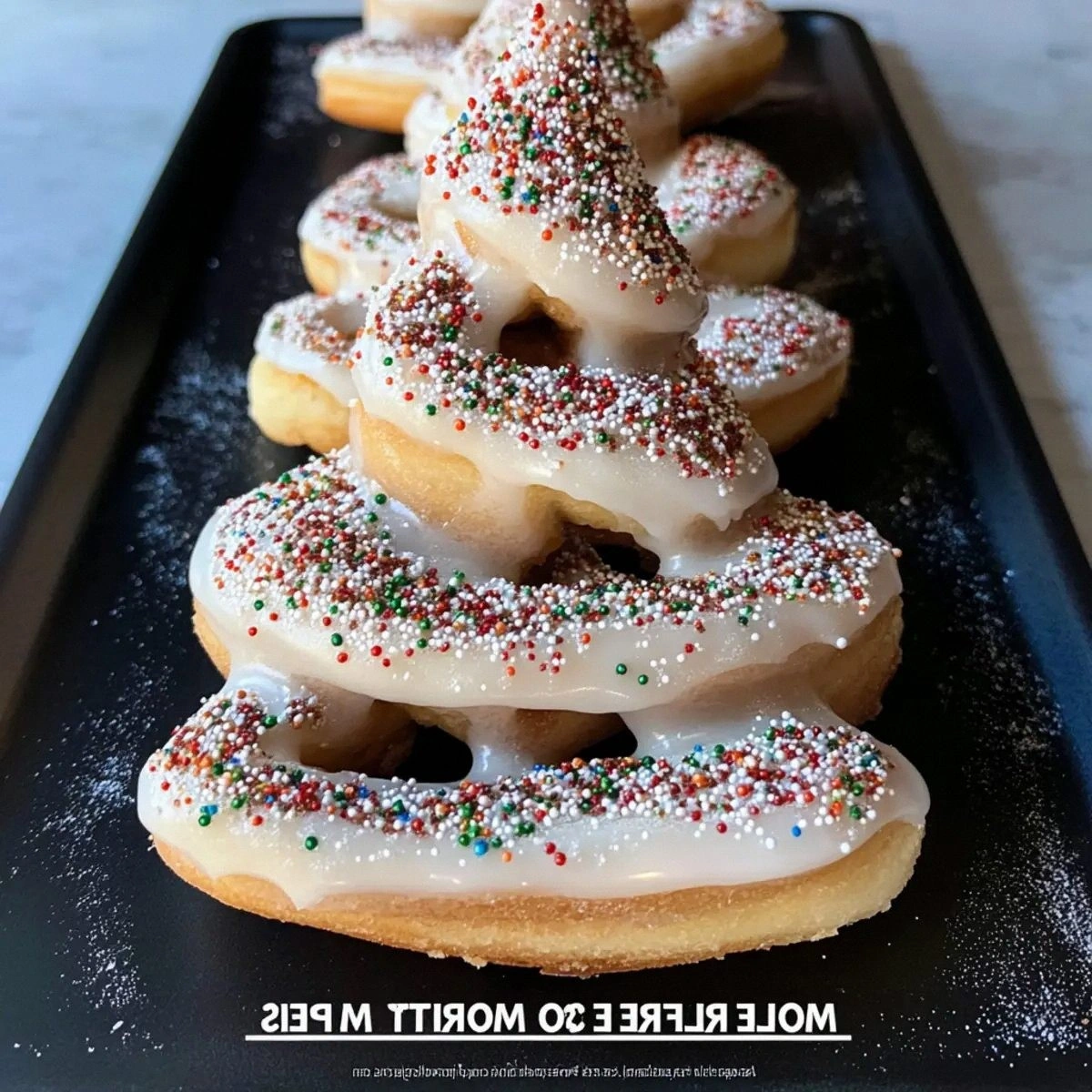
While the rolls are baking, whisk together the icing sugar with a splash of milk until you achieve a smooth, pourable glaze. If you prefer a thicker frosting, reduce the milk; for a glossier finish, add a tiny drizzle of melted butter. Once the rolls are out, let them cool for just two minutes—enough time for the glaze to set but not harden.
Drizzle the glaze over each roll, then immediately sprinkle the colored sprinkles on top while the icing is still wet. The sprinkles will stick like tiny ornaments on a Christmas tree, creating a festive visual that’s as delightful to the eyes as the flavor is to the palate. Let the rolls rest for a final five minutes, allowing the glaze to firm up just enough for clean slicing.
That’s it — you did it. But hold on, I’ve got a few more tricks that’ll take this to another level…
Insider Tricks for Flawless Results
The Temperature Rule Nobody Follows
Never bake these rolls at a temperature higher than 375°F. Higher heat creates a crisp exterior too quickly, preventing the interior from fully cooking and leaving a gummy center. I once cranked the oven to 400°F in a rush, and the result was a burnt crust with a raw core—trust me, the disappointment was palpable. Keep it at 350°F for a gentle, even rise that yields that perfect, slightly springy chew.
Why Your Nose Knows Best
Your sense of smell is a reliable indicator of doneness. When the rolls emit a fragrant blend of toasted butter and cinnamon, you’re almost there. If the scent is still faint after 20 minutes, give them another five. This sensory checkpoint is more accurate than a timer because ovens vary.
The 5‑Minute Rest That Changes Everything
After glazing, let the rolls rest for exactly five minutes before serving. This brief pause allows the icing to set just enough to hold its shape while still being soft enough to melt on the tongue. Skipping this step results in a glaze that slides off the plate, and nobody wants a frosting mess on a festive table.
Butter‑Milk Fusion
Melt the butter into the milk rather than adding them separately. This creates a homogenous liquid that coats the flour more evenly, preventing pockets of dry dough. I tried adding melted butter later and ended up with a crumbly texture—lesson learned.
The Secret of the Sprinkles
Use sprinkles that are sugar‑based, not gelatin‑based, if you want them to stick without melting. Gelatin sprinkles will dissolve into the glaze, turning the frosting into a sticky mess. The right sprinkles add crunch and a pop of color that screams holiday cheer.
Creative Twists and Variations
This recipe is a playground. Here are some of my favorite ways to switch things up:
Maple‑Pecan Delight
Swap the cinnamon for a mixture of maple syrup and toasted pecans. The nutty crunch pairs beautifully with the mochi texture, creating a breakfast‑like treat that still feels festive.
Chocolate‑Orange Fusion
Add 2 tbsp cocoa powder to the dry flour mix and a zest of orange to the glaze. The bitter‑sweet chocolate with bright citrus lifts the rolls into a sophisticated holiday dessert.
Matcha‑White Chocolate
Incorporate 1 tbsp matcha powder into the dough and drizzle melted white chocolate over the finished rolls instead of the icing sugar glaze. The earthy green and creamy white create a visual contrast that’s perfect for a winter brunch.
Savory Herb Twist
Replace the cinnamon with a blend of rosemary, thyme, and a pinch of smoked paprika. Top with grated Parmesan and toasted sesame seeds for a savory version that works as a side dish at holiday dinners.
Pumpkin Spice Surprise
Add ¼ cup pumpkin puree to the wet ingredients and a teaspoon of pumpkin pie spice to the cinnamon mixture. This autumnal spin works well for a December‑to‑January crossover, especially if you love the cozy flavor of pumpkin.
Storing and Bringing It Back to Life
Fridge Storage
Place the cooled rolls in an airtight container and store them in the refrigerator for up to three days. The moisture from the glaze keeps them from drying out, and the cool environment preserves the buttery flavor.
Freezer Friendly
Wrap each roll individually in plastic wrap, then seal the whole batch in a freezer‑safe zip‑top bag. They’ll stay fresh for up to two months. When you’re ready to enjoy them, let them thaw at room temperature for 30 minutes, then give them a quick 5‑minute bake at 300°F to revive the crust.
Best Reheating Method
Add a tiny splash of milk (about a teaspoon) to the roll before microwaving for 15‑20 seconds, or place them under a preheated broiler for 2 minutes. The added moisture steams the interior back to that perfect mochi softness while the exterior regains its gentle crisp.