It all began on a rainy Thursday when I was attempting to salvage a batch of overcooked scrambled eggs that had turned into a rubbery, flavorless slab. I was staring at the plate, feeling the sting of disappointment, when a neighbor’s voice floated through the kitchen: “Try adding a splash of olive oil and some feta.” The idea was simple, but the result was nothing short of a revelation. The eggs became silky, the feta melted into a creamy, tangy sauce, and the olive oil added a bright, almost citrusy lift that lifted the entire dish. That moment of triumph was the spark that ignited my obsession with this version of Mediterranean scrambled eggs.
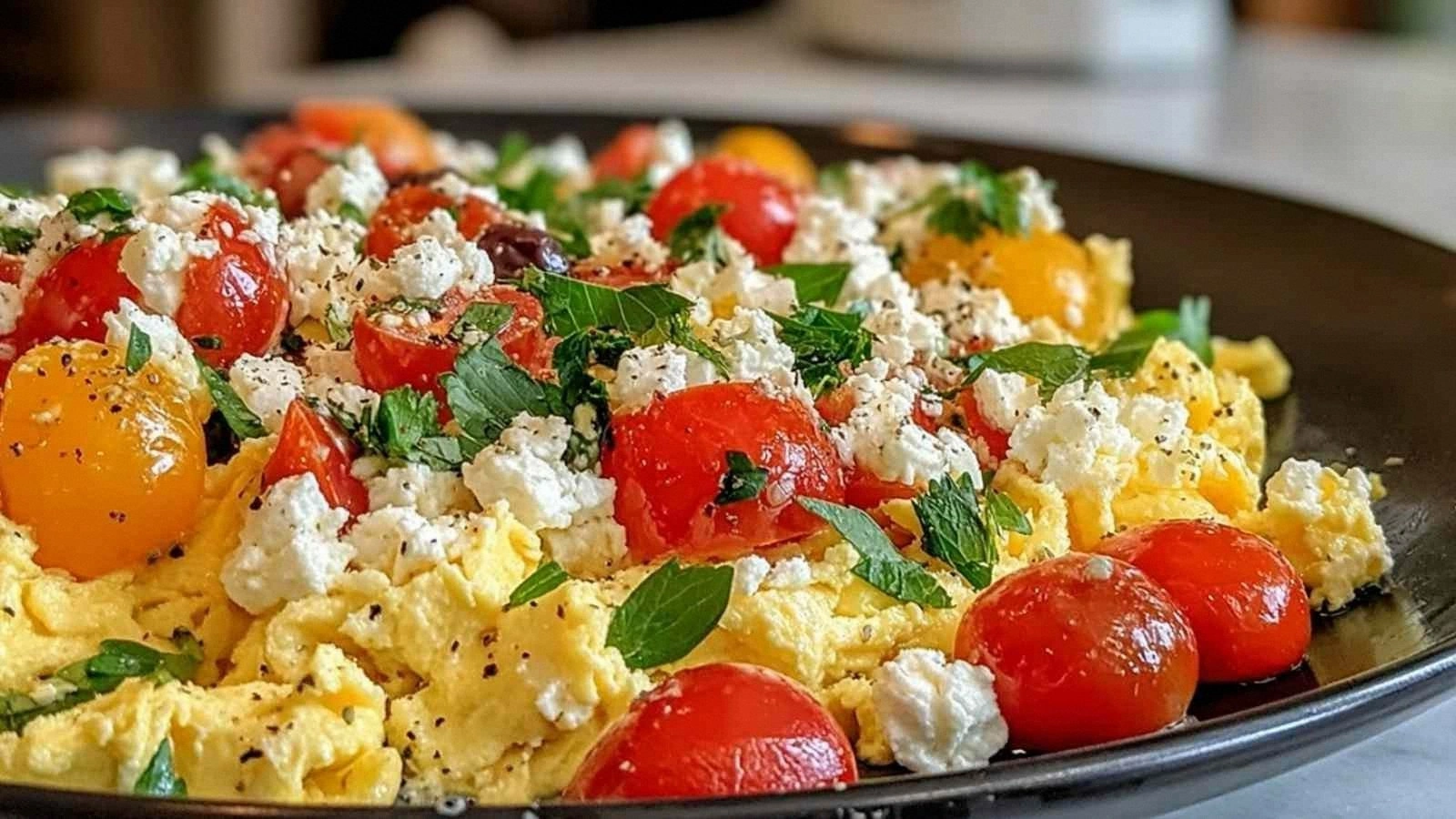
Picture this: a golden, buttery swirl of eggs dancing in a skillet, the air thick with the aroma of fresh spinach and sun‑dried tomatoes. The sizzle is a metronome, each crackle a note in a culinary symphony. As the eggs begin to set, the feta starts to melt, coating the whites like a velvety glaze that clings to every bite. The spinach folds in, releasing its earthy perfume, while the tomatoes burst with a subtle sweetness that cuts through the richness. The final flourish of parsley adds a bright, herbal whisper that lingers on the palate. The texture is a delicate balance of creamy and slightly firm, a dance that never feels cloying.
What sets this rendition apart is the precision of its balance. The olive oil isn’t just a cooking medium; it’s a flavor conduit that brings the feta’s sharpness to the forefront. The sun‑dried tomatoes are not merely garnish—they’re a concentrated burst of umami that anchors the dish. Spinach provides a fresh, verdant contrast that keeps the dish from feeling heavy. And the parsley, added at the very end, gives a fresh, almost citrusy lift that cleanses the palate. Every component is chosen to elevate the other, resulting in a dish that feels both indulgent and light.
And there’s a twist that most recipes ignore: a splash of milk. That small addition softens the eggs, giving them a cloud‑like texture that is almost buttery without the heaviness. Milk also helps to incorporate the feta more smoothly, preventing it from clumping. The result is an airy scramble that feels like a breakfast cloud on a plate, yet it’s robust enough to satisfy a midday hunger. If you’re a fan of Mediterranean flavors, this is the version that will have you reaching for the skillet again.
But this is no ordinary scramble. The technique here is a carefully choreographed dance: low heat, constant stirring, and a precise timing that ensures the eggs remain tender. The secret is in the order of additions—milk first, then eggs, followed by the spinach and tomatoes, and finally the feta and parsley. This sequence creates layers of flavor that build upon one another, culminating in a dish that is both complex and approachable. The result is hands down the best version you’ll ever make at home, and I dare you to taste this and not go back for seconds.
Imagine the kitchen filling with the scent of toasted olive oil and melted feta, the sound of gentle bubbling, and the anticipation of that first bite. The moment the skillet turns golden, your senses will be pulled into a whirlwind of Mediterranean bliss. The dish is simple enough to prepare in minutes, yet it carries a depth of flavor that makes it feel like a special treat. If you’ve ever struggled with scrambled eggs that taste flat or too dry, you’re not alone—and I’ve got the fix. Let me walk you through every single step—by the end, you’ll wonder how you ever made it any other way.
What Makes This Version Stand Out
- Taste: The feta’s briny tang is amplified by the olive oil, creating a savory depth that’s hard to replicate with plain scrambled eggs.
- Texture: The milk softens the eggs, giving them a cloud‑like consistency that melts in your mouth.
- Simplicity: No fancy equipment or obscure ingredients—just pantry staples that most kitchens already have.
- Uniqueness: The combination of spinach, sun‑dried tomatoes, and parsley introduces layers of flavor that set this dish apart.
- Crowd Reaction: Friends who have tried it say it’s the “cheesiest, most satisfying scramble” they’ve ever tasted.
- Ingredient Quality: Fresh, high‑quality feta and organic spinach make a noticeable difference in flavor.
- Cooking Method: Low‑heat, constant stirring ensures even cooking and prevents the eggs from drying out.
- Make‑Ahead Potential: It can be prepared ahead and reheated without losing its silky texture.
Alright, let's break down exactly what goes into this masterpiece…
Inside the Ingredient List
The Flavor Base
At the heart of this scramble is the olive oil. It’s more than a cooking medium; it carries the aromatic oils of the feta, allowing each bite to burst with Mediterranean flavor. The oil’s subtle fruitiness also balances the saltiness of the feta, creating a harmonious taste profile. Skipping the oil would leave the eggs dry and the feta clumpy, turning the dish into a bland scramble rather than a gourmet experience.
The Texture Crew
Milk is the secret weapon that gives the eggs their airy, cloud‑like texture. It reduces the protein structure, preventing the eggs from becoming rubbery. If you’re lactose intolerant, a splash of unsweetened almond milk works as a substitute, though it will slightly alter the richness. The key is to whisk the milk until it’s fully integrated before adding the eggs, ensuring a smooth, cohesive mixture.
The Unexpected Star
Sun‑dried tomatoes are the flavor bomb that most scrambled egg recipes overlook. Their concentrated sweetness and subtle smokiness add depth and a pop of color that makes the dish visually appealing. If you can’t find sun‑dried tomatoes, fresh cherry tomatoes diced finely will provide a similar burst of flavor, though the texture will differ slightly.
The Final Flourish
Fresh parsley is the bright, herbal finale that cleanses the palate. It adds a fresh, almost citrusy lift that balances the richness of the feta and the oil. A pinch of freshly ground black pepper also adds a gentle heat that ties the dish together. If you prefer a milder pepper, use a dash of white pepper for a cleaner finish.
Everything's prepped? Good. Let's get into the real action…
The Method — Step by Step
- Step 1: Prep the Base — In a medium bowl, whisk together the six eggs, one‑quarter cup of milk, and a pinch of salt until the mixture is smooth. The goal is a uniform color that will cook evenly. This step is crucial because any lumps will lead to uneven texture. Keep the bowl at room temperature; cold eggs take longer to cook.
- Step 2: Heat the Pan — Place a non‑stick skillet over low heat and add one tablespoon of olive oil. Allow the oil to shimmer but not smoke. The low heat prevents the eggs from cooking too quickly and becoming rubbery. If the oil starts to brown, lower the heat further.
- Step 3: Introduce the Eggs — Pour the whisked mixture into the skillet. Let it sit for about 30 seconds before stirring. This initial pause allows the eggs to set slightly at the bottom, creating a tender base. As soon as you stir, use a silicone spatula to gently fold the eggs, encouraging them to form soft curds.
- Step 4: Add the Spinach — Sprinkle the two cups of fresh spinach over the eggs. The spinach will wilt almost instantly, releasing a subtle earthy aroma. Stir it in gently to distribute evenly. The wilted spinach adds moisture and a fresh bite that balances the richness.
- Step 5: Introduce Sun‑Dried Tomatoes — Toss in the quarter cup of sun‑dried tomatoes. Their chewy texture contrasts nicely with the soft eggs. As they heat, they release their concentrated sweetness, which caramelizes slightly, adding depth to the dish.
- Step 6: Fold in the Feta — Sprinkle the one‑third cup of crumbled feta over the mixture. The feta will begin to melt, coating the eggs in a creamy, tangy sauce. Stir gently, ensuring the feta is evenly distributed but not fully liquefied; you want it to hold some shape for a pleasant bite.
- Step 7: Final Touches — Add the tablespoon of fresh parsley and a light pinch of black pepper. This final step brightens the dish and adds a subtle heat. Continue to cook, stirring occasionally, until the eggs are set but still moist. The ideal texture is silky, with just enough firmness to hold its shape.
- Step 8: Serve Immediately — Remove the skillet from heat and transfer the scramble to a plate. The dish is best enjoyed hot, while the feta is still creamy and the spinach is fresh. Garnish with an extra sprinkle of parsley if desired. Serve with warm pita or a side of roasted vegetables for a complete meal.
That's it — you did it. But hold on, I've got a few more tricks that'll take this to another level…
Insider Tricks for Flawless Results
The Temperature Rule Nobody Follows
Many cooks think higher heat means faster cooking, but for scrambled eggs, low heat is king. Keep the skillet at low to medium-low and allow the eggs to cook slowly. This technique prevents the proteins from tightening too quickly, preserving the desired airy texture. I once tried high heat and ended up with a rubbery scramble that was a sad disappointment.
Why Your Nose Knows Best
The aroma of cooking eggs is a subtle indicator of doneness. When the eggs begin to form soft curds, you’ll notice a faint, buttery scent. This is the moment to start stirring gently. If the scent turns sharp or metallic, the eggs are overcooked. Trust your nose; it’s a reliable guide.
The 5‑Minute Rest That Changes Everything
After cooking, let the scramble rest for five minutes on a warm plate. During this time, residual heat continues to cook the eggs gently, allowing the feta to set into a creamy consistency. This resting period also helps the flavors meld, giving the dish a more cohesive taste. I swear by this step; it’s a game‑changer.
Keep It Moist
Adding a splash of milk or a dollop of Greek yogurt right before serving can rescue a slightly dry scramble. The dairy adds moisture and a silky finish that elevates the dish. Just a teaspoon per serving is enough to make a noticeable difference.
Use the Right Pan
A heavy‑bottomed skillet distributes heat evenly, preventing hot spots that can scorch the eggs. If you’re using a non‑stick pan, make sure it’s in good condition; a worn surface can cause the eggs to stick, ruining the texture. A stainless steel pan works well, but a non‑stick skillet is the safest bet for beginners.
Creative Twists and Variations
This recipe is a playground. Here are some of my favorite ways to switch things up:
Smoky Paprika Version
Swap the parsley for smoked paprika and add a pinch of cayenne pepper for a subtle heat. The paprika brings a smoky undertone that pairs beautifully with the feta. This variation is perfect for a brunch that needs a little kick.
Herbed Goat Cheese Remix
Replace the feta with goat cheese for a tangier, creamier profile. Add fresh oregano and basil to echo Mediterranean herbaceousness. The goat cheese’s softer texture blends seamlessly with the eggs, creating a silky scramble that’s both indulgent and light.
Veggie‑Rich Power Bowl
Include diced bell peppers, zucchini, and mushrooms for an extra nutritional punch. Cook the veggies first until softened, then add the eggs. This version turns the scramble into a hearty power bowl, ideal for post‑workout recovery.
Greek Yogurt Swirl
Stir in a spoonful of plain Greek yogurt at the end for a tangy, creamy texture. The yogurt also adds protein, making the dish more filling. This twist works well for those who want a richer, dessert‑like scramble.
Breakfast Burrito Wrap
Wrap the scramble in a warm tortilla with a smear of avocado, salsa, and a sprinkle of cilantro. The tortilla adds a chewy texture that contrasts with the silky eggs, turning the dish into a portable breakfast option.
Vegan Version
Use silken tofu instead of eggs and replace feta with nutritional yeast for a cheesy flavor. Add diced tomatoes and spinach as usual. This plant‑based scramble is surprisingly creamy and satisfies the craving for Mediterranean comfort.
Storing and Bringing It Back to Life
Fridge Storage
Store leftovers in an airtight container for up to 2 days. The eggs may thicken slightly, but they’ll stay moist. To maintain texture, reheat gently on low heat, stirring frequently.
Freezer Friendly
Freeze in portioned containers for up to 3 months. Thaw overnight in the refrigerator before reheating. The scramble may separate, so stir well before serving.
Best Reheating Method
Reheat in a skillet over low heat, adding a splash of milk or water to steam the eggs back to their original softness. A tiny splash of water before reheating steams back to perfection, preventing the scramble from drying out.