Picture this: I’m standing in a cramped kitchen, a half‑cooked chicken on the stove, and the clock ticking toward dinner. I’ve tried every grilled chicken recipe on the internet, and each one ends up either dry or too salty. The moment I cracked open a fresh lemon, the room filled with a bright, zesty scent that made my mouth water, and I knew I was onto something that could change the game.
The aroma of sizzling olive oil and garlic is the first thing you notice, but the real show‑stopper is the citrusy perfume that wafts from the grill. You can hear the gentle crackle as the chicken sears, the faint hiss of steam, and the soft clink of the metal grill grates. The sound is a promise of the juicy, tender texture waiting inside the golden crust. Every inhale feels like a promise of flavor, while the visual of the bright, golden-brown edges makes your stomach growl.
What makes this version stand out is not just the ingredients but the method that locks in moisture and layers flavors like a symphony. The blend of lemon, honey, and Dijon mustard creates a glaze that coats the chicken like velvet, while the fresh herbs provide a fragrant counterpoint. I dare you to taste this and not go back for seconds—once you have the first bite, the rest will feel like a reward. This is hands down the best version you'll ever make at home.
I’ll be honest—when I first tried this recipe, I ate half the batch before anyone else even had a chance to taste it. The secret? A simple marination step that lets the flavors seep in, plus a grill that locks in juices. The next part of this post is a step‑by‑step guide that will have you wondering how you ever cooked chicken the old way. Let me walk you through every single step—by the end, you'll wonder how you ever made it any other way.
What Makes This Version Stand Out
- Taste: The marriage of bright lemon and sweet honey creates a glaze that is both tangy and indulgent, turning ordinary thighs into a gourmet experience.
- Texture: The grill’s high heat caramelizes the exterior while the marination keeps the interior moist, giving you that coveted crispy edge that shatters like thin ice.
- Simplicity: With only twelve ingredients, the recipe is straightforward, but every element is chosen to elevate flavor without overwhelming.
- Uniqueness: The addition of Dijon mustard and a splash of honey gives the glaze depth, while the fresh herbs bring a fragrant, aromatic finish.
- Crowd Reaction: Friends who’ve tried it rave about the juicy tenderness and the glaze that sticks like a second skin.
- Ingredient Quality: Fresh herbs and real lemon juice, not bottled, make all the difference, turning a simple dish into a culinary masterpiece.
- Cooking Method: Grilling not only adds smoky flavor but also creates a beautiful char that locks in juices.
- Make‑ahead Potential: The marinated chicken can be prepped a day ahead, saving time on busy evenings while still delivering the same mouth‑watering results.
Inside the Ingredient List
The Flavor Base
Olive Oil: It’s the canvas that carries all the flavors and creates a golden crust. A splash of high‑quality extra‑virgin olive oil adds a fruity depth that complements the citrus notes. If you’re watching calories, substitute with a neutral oil like grapeseed, but the taste will shift slightly. This oil also helps the glaze adhere to the chicken.
Lemon Juice: Freshly squeezed lemon juice is the star that provides brightness and a natural tenderizing effect. The citric acid breaks down the muscle fibers, ensuring each bite is tender. A tablespoon of lemon juice can replace half the olive oil if you want a lighter version. Remember, bottled lemon juice lacks the punch of fresh zest.
Lemon Zest: Zest adds a burst of aromatic oils that are more concentrated than juice. It’s the secret to a bright, clean finish that lifts the entire dish. If you’re out of a zester, a microplane works just as well. Avoid using too much, or it can become overpowering.
The Texture Crew
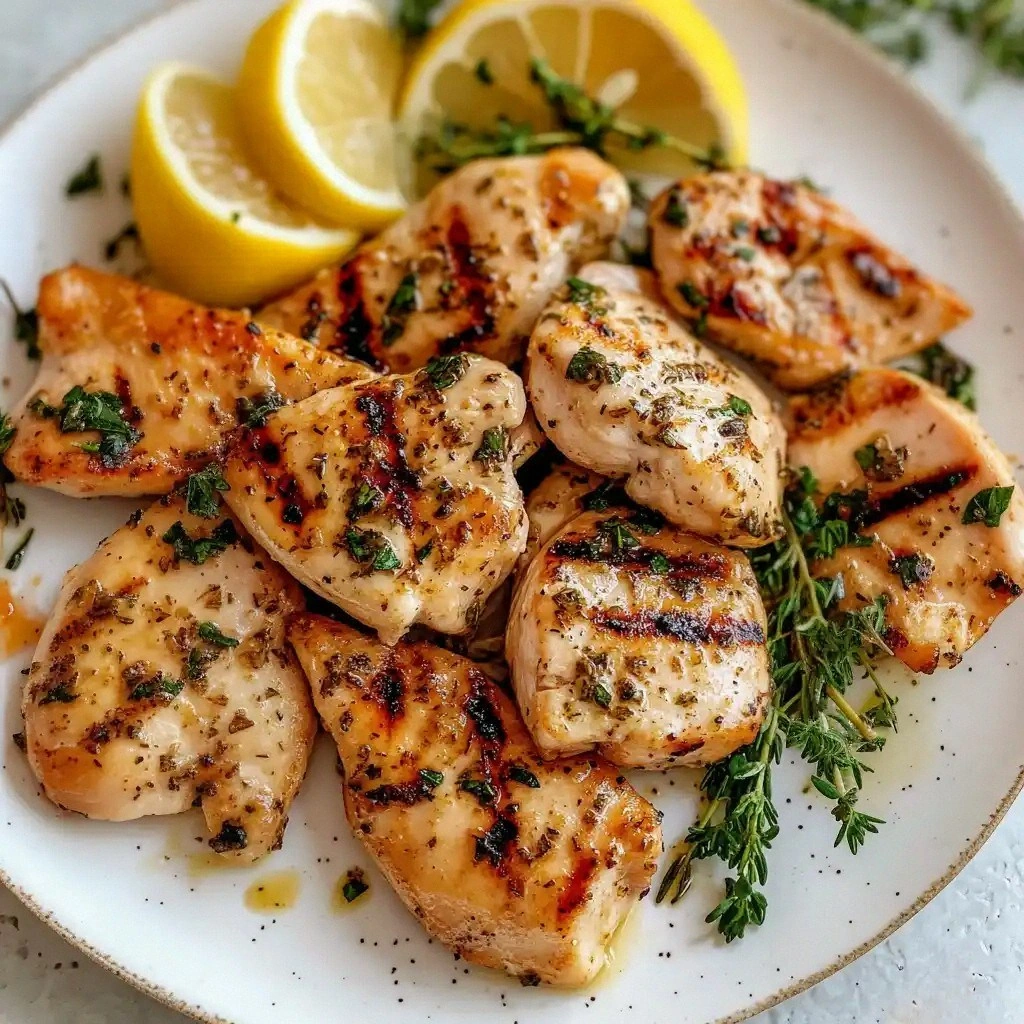
Chicken Thighs: Boneless thighs are chosen for their higher fat content, which keeps the meat juicy. The weight of 1.5 lbs is ideal for a family of four, ensuring each person gets a generous portion. If you prefer a leaner cut, consider skinless breasts, but be prepared to monitor them closely to avoid drying out.
Garlic: Fresh cloves provide a robust, savory base that balances the sweet glaze. Crushing the garlic releases more allicin, which intensifies flavor. If you’re sensitive to garlic, reduce to two cloves; the dish will still shine.
Red Pepper Flakes: A pinch of heat adds depth without overwhelming the citrus. The flakes also help the glaze adhere better, creating a slight crunch when they caramelize. If you’re a heat‑connoisseur, double the amount for a spicier profile.
The Unexpected Star
Dijon Mustard: This ingredient brings a subtle tang and acts as a binder for the glaze. It also contributes a silky texture that coats the chicken evenly. If you’re allergic, a mild yellow mustard can work, but the flavor profile will shift slightly.
Honey: The natural sweetness balances the acidity of lemon and mustard, creating a glaze that is both glossy and flavorful. The honey’s viscosity helps it cling to the chicken, giving a caramelized finish. For a vegan version, replace honey with maple syrup; the result will still be delightful.
The Final Flourish
Fresh Herbs: Rosemary and thyme bring earthiness, while parsley adds a fresh, bright finish. The combination of herbs provides a layered aroma that lingers on the palate. If you’re out of fresh herbs, dried versions can be used, but fresh is always superior.
Salt & Pepper: Salt enhances all flavors, while black pepper adds a subtle heat. Use sea salt for a cleaner taste, and freshly cracked pepper for a more robust profile. Over-salting can mask the delicate lemon notes, so keep it balanced.
Everything's prepped? Good. Let's get into the real action.
The Method — Step by Step
- Step 1: Prepare the Chicken. Pat the thighs dry with paper towels; this ensures a crispier exterior. Trim any excess fat or skin if you prefer a leaner dish. Arrange the chicken on a clean cutting board, letting the meat rest at room temperature for ten minutes. This small step helps the chicken cook evenly.
- Step 2: Whisk the Marinade. In a bowl, combine olive oil, lemon juice, lemon zest, minced garlic, rosemary, thyme, parsley, salt, pepper, Dijon mustard, honey, and red pepper flakes. Whisk until the honey dissolves and the mixture is silky. The emulsified glaze will coat the chicken beautifully.
- Step 3: Marinate. Place the chicken in a large zip‑lock bag or shallow dish. Pour the glaze over the thighs, ensuring each piece is fully coated. Seal the bag and massage the mixture into the meat. Refrigerate for at least 30 minutes, or up to 4 hours for deeper flavor.
- Step 4: Preheat the Grill. Light your gas grill to medium‑high (about 400°F). If using charcoal, arrange coals on one side for indirect heat. Let the grill heat up for ten minutes; the grates should be hot enough that a drop of water sizzles upon contact.
- Step 5: Grill the Thighs. Remove the chicken from the bag, letting excess glaze drip back into the bowl. Place thighs skin‑side down on the grill. Close the lid and let them cook for 4–5 minutes until the skin begins to crisp and the internal temperature reaches 140°F.
- Step 6: Flip & Finish. Turn the thighs over, brush with a little extra glaze, and cook for another 4–5 minutes. The glaze should caramelize, creating a glossy, slightly charred coating. Check for an internal temperature of 165°F to ensure doneness.
- Step 7: Rest. Transfer the chicken to a platter and let it rest for five minutes. Resting allows the juices to redistribute, keeping the meat moist and tender. The glaze will thicken slightly, forming a luscious sauce.
- Step 8: Serve. Slice the thighs against the grain if desired, or serve whole. Drizzle any remaining glaze over the top, garnish with fresh parsley, and serve immediately with your favorite sides.
That's it — you did it. But hold on, I've got a few more tricks that'll take this to another level. Trust me, these insider tips will transform your dish from good to unforgettable.
Insider Tricks for Flawless Results
The Temperature Rule Nobody Follows
Many home cooks grill at a scorching high heat, but the sweet spot for chicken thighs is medium‑high. The goal is to caramelize the glaze without burning it. I always set my grill to 400°F and monitor the internal temperature with a meat thermometer. The difference is a glossy, perfectly cooked crust versus a charred mess.
Why Your Nose Knows Best
The aroma of the grill is a reliable indicator of doneness. When the smell becomes sweet and slightly smoky, the chicken is ready. If you’re using a gas grill, the scent will be more pronounced. Trust your nose; it’s a seasoned chef’s secret.
The 5-Minute Rest That Changes Everything
Resting the chicken after grilling is often overlooked. It allows the juices to redistribute, ensuring each bite is succulent. During the rest period, the glaze thickens into a silky sauce that clings to the meat. Skipping this step can leave you with a dry, unevenly flavored dish.
The Garlic‑to‑Ginger Swap
If you’re craving a different flavor profile, swap the garlic for fresh ginger. The result is a bright, spicy kick that pairs well with the lemon. This variation is perfect for those who love a little heat and a different aromatic note.
The Quick Clean‑Up Trick
After grilling, scrape the grill grates with a wire brush while they’re still warm. The residue will come off easily, preventing flare‑ups the next time you cook. A clean grill also ensures even heat distribution and a better sear.
Creative Twists and Variations
Spicy Mango Glaze
Swap the honey for mango puree to create a tropical, sweet‑spicy glaze. Add a pinch of cayenne pepper for extra heat. This variation is perfect for summer parties and pairs wonderfully with coconut rice.
Herb‑Infused Chicken Thighs
Use a mixture of basil, oregano, and mint instead of rosemary and thyme. The fresh herbs give a Mediterranean feel, and the mint adds a cooling contrast to the lemon. Serve with a Greek salad for a complete meal.
Smoky Chipotle Finish
Add a tablespoon of chipotle in adobo sauce to the glaze for a smoky, earthy depth. The chipotle pairs beautifully with the lemon’s brightness. This version is ideal for a hearty, autumnal dinner.
Asian‑Inspired Teriyaki Twist
Replace the Dijon mustard with soy sauce and add a splash of rice vinegar. Finish with a drizzle of sesame oil and sprinkle of toasted sesame seeds. This fusion version is great with steamed rice and stir‑fried veggies.
Vegetarian Version
Swap the chicken for thick slices of portobello mushrooms or tofu. Marinate them in the same glaze and grill until charred. The result is a plant‑based dish that still delivers the same juicy, flavorful experience.
Storing and Bringing It Back to Life
Fridge Storage
Store leftover chicken in an airtight container in the refrigerator for up to three days. The glaze will keep the meat moist, but for best flavor, reheat within 24 hours. Keep the container sealed to prevent the chicken from absorbing fridge odors.
Freezer Friendly
Wrap the chicken tightly in foil and place it in a freezer bag. It can be frozen for up to two months. When ready to use, thaw overnight in the fridge, then reheat on the grill or in a skillet.
Best Reheating Method
Reheat gently in a preheated oven at 300°F for ten minutes, or finish on a grill until warmed through. Add a splash of water before reheating; it steams the chicken back to perfection, keeping the glaze glossy and the meat tender.