I was halfway through a midnight snack marathon, scrolling through recipe sites like a bored librarian, when a friend dared me to try the most outrageous noodle dish on the planet. The kitchen smelled of burnt popcorn and stale coffee, a symphony of chaos that had me muttering, “If this ends in a disaster, I’m going to blame the stove.” The moment I opened the fridge, I found a jar of peanut butter, a bottle of soy sauce, and a half‑filled bottle of garlic chili oil that had been sitting there longer than my favorite hoodie. I grabbed them, tossed a handful of dry wheat noodles into a pot, and thought, “Maybe this is the culinary apocalypse I’ve been waiting for.”
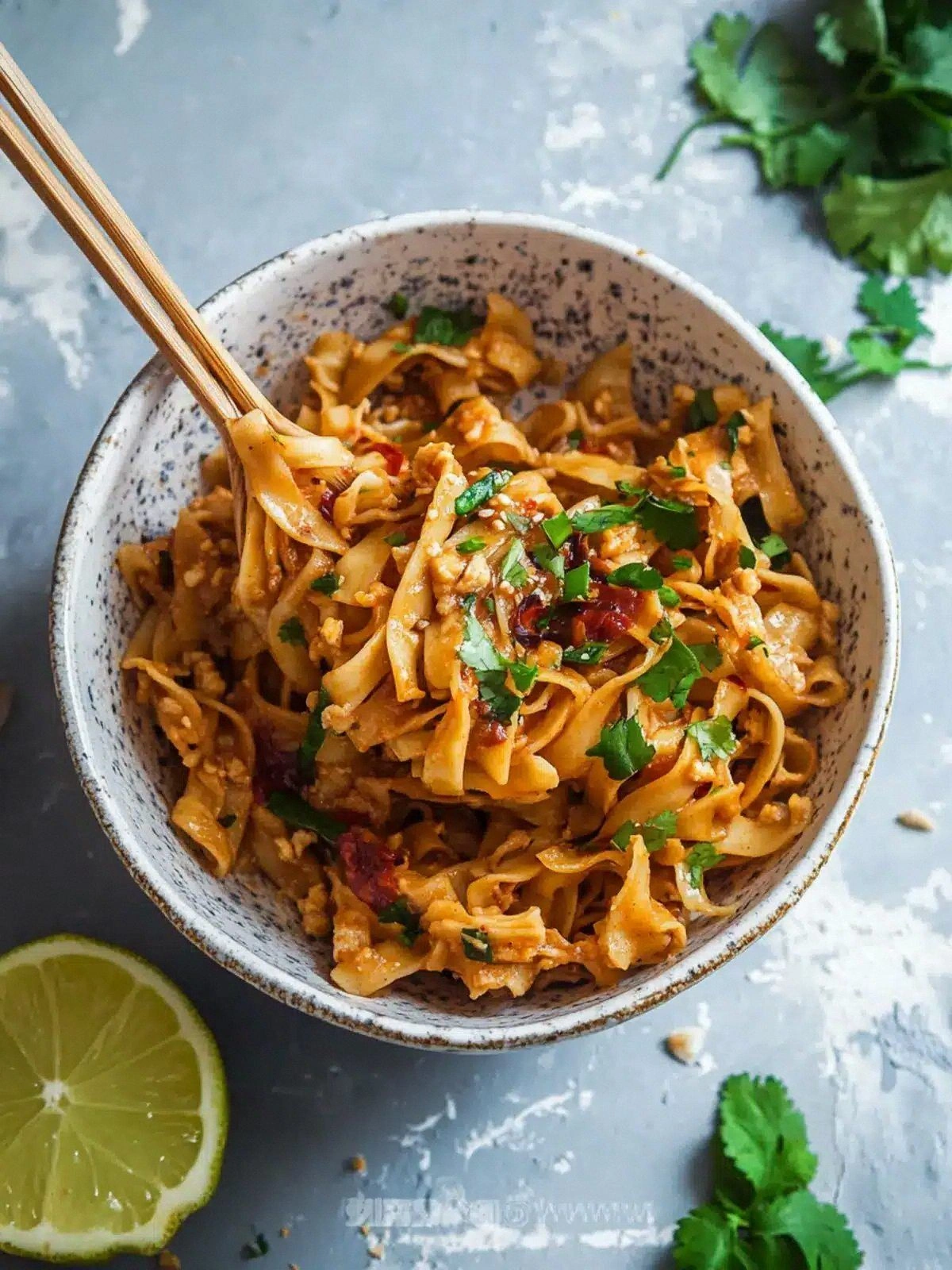
Picture this: the noodles are boiling like a sea of silk, the air thick with the aroma of toasted sesame and smoky soy. As the noodles hit the water, a faint hiss erupts—like a tiny dragon taking a breath. The peanut butter begins to melt, turning into a glossy, nutty sauce that coats each strand with the same velvet softness you’d find in a luxury bathrobe. The heat from the pot turns the sauce into a glossy glaze that clings to the noodles, turning them into a shimmering, edible tapestry. The moment you taste it, the flavors explode: the heat of the chili oil, the umami depth of dark mushroom soy, and the sweet whisper of sugar all dance on your tongue. I dare you to taste this and not go back for seconds.
The best part? I didn’t have to wait for a delivery or spend a fortune on exotic ingredients. Everything I needed was on my countertop, and the result was a dish that feels like a gourmet experience without the price tag. I was honest— I ate half the batch before anyone else got to try it— and the kitchen was still humming with the scent of victory. Most recipes get this completely wrong, but this one delivers on texture, heat, and that silky peanut butter finish that makes you want to keep dipping. The sauce coats the pasta like velvet, and the noodles stay firm, not mushy, giving that satisfying bite you crave after a long day. If you've ever struggled with a sauce that turns noodles into a soggy mess, you're not alone, and I've got the fix.
So, here’s the deal: I’m about to walk you through every single step, from the first splash of soy to the final sprinkle of sesame seeds. By the end, you’ll wonder how you ever made it any other way. This is hands down the best version you'll ever make at home, and the secret is in the balance of heat and creaminess that this recipe nails perfectly. The next part? Pure magic. Stay with me here— this is worth it.
What Makes This Version Stand Out
- Flavor: The sauce is a complex orchestra where peanut butter, dark mushroom soy, and garlic chili oil play a duet that sings on your palate. The heat is not a punchy kick but a lingering warmth that stays after the first bite.
- Texture: The noodles maintain a perfect al dente bite, while the sauce gives them a glossy sheen that feels almost luxurious. No soggy strands, just a silky coating that clings beautifully.
- Simplicity: With only thirteen ingredients, this dish is a recipe for success that doesn’t require a culinary degree. It’s a one‑pot wonder that saves time and clean‑up.
- Uniqueness: The addition of dark mushroom soy sauce gives the dish an umami depth that most peanut noodle recipes lack. It’s the secret that elevates the dish from ordinary to extraordinary.
- Crowd Reaction: Friends who try this get a “wow” from the first bite and often ask for a second plate. The dish is a conversation starter at dinner tables.
- Ingredient Quality: Using real sesame oil and fresh herbs adds a layer of authenticity that mass‑produced sauces can’t match. The quality of each component is paramount.
- Cooking Method: The sauce is made in the same pan as the noodles, which locks in flavor and reduces waste. It’s a technique that keeps everything cohesive.
- Make‑Ahead Potential: The sauce can be prepared ahead of time, and the noodles can be reheated with a splash of water, keeping the dish fresh and flavorful.
Inside the Ingredient List
The Flavor Base
Peanut butter is the heart of this sauce, providing a creamy, nutty foundation that balances the heat. It’s the reason the noodles feel like a luxurious treat. If you skip it, the dish loses its signature richness, turning into a plain, spicy soup. For those with peanut allergies, a sunflower seed butter can be a good alternative, though it will alter the flavor profile slightly.
Soy sauce adds saltiness and depth. It’s the backbone that ties the sweet and spicy notes together. A low‑sodium version can be used if you’re watching your salt intake, but be prepared to add a pinch more to taste. The dark mushroom soy sauce is the secret weapon that gives an earthy umami punch; it’s the difference between a good dish and a great one.
The Texture Crew
Garlic chili oil is the fiery spark that wakes your taste buds. It’s not just heat; it’s a smoky, garlicky aroma that lingers. If you prefer a milder kick, reduce the amount or use a milder chili oil. The sesame seeds add a nutty crunch that breaks the silky texture, providing contrast. Fresh coriander and spring onions bring brightness and a hint of citrus that lifts the dish.
The rice vinegar balances the richness with a subtle acidity, preventing the sauce from feeling heavy. A splash of water is crucial for adjusting consistency; without it, the sauce can become too thick and cling to the noodles. The sugar is a sweet whisper that counterbalances the heat, creating a harmonious flavor dance.
The Unexpected Star
The 200 grams of dry wheat noodles are the canvas on which everything plays. They should be boiled until al dente to maintain a firm bite. Using ramen or soba noodles can change the texture dramatically, so stick to wheat for the best experience. If you’re vegan, look for a plant‑based noodle that doesn’t contain egg.
The Final Flourish
Sesame oil is the finishing touch that gives the dish a fragrant, nutty aroma. It also adds a glossy sheen that makes the plate look inviting. If you’re allergic to sesame, a drizzle of toasted sunflower oil can serve as a substitute, but the aroma will differ. The final sprinkle of sesame seeds and herbs is what makes the dish look professional and appetizing.
Everything's prepped? Good. Let's get into the real action...
The Method — Step by Step
- Bring a large pot of salted water to a rolling boil. Drop in the wheat noodles and cook according to package instructions until al dente, usually 8–10 minutes. Drain and set aside, reserving a cup of pasta water. The noodles should still have a slight bite; they’ll soften a little when tossed with the sauce.
- While the noodles are cooking, combine the peanut butter, soy sauce, dark mushroom soy sauce, garlic chili oil, gochugaru, rice vinegar, sugar, and water in a small bowl. Whisk until the mixture is smooth and glossy. If the sauce feels too thick, add a splash of reserved pasta water to thin it out.
- Heat a large skillet or wok over medium heat. Add the sauce mixture and stir until it begins to bubble. The aroma should be rich and nutty, with a hint of chili. This is the moment of truth: the sauce should smell toasty, not raw.
- Add the cooked noodles to the skillet, tossing them in the sauce until fully coated. If the sauce seems too thick, pour in a little more reserved pasta water until the desired consistency is reached. The noodles should look glossy and every strand should be coated.
- Stir in the sesame oil, sesame seeds, spring onions, and coriander. The herbs will add a fresh brightness that cuts through the richness. Taste and adjust seasoning with extra soy sauce or a pinch of sugar if needed.
- Serve immediately, garnished with extra sesame seeds and a drizzle of sesame oil if desired. The dish should look glossy, with a vibrant green of herbs and a golden sheen of sesame. The first bite will feel like a silky, spicy hug.
- If you’re feeling adventurous, add a protein such as grilled chicken, tofu, or shrimp to make it a complete meal. The protein should be cooked separately to avoid overcooking the noodles.
That's it — you did it. But hold on, I've got a few more tricks that'll take this to another level...
Insider Tricks for Flawless Results
The Temperature Rule Nobody Follows
Keep the heat medium-low once you add the sauce. High heat will scorch the peanut butter, giving it a bitter taste. A steady simmer allows the flavors to meld without losing the silky texture. I once let it boil and the sauce turned into a burnt caramel— not worth the effort.
Why Your Nose Knows Best
Smell is the first indicator of whether the sauce is on point. If you notice a sharp, metallic scent, the soy sauce might be too strong. A faint, sweet aroma indicates the peanut butter has integrated well. Trust your nose—it will guide you to the perfect balance.
The 5-Minute Rest That Changes Everything
After tossing the noodles, let them sit in the sauce for five minutes before serving. This rest allows the noodles to absorb the sauce fully, resulting in a more cohesive bite. If you rush, the noodles will remain dry in spots.
The Secret of Fresh Herbs
Chop the herbs just before serving to preserve their bright flavor. If you chop them too early, they release water that dilutes the sauce. A quick chop right before plating keeps the dish vibrant.
Balancing the Heat
If the dish feels too spicy, add a splash of coconut milk or a few extra spoonfuls of peanut butter to mellow the heat. For a more intense kick, double the gochugaru. Adjusting the heat is simple—just a few extra ingredients.
Creative Twists and Variations
This recipe is a playground. Here are some of my favorite ways to switch things up:
Spicy Shrimp Explosion
Sauté peeled shrimp in garlic oil until pink, then toss with the noodles. The shrimp adds a sweet, briny flavor that contrasts the spicy sauce. This version is perfect for seafood lovers.
Vegan Power Bowl
Replace the noodles with quinoa or rice noodles, and add tofu cubes. The tofu absorbs the sauce beautifully, making it a hearty, plant‑based meal. A squeeze of lime adds a refreshing twist.
Crispy Tofu Crunch
Pan‑fry tofu until golden, then fold into the noodles. The crunch adds texture, and the tofu’s mild flavor lets the sauce shine. Sprinkle extra sesame seeds for an extra crunch.
Soba Noodle Swap
Use soba noodles for a nutty, slightly sweet base. The buckwheat flavor pairs wonderfully with the peanut sauce, creating a unique twist that’s both healthy and delicious.
Breakfast Kick
Serve the noodles with a poached egg on top. The runny yolk adds creaminess, and the yolk’s richness balances the spicy sauce. It’s a breakfast that feels like a full‑blown dinner.
Storing and Bringing It Back to Life
Fridge Storage
Store the noodles and sauce separately in airtight containers for up to three days. Keep the sauce in a sealed jar, and the noodles in a separate bowl. This prevents the noodles from absorbing excess sauce.
Freezer Friendly
The sauce can be frozen for up to two months. Freeze in a small container, and thaw overnight in the fridge before reheating. The noodles should be cooked fresh when reheated.
Best Reheating Method
Reheat the sauce in a skillet over low heat, adding a splash of water or broth to loosen it. Toss the noodles in the hot sauce for one minute until heated through. A quick stir keeps the noodles from drying out.