Picture this: it’s a rainy Thursday night, you’ve just survived a culinary disaster involving burnt garlic and a smoke alarm that refuses to be silenced, and suddenly a friend texts you, “I dare you to make shawarma that actually tastes like the street stalls in Beirut.” I was half‑laughing, half‑panicking, because the only shawarma I’d ever attempted ended up tasting like a soggy chicken sandwich. But that moment sparked a fire in my kitchen, and after a few frantic Google searches, a handful of trial‑and‑error sessions, and a secret ingredient that I’ll reveal later, I finally nailed a version that makes the whole neighborhood want to crash my dinner party. That’s when I realized I had something worth shouting from the rooftops.
The moment the marinated chicken hits the hot skillet, the kitchen erupts with a sizzling chorus that could rival any rock concert. The air fills with the intoxicating perfume of cumin, coriander, and a whisper of smoky paprika, while the lemony tang from the yogurt dances with the caramelized edges of the meat. You can almost hear the chicken whisper, “I’m ready,” as the edges pull away, revealing a juicy interior that’s still moist enough to make a grown‑up weep with joy. The texture? Think of a perfect balance between tender, fall‑apart bites and those crisp, caramelized flecks that crackle like thin ice under a summer sun.
Most shawarma recipes out there either drown the chicken in a sea of oil or skimp on the spice blend, leaving you with something that tastes like plain grilled chicken. This version stands out because it embraces a yogurt‑based marination that not only tenderizes the meat but also adds a subtle creaminess that coats every spice particle like velvet. The secret? A dash of sumac that adds a citrusy pop without overwhelming the palate, and a quick sear that locks in juices before finishing the cooking in the oven for that authentic, street‑style char. Trust me, this is hands down the best version you’ll ever make at home.
And here’s the kicker: I’m going to walk you through every single step — from the exact spice ratios that make the flavor sing, to the technique of “reverse searing” that guarantees restaurant‑quality results without a commercial grill. By the end, you’ll wonder how you ever settled for anything less, and I’ll be honest — I ate half the batch before anyone else got a chance to try it. Okay, ready for the game‑changer? Let’s dive in and make some magic happen.
What Makes This Version Stand Out
- Flavor Explosion: The yogurt‑marinade infuses the chicken with a tangy richness that amplifies every spice, delivering a depth you won’t find in dry rubs.
- Texture Harmony: A quick high‑heat sear creates caramelized edges, while a gentle finish in the oven keeps the interior buttery and succulent.
- Simplicity Meets Sophistication: Only ten pantry staples are needed, yet the result feels like a dish from a five‑star Middle Eastern bistro.
- Unique Ingredient: A pinch of sumac adds a lemony brightness that most home recipes completely miss.
- Crowd‑Pleaser: Even the most skeptical eaters admit they’d line up for seconds, and I dare you to taste this and not go back for more.
- Ingredient Quality: Using bone‑in, skinless thighs guarantees juiciness; the extra‑fat content is what makes the flavor sing.
- Cooking Method: The “sear‑then‑bake” technique mimics the vertical rotisserie of street vendors without any fancy equipment.
- Make‑Ahead Potential: Marinate the chicken overnight for an even deeper flavor, and the cooked meat stores beautifully for meal‑prep.
Inside the Ingredient List
The Flavor Base
The heart of any great shawarma lies in its spice blend. Ground cumin and coriander provide earthy warmth, while smoked paprika introduces a subtle smoky note that mimics the char of a traditional rotisserie. Turmeric adds a golden hue and a faint peppery bite, and a whisper of cinnamon and cardamom brings a sweet, aromatic depth that elevates the whole dish. If you ever skip these, you’ll end up with chicken that tastes… well, just chicken. For a fresher twist, try swapping smoked paprika for a dash of chipotle powder, but remember, a little goes a long way.
Ingredient spotlight: Sumac. This crimson, tangy spice is often overlooked outside of Middle Eastern kitchens, yet it adds a lemon‑like brightness that cuts through the richness of the yogurt. If you can’t find sumac, a squeeze of fresh lemon juice at the end of cooking can mimic its effect, though you’ll lose the subtle floral undertone.
The Texture Crew
Choosing the right cut of chicken is crucial. I swear by bone‑less, skinless thighs because they have a higher fat content than breasts, which translates to juicier, more flavorful meat. The extra fat also helps the spices cling better during the sear. If you’re forced to use chicken breasts, pound them to an even thickness and consider adding a tablespoon of olive oil to the marinade to compensate for the leaner meat.
Olive oil isn’t just a cooking medium; it acts as a flavor carrier, helping the spices dissolve and adhere to the chicken. A drizzle of oil right before searing ensures a crisp exterior without burning the spices. And remember, the yogurt in the marinade does double duty: it tenderizes the meat while adding a creamy tang that balances the heat.
The Unexpected Star
Tahini sauce might seem like a side note, but it’s the glue that brings the whole shawarma together. Its nutty richness pairs perfectly with the bright lemon‑yogurt notes and adds a luxurious mouthfeel that makes each bite feel indulgent. If you’re allergic to nuts, a drizzle of garlic‑infused olive oil works as a substitute, though you’ll miss the subtle earthiness.
Fresh herbs, especially parsley, add a burst of color and a fresh, peppery finish that cuts through the richness. Don’t underestimate the power of a good pickled vegetable—its acidity lifts the entire flavor profile and prevents the dish from feeling heavy.
The Final Flourish
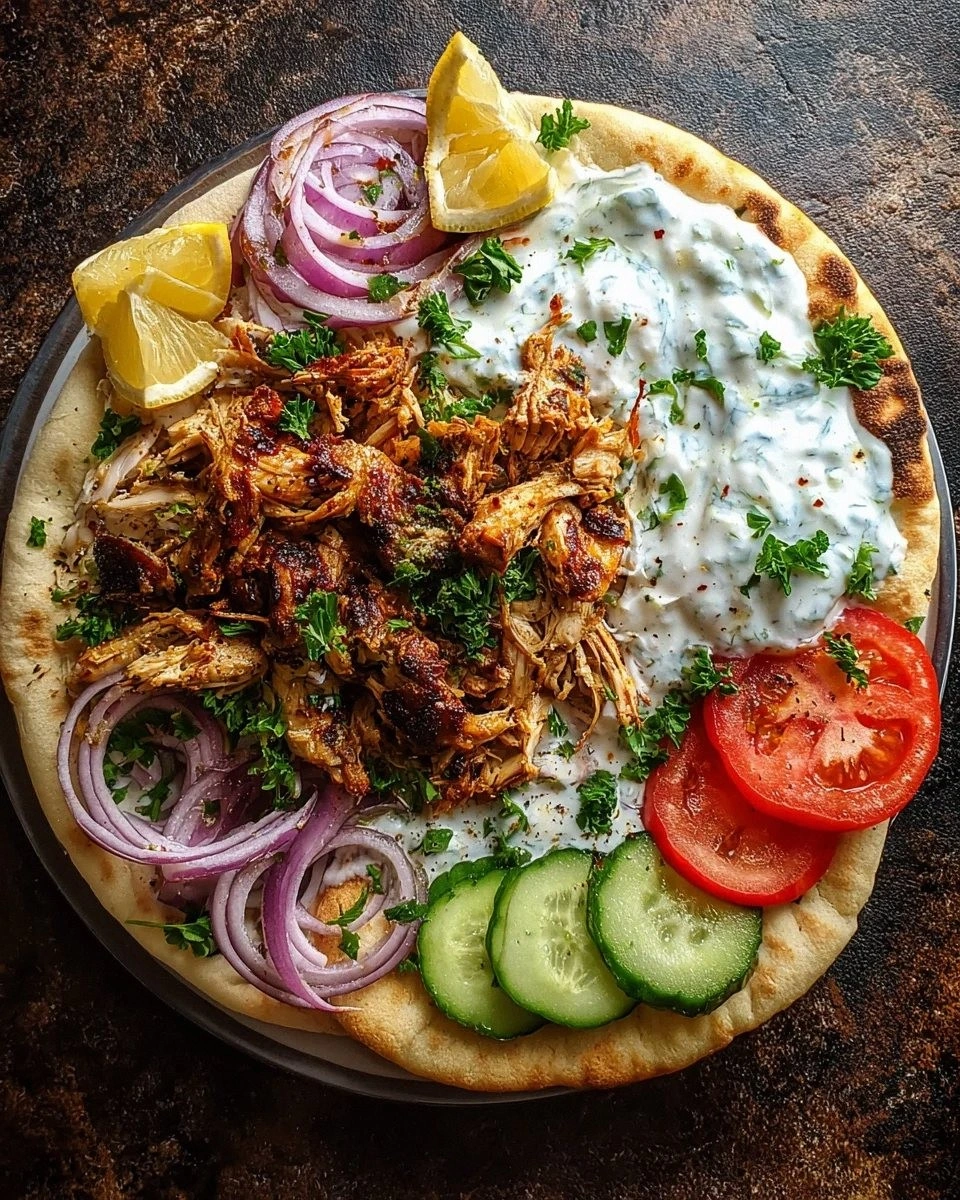
The finishing touches are what make a good shawarma great. Warm, fluffy pita or flatbread acts as a neutral canvas, letting the spiced chicken shine. A quick toast on a hot skillet gives the bread a slight char that adds texture. Assemble the wrap with a generous drizzle of tahini, a handful of fresh veggies, and a squeeze of lemon for that final zing.
If you’re looking to amp up the visual appeal, sprinkle a pinch of toasted sesame seeds over the top; they add a subtle nuttiness and a satisfying crunch. And always remember: the secret to a perfect wrap is balance—no single component should dominate, but each should complement the other in a harmonious dance.
The Method — Step by Step
First, combine the yogurt, lemon juice, minced garlic, olive oil, cumin, coriander, smoked paprika, turmeric, cinnamon, cardamom, salt, pepper, and sumac in a large bowl. Whisk until the mixture is smooth and the spices are fully incorporated. This is the moment of truth: the aroma should already be intoxicating, hinting at the layers of flavor to come. Cover the bowl with plastic wrap and refrigerate for at least 2 hours, preferably overnight, to let the chicken soak up every nuance.
While the chicken marinates, prep your vegetables. Dice the cucumber, tomato, and red onion into uniform bite‑size pieces, and finely chop the parsley. Toss them lightly with a pinch of salt and a drizzle of olive oil; this simple seasoning will keep them crisp and vibrant when you assemble the wraps later. Set aside in a bowl and let them rest while the chicken marinates further.
When you’re ready to cook, preheat your oven to 425°F (220°C). While it heats, line a baking sheet with parchment paper and arrange the marinated chicken strips in a single layer, ensuring they’re not overlapping. Overcrowding will steam the chicken instead of searing it, ruining the coveted caramelized edges.
Heat a large cast‑iron skillet over medium‑high heat until it’s smoking hot. Add a splash of olive oil, then place the chicken strips in the pan, working in batches if necessary. Listen for that sizzle that signals the Maillard reaction is underway; the edges should start pulling away and turning golden within 2‑3 minutes. Don’t move them around too much—let them develop a crust.
After the quick sear, transfer the skillet (or move the chicken to the prepared baking sheet) into the preheated oven. Roast for 8‑10 minutes, or until the internal temperature reaches 165°F (74°C) and the edges are beautifully charred. This two‑stage cooking method ensures the meat stays juicy inside while achieving that authentic shawarma char on the outside.
While the chicken finishes in the oven, warm the pita breads. You can do this on a dry skillet for 30 seconds per side, or pop them in the oven for the last 2 minutes of the chicken’s cooking time. A lightly toasted surface prevents the wrap from becoming soggy once you add the juicy chicken and sauces.
Now comes the assembly. Lay a warm pita on a plate, spread a generous spoonful of tahini sauce down the center, then pile on the sliced chicken. Add the fresh cucumber, tomato, red onion, and parsley. Finish with a drizzle of extra tahini, a squeeze of lemon, and if you like, a sprinkle of pickles or toasted sesame seeds. The flavors should meld instantly, creating a symphony of creamy, tangy, and smoky notes.
Serve immediately while the chicken is still warm and the pita is crisp. Pair with a side of garlic yogurt dip or a simple cucumber‑mint salad for extra freshness. And remember, the secret to making this dish unforgettable is in the balance—each bite should deliver a burst of spice, a hint of acidity, and a comforting creaminess that lingers on the palate.
That's it — you did it. But hold on, I've got a few more tricks that'll take this to another level, ensuring every bite feels like a culinary celebration rather than just a meal.
Insider Tricks for Flawless Results
The Temperature Rule Nobody Follows
Most home cooks either blast the chicken at too high a heat and end up with burnt edges, or they cook it too low and lose that signature char. The sweet spot is a hot skillet for a quick 2‑minute sear, followed by a moderate oven temperature (425°F) to finish. This two‑step method mimics the rotating spit of street vendors without the need for expensive equipment. Trust the process, and you’ll get that perfect caramelization every single time.
Why Your Nose Knows Best
Never underestimate the power of scent as a cooking gauge. When the chicken starts to smell toasty and the spices turn aromatic, you’re at the perfect moment to flip. If the aroma is still raw or “raw garlic,” give it another minute. This sensory checkpoint is more reliable than a timer because it accounts for variations in stove heat and pan material.
The 5‑Minute Rest That Changes Everything
After the oven, let the chicken rest uncovered for exactly five minutes. This short pause allows the juices to redistribute, preventing a soggy pita. It also lets the spices settle, so each bite delivers a consistent flavor profile. Skipping this step is the number one reason why even seasoned cooks end up with dry shawarma.
Pickle Power Boost
Adding a few sliced pickles isn’t just for crunch; the vinegar in them cuts through the richness of the tahini and yogurt, adding a bright acidity that balances the dish. If you’re not a fan of traditional cucumber pickles, try quick‑pickled red onions for a sweeter, milder tang.
Make‑Ahead Magic
Marinate the chicken a full 24 hours ahead and store it in a sealed bag. The longer the meat sits, the deeper the flavor penetration. When you’re ready to cook, simply bring the chicken to room temperature for 15 minutes before searing; this ensures even cooking and prevents a cold center.
Creative Twists and Variations
This recipe is a playground. Here are some of my favorite ways to switch things up:
Spicy Harissa Twist
Swap half of the smoked paprika for harissa paste and add a pinch of cayenne. The result is a fiery version that still retains the creamy yogurt base, perfect for heat lovers.
Greek‑Style Shawarma
Replace the sumac with a sprinkle of dried oregano and serve the chicken in a pita with tzatziki, feta, and Kalamata olives. The Mediterranean flavors blend beautifully, creating a fusion that feels both familiar and novel.
Vegan Chickpea Shawarma
For a plant‑based spin, use roasted chickpeas tossed in the same spice blend. The chickpeas develop a crunchy exterior while staying tender inside, offering a protein‑packed alternative that even meat‑eaters adore.
Grilled Veggie Shawarma
Add sliced eggplant, zucchini, and bell peppers to the oven alongside the chicken. The vegetables absorb the spices, adding smoky sweetness that complements the savory meat.
Breakfast Shawarma Wrap
Swap the pita for a warm tortilla, add scrambled eggs, and drizzle with a thin layer of sriracha mayo. This breakfast version brings the bold flavors of shawarma to the morning table.
Storing and Bringing It Back to Life
Fridge Storage
Place any leftover chicken in an airtight container and store it in the refrigerator for up to 3 days. The yogurt‑based marinade actually helps keep the meat moist, so reheating won’t dry it out.
Freezer Friendly
For longer storage, separate the cooked chicken from the sauces and veggies. Freeze the chicken in zip‑top bags (remove as much air as possible) for up to 2 months. Thaw overnight in the fridge, then reheat as described below.
Best Reheating Method
To revive the chicken’s texture, add a tiny splash of water (about a tablespoon per cup of chicken) to a skillet, cover, and heat over medium‑low for 3‑4 minutes. The steam restores the juiciness, while a quick finish uncovered restores the crisp edges. Warm the pita separately to avoid sogginess.