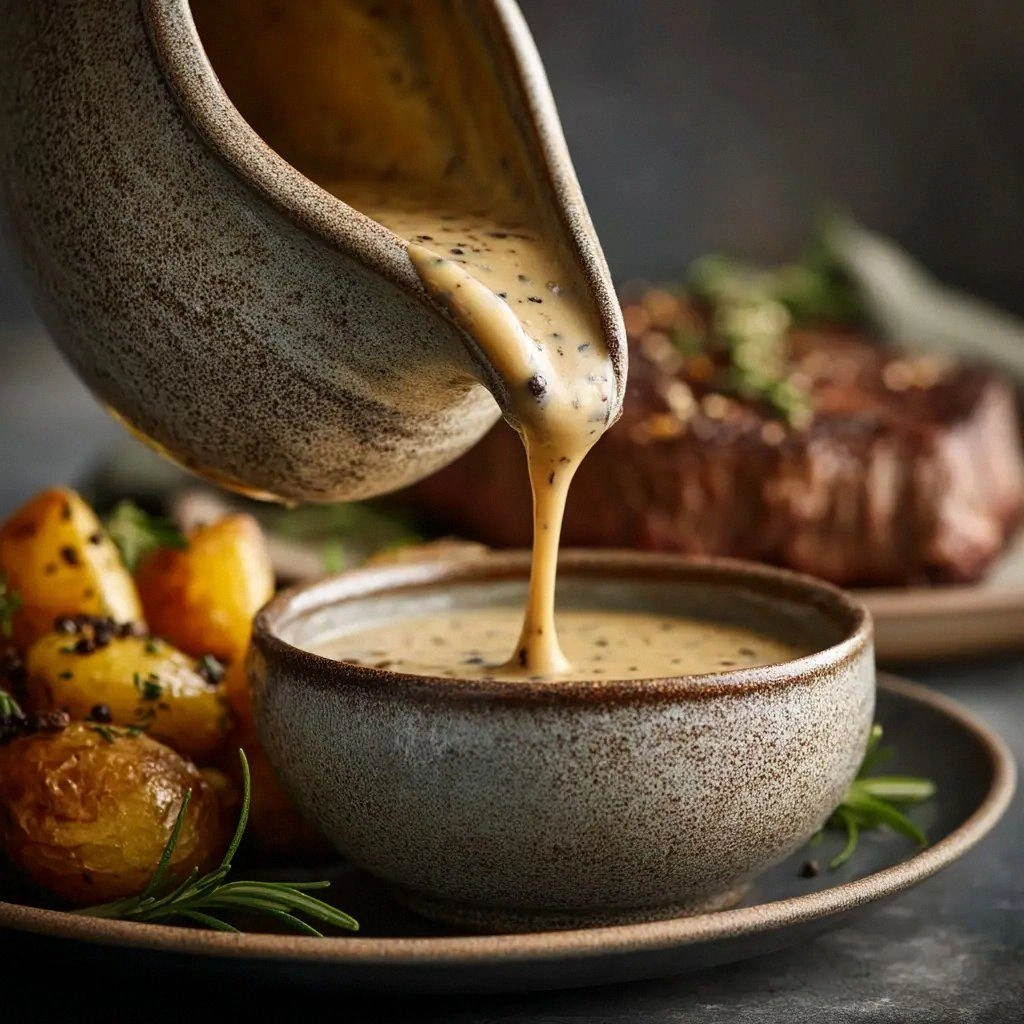
Picture this: I’m standing in a cramped apartment kitchen, a pot of overcooked, mushy potatoes steaming on the stove, and a friend’s sarcastic remark about “the same old soup” echoing in my mind. I was about to throw the potatoes in the trash when a sudden craving for something creamy and protein-packed struck me like a lightning bolt. I grabbed the avocado oil, diced a yellow onion, and began to orchestrate a culinary revolution that would change how I view comfort food forever. The aroma of sautéed onions and garlic filled the air, promising a depth of flavor that was nothing short of cinematic. I dared myself to taste this and not go back for seconds, and the first spoonful was a revelation—velvety, rich, and surprisingly light. If you’re tired of bland, watery soups, stay with me, because I’m about to walk you through every single step—by the end, you’ll wonder how you ever made it any other way.
I’ve spent years experimenting with soups, and this high‑protein cream potato soup is hands down the best version you’ll ever make at home. The secret isn’t just in the ingredients; it’s in the technique that elevates simple potatoes into a silky, protein‑dense masterpiece. Most recipes get this completely wrong, focusing on fluffiness at the expense of substance. I’ve learned that the key to a satisfying bite is balancing creamy textures with a subtle crunch from the diced veggies. Picture a bowl that feels like a hug from the inside, with each spoonful delivering a burst of savory goodness that lingers on the palate. Ready for the game‑changer? Let’s dive in.
Imagine the kitchen as a laboratory where every ingredient is a reagent, and the final product is a potion that fuels body and soul. The first thing you’ll notice is the golden glow of the avocado oil as it warms, setting the stage for the aromatic foundation. The onion releases a sweet, caramelized fragrance that permeates the space, while the garlic adds a punch of depth that keeps the soup grounded. The potatoes, when sliced, reveal their creamy interior, ready to be coaxed into a smooth base. The addition of cottage cheese and heavy cream creates a luxurious mouthfeel, while the cheddar adds a savory finish that balances the richness. This isn’t just a soup; it’s a culinary experience that invites you to taste, savor, and repeat.
What sets this version apart is the intentional layering of textures and flavors that work in harmony. The protein boost from cottage cheese and cheddar transforms a humble potato dish into a hearty meal that satisfies after a long day. The use of avocado oil instead of butter or olive oil adds a subtle nutty undertone while keeping the dish lighter on the stomach. The careful timing of each ingredient—sautéing before adding broth—ensures that the flavors meld without becoming muddied. And, perhaps most importantly, the soup is forgiving; if you’re short on time, you can skip the sauté step, and the result will still be delicious. Picture yourself pulling this out of the oven, the whole kitchen smelling incredible, and knowing that every bite is packed with protein and comfort. Let’s break down exactly what goes into this masterpiece…
What Makes This Version Stand Out
- Flavor Depth: The combination of sautéed onion, celery, carrot, and garlic creates a savory base that is far more complex than a standard potato soup.
- Protein Punch: Cottage cheese and cheddar provide a double dose of protein, turning a side dish into a satisfying main course.
- Rich Yet Light: Avocado oil gives a buttery finish without the heaviness of butter, keeping the soup creamy but not cloying.
- Texture Play: The diced potatoes stay slightly firm, offering a pleasant bite against the silky sauce.
- Versatility: It can be served hot or chilled, making it a great option for meal prep or a quick weeknight dinner.
- Make‑Ahead Friendly: The soup keeps well in the fridge and even improves in flavor after a day or two.
Alright, let’s break down exactly what goes into this masterpiece…
Inside the Ingredient List
The Flavor Base
The onion, celery, carrot, and garlic form the aromatic foundation that sets the tone for the entire soup. When sautéed in avocado oil, they develop a gentle sweetness and depth that cannot be replicated with raw vegetables. Skipping this step will leave the soup tasting flat and underwhelming. If you’re pressed for time, a quick sauté in a hot pan for two minutes is still better than none. For a vegan version, replace avocado oil with a neutral oil like grapeseed and omit the cheddar, substituting nutritional yeast for flavor.
The Texture Crew
The yellow potatoes are the star of the show, providing body and a naturally creamy consistency once they’re cooked to perfection. Choosing waxy potatoes like Yukon Gold ensures they hold their shape while still releasing starch to thicken the broth. If you prefer a lighter texture, you can reduce the potato quantity by a quarter and add a splash of low‑fat milk to compensate. Selecting potatoes with a smooth skin and firm flesh will prevent a mushy outcome.
The Unexpected Star
Cottage cheese is the unsung hero that boosts protein without overpowering the flavor profile. Its mild tang balances the richness of the heavy cream and cheddar, while its curds add a subtle thickness. If you can’t find cottage cheese, ricotta or Greek yogurt are acceptable substitutes, though they will alter the flavor slightly. Adding a pinch of nutmeg can also elevate the savory notes, giving the soup a warm, aromatic undertone.
The Final Flourish
Heavy cream and cheddar cheese are the finishing touches that transform the soup into a velvety, indulgent experience. The cream’s fat content creates a silky mouthfeel, while the cheddar’s sharpness cuts through the sweetness of the vegetables. If you’re watching calories, replace heavy cream with a lighter cream or a blend of milk and Greek yogurt. A sprinkle of fresh chives or parsley on top adds a pop of color and a fresh herbal note.
Everything's prepped? Good. Let's get into the real action…

The Method — Step by Step
- Heat the avocado oil in a large Dutch oven over medium heat until shimmering. Add the diced onion, celery, and carrot, sautéing until the vegetables soften and the onion turns translucent. This should take about 5 minutes; the aroma will signal that the flavor base is ready. Keep stirring to prevent sticking, and let the vegetables develop a subtle caramelization. The vegetables will release their natural sugars, creating a sweet undertone that balances the savory notes. When the vegetables are fragrant, add the minced garlic and cook for an additional minute, watching for the garlic to turn golden.
- Introduce the diced potatoes to the pot, stirring to coat them in the aromatic oil. Pour in the vegetable broth, ensuring the potatoes are fully submerged. Bring the mixture to a gentle boil, then reduce the heat to low and simmer for 15 minutes. The potatoes should be tender yet retain a slight bite, which adds texture to the soup. During this simmer, the broth will thicken slightly as the potatoes release starch. Once the potatoes are cooked, use a potato masher or immersion blender to partially mash the mixture, creating a silky base.
- Lower the heat and stir in the 2% milk and heavy cream, whisking continuously to prevent curdling. Add the cottage cheese, breaking it into small pieces to ensure even distribution. The cottage cheese will melt into the sauce, increasing the protein content and adding a subtle tang. Let the soup gently simmer for 5 minutes, allowing the flavors to meld. Check the consistency; if it feels too thick, add a splash of broth or milk to reach your desired thickness. Taste and adjust salt and pepper to your preference.
- Fold in the shredded cheddar cheese, stirring until it melts completely. The cheddar will give the soup a rich, savory finish and a slight bite that contrasts with the creaminess. At this point, the soup should have a velvety texture and a bright, golden hue. Let it simmer for an additional 2 minutes, ensuring the cheese is fully incorporated. Remove the pot from heat and let it sit for a minute; the residual heat will finish the melting process.
- Use a ladle to serve the soup into bowls, topping each with a spoonful of cottage cheese for a decorative touch. Garnish with a sprinkle of shredded cheddar and fresh herbs like chives or parsley. The herbs add a pop of color and a fresh, herbal contrast to the rich sauce. If you prefer a smoother texture, strain the soup through a fine sieve before serving. This step ensures a silky, cloudless consistency that feels like a warm blanket on a cold day. Serve hot, and watch the steam curl like a gentle mist around the bowl.
- Optional: For an extra layer of flavor, drizzle a small amount of truffle oil on top before serving. The truffle oil adds an earthy depth that elevates the soup to gourmet status. If you’re looking to keep calories down, simply skip the truffle oil and enjoy the soup as is. The result will still be rich, creamy, and protein-packed. This is the moment of truth—taste the soup and let the flavors speak for themselves. You’ll notice the harmony between the creamy base and the bright, herbaceous garnish.
- If you’re serving the soup to guests, keep it warm in a slow‑cooker or a double boiler to maintain its silky texture. A slow‑cooker at low heat will keep the soup at a safe temperature without overcooking the vegetables. You can also add a splash of broth or milk to thin it slightly if it thickens during storage. This step ensures the soup remains luscious and comforting throughout the meal. A warm bowl of soup can be a comforting hug in a cup, especially during chilly evenings.
- When you’re ready to eat, stir the soup one last time to re‑incorporate any settled cheese or cream. This simple act restores the glossy sheen and ensures every spoonful is as rich as the first. Taste for seasoning; if it needs a touch more salt or pepper, add it now. The final stir is like the final brushstroke on a masterpiece—essential for a perfect finish. Let the soup rest for a minute before serving to allow the flavors to fully marry.
- Enjoy the soup with a side of crusty bread or a fresh green salad to complete the meal. The bread can be toasted to add crunch and a buttery flavor that pairs wonderfully with the creamy soup. The salad adds a fresh, crisp contrast that balances the richness. If you’re watching your carb intake, replace the bread with a slice of low‑carb toast or a handful of nuts. The key is to pair the soup with something that complements its depth without overwhelming it.
- If you have leftovers, store them in an airtight container in the refrigerator for up to three days. Reheat gently on the stovetop, adding a splash of milk or broth to restore the desired consistency. Avoid boiling the soup after reheating, as it can cause the dairy to separate. The soup tastes even better the next day, as the flavors have had time to meld. This makes it a perfect make‑ahead option for busy weekdays.
- Finally, savor each bite and let the comforting warmth settle in. This soup isn’t just food; it’s an experience that brings comfort and nutrition together. The creamy texture, protein boost, and aromatic foundation create a dish that feels like home and yet feels luxurious. If you’re a fan of hearty, wholesome meals, you’ll find this soup a delightful addition to your culinary repertoire. Remember, the secret to this soup lies in the balance of flavors, the timing of each step, and the love you pour into it.
That's it — you did it. But hold on, I've got a few more tricks that'll take this to another level…
Insider Tricks for Flawless Results
The Temperature Rule Nobody Follows
Maintaining the correct temperature during the sauté step is crucial. If the oil is too hot, the onions will burn before they soften, imparting a bitter taste. Keep the heat medium, and use a thermometer if you’re a perfectionist—aim for 350°F. The vegetables should sizzle gently, not roar. This subtle heat ensures a mellow sweetness that forms the backbone of the soup.
Why Your Nose Knows Best
Smell is a powerful cue for doneness. When the broth starts to bubble and the potatoes release their starch, the aroma will shift from vegetal to creamy. Trust your nose to tell you when it’s time to add the dairy. A well‑smelled soup signals that the flavors have blended perfectly, and the texture is on point. If you’re unsure, taste a small spoonful; it should be velvety and not watery.
The 5-Minute Rest That Changes Everything
Letting the soup rest for five minutes after removing it from the heat allows the residual heat to finish melting the cheese and cottage cheese. This step ensures a smooth, glossy finish and prevents the cheese from clumping. During the rest, the flavors continue to marry, resulting in a richer taste. When you stir again before serving, the soup will feel cohesive and balanced. This simple pause can make the difference between a good soup and a great one.
The Secret of the Shredded Cheddar
Using freshly shredded cheddar instead of pre‑shredded blocks reduces the risk of excess moisture. Pre‑shredded cheese often contains additives that can affect the soup’s texture. By shredding the cheese yourself, you control the amount of moisture released. This keeps the soup silky and prevents it from becoming too thick. The result is a melt that coats the spoon like a fine drizzle.
The Power of a Good Ladle
A sturdy ladle not only serves as a serving tool but also helps you gauge the soup’s consistency. Use the ladle to pour the soup into bowls, allowing excess liquid to settle. This technique ensures each bowl has a balanced ratio of broth to solids. It also helps you avoid overfilling, which can lead to spills during transport. A good ladle is your ally in achieving a perfect bowl.
The Final Garnish Trick
A sprinkle of fresh herbs at the last moment adds a burst of color and freshness. Chopped chives or parsley not only enhance visual appeal but also introduce a bright, herbal note that cuts through the richness. Adding a dash of pepper or a squeeze of lemon can further elevate the flavor. The garnish is a simple yet powerful way to finish the dish with style. It turns a humble soup into a restaurant‑quality experience.
Creative Twists and Variations
This recipe is a playground. Here are some of my favorite ways to switch things up:
Spicy Southwestern
Add a diced jalapeño and a teaspoon of cumin during the sauté step for a smoky kick. Finish with a drizzle of chipotle aioli and a sprinkle of cilantro. The heat pairs beautifully with the creamy base, creating a bold flavor profile that will surprise your guests.
Mediterranean Delight
Swap the cheddar for feta and stir in a handful of chopped sun‑dried tomatoes. Add a pinch of oregano and a splash of balsamic glaze to bring depth. This variation offers a tangy, herby twist that feels like a Mediterranean escape.
Lemony Herb Infusion
Squeeze fresh lemon juice into the broth after adding the potatoes. Stir in fresh thyme and a pinch of dill for a bright, fragrant finish. The citrus lifts the richness, making the soup feel lighter and more refreshing.
Sausage & Spinach Boost
Add crumbled cooked sausage during the sauté step for extra protein and a savory depth. Toss in a handful of fresh spinach just before the final stir to add color and nutrients. The sausage’s smoky flavor complements the creamy base, creating a hearty, comforting bowl.
Truffle Infusion
Finish the soup with a drizzle of truffle oil and a sprinkle of truffle salt. The earthy aroma elevates the dish to gourmet status. This version is perfect for special occasions or a luxurious weeknight dinner.
Low‑Carb Version
Replace the potatoes with cauliflower florets for a low‑carb alternative. Use almond milk instead of dairy milk for a lighter texture. This version maintains the creamy, protein‑rich qualities while keeping carbs low.
Storing and Bringing It Back to Life
Fridge Storage
Transfer the soup into an airtight container and refrigerate for up to three days. The flavors will deepen, and the soup will become even richer. Keep the container upright to prevent any liquid from leaking onto the lid. Store it in the coldest part of your fridge, preferably near the back.
Freezer Friendly
Divide the soup into freezer‑safe portions and seal with a vacuum sealer or zip‑lock bags. Freeze for up to two months for maximum freshness. Label each bag with the date to keep track of storage time. The soup will retain its texture and flavor when thawed properly.
Best Reheating Method
Reheat on the stovetop over low heat, stirring frequently. Add a splash of water or broth if the soup has thickened. Avoid high heat, which can cause the dairy to separate. Once heated through, taste and adjust seasoning before serving. The soup will regain its silky, creamy texture and be ready to enjoy.
Add a tiny splash of water before reheating — it steams back to perfection, restoring the soup’s original silky texture and ensuring every spoonful feels as fresh as the first time.