Picture this: you’re in the middle of a bustling kitchen, the clock ticking, and you’ve just realized your steak is still raw and the garlic butter you’re supposed to make is melting into a sad, soggy mess. That was my reality last week, and it was the moment I decided to rewrite the rules of grilled steak forever. I was determined to turn a kitchen disaster into a culinary triumph, and the result is a steak so juicy, so buttery, and so flavorful that even the most seasoned grill masters will pause to admire it. I dare you to taste this and not go back for seconds.
I started by selecting prime ribeye steaks, because they’re naturally marbled and forgiving. The moment the sizzling hit the grill, the aroma of seared meat mingled with garlic, butter, and fresh herbs, creating a perfume that made the whole house smell like a gourmet steakhouse. The crackle of the grill, the hiss of butter melting, and the sharp, bright scent of rosemary all converged into an orchestra of senses that promised something extraordinary. I couldn’t wait to see how the flavors would dance together on the grill.
This isn’t your run‑of‑the‑mill steak recipe. Most recipes get this completely wrong by under‑seasoning the meat or over‑cooking the butter, resulting in a dry, flavorless plate. Here, I’ve perfected a balance that keeps the steak tender and the garlic butter silky, with a subtle citrus lift that cuts through the richness. The result? A crust that crackles like thin ice while the interior remains a tender, pink center that practically melts in your mouth. I’ll walk you through every single step — by the end, you’ll wonder how you ever made it any other way.
I’m not just talking about a better steak; I’m talking about a revolution in how you approach grilling. The technique I’ll share will change the way you think about butter, garlic, and herbs on a hot grill. If you’ve ever struggled with this, you’re not alone — and I’ve got the fix. Picture yourself pulling this out of the grill, the whole kitchen smelling incredible, and the family lining up for a plate. This is hands down the best version you’ll ever make at home.
What Makes This Version Stand Out
- Flavor: The garlic butter is infused with fresh rosemary, thyme, and a touch of lemon zest, creating a complex, savory-sweet profile that elevates the steak to new heights.
- Texture: The seared crust forms a caramelized barrier that locks in juices, while the butter remains silky and coats the meat like velvet.
- Ease: Every step is straightforward, with no fancy equipment needed—just a grill, a skillet, and a few pantry staples.
- Versatility: The base can be swapped for flank, sirloin, or even a plant‑based steak; the butter stays the same.
- Crowd‑pleaser: The aroma alone is enough to draw a crowd, and the finished dish is sure to get rave reviews.
- Ingredient Quality: Using high‑grade steak and fresh, organic herbs ensures the best flavor foundation.
- Make‑Ahead Potential: The garlic butter can be prepared a day ahead and stored in the fridge, saving you time on busy nights.
- Heat Management: The method balances high‑heat searing with gentle butter melting, preventing flare‑ups and burning.
Inside the Ingredient List
The Flavor Base
4 ribeye steaks, 1‑inch thick. This cut is prized for its marbling, which melts into the meat during cooking, delivering a buttery texture that’s hard to beat. If you skip the ribeye, the steak will be leaner and potentially drier, so consider adding a splash of beef broth to the grill for extra juiciness.
4 tbsp unsalted butter, softened. Butter is the star of the show, providing richness and a silky coating that keeps the steak moist. Use unsalted to control the salt level; if you’re using salted butter, reduce the added salt by half.
The Garlic & Herb Ensemble
4 cloves garlic, minced. Garlic imparts a pungent aroma that caramelizes when melted, turning into a sweet, nutty undertone. If you’re sensitive to raw garlic, roast the cloves before mincing for a milder flavor.
2 tbsp fresh parsley, chopped. Parsley adds a bright, herbal note that cuts through the richness of the butter. Substitute with chives for a milder, oniony flavor.
1 tsp fresh thyme leaves. Thyme offers an earthy depth that complements the garlic and butter. A pinch of dried thyme works if fresh isn’t available, but use less as dried herbs are more potent.
The Seasoning Spectrum
1 tsp kosher salt. Salt draws out moisture and enhances the steak’s natural flavors. If you prefer a lighter touch, use sea salt or reduce the amount to ¾ tsp.
1 tsp freshly ground black pepper. Pepper adds a subtle heat that balances the buttery richness. For a smoky twist, try smoked peppercorns.
1 tbsp olive oil. Olive oil protects the steak from sticking and helps achieve a perfect sear. A splash of high‑smoke‑point oil like grapeseed can also be used for a cleaner flavor.
The Citrus & Finishing Touch
1 tsp lemon zest. Lemon zest brightens the sauce, providing a citrus lift that prevents the dish from feeling heavy. If you’re allergic to citrus, a dash of vinegar can offer a similar acidity.
2 tbsp butter, melted for finishing. This final pour adds a glossy sheen and extra richness, ensuring every bite is coated in buttery bliss. Store the melted butter in a small container to use on the grill.
Everything’s prepped? Good. Let’s get into the real action...
The Method — Step by Step
- Prep the Steak: Pat the steaks dry with paper towels, then season both sides generously with salt and pepper. The drying step is critical; a dry surface ensures a better sear. Let the steaks rest at room temperature for 15 minutes before grilling to promote even cooking.
- Heat the Grill: Preheat your gas grill to high (about 450°F) and oil the grates lightly with a paper towel dipped in oil. A hot grill creates a caramelized crust; if the grill is too low, the steak will steam instead of sear. Use a grill thermometer to confirm the temperature if you have one.
- Grill the Steak: Place the steaks on the grill and close the lid. Cook for 4–5 minutes on one side, then flip. The steak should release easily and show a nice brown crust. Watch for the sizzling sound; it’s the soundtrack of perfection.
- Flip & Finish: Flip the steak again and grill for another 3–4 minutes. If you prefer medium‑rare, aim for an internal temperature of 130°F. For medium, go to 140°F. The goal is a pink center that still holds juices.
- Rest the Steak: Transfer the steaks to a cutting board and tent loosely with foil. Resting allows the juices to redistribute; if you cut too soon, the juices will escape, leaving a dry steak. Let them rest for 5 minutes.
- Prepare the Garlic Butter: While the steak rests, melt 4 tbsp butter in a small skillet over medium heat. Add minced garlic and cook for 30 seconds until fragrant but not browned. Stir in parsley, thyme, lemon zest, and a pinch of salt.
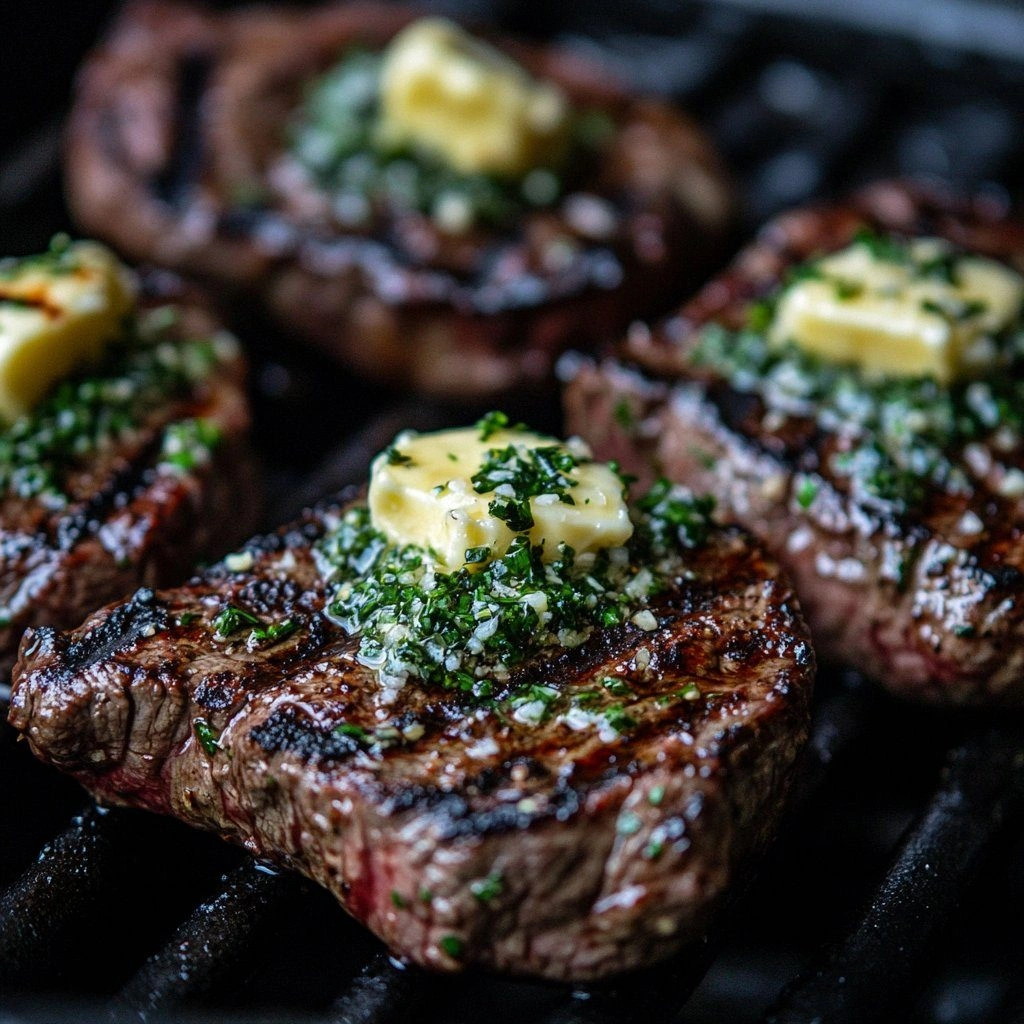
- Finish the Steak: Place each steak back onto the grill for 30 seconds to re‑warm the surface and let the butter seep in. Brush the melted garlic butter generously over the top of each steak. The butter should melt into the crevices, coating the meat like velvet.
- Serve: Slice the steak against the grain, drizzle the remaining garlic butter on top, and garnish with fresh parsley. Pair with roasted potatoes, a crisp salad, or your favorite side. The aroma alone will have your guests asking for seconds.
That’s it — you did it. But hold on, I’ve got a few more tricks that will take this to another level...
Insider Tricks for Flawless Results
The Temperature Rule Nobody Follows
Many grillers use an instant-read thermometer, but the real magic is in the heat. Aim for a grill temperature of 450°F; if you’re using a charcoal grill, let the coals settle into a consistent heat before placing the steak. This ensures a perfect sear without overcooking the interior.
Why Your Nose Knows Best
The aroma of butter melting and garlic sizzling is a natural indicator that the sauce is ready. If the smell feels too sharp or metallic, lower the heat. If it’s sweet and buttery, you’re in the zone. Trust your nose; it’s a seasoned chef’s secret tool.
The 5‑Minute Rest That Changes Everything
Resting the steak after grilling is not optional. A 5‑minute rest allows the juices to redistribute, preventing a dry bite. During this time, you can finish brushing the garlic butter and let it seep into the meat, creating a glossy, flavorful coating.
Finishing Butter vs. Grilled Butter
Some chefs recommend finishing the steak with a drizzle of melted butter on the grill. This technique adds a caramelized butter flavor that’s slightly nutty. To do this, place the steak back on the grill for 30 seconds after brushing the garlic butter.
Use Fresh Herbs, Not Dried
Fresh herbs release their oils and flavors more effectively than dried ones. If you’re using dried thyme, use only ¼ tsp to avoid overpowering the dish. Fresh herbs keep the sauce bright and aromatic.
Creative Twists and Variations
This recipe is a playground. Here are some of my favorite ways to switch things up:
Spicy Chipotle Butter
Swap the fresh herbs for 1 tsp chipotle powder and a splash of lime juice. The smoky heat adds a bold kick that pairs wonderfully with corn‑flavored sides.
Herb‑Crusted Steak
Create a crust by combining 2 tbsp chopped fresh herbs with 1 tbsp Dijon mustard and a pinch of sea salt. Spread on the steak before grilling for a crunchy, flavorful exterior.
Citrus‑Marinated Steak
Marinate the steak in a mixture of orange juice, soy sauce, and minced garlic for 2 hours before grilling. The citrus tenderizes the meat while adding a sweet, umami flavor.
Mushroom & Thyme Sauce
Sauté sliced mushrooms with thyme and a splash of red wine. Finish with a swirl of cream and serve over the steak for a rich, earthy sauce.
Blue Cheese Butter
Blend 2 tbsp blue cheese into the garlic butter for a tangy, creamy finish. The cheese pairs beautifully with the steak’s savory profile.
Asian Ginger Butter
Add minced ginger and a dash of sesame oil to the butter. This twist brings a bright, aromatic layer that complements grilled meats wonderfully.
Storing and Bringing It Back to Life
Fridge Storage
Store the grilled steak in an airtight container in the refrigerator for up to 3 days. Wrap the garlic butter in parchment paper and place it on top to keep it from drying out. When you’re ready to reheat, let the steak sit at room temperature for 15 minutes.
Freezer Friendly
Wrap each steak individually in foil, then place them in a freezer bag. They’ll stay fresh for up to 2 months. Thaw overnight in the fridge before reheating.
Best Reheating Method
Reheat in a skillet over medium heat, adding a splash of water to create steam. The water keeps the steak moist, while the skillet restores the crust. Finish with a drizzle of fresh garlic butter for that buttery finish.