I still remember the night I was trying to salvage a burnt batch of pork chops that had been left too long in the oven. The kitchen smelled like charred ambition and my frustration was sizzling louder than the skillet on the stove. I stared at the blackened pieces, thinking, “I can’t do this again.” Then I remembered the last time I had a burst of culinary inspiration during a tropical vacation, and I decided to blend that memory with a craving for something bright and zesty. I was determined to create a dish that would turn that kitchen disaster into a celebration.
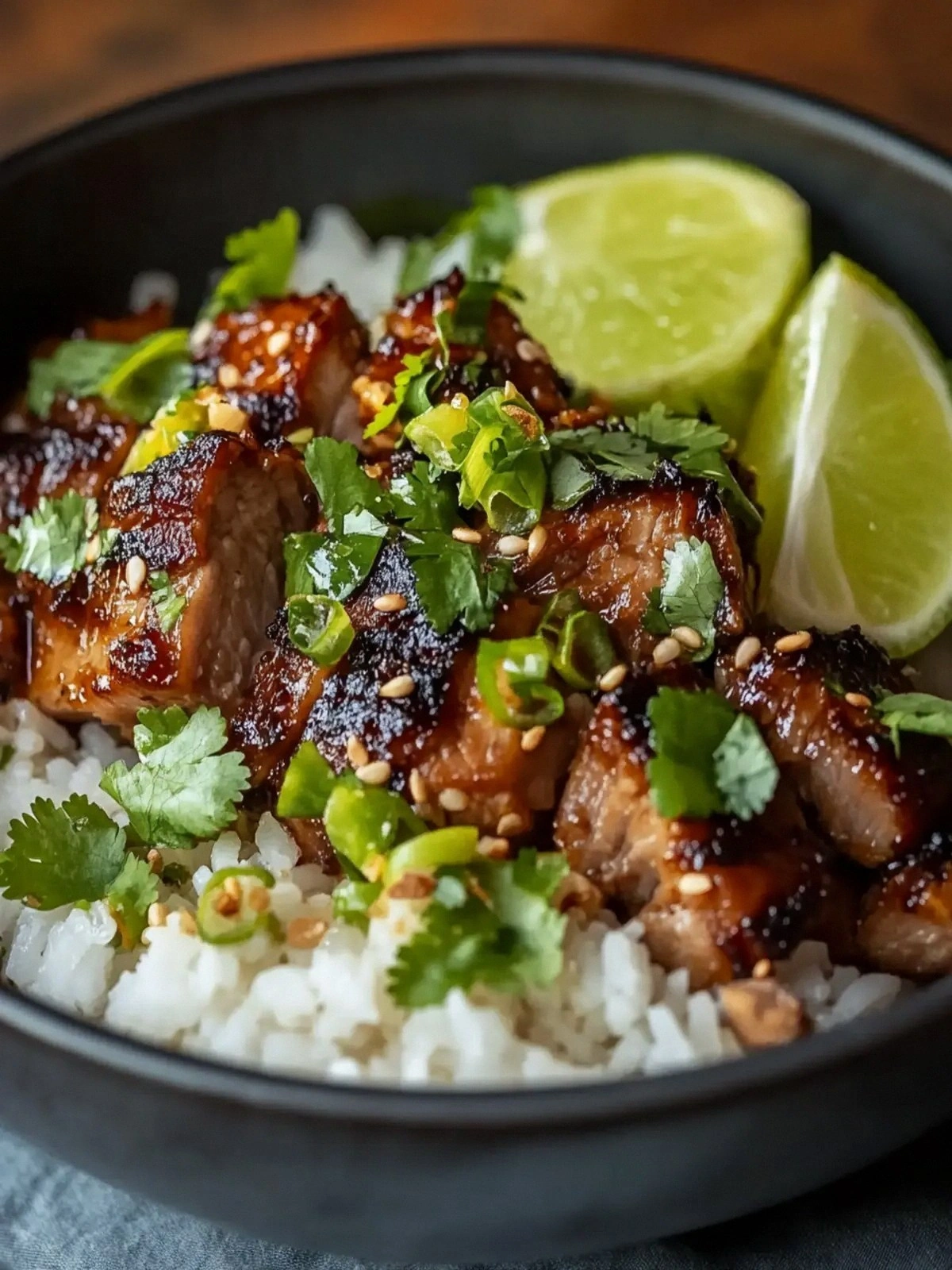
Picture this: a pan that crackles with a glossy sheen of olive oil, ginger that releases its sharp perfume, and the first splash of lime that cuts through the heat like a cool breeze on a hot day. The air fills with a citrusy, slightly sweet aroma that makes your mouth water before you even taste it. The pork, seared to a perfect golden brown, is then bathed in a sauce that coats every inch like velvet, leaving a lingering zing that dances on your tongue. The rice, fluffy and infused with coconut milk, balances the tang with a creamy, tropical whisper. The final plate is a riot of colors—emerald cilantro, sunny lime wedges, and toasted coconut flakes that add a subtle crunch.
What makes this version stand out is that I didn’t just follow a recipe; I rewrote the rules. I kept the pork tenderloin as the star, but I amplified the ginger and lime to create a flavor profile that sings. I used coconut milk not just for richness but for a subtle sweetness that counters the sharpness of lime. I added a touch of honey to bring a silky finish that ties everything together. And I didn’t let the rice be a side note; it was the canvas that carried the sauce’s complexity. If you think you’ve tried everything, I dare you to taste this and not go back for seconds.
Most recipes get this completely wrong by overcooking the pork or under seasoning the sauce. I’ve been there, watching a perfectly marbled piece of meat turn into a dry, flavorless slab. This version, however, is hands down the best you’ll ever make at home because it balances moisture, flavor, and texture in a way that feels both exotic and comforting. The technique I’ll show you ensures that each bite is juicy, the sauce is glossy, and the rice is fluffy. Picture yourself pulling this out of the oven, the whole kitchen smelling incredible, and the first bite making you say, “Wow.” Let me walk you through every single step — by the end, you’ll wonder how you ever made it any other way.
What Makes This Version Stand Out
- Flavor: The combination of ginger, lime, and coconut creates a bright, sweet, and slightly spicy profile that feels like a tropical vacation in every bite.
- Texture: The pork remains tender and juicy while the sauce glazes to a silky sheen, and the rice stays fluffy, offering a contrast that satisfies the palate.
- Simplicity: With fewer than ten ingredients, this dish can be whipped up in under an hour, making it perfect for weeknight dinners.
- Uniqueness: The use of coconut milk in the sauce, rather than just as a side, gives the dish a distinctive depth that sets it apart from typical ginger-lime pork recipes.
- Crowd Reaction: Friends who have tried it say it’s the only pork dish that can double as a main and a party starter.
- Ingredient Quality: Fresh ginger and lime juice make the difference between a good dish and a great one, so invest in quality produce.
- Cooking Method: The sear, deglaze, and simmer technique locks in flavors and keeps the pork moist.
- Make‑Ahead Potential: The sauce can be prepared ahead and reheated without losing its glaze, making it ideal for meal prep.
Alright, let's break down exactly what goes into this masterpiece...
Inside the Ingredient List
The Flavor Base
Fresh ginger, grated, is the cornerstone of this dish. It delivers a peppery, slightly sweet aroma that cuts through the richness of coconut milk. If you’re short on fresh ginger, a tablespoon of ground ginger can work, but the texture and aroma won’t be as vibrant. A good tip: grate the ginger finely to ensure it integrates smoothly into the sauce.
The Texture Crew
The pork tenderloin is a lean cut that requires careful handling to keep it juicy. Slicing it into medallions allows for quick searing and prevents overcooking. The jasmine rice, chosen for its fragrant, slightly floral notes, absorbs the coconut milk without becoming mushy. If you prefer a firmer bite, rinse the rice under cold water before cooking to remove excess starch.
The Unexpected Star
Coconut milk is the unexpected star that brings a silky, tropical finish. It balances the acidity of lime and the heat of ginger with its natural sweetness. A half‑can of coconut cream can be substituted for a richer, thicker sauce, but the flavor profile will shift slightly. Remember to whisk the can before opening to ensure even consistency.
The Final Flourish
Fresh cilantro, lime wedges, and toasted coconut flakes are optional but elevate the dish. Cilantro adds a fresh, herbal note that cuts through the richness. Lime wedges provide an extra burst of citrus when squeezed over the finished plate. Toasted coconut flakes add crunch and a nutty aroma that complements the coconut milk.
Everything's prepped? Good. Let's get into the real action...
The Method — Step by Step
- Begin by patting the pork tenderloin dry with paper towels. This step ensures a proper sear and prevents steaming. Season both sides with salt and pepper, then let it rest at room temperature for ten minutes to absorb the seasoning.
- Heat a heavy skillet over medium-high heat and add one tablespoon of olive oil. When the oil shimmers, add the pork medallions. Sear each side for 2–3 minutes until a golden crust forms. The pork should release easily from the pan when it’s ready to flip.
- Remove the pork and set it aside. In the same skillet, reduce heat to medium and add the minced garlic. Sauté for 30 seconds until fragrant, then pour in the lime juice to deglaze. Scrape the browned bits from the bottom of the pan; these are flavor gold.
- Stir in the pre‑mixed sauce and bring the mixture to a gentle simmer. The sauce should thicken slightly, coating the back of a spoon. Keep the heat low enough that it doesn’t boil vigorously, which could break the coconut milk.
- Return the pork to the skillet, nestling it into the sauce. Reduce the heat to low, cover, and let it simmer for 8–10 minutes. The pork should reach an internal temperature of 145°F, remaining juicy and tender.
- While the pork finishes, rinse the jasmine rice under cold water until the water runs clear. This removes surface starch and prevents the grains from sticking.
- In a saucepan, combine the rinsed rice, coconut milk, water, and a pinch of salt. Bring to a boil, then reduce heat to low, cover, and simmer for 15 minutes. After the water is absorbed, let the rice sit, covered, for an additional 5 minutes to steam.
- Fluff the rice with a fork to separate the grains and keep them airy. This step ensures the rice remains light and doesn’t clump together with the sauce.
- Serve the pork sliced over the coconut-infused jasmine rice. Garnish with fresh cilantro, lime wedges, and toasted coconut flakes for that final pop of flavor.
- If you’re serving a crowd, let the pork rest for a few minutes before slicing; this allows the juices to redistribute, keeping each slice moist.
That's it — you did it. But hold on, I've got a few more tricks that'll take this to another level...
Insider Tricks for Flawless Results
The Temperature Rule Nobody Follows
Many cooks assume that high heat is the key to a good sear, but the secret lies in a balanced medium‑high flame. Too hot, and the pork will char on the outside while remaining raw inside; too low, and it will steam instead of sear. I keep the skillet just below boiling, where the oil shimmers but doesn’t sputter. This creates a golden crust that locks in moisture and delivers a satisfying crunch.
Why Your Nose Knows Best
Before you even taste the sauce, give it a sniff. A bright, citrusy aroma signals that the lime juice has not been overcooked. If the scent turns sour or overly sweet, you’ve let the sauce simmer too long. Your nose can guide you to the perfect balance of tang and sweetness.
The 5-Minute Rest That Changes Everything
Letting the pork rest for 5 minutes after cooking is a game changer. The juices redistribute, preventing them from spilling onto the plate when you slice. I’ve seen people cut straight into the meat and watch the juices run out like a waterfall. A short rest means each bite stays juicy and flavorful.
Use a Skillet with a Heavy Bottom
A cast‑iron or stainless steel pan distributes heat evenly, preventing hot spots that can burn the sauce. It also retains heat better, so you can maintain a steady simmer when you add the coconut milk. A lighter skillet might cause the sauce to scorch at the edges.
Keep the Lid On Until the Pork Is Done
Covering the skillet traps steam, which helps the pork cook through without drying out. Once the pork reaches the target temperature, remove the lid to let the sauce reduce to a glaze. This step ensures the sauce doesn’t become too thin and keeps the pork moist.
Why You Should Not Use Frozen Pork
Frozen pork can release excess moisture as it cooks, diluting the sauce and causing the rice to become soggy. I always thaw the pork in the refrigerator overnight, then pat it dry before seasoning. This simple step preserves the integrity of the sauce and the texture of the meat.
Creative Twists and Variations
This recipe is a playground. Here are some of my favorite ways to switch things up:
Spicy Pineapple Fusion
Add diced pineapple and a pinch of red pepper flakes to the sauce for a sweet and fiery kick. The pineapple’s natural sugars caramelize slightly, creating a glossy glaze. The heat from the pepper flakes provides a subtle contrast to the citrusy tang. This variation is perfect for a summer barbecue.
Herb‑Infused Pork
Swap the lime zest for fresh thyme or oregano to give the dish an earthy, Mediterranean vibe. The herbs pair well with the coconut milk, adding depth without overpowering the ginger. This version is ideal for those who love a herbaceous note in their savory dishes.
Vegetarian Coconut Curry
Replace the pork with thick slices of marinated tofu or tempeh. The tofu will absorb the sauce’s flavors beautifully, while the tofu’s texture provides a satisfying bite. Serve over the same coconut rice, and you have a complete plant‑based meal.
Smoky Barbecue Twist
Incorporate a splash of smoked paprika and a drizzle of barbecue sauce into the glaze. The smoky flavor complements the ginger and lime, creating a complex profile that feels like a fusion of East and West. This version works great with grilled pork or chicken.
Asian Noodle Bowl
Swap jasmine rice for soba or rice noodles for a lighter, noodle‑based dish. Toss the noodles in the sauce, then top with sliced pork, fresh cilantro, and lime wedges. The noodles absorb the sauce, making each strand a burst of flavor.
Breakfast‑Style Breakfast Skillet
Use leftover pork and rice to create a breakfast skillet. Add a fried egg on top and sprinkle with scallions for a savory breakfast that feels like dinner. The coconut milk adds a subtle sweetness that balances the richness of the egg.
Storing and Bringing It Back to Life
Fridge Storage
Cool the dish completely before transferring to an airtight container. Store in the refrigerator for up to 3 days. When reheating, add a splash of water to the sauce to restore moisture and prevent it from drying out.
Freezer Friendly
Divide the pork and rice into separate freezer‑safe bags. The pork can be frozen for up to 2 months, while the rice stays best within 1 month. Thaw overnight in the refrigerator before reheating to maintain texture.
Best Reheating Method
Reheat the pork in a skillet over medium heat, adding a tablespoon of coconut milk or water to keep it moist. The rice can be steamed in a microwave or on the stovetop with a splash of water. Serve immediately with fresh cilantro for a fresh, aromatic finish.