I’ll never forget the day I tried to make a quick chickpea salad for a potluck and ended up with a soggy, flavor‑less mess that could have doubled as a paperweight. The kitchen was humming with the clatter of dishes, the timer on the oven was screaming “ding!” and I was already half‑way through a text exchange about whether I should have ordered pizza instead. That disaster sparked a dare from my roommate: “Make something that actually tastes good, or you’re on dish duty for a month.” I accepted, and what followed was a culinary revelation that still haunts my taste buds in the best possible way.
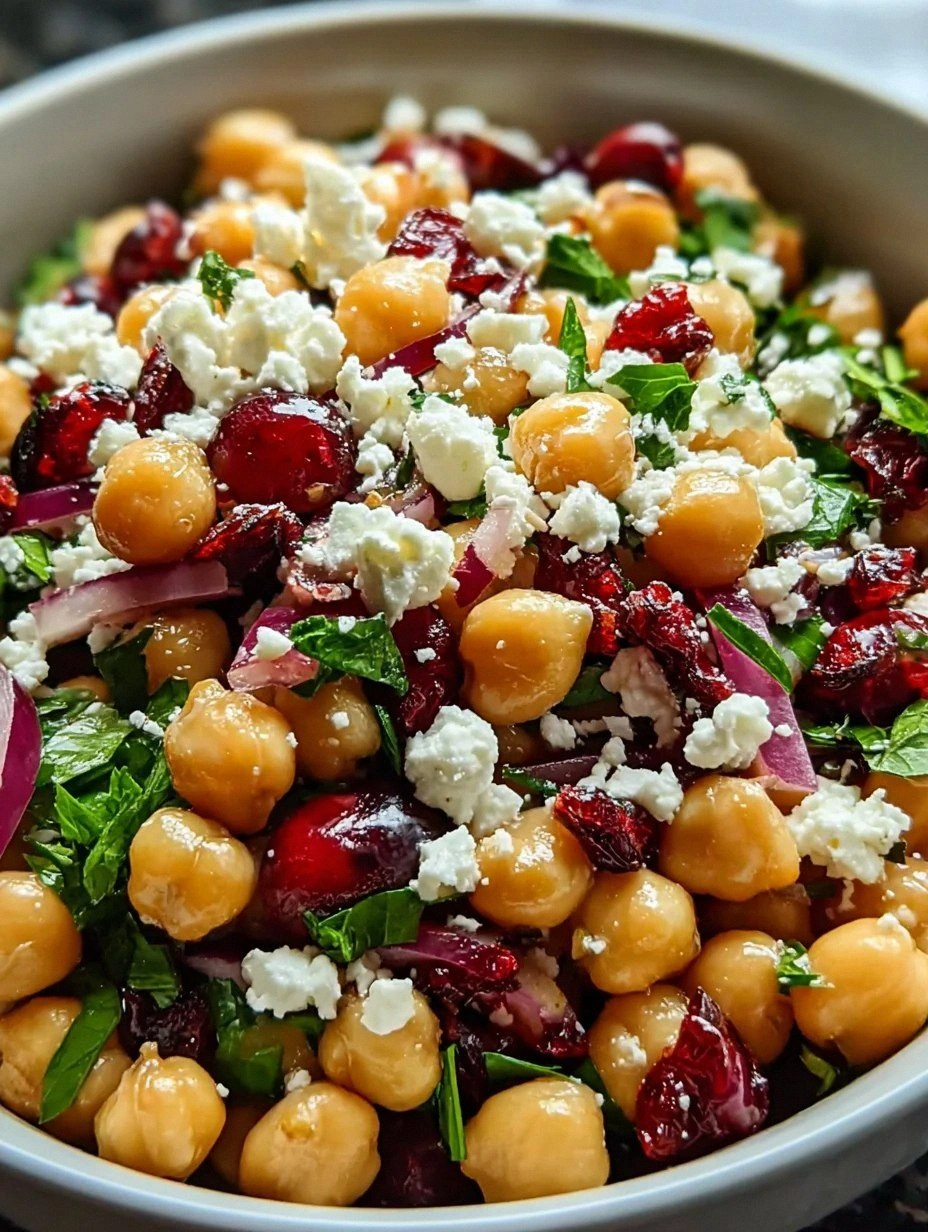
Picture this: a bowl brimming with plump, buttery chickpeas, each speck coated in a lemon vinaigrette that glitters like sunrise on a calm sea. The tangy citrus cuts through the earthiness, while flecks of dried cranberry explode with a burst of sweet‑tart that feels like fireworks on your palate. Crumbled feta adds a salty, creamy crumble that melts into the mix, and fresh parsley sprinkles a vibrant green that looks as good as it tastes. The aroma? A fragrant chorus of lemon zest, garlic, and a whisper of mustard that makes the whole kitchen feel like a Mediterranean bistro.
Most recipes for chickpea salads either drown the legumes in a heavy mayo‑based dressing or skimp on flavor, leaving you with a bland, one‑dimensional dish. I’ve tasted versions that use generic “olive oil and vinegar” and they all taste the same—nothing memorable. This version, however, flips the script by layering a bright lemon vinaigrette with a touch of honey, a dash of Dijon, and a secret technique that I’ll reveal later. The result is a salad that sings, a perfect balance of sweet, salty, and tangy, with textures that range from crunchy to creamy in every bite.
And now, the kicker: I’m going to walk you through every single step—down to the exact moment you should smell the vinaigrette and know it’s perfect. By the end of this post, you’ll be able to serve this dish with confidence, knowing you’ve nailed a recipe that will have friends begging for seconds. I dare you to taste this and not go back for more. Let me walk you through every single step — by the end, you’ll wonder how you ever made it any other way.
What Makes This Version Stand Out
- Flavor Explosion: The lemon vinaigrette is bright and zesty, while the honey‑mustard combo adds depth, making every bite a mini celebration of contrast.
- Texture Symphony: Chickpeas stay firm, cranberries give a chewy pop, feta crumbles melt into silk, and parsley adds a fresh snap.
- Effortless Simplicity: No fancy equipment—just a bowl, a whisk, and a few minutes of your time, yet the result feels restaurant‑level.
- Unique Ingredient Pairing: Dried cranberries and feta rarely meet, but together they create a sweet‑salty harmony you won’t find elsewhere.
- Crowd‑Pleaser: Whether it’s a potluck, a quick lunch, or a side for dinner, this salad consistently earns rave reviews and empty plates.
- Premium Quality Matters: Using extra‑virgin olive oil and fresh lemon juice makes the vinaigrette sing; cheap substitutes flatten the entire experience.
- One‑Pan Magic: The chickpeas can be roasted for extra crunch, but even the canned version shines, meaning you can skip the oven if you’re short on time.
- Make‑Ahead Friendly: The vinaigrette holds up for up to three days, allowing you to prep in advance and serve fresh, vibrant salad whenever you need.
Inside the Ingredient List
The Flavor Base
Fresh lemon juice is the hero here, delivering a citrus punch that awakens the palate and balances the richness of feta. If you ever skip the lemon, you’ll notice the vinaigrette feels flat and the salad loses its bright personality. For a twist, try a splash of orange juice, but remember to adjust the honey accordingly.
Dijon Mustard adds a subtle heat and a silky texture that binds the oil and acid together. Without it, the dressing would separate, leaving a watery coating on the chickpeas. Opt for a grainy mustard if you love a bit of texture in the vinaigrette.
Honey or Maple Syrup provides the sweet counterpoint that tames the lemon’s acidity and highlights the cranberries. If you’re watching sugar, a drizzle of agave works just as well. The key is to add just enough to round out the flavors without turning the dressing into a dessert.
The Texture Crew
Chickpeas are the sturdy backbone of this salad. Their nutty flavor and firm bite hold up beautifully against the vinaigrette. Rinsing canned chickpeas removes excess sodium and improves texture; if you’re using dried beans, soak and cook them until just tender for the best mouthfeel.
Dried Cranberries bring a chewy, sweet‑tart pop that contrasts the salty feta. Skipping them would make the salad one‑dimensional, missing that surprise burst. For a lower‑sugar version, swap in chopped fresh pomegranate seeds.
Red Onion offers a sharp bite that cuts through the richness of the cheese. If raw onion feels too pungent, give it a quick soak in cold water for five minutes to mellow its bite without losing its crunch.
The Unexpected Star
Fresh Parsley isn’t just a garnish; its peppery notes lift the entire dish, making each forkful feel fresh. A common mistake is to use dried parsley, which loses the bright, herbaceous quality. Choose flat‑leaf parsley for the best flavor and a pop of color.
Feta Cheese adds a creamy, salty crumble that melts into the vinaigrette, creating pockets of richness. If you skip feta, you’ll lose that luxurious mouthfeel. For a dairy‑free alternative, crumble some toasted tofu seasoned with nutritional yeast.
The Final Flourish
Extra Virgin Olive Oil is the silky carrier for the vinaigrette, enriching the flavor while providing healthy fats. Using a low‑quality oil will make the dressing taste greasy and dull. Look for a cold‑pressed, fruit‑forward oil for maximum impact.
Garlic brings an aromatic depth that rounds out the vinaigrette. Too much can overwhelm, so a single clove, minced finely, is perfect. If you’re sensitive to raw garlic, lightly roast it first for a milder, nutty flavor.
Salt & Black Pepper are the ultimate seasoners, amplifying every other ingredient. Season in stages—first in the vinaigrette, then after mixing the salad—to avoid over‑salting.
Everything's prepped? Good. Let's get into the real action...
The Method — Step by Step
Start by draining and rinsing two cups of canned chickpeas under cold water. Pat them dry with a clean kitchen towel; you want them as dry as possible so the vinaigrette clings. If you have time, spread them on a baking sheet, drizzle with a teaspoon of olive oil, and roast at 400°F for 15 minutes. The edges will start pulling away and become golden, adding a subtle crunch that elevates the whole salad.
While the chickpeas are roasting (or if you skip that step, move on immediately), finely dice a quarter cup of red onion. The knife should glide smoothly, producing uniform pieces that melt in your mouth without a harsh bite. Place the onion in a small bowl, sprinkle a pinch of salt, and let it sit for five minutes—this draws out the sharpness and softens the flavor.
Now, whisk together the vinaigrette. In a medium bowl, combine three tablespoons of extra virgin olive oil, two tablespoons of fresh lemon juice, one teaspoon of Dijon mustard, and one tablespoon of honey (or maple syrup). Add the minced garlic, a pinch of salt, and freshly cracked black pepper. As you whisk, watch the mixture thicken and turn glossy, like a sunrise on a calm lake.
Kitchen Hack: If the vinaigrette looks too thick, whisk in a splash of warm water—just a teaspoon at a time—until you reach a silky, pourable consistency.Combine the chickpeas, softened red onion, half a cup of dried cranberries, and a quarter cup of chopped fresh parsley in a large mixing bowl. Toss gently so the ingredients mingle without bruising the parsley. The colors should already look like a Mediterranean sunset—golden chickpeas, ruby cranberries, and vibrant green parsley.
Pour the vinaigrette over the chickpea mixture, using a spatula to coat every morsel evenly. Take a moment to pause and sniff—the citrusy aroma should be intoxicating, promising a burst of flavor. If you notice any dry spots, drizzle a little more olive oil and give it another gentle toss.
Crumble one cup of feta cheese over the salad, letting the salty shards fall like snowflakes. This is the moment where the dish transforms from good to unforgettable. The feta will begin to soften instantly, creating little pockets of creamy goodness.
Watch Out: Over‑mixing after adding feta can cause the cheese to break down too much, turning the salad into a mushy mess. Fold gently.Taste the salad and adjust the seasoning. A final pinch of salt and a grind of black pepper often make the difference between “good” and “wow.” If the lemon is too sharp, add a drizzle more honey; if it’s too sweet, a splash more lemon juice restores balance.
Transfer the finished salad to a serving bowl, garnish with a few extra parsley leaves for visual flair, and let it sit for five minutes. This resting period allows the flavors to meld, making each bite richer than the last. Serve at room temperature or slightly chilled—both work beautifully.
Kitchen Hack: If you’re prepping ahead, keep the vinaigrette separate until just before serving to maintain the crispness of the chickpeas.
That's it — you did it. But hold on, I've got a few more tricks that'll take this to another level...
Insider Tricks for Flawless Results
The Temperature Rule Nobody Follows
Never dress a cold salad with a cold vinaigrette. Warm the lemon juice and mustard slightly (about 30 seconds in the microwave) before whisking. This tiny temperature boost helps the oil emulsify more smoothly, creating a glossy coating that clings to every chickpea. I once served a version with a chilled dressing, and the oil separated—instant disappointment.
Why Your Nose Knows Best
When the vinaigrette smells fragrant—citrus, garlic, a hint of honey—you’ve reached the perfect balance. Trust your nose more than the clock; if the aroma feels flat, add a splash more lemon or a pinch of salt. The scent is your secret indicator that the flavors are marrying correctly.
The 5‑Minute Rest That Changes Everything
After mixing, let the salad rest uncovered for five minutes. This short pause allows the chickpeas to soak up the vinaigrette, the parsley to release its oils, and the feta to soften just enough. Skipping this step leaves the salad tasting like separate components rather than a unified masterpiece.
Roast Those Chickpeas for Extra Crunch
If you crave a crunchier texture, toss the rinsed chickpeas with a drizzle of olive oil, a pinch of smoked paprika, and roast at 425°F for 20 minutes, shaking the pan halfway. The result is a nutty, crispy exterior that adds a delightful contrast to the creamy feta.
The Secret Sweetener Swap
Swap honey for a spoonful of orange marmalade for a citrus‑infused sweetness that echoes the lemon vinaigrette. This subtle change adds a layer of complexity that will have your guests asking for the recipe.
Creative Twists and Variations
This recipe is a playground. Here are some of my favorite ways to switch things up:
Mediterranean Mezze Mix
Add a handful of Kalamata olives and a sprinkle of za'atar. The briny olives amplify the feta’s saltiness, while za'atar introduces an earthy, herbal note that transports you straight to a Greek taverna.
Spicy Southwest Spin
Stir in a diced jalapeño, a teaspoon of cumin, and replace the cranberries with chopped roasted red peppers. The heat from the jalapeño pairs beautifully with the sweet‑tart peppers, creating a bold, southwestern vibe.
Autumn Harvest
Swap dried cranberries for toasted pumpkin seeds and add a drizzle of maple syrup instead of honey. The nutty crunch of pumpkin seeds and the warm maple flavor make this version perfect for cooler evenings.
Vegan Delight
Replace feta with crumbled tofu marinated in soy sauce and lemon zest. Use agave syrup in place of honey. The tofu absorbs the vinaigrette beautifully, delivering a creamy, plant‑based alternative without sacrificing texture.
Protein Power Boost
Add a cup of cooked quinoa or farro to the mix. This turns the salad into a hearty main course, perfect for post‑workout refueling or a satisfying lunch that keeps you full for hours.
Storing and Bringing It Back to Life
Fridge Storage
Transfer the salad to an airtight container and store in the refrigerator for up to three days. Keep the vinaigrette separate if you prefer a crisp texture; combine just before serving.
Freezer Friendly
While the salad isn’t ideal for long‑term freezing, you can freeze the roasted chickpeas and the vinaigrette separately for up to two months. Thaw in the fridge, then re‑mix with fresh parsley and feta for a quick revival.
Best Reheating Method
If you’ve stored roasted chickpeas, give them a quick 2‑minute blast in a 350°F oven to restore crunch. Before serving, splash a tiny bit of water or extra lemon juice, then toss—this steams the salad back to life without wilting the herbs.