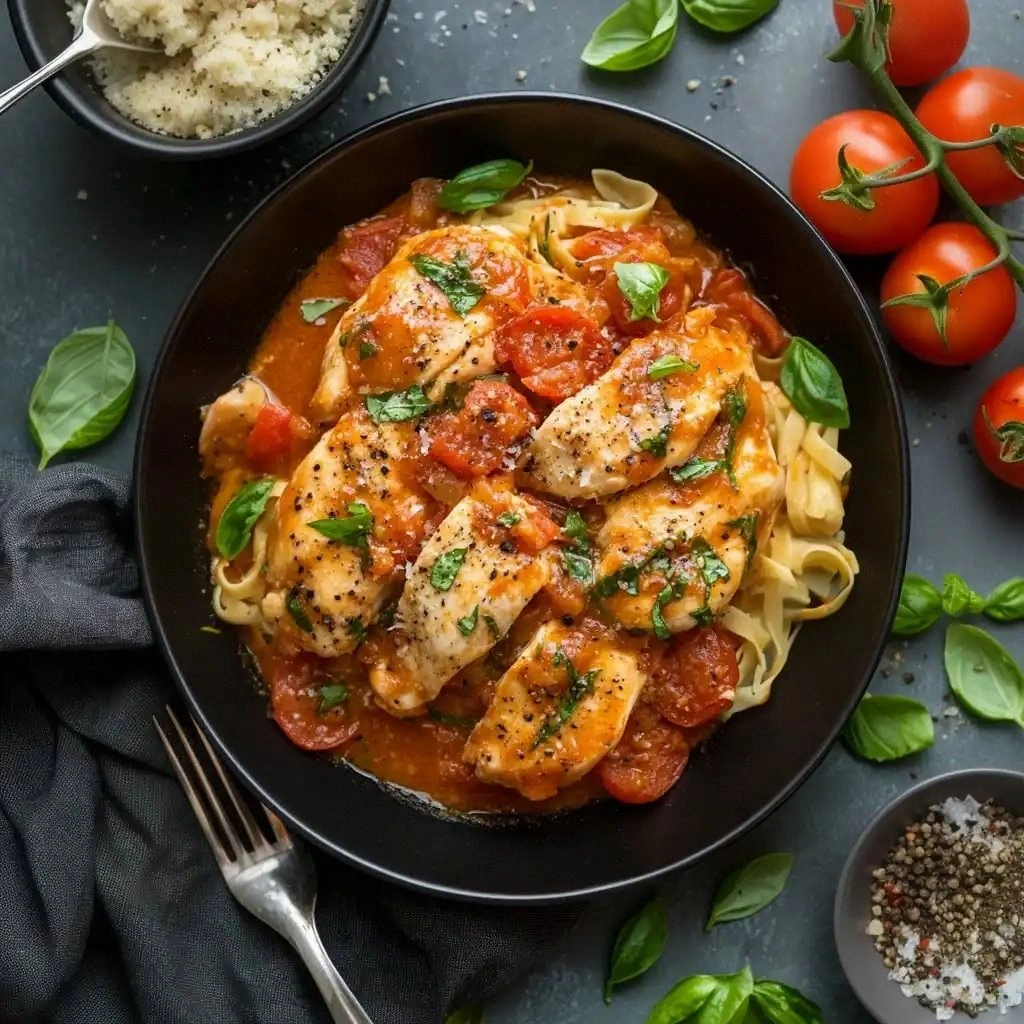
I was halfway through a weeknight dinner, the kitchen smelling of burnt onions and over‑cooked garlic, when my phone buzzed with a text from a friend: “Try the slow‑cooker tomato‑basil chicken—it's a game changer.” I stared at the pot, skeptical but hungry, and decided to give it a shot. The moment the sauce simmered, the air filled with a scent that felt like a summer picnic on a rainy day—tomatoes, basil, and a whisper of oregano. My taste buds tingled even before I tasted it, and I swear the first bite was a revelation: juicy chicken coated in a velvety, herb‑laden sauce that made the whole room sigh in contentment. I dare you to taste this and not go back for seconds.
Picture yourself pulling this out of the slow cooker, the whole kitchen smelling incredible, the steam curling like a fragrant cloud. The dish is so simple that it feels almost too good to be true, yet each ingredient plays a starring role that makes it stand out from the countless tomato‑basil recipes out there. I’m talking about a sauce that coats pasta like velvet, chicken that’s tender enough to fall apart with a fork, and basil that adds that bright, green pop that wakes up the palate. This isn’t just another slow‑cooker dinner; it’s a culinary revelation that will have you reaching for the recipe card again and again. If you've ever struggled with tomato sauces that taste flat or chicken that turns out dry, you're not alone — and I've got the fix.
Most recipes get this completely wrong by either over‑sautéing the aromatics or under‑seasoning the sauce. I’ve spent countless hours tweaking ratios until I found the sweet spot: a balance that lets the tomatoes shine while the basil’s freshness cuts through the richness. The secret? A slow‑cooker method that gently melds flavors over hours, preserving the delicate nuances of each herb. And the best part? You set it up, let it work its magic, and come back to a dish that tastes like it was simmered in a wood‑fire kitchen. Stay with me here — this is worth it.
Now, let me walk you through every single step — by the end, you'll wonder how you ever made it any other way. I’ll share a technique you won’t expect: a quick sear that locks in juices, a splash of wine that adds depth, and a pinch of sugar that balances acidity. I’ll also reveal a hack that saves you time and keeps the basil’s bright color intact. The result is a dish that’s not just delicious but also a joy to make. And trust me, once you taste it, you’ll be shouting, “This is hands down the best version you'll ever make at home!”
What Makes This Version Stand Out
- Taste: The sauce is a harmonious blend of sweet, tangy tomatoes and aromatic basil, finished with a subtle heat from red pepper flakes that lingers without overwhelming.
- Texture: Slow‑cooking breaks down the chicken into tender, melt‑in‑your‑mouth pieces while the sauce thickens into a silky consistency that clings to every bite.
- Simplicity: With only nine ingredients, the recipe feels approachable, yet the slow‑cooker method delivers depth that would otherwise require a dozen steps.
- Uniqueness: The addition of a splash of white wine during the searing stage adds a nuanced, earthy undertone that sets this sauce apart from standard tomato‑basil blends.
- Crowd Reaction: Friends who’ve tried it say it’s “the most comforting dish” they’ve had in years, and it’s become a staple for family dinners.
- Ingredient Quality: Fresh basil and hand‑picked tomatoes elevate the flavor profile, turning a basic recipe into a gourmet experience.
- Cooking Method: The slow‑cooker approach not only saves time but also ensures even heat distribution, preventing scorching and preserving the natural sweetness of tomatoes.
- Make‑ahead Potential: The dish keeps well in the fridge for up to four days and tastes just as good the next day, making it perfect for meal prep.
Inside the Ingredient List
The Flavor Base
The can of crushed tomatoes forms the heart of the sauce, offering a sweet, slightly acidic foundation that balances the richness of the chicken. Choosing a high‑quality brand with no added sugar preserves the natural tomato flavor and prevents the sauce from becoming overly sweet. If you prefer a chunkier texture, swap the crushed tomatoes for whole‑tomato sauce and break them up with a spoon before adding.
The Texture Crew
The boneless, skinless chicken breasts bring protein and a neutral canvas for the sauce to shine upon. Slicing them into cubes before cooking helps them absorb the aromatics more fully and reduces cooking time. If you’re a fan of a firmer bite, leave the chicken whole and slice it after it’s cooked.
The Unexpected Star
Red pepper flakes are the secret to that subtle heat that lingers on the palate. A half teaspoon is enough to add a kick without overpowering the basil’s freshness. For a milder version, reduce the amount to a quarter teaspoon or omit it entirely.
The Final Flourish
Fresh basil leaves are the crown jewel of this dish, lending a bright, green aroma that awakens the senses. Use a handful of leaves, torn into bite‑sized pieces, and fold them into the sauce at the end to preserve their vibrant color and flavor. If basil is out of season, a small amount of dried basil can be used, but the dish will lack that fresh zing.
Everything's prepped? Good. Let's get into the real action...
The Method — Step by Step
- Seared Perfection: Heat the olive oil in a large skillet over medium‑high heat. Add the chicken cubes and sear until golden brown on all sides; this creates a flavorful crust that locks in juices. While searing, you’ll notice the aroma of garlic and onion begin to mingle, setting the stage for the sauce’s depth. Once seared, transfer the chicken to the slow cooker.
- Layering the Aromatics: In the same skillet, reduce heat to medium and add the minced garlic and diced onion. Sauté until translucent, about three minutes, letting the onion release its natural sweetness. The garlic should emit a warm, nutty scent that signals the aromatics are ready. Add a splash of white wine to deglaze the pan, scraping up any browned bits.
- Building the Base: Pour the wine into the slow cooker, then add the can of crushed tomatoes, dried oregano, and red pepper flakes. Stir to combine, ensuring the tomatoes are well distributed. This is the moment of truth—your sauce should have a deep, rich color that looks inviting.
- Simmering Magic: Cover the slow cooker and set it to low for 4 hours or high for 2 hours. The slow, low heat allows the flavors to meld beautifully, while the chicken remains juicy and tender. Avoid lifting the lid during cooking; each time you do, you lose precious steam and flavor.
- Fresh Basil Infusion: About 15 minutes before the cooking time ends, stir in the fresh basil leaves. The basil will wilt quickly, releasing its aromatic oils. This timing ensures the basil’s bright color and flavor remain vivid. If you prefer a more intense basil flavor, add a few extra leaves at this point.
- Season to Perfection: Taste the sauce and season with salt and freshly ground black pepper as needed. The slow‑cooker environment concentrates flavors, so start with a small pinch of salt and adjust gradually. A well‑seasoned sauce balances sweet, acidic, and savory notes perfectly.
- Final Touches: Give the sauce a gentle stir, ensuring the chicken is evenly coated. If the sauce appears too thin, let it cook uncovered for an additional 15 minutes to reduce. The sauce should have a glossy, velvety texture that clings to the chicken.
- Serve and Enjoy: Spoon the sauce and chicken over freshly cooked pasta, rice, or a bed of roasted vegetables. Garnish with a few extra basil leaves for a pop of color. The dish should be hot, fragrant, and ready to devour.
That's it — you did it. But hold on, I've got a few more tricks that'll take this to another level. The next section will reveal insider secrets that will make your sauce shine even brighter and keep your kitchen smelling like a Mediterranean garden.
Insider Tricks for Flawless Results
The Temperature Rule Nobody Follows
Slow cookers vary, so always start on low and let the dish simmer for at least three hours. A higher temperature can cause the tomatoes to break down too quickly, resulting in a watery sauce. I’ve seen recipes that say “cook on high for two hours,” but I’ve learned that low is the secret to a silky, cohesive sauce.
Why Your Nose Knows Best
When the sauce starts to bubble gently, you’ll notice a sweet, caramelized aroma that indicates the tomatoes are breaking down. Trust your nose; it’s a reliable indicator that the sauce is ready to finish. A common mistake is to rush the cooking time, which leaves the sauce raw and acidic.
The 5‑Minute Rest That Changes Everything
Let the slow cooker rest for five minutes after turning it off before serving. This brief pause allows the sauce to thicken slightly and the flavors to settle. A dish served straight from the cooker often tastes a bit flat because the heat has not had time to distribute evenly.
A Splash of Cream for Richness
If you’re craving a richer sauce, stir in a tablespoon of heavy cream or coconut milk at the end. The fat will smooth the sauce’s texture and add a luxurious mouthfeel. Keep in mind that this addition will slightly alter the flavor profile, making it less tomato‑centric.
The Garlic Trick
Instead of mincing garlic, crush it with the flat side of a knife; this releases more flavor and gives the sauce a deeper, earthier undertone. Many people skip this step, resulting in a milder sauce that lacks depth. I’ve found that this simple trick transforms the dish from good to unforgettable.
Creative Twists and Variations
This recipe is a playground. Here are some of my favorite ways to switch things up:
Mediterranean Chickpea Version
Swap the chicken for a can of chickpeas for a vegetarian take. The chickpeas soak up the tomato‑basil flavor wonderfully, and the dish becomes a hearty, protein‑rich meal. Pair it with quinoa or couscous for a balanced plate.
Spicy Cajun Kick
Add a tablespoon of Cajun seasoning to the aromatics for a smoky, spicy twist. The Cajun spices complement the tomato base and give the dish a bold, adventurous flavor profile. Serve over rice for a satisfying comfort meal.
Pesto Fusion
Stir in a handful of basil pesto at the end to create a rich, herbaceous sauce. The pesto adds depth and a creamy texture that contrasts beautifully with the tomato base. This variation is perfect for a quick weeknight dinner.
Roasted Red Pepper Addition
Blend in a jar of roasted red peppers to the sauce for a sweet, smoky flavor. The peppers add a vibrant color and a subtle sweetness that balances the acidity of the tomatoes. It’s an excellent way to use up jarred peppers.
Chicken Parmesan Style
Top the cooked chicken with shredded mozzarella and a sprinkle of Parmesan before serving. The melted cheese creates a gooey, comforting layer that elevates the dish to restaurant‑quality. Serve with a side of garlic bread for a full meal.
Herb‑Infused Garlic Bread
Make a quick side by spreading garlic butter mixed with fresh basil on baguette slices, then baking until golden. The garlic bread adds a crunchy texture and a burst of flavor that pairs perfectly with the tomato‑basil sauce. This side turns a simple dinner into a feast.
Storing and Bringing It Back to Life
Fridge Storage
Store leftovers in an airtight container in the refrigerator for up to four days. The sauce’s acidity helps preserve the chicken, keeping it juicy and safe to eat. Before reheating, give the sauce a quick stir to re‑integrate any separated liquids.
Freezer Friendly
Freeze portions in freezer‑safe containers for up to three months. When defrosting, do so overnight in the refrigerator to maintain texture. Reheat on the stovetop over low heat, stirring occasionally, until hot.
Best Reheating Method
Reheat the sauce on the stove over medium heat, adding a splash of water or broth to keep it from drying out. The added liquid helps steam the sauce back to its silky consistency. Heat until the sauce reaches 165°F, then serve immediately.