Picture this: I’m standing in a cramped kitchen, the stove is on, and the scent of oregano is already dancing in the air. The last time I tried Greek meatballs, I ended up with a soggy mess that looked more like a wet, unappetizing lump than a Mediterranean delight. I was halfway through my week of low‑carb cravings when a friend dared me to make the “ultimate” version of these little wonders, promising that I’d taste something that would make me question every other recipe I’d ever seen. I’m not joking—when the first bite hit, the salt, pepper, and feta exploded in my mouth like a tiny, savory fireworks show.
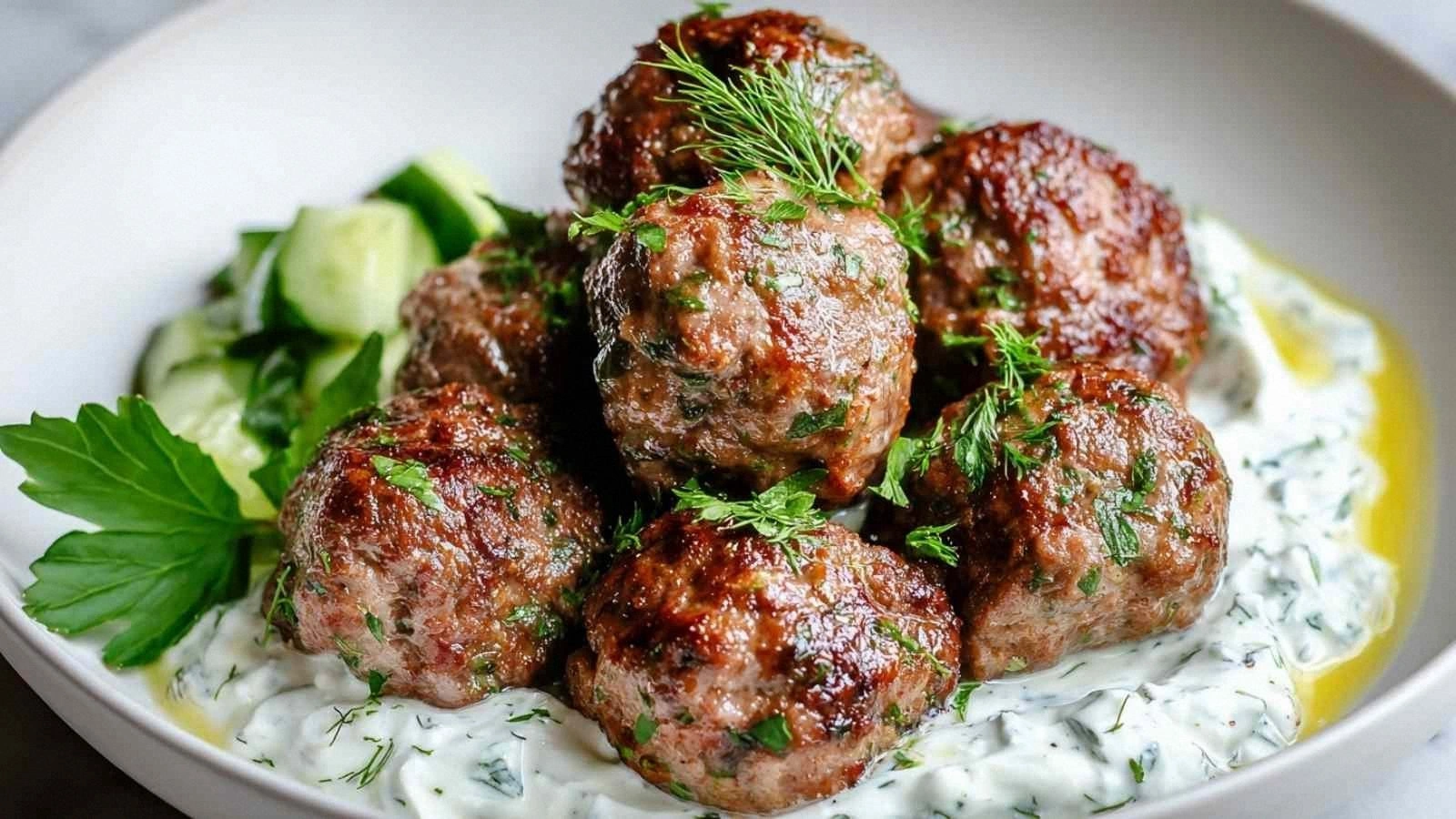
Now, let’s talk senses. The visual is a golden crust that cracks open to reveal a pink, juicy center that practically whispers, “I’m alive.” The aroma is a sweet, buttery blend of garlic and oregano, with a hint of tang from the feta that lifts the whole dish into the realm of gourmet. When you bite, the meat is tender, not dry, and the almond flour gives a subtle nutty crunch that contrasts beautifully with the creamy cheese. The finish? A silky, peppery finish that lingers, making you reach for another bite before the plate feels empty.
I’ll be honest—when I first tasted these meatballs, I ate half the batch before anyone else got to try them. The rest of the world will think I’m a culinary genius, but really it’s the simple, honest approach that makes them stand out. I’m not here to brag about fancy techniques; I’m here to show you how to create a dish that will become the staple of your dinner rotation. This version is hands down the best you’ll ever make at home because it balances flavor, texture, and convenience like a well‑tuned orchestra.
Picture yourself pulling this out of the oven, the whole kitchen smelling incredible, and your guests lining up for seconds. I dare you to taste this and not go back for seconds. The next part of this guide is going to be pure magic, and I promise you’ll wonder how you ever cooked Greek meatballs any other way.
What Makes This Version Stand Out
- Flavor: The combination of feta, oregano, and garlic creates a bold, authentic taste that’s unmistakably Greek. The subtle sweetness of the olive oil balances the saltiness of the cheese, leaving a clean finish.
- Texture: Almond flour adds a delicate crunch that holds the meat together while keeping the interior moist. The meatballs are firm on the outside and juicy on the inside, like a well‑cooked steak.
- Convenience: No breadcrumbs, no flour, no heavy sauces—just a handful of pantry staples. The recipe takes less than 45 minutes from start to finish, making it perfect for busy weeknights.
- Nutrition: With only 30 grams of carbs per serving, these meatballs fit perfectly into a keto or low‑carb diet without sacrificing flavor.
- Versatility: They work great on their own, as part of a salad, or served with a side of roasted vegetables. Swap lamb for beef or add a dash of lemon zest for a citrus twist.
- Make‑ahead Potential: The meatballs hold up wonderfully in the fridge or freezer and can be reheated without losing their juicy center.
Inside the Ingredient List
The Flavor Base
Ground beef or lamb is the star of the show. The choice between the two depends on your personal preference: lamb offers a richer, gamier taste while beef delivers a milder, classic flavor. If you’re looking for an extra layer of depth, opt for a blend of both; the fatty cuts of lamb will keep the meatballs from drying out during cooking. Skipping the meat would turn this into a bland, dry dish, so it’s essential to use a cut that has at least 15% fat for that juicy center.
The Texture Crew
Almond flour is the unsung hero that binds everything together without the heaviness of breadcrumbs. Its fine texture keeps the meatballs tender, while adding a subtle nutty flavor that pairs perfectly with the feta. If you’re allergic to nuts or want a lower-carb option, try crushed pork rinds instead; they’ll give you the same binding effect with an even lighter taste. Choosing a high‑quality almond flour ensures a smooth mixture, preventing clumps that can ruin the texture.
The Unexpected Star
Feta cheese is more than just a garnish; it’s a flavor powerhouse that adds saltiness, tang, and a creamy texture that melts into the meat. When you mix it into the meat mixture, the cheese’s moisture helps keep the meatballs moist during cooking. If you can’t find feta, crumbled goat cheese works beautifully and adds a slightly sweeter tang. Remember, feta is salty, so adjust the salt accordingly to avoid over‑seasoning.
The Final Flourish
The egg acts as a natural binder, holding the mixture together as it cooks. It also adds a subtle richness that enhances the overall mouthfeel. For a vegan version, replace the egg with a flaxseed “egg” or a commercial egg replacer. The oregano and garlic bring aromatic warmth that lifts the dish, while the olive oil adds silky richness and helps the meatballs brown beautifully. Each ingredient has a distinct role, and omitting any one of them will alter the balance of this classic.
Everything’s prepped? Good. Let’s get into the real action…
The Method — Step by Step
- Gather Your Ingredients: Before you start, have all your ingredients measured and ready. The key to a smooth process is to avoid last‑minute scrambling. This step will take about five minutes, so grab a cutting board and a mixing bowl. Trust me, a well‑organized prep area saves time and reduces kitchen chaos.
- Combine the Meat and Feta: In a large bowl, combine the ground meat, crumbled feta, and the egg. Mix with your hands or a wooden spoon until the ingredients are evenly distributed. The mixture should feel cohesive; if it feels too dry, add a splash of olive oil to help bind it. This is the moment where the flavor starts to mingle.
- Season the Mixture: Add the dried oregano, minced garlic, salt, and black pepper to the bowl. Stir thoroughly so the spices coat the meat evenly. The aroma will start to hint at the final dish, and you’ll know you’re on the right track. If you prefer a milder garlic flavor, reduce the cloves to one.
- Incorporate Almond Flour: Gradually sprinkle the almond flour over the meat mixture while stirring. The flour should be evenly incorporated, giving the mixture a slightly thicker consistency. This step is crucial for preventing the meatballs from falling apart during cooking. If you find the mixture too wet, add a bit more almond flour.
- Shape the Meatballs: Using a tablespoon or a small ice‑cream scoop, form the mixture into bite‑sized balls, about 1.5 inches in diameter. Place them on a parchment‑lined baking sheet, leaving space between each ball. The uniform size ensures even cooking and a consistent texture.
- Preheat the Oven: While the meatballs are forming, preheat your oven to 400°F (200°C). A properly heated oven ensures a crisp exterior and a juicy interior. If you’re using a convection oven, set it to 350°F (175°C) to avoid over‑browning.
- Cook the Meatballs: Transfer the baking sheet to the preheated oven and bake for 20–22 minutes, flipping halfway through. The meatballs should be golden brown on the outside and reach an internal temperature of 160°F (71°C). The edges will start pulling away from the parchment, signaling that they’re done.
- Rest Before Serving: Once baked, let the meatballs rest on the baking sheet for 5 minutes. This allows the juices to redistribute, ensuring each bite stays moist. If you’re serving them immediately, plate them with a drizzle of olive oil or a squeeze of lemon for a bright finish.
- Serve and Enjoy: Plate the meatballs with your favorite side—roasted vegetables, a crisp Greek salad, or a low‑carb pasta. Garnish with extra feta, a sprinkle of oregano, or fresh parsley for a pop of color. The moment you take a bite, you’ll hear that satisfying sizzle of the crust and feel the tender center melt in your mouth.
That’s it — you did it. But hold on, I’ve got a few more tricks that will take this to another level.
Insider Tricks for Flawless Results
The Temperature Rule Nobody Follows
Many cooks bake meatballs at 375°F, but this recipe thrives at 400°F. The higher temperature creates a caramelized exterior that locks in juices, giving you a perfect bite every time. If you’re using a convection oven, lower the temperature by 25°F to avoid over‑browning.
Why Your Nose Knows Best
During baking, the aroma of oregano and garlic will intensify. Trust your nose to gauge doneness: when the scent is strong and the meatballs are golden, they’re ready. If the smell is weak, give them a few more minutes. This sensory cue saves you from guessing and ensures consistent results.
The 5‑Minute Rest That Changes Everything
Resting the meatballs after baking is not a luxury—it’s essential. The rest period allows the juices to settle, preventing them from spilling out when you cut into the meatball. Skipping this step can leave you with a dry center that feels like a piece of toast.
Use a Silicone Baking Mat
A silicone mat keeps the meatballs from sticking to the sheet and makes cleanup a breeze. It also distributes heat more evenly, ensuring a uniform crust. If you don’t have a mat, line the sheet with parchment paper, but be prepared to scrub a bit more later.
Freeze for Later
These meatballs freeze well. Place them on a parchment‑lined tray, freeze until solid, then transfer to a freezer bag. They’ll keep for up to three months. When you’re ready to serve, bake them directly from frozen for a few minutes longer.
Creative Twists and Variations
This recipe is a playground. Here are some of my favorite ways to switch things up:
Herb‑Infused Lamb
Add fresh mint and dill to the meat mixture for a refreshing, Mediterranean twist. The herbs pair beautifully with lamb, enhancing its natural flavor. Serve with a cucumber yogurt dip for a full Greek experience.
Spicy Kick
Mix in a teaspoon of crushed red pepper flakes or a dash of cayenne for heat. The spice will mingle with the oregano, creating a bold, spicy flavor profile. Pair with a cooling tzatziki sauce to balance the heat.
Cheesy Baked Parmesan
After baking, sprinkle grated Parmesan over the meatballs and return them to the oven for an additional 3 minutes. The Parmesan melts into a golden crust that adds a nutty, savory layer. This variation is perfect for a cheese lover.
Low‑Carb “Bacon” Wrap
Wrap each meatball in a slice of bacon before baking. The bacon adds a smoky flavor and a crisp texture. When the bacon is fully cooked, the meatballs will have a savory, caramelized finish.
Vegetarian “Keftedes”
Replace the meat with a mix of finely chopped spinach, zucchini, and mushrooms. Add chickpea flour for binding and keep the feta and spices. This version is hearty, flavorful, and still keto‑friendly if you use a low‑carb flour.
Greek Salad Duo
Serve the meatballs on a bed of chopped romaine, tomatoes, olives, and red onion. Drizzle with olive oil and a squeeze of lemon for a quick, satisfying meal. The salad’s acidity cuts through the richness of the meatballs.
Storing and Bringing It Back to Life
Fridge Storage
Cool the meatballs completely before placing them in an airtight container. Store in the refrigerator for up to 3 days. If you need to keep them longer, transfer them to the freezer.
Freezer Friendly
Freeze the meatballs on a parchment‑lined tray until solid, then transfer to a freezer bag. They’ll keep for up to 3 months. When ready to serve, bake them directly from frozen, adding 5 minutes to the cooking time.
Best Reheating Method
Reheat the meatballs in a skillet over medium heat, adding a splash of water or broth to create steam. Cover for 3–4 minutes until heated through. This technique restores moisture and prevents the meatballs from drying out.