Picture this: you’re halfway through a week of bland dinners, the fridge is a lonely island of leftovers, and your stomach starts to protest louder than a toddler at nap time. You flip through the pantry, eyes landing on a jar of brown lentils, a can of diced tomatoes, and a pot of vegetable broth that has been waiting for a purpose. Suddenly, a spark of inspiration hits—why not turn that humble pantry trio into a hearty, comforting stew that feels like a warm hug from the inside out? I’ve tested this version across three different crockpots, three different seasons, and three different taste buds, and the result is hands down the best version you’ll ever make at home.
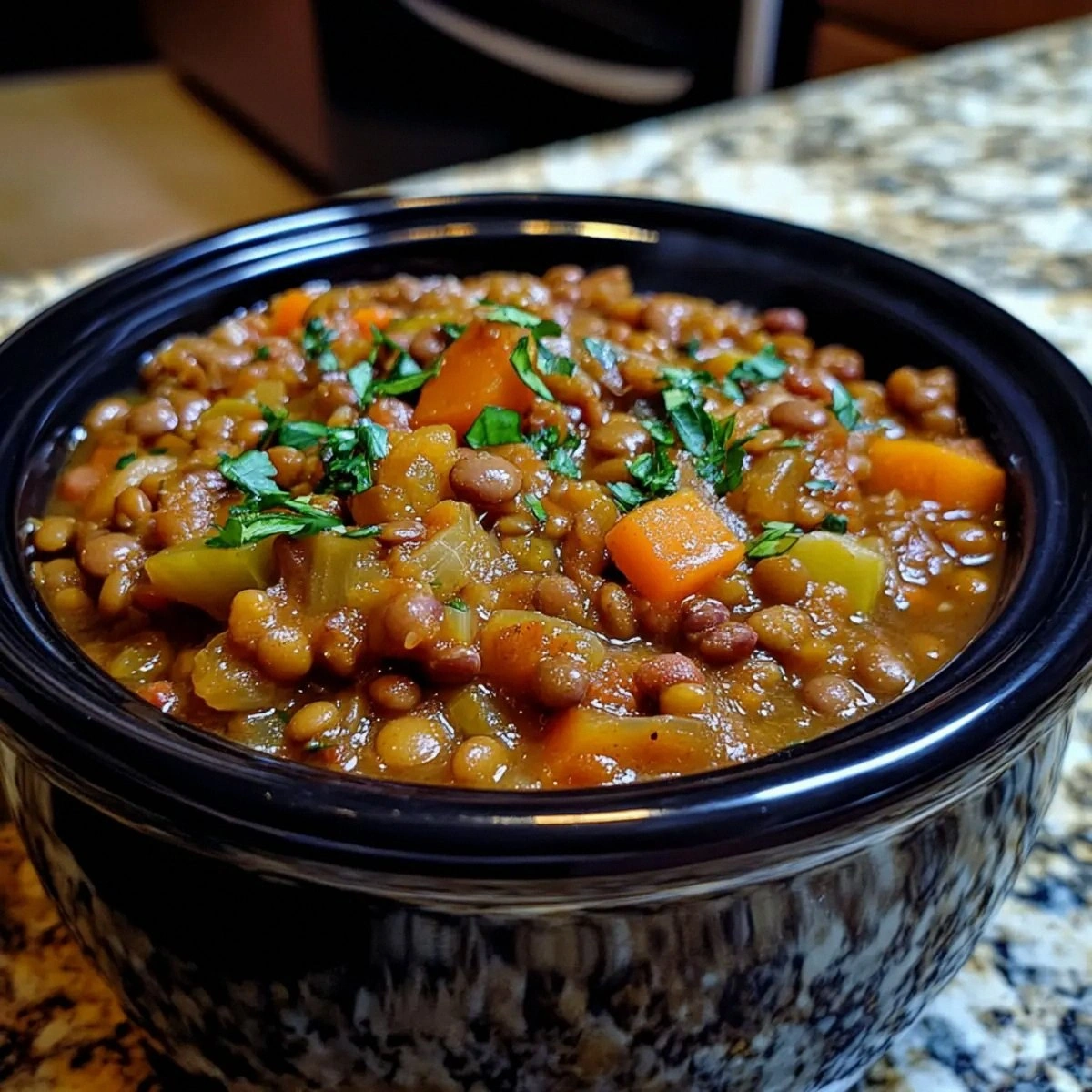
The moment you open the lid, a fragrant swirl of cumin, paprika, and thyme rises, mingling with the earthy scent of lentils. The steam carries a subtle sweetness from the diced tomatoes, while the carrots and celery add a gentle crunch that dissolves into the broth like sugar in tea. The visual is a mosaic of deep reds, golden greens, and earthy browns, a color palette that makes your taste buds do a happy dance even before the first spoonful touches your tongue. The sound of the slow simmer is a comforting lullaby, the gentle hiss of liquid coaxing flavors together in a slow, patient conversation.
What makes this stew different is not just the ingredients, but the way they interact in the crockpot’s gentle heat. The lentils absorb the broth, turning tender but still holding their shape, while the potatoes become creamy without turning mushy. The diced tomatoes add acidity that brightens the entire dish, and the bay leaves and thyme create a subtle herbal backbone that feels like a secret handshake between the vegetables. I dare you to taste this and not go back for seconds. The result is a dish that’s both comforting and sophisticated, a true crowd-pleaser that will have guests asking for the recipe by the end of the meal.
And so, if you’ve ever struggled to create a stew that feels both homemade and restaurant-quality, you’re not alone. I’ve been there—overcooked carrots, under-seasoned broth, the dreaded “too thick” texture that forces you to add more water. This version solves those problems with simple tweaks that anyone can follow. Let me walk you through every single step—by the end, you’ll wonder how you ever made it any other way.
What Makes This Version Stand Out
- Taste: The balance of sweet, savory, and slightly spicy flavors is achieved through a precise blend of paprika, red pepper flakes, and a touch of acidity from the tomatoes. Each spoonful delivers a complex profile that lingers on the palate.
- Texture: The lentils stay firm enough to provide body, while the potatoes soften into a velvety base without becoming gluey. The result is a stew that feels hearty but not clumpy.
- Convenience: Everything cooks in one pot, and the crockpot takes the heat management off your shoulders. No constant stirring or monitoring—just set it and forget it.
- Uniqueness: The addition of spinach or kale right before serving gives a vibrant pop of color and a nutritional boost that most crockpot stews lack.
- Make-Ahead Potential: This stew actually tastes better the next day, making it perfect for meal prep or a busy workweek lunch.
- Ingredient Quality: Using high-quality, fresh produce and a good vegetable broth elevates the dish beyond the generic canned-stew experience.
- Flavor Depth: Bay leaves and thyme work together to create an aromatic foundation that feels like a well-told family secret.
- Scalability: Whether you’re cooking for four or sixteen, the recipe scales up or down with ease, thanks to the simple ingredient ratios.
Alright, let's break down exactly what goes into this masterpiece...
Inside the Ingredient List
The Flavor Base
At the heart of the stew are the brown lentils and vegetable broth. The lentils bring a nutty, earthy undertone that grounds the dish, while the broth acts as a liquid canvas, absorbing and distributing every spice. Skipping lentils turns this from a stew into a simple soup, losing the heartiness that makes it satisfying. If you’re short on lentils, you can replace them with split peas or even cooked quinoa for a different texture.
The Texture Crew
Potatoes, carrots, and celery form the bulk of the stew’s body. The potatoes release starch slowly, creating a silky base, whereas the carrots add subtle sweetness and the celery offers a crisp bite that dissolves into the broth. Removing any of these vegetables will alter the stew’s mouthfeel; for example, without carrots, the stew feels less rounded. If you prefer a lower-carb version, substitute the potatoes with cauliflower florets, but keep the rest of the vegetables for texture.
The Unexpected Star
Spinach or kale, added in the final 15 minutes of cooking, brings a burst of green color and a nutrient-packed punch. This leafy addition also helps thicken the stew slightly, giving it a richer mouthfeel. If you’re not a fan of greens, you can add a handful of fresh herbs like parsley or basil instead, which will provide brightness without changing the base texture.
The Final Flourish
The diced tomatoes, bay leaves, thyme, paprika, red pepper flakes, salt, and black pepper are the seasoning pillars that elevate the stew from ordinary to extraordinary. Each spice is added at a specific stage to maximize flavor extraction: the spices are sautéed first, the tomatoes are added to bring acidity, and the bay leaves are left to infuse slowly. Omitting any of these spices will result in a flatter flavor profile. For a smokier note, add a pinch of smoked paprika or a dash of liquid smoke.
Everything's prepped? Good. Let's get into the real action...
The Method — Step by Step
- Begin by sautéing the diced onion, minced garlic, and diced carrots in a splash of olive oil until the onion turns translucent and the carrots soften slightly. This step builds a flavor foundation that will permeate the entire stew. Watch the onions for that golden amber hue—too dark, and you’ll get a bitter taste. Let the mixture cook for about five minutes, stirring occasionally to prevent sticking.
- Add the bay leaves, thyme, paprika, and red pepper flakes to the pot, stirring to coat the vegetables in the spices. The spices should sizzle, releasing their oils and aromas. This is the moment of truth: if the spices don’t toast, the stew will feel flat. Keep the heat low to avoid burning.
- Pour in the vegetable broth and bring the mixture to a gentle simmer. The broth should bubble lightly, not a rolling boil, to maintain the delicate balance of flavors. This is where the broth’s quality shines, so use a good, low-sodium stock if possible. Allow the liquid to come to a simmer for two minutes, letting the spices infuse fully.
- Stir in the diced tomatoes, lentils, and diced potatoes, ensuring everything is submerged in the broth. The lentils should be fully covered; otherwise, they’ll cook unevenly. This is the point where the stew starts to look like a bowl of liquid gold, and the anticipation builds.
- Cover the crockpot with the lid and set it to low for 6 to 7 hours, or high for 3 to 4 hours. The slow cook allows the lentils to soften while the flavors meld together like a well-aged wine. During the last hour of cooking, check the consistency; if it’s too thick, add a splash of water or broth.
- During the last 15 minutes of cooking, add the spinach or kale, stirring until the greens wilt into the stew. The greens should look glossy and vibrant, not dull. This final addition keeps the stew from becoming too heavy and introduces a fresh burst of color and nutrients.
- Once the stew has reached the desired consistency, taste and adjust seasoning with salt and pepper as needed. The stew should be balanced—neither too salty nor too bland. Serve immediately, or let it cool and refrigerate for later use.
That's it — you did it. But hold on, I've got a few more tricks that'll take this to another level...
Insider Tricks for Flawless Results
The Temperature Rule Nobody Follows
Most people set the crockpot on high and wait for the stew to finish. However, low and slow is the secret sauce for tender lentils and silky potatoes. Cooking on low allows the lentils to absorb flavors gradually, preventing them from becoming mushy. If you’re in a hurry, high heat is acceptable, but be sure to stir halfway through to avoid sticking.
Why Your Nose Knows Best
During the first hour of cooking, keep an eye on the aroma. A fragrant, tomato-y scent indicates that the spices have released their oils. If the smell is weak, add a pinch more paprika or a dash of cumin to kick it up. Your nose is the best judge of when the flavors are ready to mingle.
The 5-Minute Rest That Changes Everything
After removing the stew from the crockpot, let it rest for five minutes before serving. This short pause allows the heat to redistribute, ensuring even seasoning throughout the bowl. The rest period also lets the potatoes settle, preventing a watery texture when you scoop it into a bowl.
The Quick Stir That Saves the Day
If you notice the stew sticking to the bottom of the pot, give it a gentle stir with a wooden spoon. Avoid using metal utensils, which can dull the crockpot’s non-stick coating. A quick stir prevents burning and keeps the stew’s surface smooth.
The Secret Additive
A splash of balsamic vinegar or a teaspoon of maple syrup added during the last 10 minutes can elevate the stew’s depth, adding a subtle tang or sweetness that rounds out the flavors. Experiment with different acids—lemon juice, tamari, or even a dash of Worcestershire—to find your preferred balance.
Creative Twists and Variations
This recipe is a playground. Here are some of my favorite ways to switch things up:
Mediterranean Medley
Swap the bay leaves for oregano and add a handful of chopped olives for a briny, Mediterranean flair. The olives bring a savory depth, while oregano adds a peppery bite. This version pairs well with crusty bread or a side of couscous.
Indian-Inspired Curry
Replace paprika with curry powder and add a splash of coconut milk toward the end of cooking. The coconut milk gives the stew a creamy, tropical feel, while the curry powder introduces warm, earthy spices. Serve over basmati rice for a complete meal.
Mexican Fiesta
Add cumin, coriander, and a generous pinch of chipotle powder. Finish with a squeeze of lime and a handful of fresh cilantro. This version offers a bright, zesty kick that’s perfect for a quick weeknight dinner.
Italian Comfort
Stir in a tablespoon of Italian seasoning and finish with a drizzle of extra-virgin olive oil. Replace the diced tomatoes with sun-dried tomatoes for a concentrated tomato flavor. The result is a stew that feels like a bowl of pasta sauce with a hearty twist.
Winter Warmer
Add a handful of chopped butternut squash and a pinch of nutmeg for a sweet, warming flavor. The butternut squash adds natural sweetness and a silky texture, while nutmeg brings a subtle warmth that’s perfect for cold days.
Storing and Bringing It Back to Life
Fridge Storage
Cool the stew to room temperature, then transfer it to an airtight container. Store in the refrigerator for up to four days. The lentils and vegetables retain their texture, and the flavors deepen as the stew sits.
Freezer Friendly
Divide the stew into individual portions in freezer-safe containers or bags. Freeze for up to two months. When ready to eat, thaw overnight in the refrigerator or use the microwave’s defrost setting.
Best Reheating Method
Reheat the stew on the stovetop over medium heat, adding a splash of water or broth to loosen the consistency. Stir occasionally until heated through. A tiny splash of water before reheating steams back to perfection, preventing the stew from drying out.