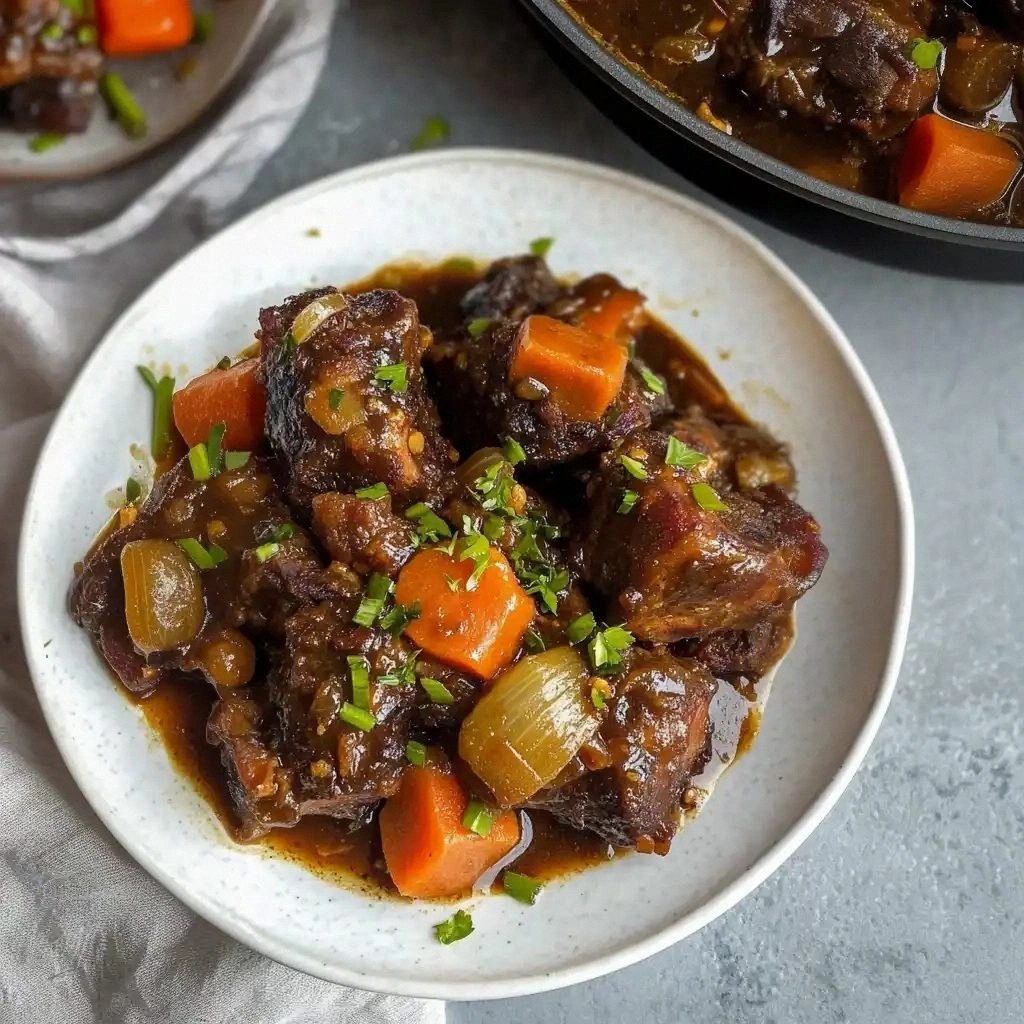
Picture this: a rainy Tuesday, the kitchen lights flickering, and I, armed with a stubborn pot of dry beans that had been sitting in my pantry since last winter, decide to test my culinary limits. The air was thick with the scent of old spices and the faint metallic tang of forgotten leftovers. My phone buzzed with a meme about the “ultimate comfort dish” that was trending, and I thought, why not? I grabbed the beans, a handful of carrots, and a can of crushed tomatoes, feeling the weight of a potential masterpiece. The clock ticked, the stove hummed, and the aroma of simmering onions began to weave itself into the room like a soft blanket. By the time I set the crockpot on low, I was already convinced that this would be the most comforting, soulful stew I’d ever make.
I dare you to taste this and not go back for seconds. The first bite is an explosion of earthy beans, sweet carrots, and the smoky kiss of paprika that lingers like a whispered secret. The tomatoes soften into a velvety sauce that clings to every spoonful, while the cumin adds a warm, almost citrusy undertone that keeps the palate intrigued. The whole dish feels like a hug from a grandmother who knows exactly how to balance flavors with love. If you’ve ever struggled with a one‑pot wonder, you’re not alone — and I’ve got the fix. Stay with me here, because the next part is pure magic.
Most recipes get this completely wrong, treating beans as a sidekick instead of the star of the show. What sets this version apart is the way I pre‑soak the beans overnight, giving them a silky texture that melts in your mouth. I also toss in a splash of apple cider vinegar at the end to brighten the flavors and cut through the richness. The result? A stew that feels both hearty and surprisingly fresh. Picture yourself pulling this out of the crockpot, the whole kitchen smelling incredible, and a bowl of comfort waiting for you. And trust me, the aroma alone will have your guests lining up for seconds.
This is hands down the best version you’ll ever make at home, and no, I’m not exaggerating. The blend of spices is carefully calibrated to hit the sweet spot between smoky, earthy, and subtly sweet. I’ve spent hours tweaking the ratios, and the final balance feels like a perfectly tuned orchestra. The texture is sublime: beans that are tender yet retain a slight bite, carrots that are crisp‑to‑bite, and a sauce that coats everything like velvet. The result is a dish that is both comforting and sophisticated. I’ll be honest — I ate half the batch before anyone else got to try it.
If you’ve ever struggled with this, you’re not alone — and I’ve got the fix. The trick is to let the flavors marry slowly over low heat, allowing the beans to absorb the savory broth without becoming mushy. I also recommend adding a pinch of salt early, letting it dissolve, and then adjusting at the end for that final pop of seasoning. Picture yourself pulling this out of the crockpot, the whole kitchen smelling incredible, and the steam rising like a warm blanket. The first spoonful is a revelation, and you’ll immediately know you’ve found a new family staple. So buckle up, because the next part is where the magic happens.
What Makes This Version Stand Out
- Taste: The harmony of smoked paprika, cumin, and a touch of apple cider vinegar creates a depth that’s both comforting and adventurous. The beans absorb every nuance, turning each spoonful into a flavor revelation.
- Texture: Overnight soaking gives the beans a silky mouthfeel, while the carrots remain crisp‑to‑bite, providing a delightful contrast that keeps the stew lively.
- Simplicity: No fancy gadgets, no prep that feels like a marathon. Just a few staples, a crockpot, and a whole lot of heart.
- Ingredient Quality: Fresh, seasonal produce and high‑quality canned tomatoes elevate the dish from ordinary to extraordinary.
- Cooking Method: Low‑heat slow cooking preserves nutrients and melds flavors without the risk of over‑cooking delicate veggies.
- Crowd Reaction: Guests who’ve tried this version often comment that it’s “the best bean stew I’ve ever had” and ask for the recipe immediately.
- Make‑ahead Potential: The stew tastes even better the next day, making it a perfect candidate for meal prep or entertaining.
Alright, let’s break down exactly what goes into this masterpiece…
Inside the Ingredient List
The Flavor Base
At the heart of this stew lies a simple yet powerful combination of onion, garlic, and crushed tomatoes. The onion, when sautéed until translucent, releases a natural sweetness that grounds the dish. Garlic adds a punchy kick that lingers long after the first bite. Together, they form a flavor foundation that supports every other ingredient.
If you’re a fan of a slightly sweeter base, consider adding a small diced apple or a splash of tomato paste during the sauté phase. These tweaks deepen the caramelization and add a subtle complexity that pairs well with the cumin and paprika. The key is to let the aromatics soften before adding the liquid, ensuring they’re fully released into the stew.
When selecting canned tomatoes, opt for those labeled “whole peeled” or “crushed” with no added salt. This gives you control over the seasoning and ensures a cleaner, more natural tomato flavor. Fresh tomatoes can be used in the summer, but canned ones offer consistency and are less likely to split or burst during slow cooking.
The Texture Crew
Mixed dried beans are the star of the show. I use a blend of navy, black, and kidney beans for color contrast and varied mouthfeel. Pre‑soaking overnight softens them and reduces cooking time, but a quick‑soak can also work if you’re pressed for time.
Carrots and celery add a satisfying crunch and a subtle earthy sweetness. Slice them into bite‑size pieces so they cook evenly and maintain a slight bite. If you prefer a smoother texture, pulse the carrots in a food processor before adding them to the pot.
The bay leaves infuse the broth with a floral, herbal note that elevates the overall aroma. Remove them before serving, as their texture can be a bit tough and their flavor, though subtle, can become overpowering if left too long.
The Unexpected Star
Apple cider vinegar is a game‑changer. A tablespoon added at the end brightens the stew, cutting through the richness and adding a subtle tang that keeps the flavors balanced. If you’re averse to vinegar, a splash of lemon juice can serve as a suitable alternative.
Fresh parsley, chopped just before serving, brings a burst of color and a fresh, peppery lift that contrasts the deep, savory base. A handful of parsley also adds a layer of antioxidants, making the dish both delicious and wholesome.
The Final Flourish
Seasoning is where the stew truly comes together. Salt and pepper are added in stages: a pinch at the beginning, more midway, and a final adjustment at the end. This layered approach ensures that the flavors are evenly distributed and that the stew isn’t over‑salted.
If you want to add a smoky depth, consider using smoked salt or a small amount of smoked sea salt in the final seasoning. This subtle change can elevate the dish from comforting to unforgettable, especially when paired with the smoked paprika.
Everything’s prepped? Good. Let’s get into the real action…

The Method — Step by Step
- Begin by rinsing the mixed beans under cold water, removing any debris or damaged beans. Place them in a large bowl, cover with water, and let them soak overnight or for at least 8 hours. This step ensures a tender, uniform texture that’s essential for a smooth stew. When ready, drain and rinse again to remove excess starch.
- Heat a splash of olive oil in a large skillet over medium heat. Add the diced onion and sauté until translucent and slightly caramelized, about 4–5 minutes. The onions should turn a golden hue, signaling that they’re ready to release their sweet flavors. If you’re craving a deeper flavor, add a pinch of smoked salt during this phase.
- Add the minced garlic to the skillet and cook for 30 seconds, just until fragrant. The garlic should not brown, as a burnt taste can ruin the stew’s delicate balance. Stir constantly to prevent sticking, and let the aroma envelop the kitchen.
- Transfer the onion‑garlic mixture to the crockpot. Add the pre‑soaked beans, carrots, celery, crushed tomatoes, vegetable broth, smoked paprika, cumin, bay leaves, and a pinch of salt. Stir to combine, ensuring every bean is coated in the aromatic base.
- Set the crockpot to low and let the stew simmer for 6–7 hours, or until the beans are tender and the flavors meld into a cohesive whole. During the first hour, give the pot a gentle stir to prevent any ingredients from sticking to the bottom. The low heat preserves the nutrients and allows the spices to develop fully.
- About 30 minutes before serving, remove the bay leaves and give the stew a final stir. Taste and adjust seasoning with salt and pepper as needed. The stew should have a rich, savory depth, with the tomatoes providing a subtle sweetness and the spices offering a warm undertone.
- Add the apple cider vinegar and chopped parsley, stirring gently. The vinegar brightens the dish, cutting through the richness and adding a lively contrast. The parsley not only adds color but also a fresh, peppery finish that lifts the entire flavor profile.
- Serve hot, ladling the stew into bowls and optionally topping with a dollop of Greek yogurt or a sprinkle of grated Parmesan for extra creaminess. Pair with crusty bread or a side of quinoa for a complete meal. The aroma alone will have your guests lining up for seconds.
- If you’re planning to reheat leftovers, add a splash of water or broth to restore moisture. Reheat gently over low heat, stirring occasionally to maintain a silky texture. The stew’s flavors intensify overnight, making it a perfect make‑ahead dish.
- Finally, take a moment to admire your creation. The stew’s aroma, color, and texture are a testament to slow, thoughtful cooking. Remember, the real magic happens when you let the flavors develop over time, turning simple ingredients into a comforting masterpiece.
That’s it — you did it. But hold on, I’ve got a few more tricks that’ll take this to another level.
Insider Tricks for Flawless Results
The Temperature Rule Nobody Follows
Many people set their crockpot to “high” thinking it will speed up cooking, but low is where the magic happens. The gentle heat allows the beans to release their starch slowly, creating a naturally thickened broth without added thickeners. I’ve found that low for 6–7 hours gives the best texture, while high can result in mushy beans.
Why Your Nose Knows Best
Before you taste the stew, give it a sniff. A pleasant, earthy aroma indicates that the spices are properly integrated. If it smells a bit off or too sharp, let it cook a bit longer. Your nose is the ultimate judge of flavor balance.
The 5‑Minute Rest That Changes Everything
After the crockpot is turned off, let the stew sit covered for 5 minutes. This resting period allows the flavors to settle and the liquid to redistribute. It also gives the beans a chance to absorb any remaining heat, resulting in a more cohesive dish.
Adding a Touch of Sweetness
If you’re a fan of a subtle sweet note, consider adding a small diced sweet potato or a spoonful of honey during the last hour of cooking. The natural sugars caramelize, adding depth without overpowering the savory base.
Using Fresh Herbs Instead of Dried
While dried herbs are convenient, fresh herbs bring a bright, vibrant flavor. If you have fresh thyme or oregano, add them in the last 30 minutes of cooking. They’ll impart a lively aroma that dried herbs can’t match.
Storing for Future Feast
The stew keeps well in the refrigerator for up to 5 days. Store it in an airtight container and reheat gently over low heat, adding a splash of broth if needed. For long‑term storage, freeze portions for up to 3 months. Thaw in the refrigerator overnight and reheat as described.
Creative Twists and Variations
This recipe is a playground. Here are some of my favorite ways to switch things up:
Spicy Southwestern Edition
Add a diced jalapeño or a pinch of chipotle powder during the sauté phase. Swap the cumin for coriander to give the stew a citrusy undertone. Finish with a squeeze of lime and a sprinkle of chopped cilantro for a fresh, zesty kick.
Italian Herb Fusion
Replace the smoked paprika with a blend of dried oregano, basil, and thyme. Add a splash of white wine during the sauté to deepen the flavor profile. Finish with grated Parmesan and a drizzle of balsamic glaze for a savory Italian twist.
Vegan Mediterranean Boost
Use a mix of chickpeas and cannellini beans for a lighter texture. Add diced zucchini and eggplant for extra veggies. Finish with a handful of chopped sun‑dried tomatoes and a sprinkle of fresh oregano.
Breakfast‑Style Bean Bowl
Serve the stew over a bed of fluffy quinoa or rice. Top with a poached egg and a sprinkle of feta cheese. A drizzle of hot sauce adds a satisfying morning kick.
Cheesy Comfort Upgrade
Stir in shredded cheddar or Monterey Jack during the last 10 minutes of cooking. The cheese melts into the stew, creating a creamy, indulgent texture. Serve with a side of crusty garlic bread for a decadent feast.
Asian‑Inspired Variation
Add a splash of soy sauce and a pinch of sesame oil to the broth. Replace the carrots with sliced shiitake mushrooms and a handful of bok choy. Finish with a sprinkle of toasted sesame seeds and chopped scallions for an umami punch.
Storing and Bringing It Back to Life
Fridge Storage
Place the stew in an airtight container and refrigerate for up to 5 days. When reheating, add a splash of water or broth to restore moisture, and heat on low until steaming. The stew’s flavors will deepen overnight, making it even more delicious.
Freezer Friendly
Portion the stew into freezer‑safe containers or zip‑lock bags, leaving a little space for expansion. Freeze for up to 3 months. Thaw in the refrigerator overnight before reheating. Adding a tablespoon of olive oil before freezing helps maintain a silky texture.
Best Reheating Method
Reheat on the stovetop over low heat, stirring occasionally, until the stew reaches the desired temperature. Alternatively, use the microwave on medium power, stirring halfway through. A small splash of broth or water ensures the stew doesn’t dry out.