Picture this: I’m standing in a cramped kitchen, the stove already humming, a pot of sauce simmering, and a stubborn paneer block refusing to melt into the creamy dream I’ve been craving all week. The last time I attempted a paneer musallam, the crust came out soggy and the filling was a bland, yogurt‑water mash that made me question my culinary sanity. I swear I almost threw the paneer into the trash, but a friend’s dare—“I dare you to taste this and not go back for seconds”—kept me from giving up. That moment turned into a culinary epiphany: the secret to a flawless paneer musallam lies in a handful of unexpected tweaks that elevate texture, flavor, and aroma to a whole new level.
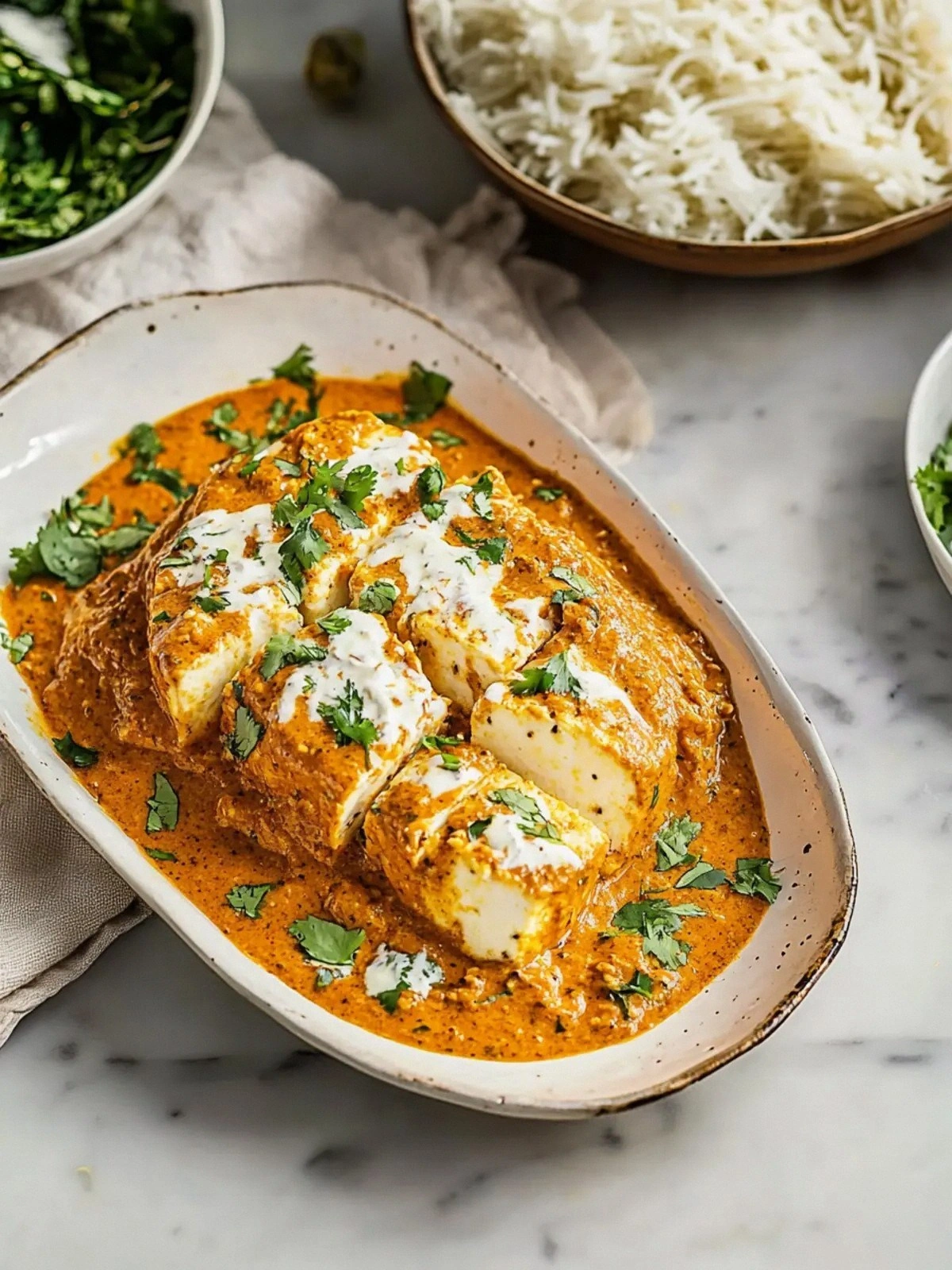
When I first tried this version, the kitchen filled with a fragrant bouquet of saffron, cardamom, and roasted cumin that made my nose twitch with anticipation. The paneer, sliced into thick, buttery slabs, sizzled in ghee as it browned to a golden, caramelized crust, while the onion masala bubbled like a miniature fireworks display. The moment the heavy cream and yogurt swirl together, the mixture thickens into a velvety sauce that coats the paneer like a silk scarf. Every bite delivers a burst of umami, a whisper of heat from cayenne, and a sweet crunch from pistachios and raisins—an orchestra of textures that sings in your mouth.
What sets this rendition apart is its meticulous layering of flavors and textures, each component carefully calibrated to complement the others. The use of cashew flour in the base gives the crust a subtle nutty depth that contrasts with the bright, floral notes of saffron and the earthy warmth of garam masala. The filling’s double cream and yogurt blend creates a silky, custard‑like consistency that melts effortlessly, while the pistachios and raisins add a delightful crunch that punctuates the richness. This is hands down the best version you’ll ever make at home—no kitchen wizardry required, just a few intentional steps that bring out the dish’s full potential.
Picture yourself pulling this from the oven, the whole kitchen smelling incredible, and a crowd of friends hovering, waiting for the first bite. The crust is crisp, the filling is luxuriously creamy, and the garnish of pistachios and saffron sparkles like tiny jewels. I can almost hear the clink of spoons and the satisfied sighs that follow each mouthful. Let me walk you through every single step—by the end, you’ll wonder how you ever made it any other way.
What Makes This Version Stand Out
- Taste: The marriage of sweet saffron and savory garam masala creates a depth that lingers on the palate, turning an ordinary paneer dish into a celebratory feast.
- Texture: A caramelized crust that shatters like thin ice when bitten, giving way to a silky, custard‑like filling that melts in your mouth.
- Ingredient Quality: Fresh cashew flour, hand‑picked pistachios, and real saffron strands elevate the dish from good to unforgettable.
- Cooking Method: Searing, slow simmering, and a final oven finish ensure even heat distribution and a perfect finish.
- Make‑Ahead Potential: The dish can be assembled and chilled, then baked just before serving, saving you time on the day of the event.
- Crowd Reaction: Guests often ask for the recipe after the first bite—this is the kind of dish that turns a simple dinner into a memorable gathering.
Alright, let's break down exactly what goes into this masterpiece...
Inside the Ingredient List
The Flavor Base
At the heart of this dish is a fragrant onion masala that forms the first layer of flavor. The masala’s blend of onions, tomatoes, and aromatic spices is cooked until it reduces into a thick, glossy paste that clings to the paneer. This base not only imparts a savory depth but also creates a barrier that keeps the paneer moist during baking. Skipping it would leave the dish flat and overly dry, so make sure it’s cooked to a caramelized consistency before proceeding.
The Texture Crew
Cashew flour and dry milk powder are the unsung heroes that give the crust its signature crunch. The cashew flour adds a subtle nutty undertone, while the dry milk powder thickens the sauce and contributes a silky mouthfeel. If you can’t find cashew flour, ground almonds or finely ground chickpea flour will work as a substitute, though the flavor profile will shift slightly toward a nuttier or slightly earthy tone.
The Unexpected Star
Saffron, the crown jewel of this recipe, is used in two forms: strands steeped in warm milk for a fragrant infusion, and a pinch of saffron powder that gives the dish its golden hue. Saffron’s subtle bitterness balances the richness of the heavy cream and yogurt, and its aroma is a subtle reminder of the dish’s Indian heritage. If saffron is out of reach, a dash of turmeric can mimic the color, but the flavor will be noticeably different.
The Final Flourish
Pistachios, almonds, and raisins are not merely decorative; they provide a textural contrast that brightens each bite. The pistachios are chopped for a crunchy bite, while the almonds in flour form part of the crust’s crispness. Golden raisins add a sweet pop that cuts through the richness, creating a harmonious balance. If you’re vegan, you can substitute coconut flakes for pistachios and dates for raisins, maintaining the crunch and sweetness.
Everything's prepped? Good. Let's get into the real action...
The Method — Step by Step
- Begin by heating 2 tablespoons of ghee in a heavy‑bottomed skillet over medium heat. Once the ghee shimmers, add the paneer slabs and sear each side for 2–3 minutes until a golden, caramelized crust forms. The searing step is crucial; it locks in moisture and creates a delightful crunch that will contrast beautifully with the creamy filling. Watch the color shift from pale to deep amber—this is the cue to flip.
- Transfer the seared paneer to a shallow baking dish, arranging them in a single layer. This ensures even heat distribution during the final bake and prevents the paneer from steaming rather than crisping. If you’re preparing for a large crowd, stack the slabs in tiers, but make sure each slab has a little space to breathe.
- In the same skillet, add the onion masala and sauté for 4–5 minutes until it thickens and the raw onion aroma disappears. Stir frequently to avoid sticking, and let the masala caramelize slightly. This step builds the flavor foundation; a slightly sweet, aromatic base will carry through the rest of the dish.
- Whisk in 1 cup of plain whole‑milk yogurt and 1 cup of heavy cream, then reduce the heat to low. The mixture should become silky and glossy—think of a thick, buttery sauce. Add 1/2 cup of water to thin it just enough so it coats the paneer without becoming runny. Taste and adjust seasoning with salt, pepper, and a pinch of turmeric for color.
- Stir in 1/4 cup of cashew flour, 1/4 cup of dry milk powder, and 1/2 teaspoon of roasted cumin powder. These dry ingredients thicken the sauce and give it body. They also help the sauce set into a custard‑like consistency that clings to the paneer. Let the mixture simmer gently for 3 minutes, allowing the flour to cook out the raw taste.
- Add the saffron strands steeped in 2 tablespoons of warm milk, 1 tablespoon of crushed kasoori methi, and a splash of 1 teaspoon garam masala. The saffron will release its golden hue and fragrance, while the kasoori methi adds an earthy depth. Mix thoroughly, ensuring the sauce is smooth and aromatic.
- Pour the sauce over the paneer slabs, making sure each slab is fully coated. Sprinkle 1/4 cup of raw green pistachios, 1/4 cup of almond flour, and 1/4 cup of golden raisins over the top. These toppings will crisp slightly in the oven, adding crunch and visual appeal.
- Preheat the oven to 180°C (350°F). Bake the paneer musallam for 20–25 minutes, or until the sauce has set into a glossy, custard‑like layer and the crust is golden brown. The final bake is where the flavors meld; the sauce thickens, the pistachios toast, and the raisins caramelize.
- Once baked, remove from the oven and let it rest for 5 minutes. This short rest allows the custard to set fully, preventing it from sliding off the paneer when sliced. Garnish with a sprinkle of chopped cilantro and a drizzle of 2 tablespoons of heavy cream for an extra touch of richness. Serve immediately while the sauce is still warm and the crust is crisp.
That's it — you did it. But hold on, I've got a few more tricks that'll take this to another level...
Insider Tricks for Flawless Results
The Temperature Rule Nobody Follows
Many cooks believe that a high oven temperature is the key to a crisp crust, but the secret lies in steady, moderate heat. Baking at 180°C (350°F) allows the paneer to cook through gently, preventing the sauce from curdling. I once tried 220°C and the result was a scorched exterior with a runny interior. Stick to the moderate range, and you’ll achieve a perfect balance of crispness and tenderness.
Why Your Nose Knows Best
Before you even taste the dish, inhale the aroma of saffron and kasoori methi. The subtle floral notes are a good indicator of saffron potency; if the scent is faint, add a few more strands. A strong saffron aroma signals a well‑infused sauce, which translates into a richer flavor profile.
The 5‑Minute Rest That Changes Everything
After baking, let the paneer musallam rest for exactly five minutes. This pause allows the custard to set, reducing the likelihood of it spilling over when sliced. I’ve seen friends try to cut immediately, only to have the sauce spill everywhere. The short rest is a simple step that ensures a clean, elegant presentation.
Use Fresh Cashew Flour for a Subtle Sweetness
Store-bought cashew flour can sometimes have a slightly bitter aftertaste. Grate fresh cashews and pulse them in a blender until fine to create a natural, sweet flour that enhances the dish’s flavor. This small change can elevate the overall taste experience.
Finish With a Touch of Heat
While the dish is traditionally mild, adding a pinch of cayenne or a dash of hot sauce before serving can surprise guests who crave a little kick. I personally love a subtle heat that lingers on the palate, balancing the richness of the cream.
Creative Twists and Variations
This recipe is a playground. Here are some of my favorite ways to switch things up:
Smoky Paneer Musallam
Add a teaspoon of smoked paprika to the sauce for a subtle smoky depth. Pair it with grilled vegetables for a hearty, smoky entrée that’s perfect for autumn evenings.
Herb‑Infused Version
Replace the cilantro garnish with fresh mint and basil, and add a handful of chopped parsley to the sauce. The green herbs brighten the dish and add a refreshing contrast to the richness.
Vegan Delight
Swap paneer for tofu cubes, use coconut milk instead of heavy cream, and replace cashew flour with oat flour. The result is a creamy, plant‑based dish that still delivers on flavor.
Spicy Korma Twist
Incorporate a tablespoon of garam masala and a pinch of red chili flakes into the onion masala. The korma’s warmth will elevate the dish for spice lovers.
Nutty Crunch Variation
Use a mix of toasted almonds, walnuts, and hazelnuts instead of pistachios. The nutty crunch adds a new layer of texture and a nutty flavor that complements the creamy sauce.
Storing and Bringing It Back to Life
Fridge Storage
Cool the paneer musallam to room temperature before placing it in an airtight container. Store it in the refrigerator for up to 48 hours. The custard may firm slightly, but the flavors will deepen.
Freezer Friendly
Wrap the dish tightly in plastic wrap and then in aluminum foil before freezing. It can be stored for up to two weeks. Thaw overnight in the refrigerator before reheating.
Best Reheating Method
Reheat in a preheated oven at 160°C (320°F) for 10–12 minutes. Add a splash of water before reheating to create steam, which will keep the custard moist and restore its original texture.