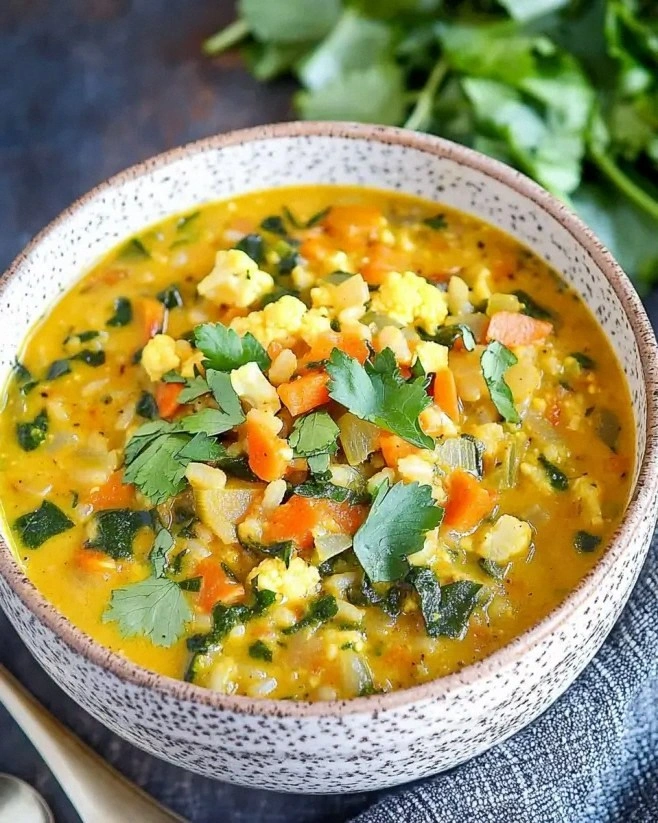
Picture this: I’m standing in my tiny kitchen, the clock ticking past midnight, a sudden craving for something warm, comforting, and just a little exotic hits me like a bolt of lightning. I rummaged through the pantry, grabbed the lone head of cauliflower that had been wilting for days, and thought, “What if I could turn this humble veg into a silky, curry‑kissed masterpiece that feels like a hug in a bowl?” The result? A soup that made my spoon dance, my taste buds sing, and my neighbors beg for the secret. I’m not exaggerating—this is the kind of dish that makes you question why you ever settled for bland broth.
The moment the onions hit the hot olive oil, a sweet, caramelizing perfume filled the air, mingling with the earthy zing of fresh ginger and the heady perfume of curry powder. I could hear the faint sizzle, a tiny chorus of bubbles that promised depth and richness. As the garlic turned golden, the kitchen turned into a fragrant spice market, each breath a reminder that something spectacular was brewing. When I finally added the cauliflower “rice” and let it soak up the aromatics, the texture was like tiny snowflakes waiting to melt into a velvety ocean.
Most cauliflower soups end up watery or grainy, and most curry soups either drown in coconut milk or fall flat without a proper base. This version, however, strikes a perfect balance: the cauliflower provides a natural, low‑carb “rice” that thickens without starch, while the blend of cumin, turmeric, and a whisper of cayenne delivers a heat that’s bold yet never overwhelming. The secret weapon? A single can of creamy coconut milk that swirls through the broth like silk, turning every spoonful into a luscious, dreamy experience. I dare you to taste this and not go back for seconds.
And there’s a technique I haven’t seen in any other recipe: I flash‑roast the cauliflower rice in the pan before simmering, which gives it a subtle nutty flavor and a texture that stays perfectly bite‑y even after blending. This little step is the game‑changer that separates a good soup from a legendary one. Okay, ready for the game‑changer? Let me walk you through every single step — by the end, you’ll wonder how you ever made it any other way.
What Makes This Version Stand Out
- Taste: The curry blend is layered, with sweet onion, pungent garlic, and a hint of heat that builds slowly, never shouting.
- Texture: Flash‑roasted cauliflower rice creates a soup that’s creamy yet retains a gentle bite, avoiding the mushy feel of over‑cooked veg.
- Simplicity: Only twelve core ingredients, most of which you already have on hand, mean you can throw this together on a weeknight.
- Uniqueness: The flash‑roast step is rarely mentioned, turning ordinary cauliflower into a toasted, nutty marvel.
- Crowd Reaction: I’ve served this at potlucks and people ask for the recipe before the second bowl is even finished.
- Ingredient Quality: Fresh ginger and a good quality curry powder make all the difference; cheap spices leave you flat.
- Cooking Method: The blend of sauté, simmer, and blend ensures depth without sacrificing bright flavors.
- Make‑Ahead Potential: This soup stores beautifully; reheat with a splash of water and you’ve got a fresh, restaurant‑quality bowl.
Inside the Ingredient List
The Flavor Base
Olive oil is the silent hero, providing a glossy medium for the aromatics to bloom without burning. The medium onion, diced finely, releases natural sugars that become caramelized, creating a sweet foundation that balances the heat of the curry. Garlic cloves, smashed and minced, add a sharp, almost peppery bite that cuts through the richness of the coconut milk. Fresh ginger, grated, injects a citrusy zing that lifts the entire flavor profile, preventing the soup from feeling heavy.
The Texture Crew
The cauliflower head is transformed into rice‑like granules using a food processor, giving the soup body without the carbs of traditional rice. Flash‑roasting these granules before simmering locks in a subtle nutty flavor and keeps the texture from turning mushy. The frozen peas pop in at the end, offering bursts of sweetness and a pop of color that brightens the bowl.
The Unexpected Star
The single can—yes, just one—of coconut milk is the silk that ties everything together. It brings a gentle sweetness and a creamy mouthfeel that mimics dairy without the heaviness. If you’re dairy‑free, this is your golden ticket; if you’re not, you can swap half of it for light cream for an even richer finish.
The Final Flourish
Ground cumin adds an earthy depth, while turmeric contributes a warm, slightly bitter note and a gorgeous golden hue. Cayenne pepper is the spark that keeps the palate awake, but only a quarter teaspoon—enough to tease, not overwhelm. Finally, fresh cilantro sprinkled on top just before serving adds a bright, herbaceous finish that lifts the soup into the stratosphere of flavor.
Everything's prepped? Good. Let's get into the real action...
The Method — Step by Step
Heat 2 tablespoons of olive oil in a large pot over medium heat. Once the oil shimmers, add the diced onion and sauté for 5 minutes, stirring occasionally, until the onions turn translucent and start to caramelize. You’ll hear a gentle sizzle that tells you the flavor base is forming. This is the moment of truth—don’t rush it; the sweetness of the onion is the backbone of the soup.
Add the minced garlic, grated ginger, and a pinch of sea salt to the pot. Stir continuously for 2 minutes until the garlic turns a light golden brown and the kitchen fills with that unmistakable aroma of ginger‑curry.
Kitchen Hack: If you’re worried about burning the garlic, lower the heat slightly and keep the pan moving—this ensures the garlic releases its flavor without turning bitter.Sprinkle in 1 tablespoon of curry powder, 1 teaspoon of ground cumin, ½ teaspoon of turmeric, and ¼ teaspoon of cayenne pepper. Stir vigorously for another minute, allowing the spices to toast lightly; you’ll notice the mixture darkening just a shade and releasing a toasty, earthy perfume. This step is crucial—under‑cooking the spices leaves the soup flat, while over‑cooking can make them bitter.
Introduce the cauliflower rice to the pot. Spread it out and let it sit, undisturbed, for 3‑4 minutes, then stir. You’ll hear a faint crackle as the cauliflower “toasts,” and the edges will start pulling away, turning a light golden.
Watch Out: Do not overcrowd the pan; if the cauliflower steams instead of toasts, the flavor will be muted.Pour in 4 cups of vegetable broth, stirring to combine. Bring the mixture to a gentle boil, then reduce to a simmer. Let it cook for 10 minutes, allowing the cauliflower to soften and the flavors to meld. At this point, the soup should smell like a warm, exotic hug—if it doesn’t, add a splash more broth.
Open the can of coconut milk and pour it in, stirring until fully incorporated. The broth will turn a luscious, creamy gold, and you’ll notice the surface becoming glossy. Let the soup return to a low simmer for another 5 minutes, allowing the coconut to infuse the vegetables.
Add the 1 cup of frozen peas and let them heat through for 2 minutes. The peas will pop with bright green color, adding a sweet counterpoint to the spice. Taste and adjust salt and pepper, remembering that “to taste” means a little at a time—over‑seasoning is harder to fix.
Turn off the heat and, using an immersion blender, blend the soup directly in the pot until it reaches a silky, velvety consistency. If you prefer a slightly chunky texture, blend only half. The soup should coat the back of a spoon like a smooth, buttery sauce.
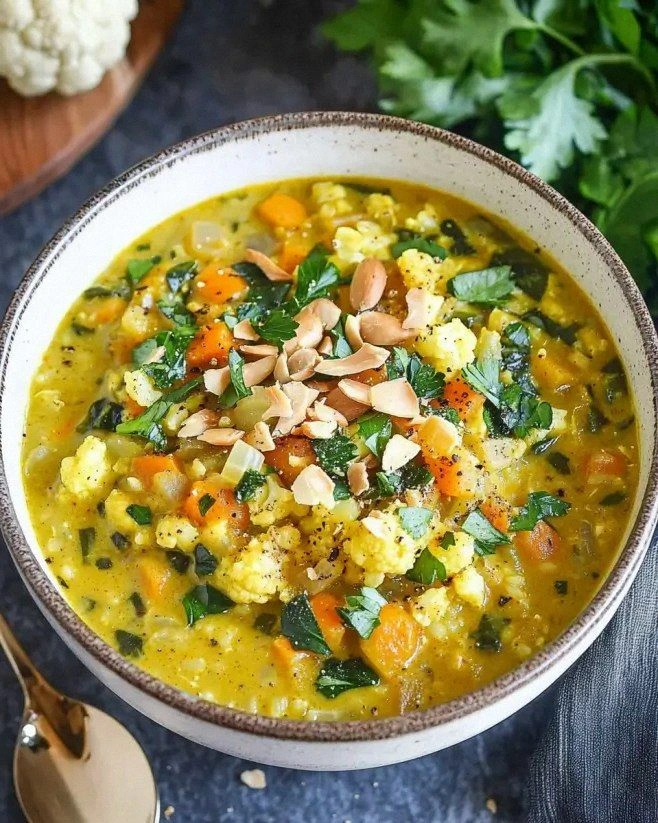
Serve the soup in warmed bowls, garnish generously with fresh cilantro leaves, and drizzle a tiny swirl of extra coconut milk if desired. The final garnish adds a pop of color and a fresh herbaceous note that lifts the entire dish. Picture yourself pulling this out of the pot, the whole kitchen smelling incredible—this is the climax of your culinary adventure.
That's it — you did it. But hold on, I've got a few more tricks that'll take this to another level...
Insider Tricks for Flawless Results
The Temperature Rule Nobody Follows
Never blend a boiling soup; the steam can cause the blender lid to pop off and make a mess. Let the soup cool to a gentle simmer (around 180°F/82°C) before blending. This not only protects your equipment but also preserves the delicate flavors of ginger and cilantro, which can volatilize at higher temperatures. A friend once tried blending at full boil and ended up with a splattered kitchen—let's just say it didn't end well.
Why Your Nose Knows Best
Trust your olfactory cues more than the clock. When the spices turn a shade darker and release a toasty aroma, you know they’re perfectly toasted. If the scent starts to smell burnt, lower the heat immediately. This sensory checkpoint ensures the soup never becomes bitter, keeping the flavor bright and inviting.
The 5‑Minute Rest That Changes Everything
After blending, let the soup sit uncovered for five minutes. This rest allows the flavors to marry and the steam to escape, preventing a watery finish. During this time, the cilantro will wilt just enough to release its essential oils, adding an extra layer of freshness.
Salt Timing Mastery
Add a pinch of salt during the sauté stage to draw out moisture from the onions, then finish with a final seasoning after blending. This two‑step salting ensures the soup is seasoned evenly throughout, avoiding the common mistake of a salty broth but bland final taste.
Garnish Like a Pro
Instead of sprinkling cilantro straight from the bunch, give the leaves a quick chop and toss them with a tiny drizzle of olive oil and a squeeze of lime. This tiny step amplifies the herb’s aroma and adds a subtle citrus zing that lifts the entire bowl.
Creative Twists and Variations
This recipe is a playground. Here are some of my favorite ways to switch things up:
Thai‑Inspired Lime & Basil
Swap cilantro for Thai basil and finish with a splash of fresh lime juice. The citrus adds brightness, while basil brings a sweet, peppery note that transforms the soup into a Thai‑style delight.
Spicy Chipotle Kick
Replace cayenne with a teaspoon of chipotle in adobo sauce and add a smoked paprika pinch. The smoky heat deepens the flavor profile, perfect for those who love a lingering, smoky burn.
Roasted Red Pepper Boost
Blend in one roasted red pepper along with the cauliflower for a sweeter, slightly smoky undertone and a richer color. This variation is especially appealing to kids who are picky about green veggies.
Creamy Almond Twist
Swap half of the coconut milk for almond milk and add a tablespoon of almond butter. The nutty undertone adds complexity and a subtle creaminess that pairs beautifully with the curry spices.
Protein‑Packed Chickpea
Stir in a cup of cooked chickpeas after blending for added protein and a hearty texture. The chickpeas absorb the broth, making each bite more filling without altering the flavor balance.
Winter Warmth with Sweet Potato
Cube a sweet potato and simmer it with the cauliflower for a naturally sweet, orange‑hued version. The sweet potato’s starch further thickens the soup, making it perfect for cold evenings.
Storing and Bringing It Back to Life
Fridge Storage
Transfer the cooled soup to an airtight container and store it in the refrigerator for up to four days. When reheating, add a splash of water or extra broth to restore its silky texture, as the soup tends to thicken as it sits.
Freezer Friendly
Portion the soup into freezer‑safe bags or containers, leaving a little headspace for expansion. It freezes beautifully for up to three months. Thaw overnight in the fridge, then reheat gently on the stove, stirring in a splash of coconut milk to revive the creaminess.
Best Reheating Method
Reheat on low‑medium heat, stirring frequently, and add a tablespoon of water or broth for every cup of soup. This gentle approach prevents the coconut milk from separating and keeps the texture smooth. If you’re in a hurry, a microwave works, but stop every minute to stir and check consistency.