I still remember the night I tried to make fish tacos for my friends and the kitchen turned into a disaster zone. The fish had a rubbery texture, the batter was too thick, and the tortillas were soggy. I stared at the burnt edges and wondered why the crowd seemed unimpressed. That frustration was the spark that pushed me to dig into my grandma’s old recipe book and discover the ultimate Baja fish taco.
Picture this: a bright, sun‑lit kitchen, the aroma of fresh cilantro and lime filling the air, and the sound of a sizzling pan that feels like a promise of flavor. The fish flakes apart like a cloud of sea salt, the batter crackles into golden shards, and the avocado cream coats each bite like a silky ribbon. I could almost taste the tang of the pico de gallo, the crunch of shredded cabbage, and the sharp bite of cotija cheese all at once. It’s a symphony of textures that makes you want to dance with your fork.
What sets this version apart from the endless variations you’ll find online is the balance of crispness and moisture, the subtle smoky paprika that lingers, and the creamy avocado crema that cuts through the heat. It’s not just a recipe; it’s a revelation that turns a simple dinner into a party in a bowl. I dare you to taste this and not go back for seconds. That’s the power of a dish that feels like a vacation on a plate.
If you’ve ever struggled to get fish that stays flaky after frying, you’re not alone. Most recipes get this completely wrong, either by over‑battering the fish or under‑seasoning the batter. I’ve learned that the secret is in the ratio of flour to cornstarch and the cold beer, which keeps the batter airy. Picture the batter as a cloud that lifts the fish, giving it a light, airy crunch that shatters like thin ice. By the end of this guide, you’ll wonder how you ever made it any other way.
What Makes This Version Stand Out
- Texture: The combination of flour and cornstarch creates a double‑coated crust that’s crunchy on the outside and tender on the inside. The beer’s carbonation gives the batter a light, airy quality that prevents it from becoming heavy.
- Flavor: Smoky paprika and garlic powder give the batter depth, while the avocado crema adds a cool, buttery contrast that balances the heat of the pico de gallo.
- Simplicity: You only need one pan and a few ingredients, yet the result feels gourmet. The recipe is straightforward enough for a novice yet sophisticated enough for a seasoned cook.
- Versatility: The tacos can be served as a dinner, a party appetizer, or a quick weeknight fix. Swap the tortillas for flour or even lettuce leaves for a low‑carb twist.
- Audience: Friends and family will rave about the crunch and the creamy sauce. I’ve watched my guests ask for the recipe after every bite.
- Ingredient Quality: Using a fresh, firm white fish like cod or halibut gives the best flake structure. Fresh cilantro and ripe avocado elevate the dish beyond the ordinary.
- Make‑Ahead: The avocado crema can be prepared hours ahead, and the batter can be kept in the fridge for up to 24 hours without losing crispness.
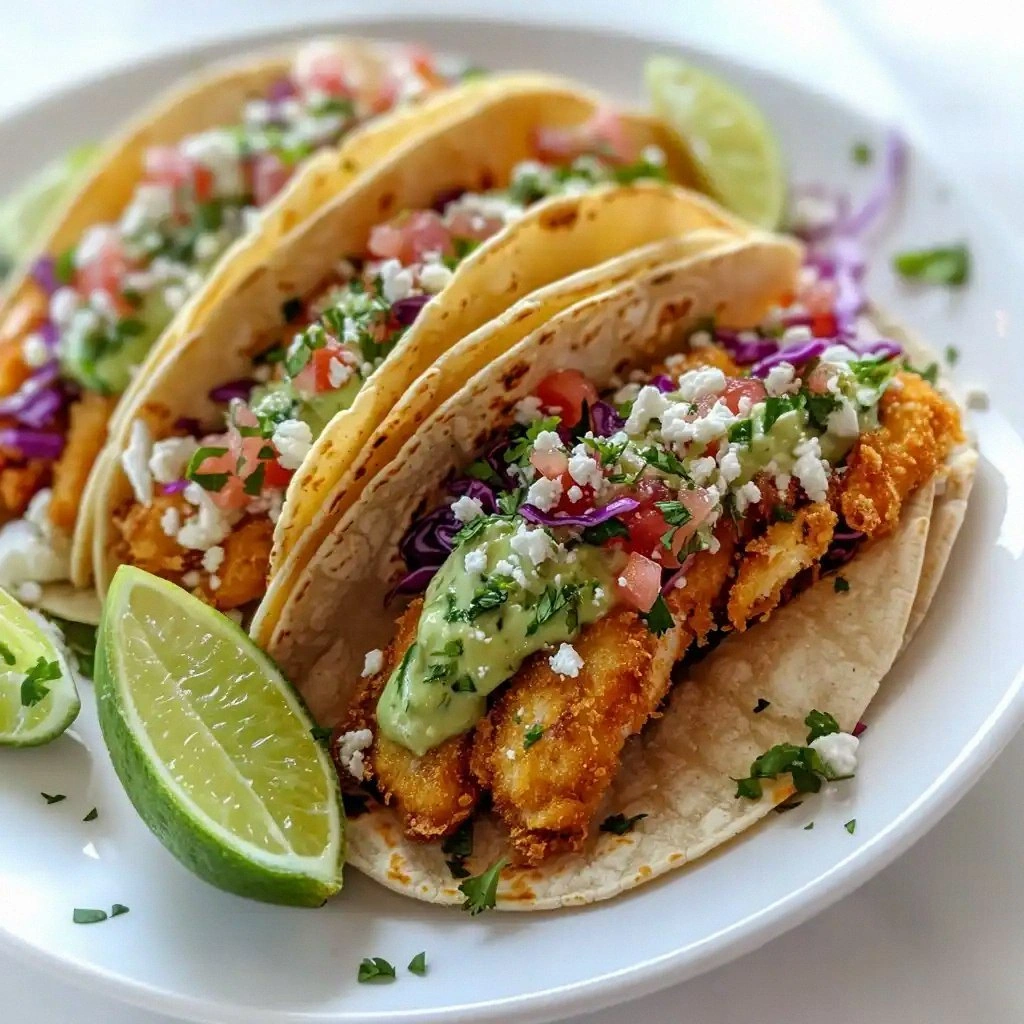
- Presentation: The bright green avocado, the golden crust, and the colorful pico de gallo create a visual feast that’s Instagram‑ready.
Alright, let’s break down exactly what goes into this masterpiece…
Inside the Ingredient List
The Flavor Base
The foundation of these tacos is a batter that sings with subtle spices. The flour provides structure, while the cornstarch lightens the mix, preventing the coating from becoming doughy. Baking powder and smoked paprika work together to create a smoky undertone that lingers on the palate. Garlic powder adds a gentle warmth that balances the sharpness of lime and cilantro. If you skip any of these, the batter will lose its signature depth, becoming either bland or overly heavy.
The Texture Crew
The fish itself is the star. A firm white fish like cod or halibut holds its shape even after frying. The beer, chilled to 32°F, introduces tiny bubbles that lift the batter, giving it an airy crunch. Vegetable oil is the medium that turns the batter into golden shards; using a high‑smoke‑point oil like canola or peanut ensures the fish doesn’t absorb excess oil. If you’re looking for a healthier option, try a light spray of oil and a higher temperature to reduce oil absorption.
The Unexpected Star
Avocado crema is the secret weapon that transforms this dish from good to unforgettable. The avocado’s buttery texture contrasts the crisp batter, while the Greek yogurt adds tang and body. Lime juice brightens the sauce, cutting through the richness, and fresh cilantro gives a herbal lift. A pinch of salt ties the flavors together. Skipping the crema would leave the tacos dry and unbalanced; the sauce is essential for that velvety finish.
The Final Flourish
Crispy shredded cabbage and pico de gallo add crunch and acidity that cut through the richness of the fish and avocado. Cotija cheese, a crumbly Mexican cheese, offers a salty, briny finish that lingers on the tongue. Lime wedges provide a fresh burst of citrus that brightens every bite. Dice tomatoes, though optional, bring a juicy sweetness that balances the acidity. Each component plays a role in creating a harmonious bite that feels both light and satisfying.
Everything’s prepped? Good. Let’s get into the real action…
The Method — Step by Step
- Begin by cutting the fish into bite‑size pieces, about 1 ½ inches each. Pat the fish dry with paper towels; moisture is the enemy of crispness. Season the fish lightly with salt and pepper. This step is crucial—if the fish is wet, the batter will cling and not crisp.
- In a shallow dish, whisk together the flour, cornstarch, baking powder, smoked paprika, garlic powder, and 1 teaspoon of salt. Stir until the mixture is smooth and free of lumps. This dry blend is the backbone of your coating; a well‑mixed batter yields a uniform crust.
- In a separate bowl, pour the cold beer. The carbonation helps create a light batter. Add the dry mixture to the beer and stir until just combined—over‑mixing will develop gluten, making the batter tough. The batter should be thick enough to coat the fish but thin enough to seep into the crevices.
- Heat a deep skillet or Dutch oven to 350°F (175°C). Use a thermometer to ensure accuracy; too hot and the coating will burn, too cool and the fish will absorb oil. Add enough vegetable oil to cover the fish pieces. A good rule of thumb is 1 ½ inches of oil.
- Dip each fish piece into the batter, letting excess drip off. Carefully lower the coated fish into the hot oil. Fry in batches to avoid overcrowding. The fish should sizzle immediately; if it doesn’t, the oil isn’t hot enough.
- Fry the fish for 3–4 minutes per side or until the coating turns golden brown and crisp. The interior should be opaque and flaky. Use tongs to flip gently; the batter should hold together. When the fish is done, transfer to a plate lined with paper towels to drain excess oil.
- While the fish is frying, prepare the avocado crema. In a blender, combine the ripe avocado, Greek yogurt, lime juice, garlic clove, cilantro, and a pinch of salt. Blend until smooth. If the mixture is too thick, add a splash of water or a teaspoon of olive oil to reach a silky consistency.
- Warm the corn tortillas on a dry skillet or microwave for 10 seconds. They should be pliable but not steaming. Spread a generous spoonful of crema on each tortilla, then top with shredded cabbage, pico de gallo, a sprinkle of cotija cheese, and a few pieces of fried fish. Finish with a squeeze of lime and a handful of diced tomatoes if desired.
That’s it — you did it. But hold on, I've got a few more tricks that'll take this to another level. Keep reading for insider tips that will make your tacos even more unforgettable.
Insider Tricks for Flawless Results
The Temperature Rule Nobody Follows
Many cooks think 350°F is enough, but the ideal oil temperature for this batter is 360°F. At this temperature, the batter crisps instantly, creating a crunch that lasts even after the fish cools. Use a candy or deep‑fry thermometer to keep the heat steady. If you’re using a stove‑top, let the oil heat for a few minutes before adding the fish, then lower the heat slightly to avoid burning.
Why Your Nose Knows Best
Before you start frying, give the batter a sniff. A faint, buttery aroma indicates that the beer has infused properly. If you detect a metallic or burnt scent, the batter is over‑mixed or the oil is too hot. Trust your nose; it’s the quickest way to avoid a kitchen disaster.
The 5‑Minute Rest That Changes Everything
After frying, let the fish rest on a rack for 5 minutes. This allows excess oil to drip away and the crust to set. The result is a crisp coating that doesn’t become soggy when you add the creamy sauce. I’ve seen people skip this step, and the tacos end up greasy and limp.
Use Fresh Lime Juice, Not Bottled
Freshly squeezed lime juice delivers a bright, vibrant acidity that bottled lime can’t match. The juice also contains natural enzymes that help break down the avocado, giving the crema a smoother texture. If fresh limes are out of season, use bottled lime with a pinch of sea salt to mimic the flavor profile.
The Secret of Shredded Cabbage
Shredded cabbage adds crunch and a subtle sweetness that balances the heat of the pico de gallo. Use a sharp knife or a food processor for even shredding. Toss the cabbage with a pinch of salt and let it rest for 10 minutes; the salt draws out moisture, preventing sogginess.
Creative Twists and Variations
This recipe is a playground. Here are some of my favorite ways to switch things up:
Crispy Shrimp Tacos
Swap the fish for peeled shrimp, and double the batter for a thicker coating. The shrimp’s natural sweetness pairs beautifully with the smoky paprika. Serve with mango salsa for a tropical twist.
Low‑Carb Lettuce Wraps
Replace corn tortillas with butter lettuce leaves. The lettuce adds a fresh crunch and keeps the dish keto‑friendly. Keep the avocado crema and toppings the same for a light, airy bite.
Spicy Chipotle Crema
Add a teaspoon of chipotle in adobo to the avocado crema for a smoky heat that complements the fish. The crema becomes a rich, spicy sauce that elevates the tacos to a new level.
Grilled Fish Variant
Instead of frying, grill the fish on a preheated grill pan. Brush the fish with olive oil and season with the same dry blend. Grill until charred and flaky; the result is a smoky, less oily taco.
Veggie‑Loaded Tacos
Add sautéed bell peppers and onions to the taco mix. The veggies bring color, crunch, and a burst of sweetness that balances the creamy sauce.
Cheese‑Loaded Version
Sprinkle shredded cheddar or Monterey Jack on top of the fish before adding the toppings. The cheese melts slightly, creating a gooey, indulgent texture that pairs well with the tangy crema.
Storing and Bringing It Back to Life
Fridge Storage
Store the fried fish in an airtight container for up to 2 days. Keep the avocado crema separate to prevent it from becoming watery. When ready to serve, reheat the fish in a hot skillet for 2 minutes to restore crispness.
Freezer Friendly
Freeze the fish in a single layer on parchment paper before transferring to a freezer bag. Store for up to 3 months. Thaw overnight in the fridge, then reheat in a skillet. The crema should be freshly made for best texture.
Best Reheating Method
Reheat the tortillas in a dry skillet for 10 seconds on each side to maintain pliability. For the fish, use a skillet with a splash of oil over medium heat. Add a splash of water to the pan, cover, and let steam for 2 minutes; this keeps the fish moist while the crust stays crisp.