I once tried to impress my roommate with a fancy pasta dish, only to end up with a soggy, flavorless mess that could double as a science experiment. The moment the pot exploded, I knew I had to find a new, reliable recipe that could win over even the most skeptical palates. This is not just another bowl of noodles; it’s a high‑protein, flavor‑packed masterpiece that turns everyday ingredients into a symphony of taste. The secret lies in the simple, yet game‑changing combination of chickpea rotini, fresh herbs, and a velvety dressing that coats each strand like a silk scarf. I’m about to walk you through the process that guarantees a dish that will make your friends question their own cooking skills.
The kitchen was a battlefield: steam billowing from the stovetop, the faint scent of burnt garlic, and the sudden realization that my pasta had turned into a mushy, unappetizing sludge. I could almost hear the collective groan of my roommate as she stared at the pot, her eyebrows knitting together in disbelief. That moment was a wake‑up call, a reminder that a recipe is only as good as its execution, and that a single misstep can ruin the entire culinary experience. The lesson? Precision, patience, and a dash of confidence are the ingredients that separate a good dish from a great one. I’ve since discovered a method that not only rescues the pasta but elevates it to a level that will have everyone begging for seconds.
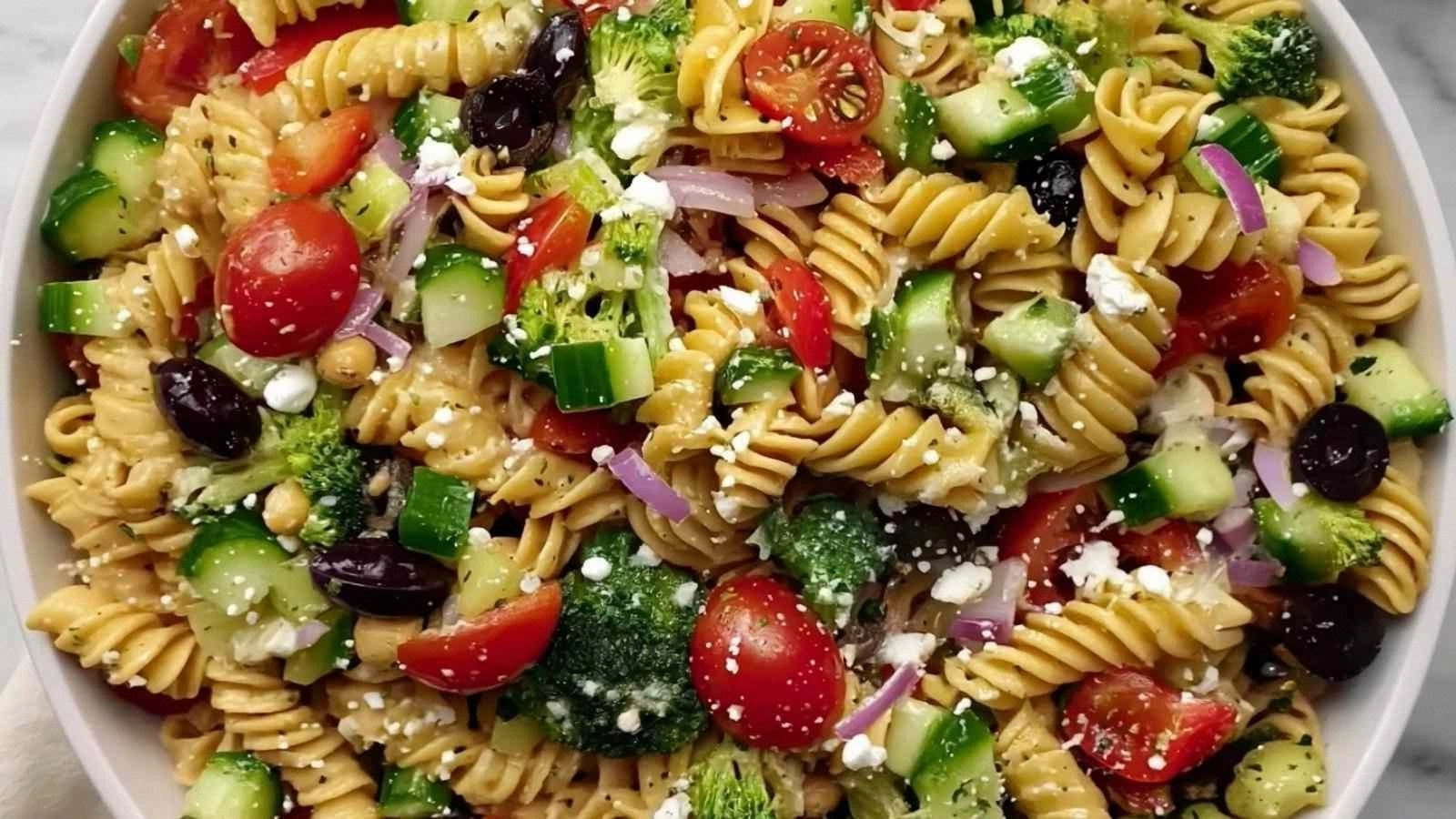
What sets this version apart is not just the use of chickpea rotini, but the way each component is orchestrated to create a balance of protein, crunch, and umami. The dressing is a bold, tangy sauce that clings to the noodles, turning a simple salad into a hearty meal that satisfies without the heaviness of traditional cream sauces. The bright burst of cherry tomatoes and basil provides a pop of color that instantly makes the dish feel fresh and inviting. The olives and feta add a salty depth that cuts through the richness, while the broccoli contributes a satisfying bite that keeps the texture from becoming too uniform. Together, these elements create a dish that is both comforting and adventurous, a perfect bridge between health‑conscious eating and indulgent flavors.
One of the trickiest parts of any pasta salad is achieving that perfect balance between moistness and crunch. Too much liquid and you’re left with a soggy mess; too little and the flavors are underwhelming. I’ve found that letting the pasta sit in the dressing for just a few minutes before serving allows the flavors to meld while preserving that desirable bite. The result is a salad that feels like a fresh, protein‑rich dinner, yet can be enjoyed as a light lunch or a side dish at your next gathering. This technique, while simple, transforms the dish from ordinary to unforgettable.
Now, if you’re ready to ditch the bland, generic pasta salads that you’ve been eating for years, buckle up. I’ll guide you through each step, revealing the secrets that make this recipe stand out from the crowd. By the end, you’ll wonder how you ever made it any other way. Let me walk you through every single step — by the end, you'll wonder how you ever made it any other way.
Picture yourself pulling this out of the pot, the whole kitchen smelling incredible, and seeing the bright colors of basil, tomatoes, and olives dancing on a plate. The anticipation builds as you drizzle the dressing, watching it swirl like a glossy river. Your friends will pause mid‑conversation to inhale the aroma, their eyes widening in delight. You’ll hear their satisfied sighs as they take their first bite, the crunch of the broccoli and the creamy feta mingling perfectly. This is the moment you’ve been waiting for, and it’s just the beginning.
Before we dive into the details, let’s take a quick look at the ingredients. Each one is chosen not only for its flavor but also for its nutritional profile, ensuring that this dish is as wholesome as it is delicious. We’re using chickpea rotini for its high protein content, which keeps you feeling full longer. The fresh herbs add antioxidants and a burst of freshness that lifts the entire dish. And the dressing, with its olive oil, vinegar, and mustard, provides a healthy dose of monounsaturated fats and a tang that cuts through the richness.
Now, imagine the crunch of a fresh cucumber, the sweetness of cherry tomatoes, and the savory depth of black olives all mingling in a single bite. It’s like a Mediterranean festival in your mouth. The chickpea pasta adds a nutty undertone that complements the bright, herbaceous notes. The feta, though low in fat, brings a creamy texture that balances the crisp vegetables. Every ingredient is carefully balanced to create a dish that satisfies both your taste buds and your nutritional goals.
One of the most common mistakes people make with pasta salads is overcooking the pasta. It’s a rookie error that can ruin the entire dish. The key is to cook the pasta until it’s just shy of al dente, then rinse it under cold water to halt the cooking process. This ensures that each strand remains firm and ready to absorb the dressing without turning mushy. The result is a pasta salad that feels fresh, lively, and full of texture.
Another pitfall is neglecting to season the pasta water properly. Salt is your best friend here; it enhances the flavor of the pasta itself. Use about 2 tablespoons of salt per pound of pasta, which translates to roughly 4 cups of water per pound. This step might seem trivial, but it’s the foundation upon which all the flavors build. The pasta’s inherent flavor will carry the dressing better, making each bite more cohesive.
When it comes to the dressing, the ratio of oil to vinegar is crucial. Too much oil can overwhelm the delicate flavors, while too little vinegar can leave the salad bland. I recommend a 3:1 ratio of olive oil to red wine vinegar, which balances richness with acidity. Adding a tablespoon of Dijon mustard not only brings depth but also helps emulsify the dressing, ensuring it coats every noodle evenly.
Let’s talk about the chickpea rotini itself. It’s a fantastic protein source, especially for those looking to increase plant‑based protein in their diet. Its unique shape holds onto sauces better than traditional pasta shapes, making it a perfect canvas for our dressing. The chickpeas also add a slight nutty flavor that pairs wonderfully with the fresh herbs and vegetables.
Now that we’ve covered the basics, it’s time to dive into the details. Keep an eye out for the micro‑challenges I’ll throw at you, and trust me, you’ll want to conquer them all. The goal is to create a dish that is not only tasty but also visually stunning, a feast for both the eyes and the palate.
Alright, let’s break down exactly what goes into this masterpiece. Each ingredient plays a pivotal role, and together they create a dish that is both satisfying and nourishing.
- Protein: Chickpea rotini delivers a hefty protein punch, making this dish a great option for post‑workout recovery or a filling vegetarian main.
- Texture: The crunchy broccoli and crisp cucumber provide contrast to the tender pasta, preventing the salad from feeling flat.
- Flavor: Fresh basil, parsley, and the tangy dressing create a bright, herbaceous profile that cuts through the richness of the feta and olives.
- Color: The vibrant reds of the tomatoes and bell pepper, the deep green of the basil, and the dark specks of olives make for a visually striking plate.
- Convenience: This recipe is make‑ahead friendly; the flavors develop over time, making it perfect for meal prep.
- Health: Low in saturated fat, high in fiber, and packed with micronutrients, this dish is a win for both your taste buds and your waistline.
Alright, let’s break down exactly what goes into this masterpiece. Each ingredient plays a pivotal role, and together they create a dish that is both satisfying and nourishing.
Inside the Ingredient List
The Flavor Base
Red onion and garlic form the aromatic foundation of this salad. Their sharpness cuts through the richness of the feta and olives, creating a well‑balanced flavor profile. If you’re watching sodium, use a pinch of sea salt instead of table salt for a cleaner finish. The garlic should be finely minced to release its oils fully, ensuring the dressing is evenly flavored.
Red wine vinegar is the bright, acidic backbone of the dressing. It balances the oil, preventing the salad from feeling greasy. If you’re allergic to wine vinegar, a splash of lemon juice can substitute, but keep in mind the flavor will be slightly sweeter and less complex. The acidity also helps preserve the crispness of the vegetables.
For a subtle depth, a tablespoon of Dijon mustard is essential. It not only adds a peppery bite but also acts as an emulsifier, binding the oil and vinegar into a silky sauce. If you prefer a milder flavor, replace Dijon with whole‑grain mustard, which offers a slightly grainy texture that complements the pasta.
The Texture Crew
Chickpea rotini is the star of the show. Its sturdy shape holds onto the dressing and resists becoming mushy, even after sitting for hours. If you can’t find chickpea pasta, consider lentil or black bean pasta as a suitable alternative.
Broccoli florets add a satisfying crunch that contrasts with the tender pasta. Roasting the florets for a few minutes before tossing them in the salad brings out a sweet, caramelized flavor that elevates the dish. If you prefer raw broccoli, make sure to cut the florets into bite‑sized pieces to ensure even texture.
English cucumber provides a cool, hydrating element that keeps the salad light. Slice the cucumber thinly to avoid overpowering the other flavors. If you’re craving a bit more bite, add a handful of sliced radishes for a peppery twist.
The Unexpected Star
Black olives are the salty, briny element that ties the salad together. Their oil content adds a silky mouthfeel, while the saltiness enhances the overall flavor. If you prefer a milder taste, use pitted Kalamata olives, which are less salty but still full of character.
Feta cheese offers a creamy texture that contrasts with the crunchy vegetables. The fat‑free version keeps the dish light while still delivering that tangy flavor. For a richer experience, swap in whole‑milk feta, but remember to reduce the amount of olive oil in the dressing to maintain balance.
The Final Flourish
Fresh herbs like basil and parsley add a burst of green freshness that brightens the dish. Basil brings a sweet, slightly peppery note, while parsley adds a clean, bright finish. Chop the herbs finely to distribute their flavors evenly throughout the salad.
Red bell pepper contributes a sweet, slightly smoky flavor that enhances the overall taste profile. Slice it into thin strips for a clean presentation. If you’re looking for a spicy kick, add a pinch of red pepper flakes to the dressing.
Everything's prepped? Good. Let's get into the real action.
The Method — Step by Step
- Begin by bringing a large pot of salted water to a rolling boil. Add the chickpea rotini and cook until just shy of al dente, about 8–10 minutes. Immediately drain and rinse under cold running water to stop the cooking process. Pat the pasta dry with a clean towel to prevent excess moisture. This quick rinse locks in the pasta’s firm texture and sets the stage for a perfectly coated salad.
- While the pasta cools, prepare the dressing by whisking together the olive oil, red wine vinegar, Dijon mustard, minced garlic, and a pinch of salt. Keep whisking until the mixture emulsifies into a glossy, homogenous sauce. Taste the dressing and adjust the acidity or salt as needed; the goal is a balanced, tangy profile that coats the pasta without overpowering it.
- In a large mixing bowl, combine the cooled pasta, diced red onion, chopped red bell pepper, halved cherry tomatoes, sliced cucumber, and broccoli florets. Add the sliced black olives and crumbled feta cheese. Toss gently to combine, ensuring the vegetables are evenly distributed and the pasta is well coated with the dressing.
- Stir in the fresh basil and parsley, reserving a small handful for garnish. This final addition of herbs brightens the dish, adding a fresh aroma and a pop of color that makes the salad visually appealing. The herbs also introduce subtle earthy undertones that complement the feta and olives.
- Season the salad with black pepper to taste. The pepper adds a gentle heat that contrasts with the creamy feta and salty olives. Be careful not to over‑pepper; the goal is a subtle kick that enhances rather than dominates the flavors.
- Let the salad rest for 10–15 minutes at room temperature, allowing the flavors to meld and the dressing to penetrate the pasta. This resting period is crucial for a cohesive taste profile, ensuring each bite is infused with the savory, tangy dressing.
- Before serving, give the salad a quick toss and taste. Adjust the seasoning if needed, adding a splash of olive oil or a squeeze of lemon juice for extra brightness. If you prefer a slightly sweeter note, a drizzle of honey can balance the acidity.
- Serve immediately on a platter, garnishing with the reserved basil and parsley for an elegant finish. The dish can be enjoyed warm, at room temperature, or chilled, making it versatile for any meal or occasion.
That’s it — you did it. But hold on, I've got a few more tricks that'll take this to another level. These insider tips will help you perfect the dish every time and keep it fresh for longer.
Insider Tricks for Flawless Results
The Temperature Rule Nobody Follows
Cooking pasta at too high a temperature can cause the starches to burst, resulting in a gummy consistency. Instead, aim for a gentle boil and keep the heat steady. This small adjustment preserves the pasta’s structure and ensures it stays firm.
Why Your Nose Knows Best
As soon as the dressing begins to emulsify, the aroma will shift from raw oil to a slightly toasted, nutty scent. This is your cue that the dressing is ready to coat the pasta. Trust your nose; it’s the best judge of flavor.
The 5-Minute Rest That Changes Everything
After tossing the salad, let it sit for exactly five minutes before tasting. This brief pause allows the flavors to settle, giving you a more accurate assessment of the seasoning balance.
Use a Salad Spinner for Crispness
After rinsing the vegetables, place them in a salad spinner to remove excess water. A drier salad ensures the dressing adheres properly and the textures remain crisp.
Keep It Cool with an Ice Bath
For large batches, place the pasta in a bowl of ice water immediately after draining. This stops the cooking process instantly and locks in the al dente bite.
Finish with a Splash of Lemon
Just before serving, squeeze a wedge of fresh lemon over the salad. The citrus brightens the dish and counters the richness of the feta and olives.
Creative Twists and Variations
This recipe is a playground. Here are some of my favorite ways to switch things up:
Greek Twist
Replace the feta with a handful of crumbled blue cheese and add a drizzle of tzatziki. The tangy yogurt sauce pairs beautifully with the olives and basil, giving the dish a distinctly Greek flair.
Spicy Kick
Incorporate a teaspoon of harissa paste into the dressing and sprinkle red pepper flakes over the finished salad. The heat will contrast nicely with the creamy feta and fresh vegetables.
Vegan Upgrade
Omit the feta entirely and replace it with roasted chickpeas or a sprinkle of nutritional yeast. The result is a protein‑rich, plant‑based salad that still delivers a satisfying bite.
Summer Picnic
Pack the salad in a mason jar with layers of pasta, vegetables, and dressing. When ready to eat, shake the jar to distribute the dressing evenly. This makes it perfect for outdoor lunches or road trips.
Winter Warmth
Serve the salad warm over a bed of sautéed spinach and a sprinkle of grated Parmesan. The warmth adds comfort, while the Parmesan enhances the savory profile.
Protein Punch
Add a scoop of vanilla protein powder to the dressing for an extra protein boost. Mix until fully dissolved, then toss with the pasta for a subtle, sweet undertone that works well with the feta.
Storing and Bringing It Back to Life
Fridge Storage
Store the salad in an airtight container in the refrigerator for up to 3 days. Keep the dressing separate until serving to maintain the crispness of the vegetables.
Freezer Friendly
For longer storage, freeze the pasta and vegetables separately. When ready to serve, thaw in the refrigerator and combine with the dressing. Add the feta and olives just before eating to preserve their texture.
Best Reheating Method
Reheat the pasta in a microwave for 30 seconds, then stir in a splash of water to create steam. This technique prevents the pasta from drying out and keeps the salad moist and flavorful.