Picture this: a midnight kitchen, the fridge humming, a craving that feels like a full‑blown culinary rebellion. I was staring at a wilted cabbage, a chicken breast that had seen better days, and a bag of soy sauce that looked like it belonged in a sushi bar. I thought, “Why not turn this into a stir‑fry that screams flavor?” And so, after a few frantic Googles and a daring taste test, I discovered a version that makes every other recipe look like it’s still stuck in the 1970s.
The first time I tossed the chicken into the hot pan, the sizzling sound was like applause from a tiny kitchen orchestra. The aroma that rose was a marriage of garlic, ginger, and that unmistakable umami of soy sauce. I could almost taste the crunch of cabbage and carrots before the dish even finished cooking. I felt a rush of excitement that said, “This is going to be epic.” I knew I had to document every step so you could replicate the magic.
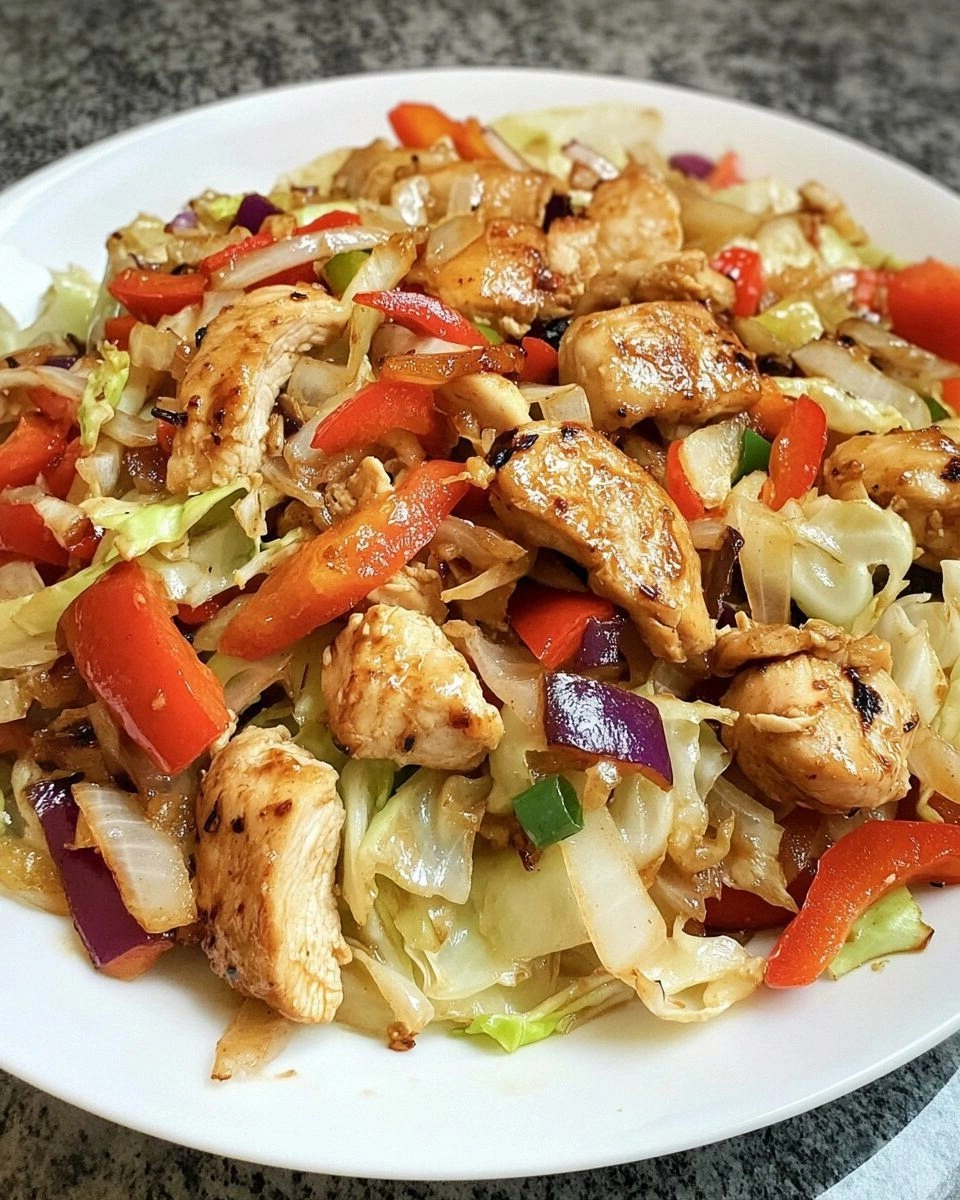
What makes this version a standout? It’s not just the ingredients, it’s the technique, the balance, and the little secrets that elevate it from “good” to “unforgettable.” I’ve distilled it into a single, bold claim: this is hands down the best chicken cabbage stir‑fry you’ll ever make at home. If you’ve ever been disappointed by bland stir‑fries, you’re not alone — and I’ve got the fix. Trust me, you’ll be daring your taste buds to keep going.
I dare you to taste this and not go back for seconds. I promise, the sauce coats the vegetables like velvet, and the chicken stays tender while the cabbage remains crisp. The contrast of textures is a game‑changer that will have you asking for more. And the finish? A subtle heat that lingers, like a well‑played jazz solo. Stay with me, because the next section will reveal why this recipe is a total game‑changer.
What Makes This Version Stand Out
- Flavor: The sauce is a harmonious blend of soy, oyster, and sesame that delivers depth without overpowering the fresh veggies.
- Texture: The cabbage stays crisp, the carrots retain a sweet snap, and the chicken is juicy, not dry.
- Speed: Every step is designed for a 30‑minute cook time, making it ideal for week‑night dinners.
- Versatility: Swap in tofu, shrimp, or even a splash of coconut milk for a different twist.
- Health: Low in calories yet high in protein and fiber, it’s a balanced, satisfying meal.
- Make‑ahead: The sauce can be prepared in advance, and the stir‑fry can be reheated without losing flavor.
- Visual Appeal: Bright colors and glossy glaze create an Instagram‑ready plate.
- Audience: It’s kid‑friendly, adult‑savvy, and even vegetarian‑friendly with a simple swap.
Inside the Ingredient List
The Flavor Base
Soy sauce is the backbone of this dish, providing that salty, umami punch that lifts every bite. Oyster sauce adds a hint of sweetness and a silky texture that makes the sauce cling beautifully to the vegetables. Sesame oil, used sparingly, gives a nutty aroma that lingers in the background. If you’re watching sodium, use low‑sodium soy sauce and a splash of rice vinegar to balance the flavors.
The Texture Crew
Cabbage is the star of the show, offering a subtle crunch that pairs well with the tender chicken. Carrots bring a sweet, earthy tone and a bright orange pop of color. Bell peppers, if you choose to add them, introduce a juicy bite and a mild peppery note. Each vegetable should be cut into uniform pieces so they cook evenly and maintain their distinct textures.
The Unexpected Star
Fresh ginger is the unsung hero that cuts through the richness of the sauce and adds a zesty kick. Garlic, meanwhile, offers depth and a fragrant foundation that anchors the dish. Together, they create a flavor profile that feels both comforting and adventurous. If you’re allergic, you can replace ginger with a pinch of ground cardamom for a subtle twist.
The Final Flourish
Chili flakes give the stir‑fry a gentle heat that’s not overwhelming. Sesame seeds, toasted just before serving, add a nutty crunch that contrasts with the soft vegetables. A squeeze of lime or a drizzle of honey at the end can elevate the dish with a fresh, sweet, or tart finish. Remember, the goal is a harmonious balance where every element shines.
Everything’s prepped? Good. Let’s get into the real action.
The Method — Step by Step
- Heat the pan: Place a large wok or skillet over high heat and add the vegetable oil. The oil should shimmer instantly; if it smokes, reduce the heat. This step is crucial because a hot pan creates the signature sear on the chicken. Watch the oil bubble, and you’ll know it’s ready.
- Cook the chicken: Toss in the sliced chicken breast, seasoning with a pinch of salt and pepper. Stir frequently for 3-4 minutes until it turns opaque. The chicken should develop a golden crust on the edges. If it starts to stick, give it a moment to sear before flipping.
- Introduce aromatics: Add the minced garlic and ginger to the pan. Sauté for 30 seconds until fragrant, making sure not to burn them. The aroma should be intoxicating, signaling the flavor base is taking shape. This is the moment of truth.
- Layer the veggies: Push the chicken to one side and add the sliced onions, carrots, and cabbage. Stir‑fry for 2 minutes, then flip everything to combine. The vegetables should start to soften but still retain a slight crunch. Keep the heat high to avoid steaming.
- Add the sauce: Pour in soy sauce, oyster sauce, and sesame oil. Toss everything together so the sauce coats the ingredients evenly. The mixture should bubble and thicken slightly, turning glossy. Taste and adjust seasoning if necessary.
- Finish with heat: Sprinkle chili flakes (if using) and toss again. The heat should be gentle, just enough to give the dish a warm glow. This step adds a subtle kick that elevates the flavor profile.
- Garnish and serve: Transfer the stir‑fry to a bowl, sprinkle toasted sesame seeds, and optionally drizzle a bit of sesame oil. Serve hot over steamed rice or noodles. The aroma of the finished dish should be irresistible. Enjoy the symphony of textures and flavors.
That’s it — you did it. But hold on, I’ve got a few more tricks that will take this to another level. Let’s dive into insider tips that will make your stir‑fry flawless every single time.
Insider Tricks for Flawless Results
The Temperature Rule Nobody Follows
Stir‑fry is all about heat. If the pan is too cool, the ingredients will steam and lose that coveted char. Keep the heat at medium‑high and test by flicking a drop of water into the pan; if it sizzles immediately, you’re good. A hot pan also ensures the chicken stays juicy.
Why Your Nose Knows Best
Before adding the sauce, give the dish a sniff. A faint, sweet aroma indicates the onions are caramelizing correctly. If the scent is too sharp, let the veggies cook a bit longer. Your nose is a reliable guide to flavor balance.
The 5‑Minute Rest That Changes Everything
Once you finish stir‑frying, let the dish rest for five minutes. This allows the flavors to meld and the sauce to thicken naturally. It also gives the chicken a chance to reabsorb juices, keeping it moist.
The Garlic‑Ginger Ratio
Use twice as much ginger as garlic for a more pronounced zing. If you prefer a milder taste, balance the two equally. My friend once skipped ginger entirely and the dish felt flat; that’s why I never skip it.
The Secret of Toasted Sesame Seeds
Toast sesame seeds in a dry skillet until golden before sprinkling them on top. This releases a nutty aroma that elevates the dish. Store the toasted seeds in an airtight container to keep them crunchy.
The Final Splash of Lime
A squeeze of fresh lime right before serving brightens the flavors and adds a fresh, citrusy note. It cuts through the richness and balances the umami. If you don’t have lime, a splash of rice vinegar works too.
Creative Twists and Variations
This recipe is a playground. Here are some of my favorite ways to switch things up:
Crispy Tofu Delight
Replace chicken with firm tofu cubes pressed and pan‑fried until golden. The tofu absorbs the sauce beautifully, and the texture is a delightful contrast to the crisp veggies. Perfect for a vegetarian version.
Spicy Sriracha Kick
Add a tablespoon of Sriracha to the sauce for an extra layer of heat. The sweet‑spicy profile pairs well with the savory base and gives the dish a modern twist. Serve with a cooling cucumber salad to balance.
Miso‑Infused Umami
Stir in a spoonful of white miso paste with the soy sauce. The miso adds depth and a subtle sweetness that complements the cabbage’s earthiness. This variation is great for a Japanese‑inspired dinner.
Coconut Milk Creaminess
Swap half the soy sauce for coconut milk to create a creamy, tropical version. The coconut adds a silky mouthfeel and a hint of sweetness. Pair it with jasmine rice for an exotic flair.
Smoky Chipotle Flavor
Incorporate a teaspoon of chipotle powder into the sauce for a smoky undertone. The chipotle’s heat is more complex than chili flakes, adding depth and richness. It’s a perfect match for grilled meats.
Herb‑Infused Freshness
Finish the dish with a handful of chopped fresh cilantro or basil. The herbs bring a burst of green freshness that brightens the dish. This simple addition transforms the flavor profile.
Storing and Bringing It Back to Life
Fridge Storage
Cool the stir‑fry completely, then transfer to an airtight container. Store in the refrigerator for up to three days. The sauce will thicken, so reheat gently on low heat with a splash of water to restore its glaze.
Freezer Friendly
For longer storage, portion the dish into freezer‑safe containers and freeze for up to two months. Thaw overnight in the refrigerator and reheat on the stove with a splash of broth. This method preserves the texture and flavor.
Best Reheating Method
Reheat in a skillet over medium heat, adding a teaspoon of water or broth to create steam. Stir until the dish is heated through and the sauce is glossy again. Avoid microwaving, which can make the vegetables soggy.