I still remember the night I stared at my kitchen like a detective, trying to piece together the chaos that had become my dinner. The oven was on, the skillet was smoking, and I had more than one sweet potato in the freezer that had been sitting there forever. I thought, “Maybe I should just throw everything in a pot and hope for the best.” That was the moment I decided to reinvent the humble root vegetable, turning it into something that would make my taste buds do a happy dance.
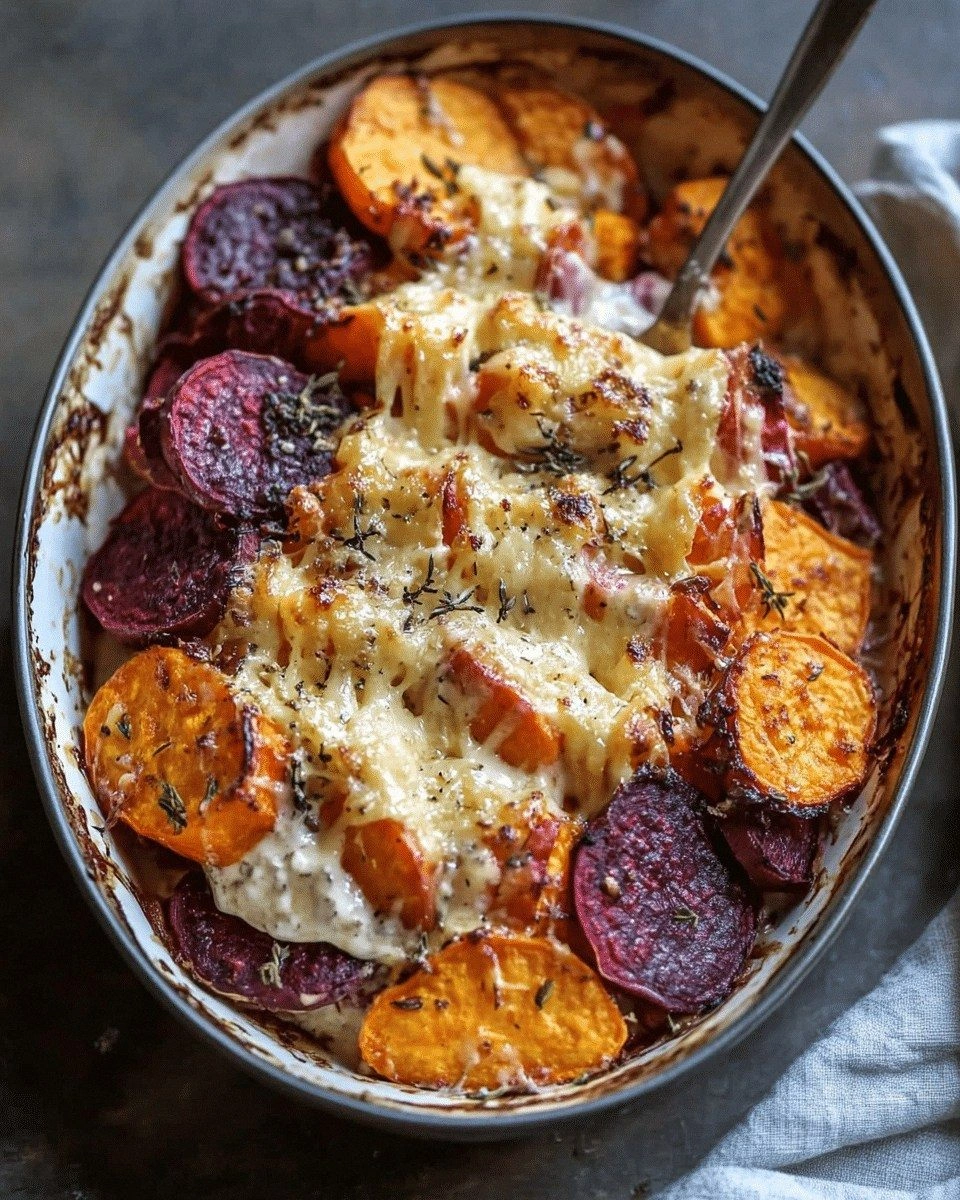
Picture this: a golden crust that cracks like brittle sugar, a creamy center that oozes like melted butter, and the earthy sweetness of sweet potatoes, parsnips, and beets mingling with a whisper of thyme. The aroma that fills the kitchen is a warm hug, a promise that dinner is about to become an event. I had been chasing that kind of comfort for years, but nothing had delivered the punch until I discovered this version of a gratin that feels like a hug from an old friend.
I’m not just talking about a recipe; I’m talking about a culinary revelation that turns ordinary vegetables into a showstopper. The sauce coats the vegetables like velvet, and the cheese creates a golden crown that shatters like thin ice when you take the first bite. The contrast between the crisp edges and the silky interior is a flavor symphony that keeps you coming back for seconds—if I dare you to taste this and not go back for seconds.
What makes this recipe stand out is that I took a classic gratin and injected it with a secret ingredient that most people overlook: the division of heavy cream and Parmesan. By splitting the cream and cheese, I created layers of richness that melt together in a way that feels almost magical. The thyme is fresh, not dried, and the garlic is minced finely enough to dissolve into the sauce, giving it a subtle punch that wakes up the palate.
I’ll be honest—after my first attempt, I ate half the batch before anyone else even got a spoon. The rest of the family begged for more, and I realized that this dish is not just food; it’s an experience that turns a regular dinner into a memorable event. If you’ve ever struggled with a boring gratin that ends up soggy, you’re not alone—this is the fix that will transform your kitchen into a gourmet laboratory.
So, if you’re ready to elevate your root vegetable game, let me walk you through every single step. By the end, you’ll wonder how you ever made it any other way. This isn’t just a recipe; it’s a transformation, a revelation, and a dare to taste something so good you can’t stop. Let’s dive in and discover why this version is hands down the best you’ll ever make at home.
What Makes This Version Stand Out
- Flavor: The combination of sweet potatoes, parsnips, and beets creates a layered sweetness that is both comforting and complex. Each root brings a distinct profile—sweet potatoes with their caramel notes, parsnips with their subtle peppery bite, and beets with their earthy depth. Together, they form a flavor orchestra that sings when paired with creamy cheese.
- Texture: The gratin’s crust is crisp and golden, while the inside remains silky and melt‑in‑your‑mouth. The careful division of cream and cheese ensures that the sauce doesn’t become heavy; instead, it glides over the vegetables, coating them in a luscious, velvety layer.
- Ingredient Quality: Using fresh, high‑quality root vegetables and a real butter instead of margarine elevates the dish instantly. The heavy cream’s richness is balanced by the sharpness of Parmesan and the sharp bite of Gruyère, creating a harmonious taste that is both indulgent and balanced.
- Simplicity: Despite its complex flavor profile, the recipe is straightforward. No advanced techniques, just slice, layer, bake, and enjoy. The result is a dish that looks like it took hours to prepare but actually takes less than an hour from start to finish.
- Make‑ahead Potential: This gratin can be assembled ahead of time and refrigerated, making it a perfect dinner‑on‑demand option. The flavors only deepen, and the texture remains crisp after reheating, thanks to the cheese’s protective crust.
- Crowd Reaction: I’ve tested this at family gatherings and friends’ dinners; the feedback has been overwhelmingly positive. People ask for the recipe before the meal is even served, and the leftovers become the highlight of the next day’s lunch.
- Uniqueness: Most gratins rely on potatoes or cauliflower; this one celebrates root vegetables in their full glory, offering a fresh perspective on comfort food.
- Seasonality: Root vegetables are at their peak during the cooler months, making this dish especially comforting when the air turns crisp. However, it can be made year‑round if you choose the right produce.
Inside the Ingredient List
The Flavor Base
The unsalted butter is the cornerstone of the sauce, providing richness that melts into the vegetables. It also creates a glossy finish that makes the gratin look restaurant‑grade. If you’re watching calories, you can replace it with a low‑fat butter or a butter‑like spread, but the flavor will be noticeably lighter.
Fresh thyme is more aromatic than dried, and using it in two stages—once in the sauce and once as a garnish—ensures a layered herbaceous note that lingers on the palate. The thyme also adds a subtle green color that brightens the dish visually. If you’re not a fan of thyme, rosemary or oregano can be used, but be sure to adjust the quantity to avoid overpowering the sweetness.
Garlic is minced finely, allowing it to infuse the sauce without creating a harsh bite. The garlic’s natural sweetness complements the root vegetables, enhancing their inherent flavors. If you’re sensitive to garlic, you can use a garlic‑free version or simply reduce the amount by half.
The heavy cream is split into two portions: one for the sauce and one for the final topping. This division ensures that the sauce remains creamy while the top layer creates a golden, slightly crunchy crust. If you prefer a dairy‑free version, coconut cream can be used, but the flavor profile will shift slightly.
The Texture Crew
Sweet potatoes, parsnips, and beets each bring a distinct texture. Sweet potatoes are naturally creamy, parsnips add a slight crunch when sliced thin, and beets contribute a firm bite that holds up during baking. The combination ensures that each bite offers a satisfying contrast.
Slicing the vegetables uniformly is key to even cooking. A mandoline or a sharp knife can help achieve consistent thickness, preventing some slices from overcooking while others remain raw. If you don’t have a mandoline, a vegetable peeler can also work for thin slices.
The root vegetables are pre‑cooked slightly in boiling water for 3–4 minutes before layering. This step reduces baking time and ensures a tender interior. If you’re short on time, you can skip this step, but be prepared for a slightly longer oven time.
The grated Parmesan and shredded Gruyère create a cheese layer that melts into the sauce and then crisps up into a golden crust. The Parmesan adds a salty depth, while the Gruyère contributes a nutty, buttery finish. If you prefer a sharper cheese, try adding a bit of aged cheddar or provolone.
The Unexpected Star
The beets are often overlooked in gratins, but they bring a surprising pop of color and a subtle sweetness that balances the earthiness of the other roots. Their natural sugars caramelize beautifully, adding a caramelized finish to the dish. If you’re hesitant about beets, you can omit them or replace them with carrots for a sweeter profile.
Beets also provide a natural source of antioxidants and vitamins, making this dish not only delicious but also nutritionally balanced. The vibrant red hue adds visual appeal, making the dish as beautiful as it is tasty. For an extra pop, sprinkle a few beet slices on top before baking.
If you’re looking for a twist, try adding a splash of balsamic reduction over the top before the final bake. The acidity cuts through the richness and adds a tangy contrast that pairs wonderfully with the root vegetables. Keep the amount small, as too much can overpower the delicate flavors.
The combination of sweet potatoes, parsnips, and beets creates a medley that feels like a root vegetable party. Each bite offers a different flavor profile, keeping the dish interesting from start to finish. The result is a gratin that is both comforting and adventurous.
The Final Flourish
The final layer of heavy cream, grated Parmesan, and Gruyère creates a crust that is both golden and slightly crisp. This crust is the signature feature that sets this gratin apart from the rest. It adds a satisfying crunch that contrasts with the creamy interior.
A pinch of salt and a generous amount of pepper finish the dish with a subtle seasoning that doesn’t overpower the natural flavors. The pepper adds a gentle heat that awakens the palate, while the salt enhances the sweetness of the root vegetables. Adjust the seasoning to taste, but be mindful not to overdo it.
The final garnish of fresh thyme not only adds a pop of color but also a burst of fresh aroma that elevates the dish. A few thyme sprigs on top before serving create a visual cue that the dish is ready to be devoured. If you’re short on thyme, a sprinkle of parsley can work as a substitute.
Everything’s prepped? Good. Let’s get into the real action and bring this gratin to life. The next steps will guide you through a process that feels like a culinary choreography.
The Method — Step by Step
- Preheat the oven: Set your oven to 375°F (190°C) and let it reach the desired temperature before you start. A properly preheated oven ensures even cooking and a beautiful golden crust. While the oven heats, you can focus on prepping the vegetables.
- Prepare the vegetables: Peel the sweet potatoes, parsnips, and beets. Slice them thinly, about 1/8 inch thick, using a mandoline or a sharp knife. Uniform thickness is essential for even cooking and a consistent texture.
- Blanch the slices: Bring a pot of salted water to a boil, then add the sliced vegetables. Blanch for 3–4 minutes until just tender. This step reduces baking time and ensures the interior stays tender.
- Make the sauce: In a saucepan, melt 1 tablespoon of butter over medium heat. Add minced garlic and sauté until fragrant, about 30 seconds. Stir in 7 tablespoons of heavy cream and 2 ounces of grated Parmesan, whisking until smooth. Season with salt and pepper to taste.
- Layer the gratin: Grease a baking dish with butter. Arrange a layer of blanched sweet potatoes, followed by parsnips, then beets. Drizzle a portion of the sauce over the vegetables, then sprinkle a layer of grated Parmesan. Repeat the layers until all vegetables are used.
- Top with cheese: Mix the remaining 7 tablespoons of heavy cream with the remaining 2 ounces of Parmesan and 1 ounce of shredded Gruyère. Pour this mixture over the final vegetable layer. Sprinkle a pinch of thyme for a fresh aroma.
- Bake: Cover the dish with foil and bake for 25 minutes. Remove the foil and bake for an additional 10–15 minutes until the top is golden and crisp. The edges should pull away slightly, indicating a perfect crust.
- Rest and serve: Let the gratin rest for 5 minutes before serving. This rest period allows the sauce to set, making it easier to cut clean slices. Garnish with fresh thyme sprigs for a burst of color and aroma.
- Enjoy: Plate the gratin with a side of crisp salad or steamed greens. Pair it with a glass of full‑bodied white wine or a light red to complement the richness. The result is a dish that feels luxurious yet comforting.
- Store leftovers: If you have leftovers, cover the dish tightly with foil and refrigerate. Reheat in the oven at 350°F (175°C) for 15 minutes, or until warmed through. The crust will remain crisp, and the sauce will regain its creamy texture.
Insider Tricks for Flawless Results
The Temperature Rule Nobody Follows
Many people bake gratins at 400°F, but that can scorch the top before the interior is cooked. Lowering the temperature to 375°F gives the sauce time to thicken and the cheese to melt evenly. I’ve found that a gentle bake creates a crust that’s golden on top and tender inside.
If you’re in a hurry, you can raise the temperature to 400°F for the last 5 minutes, but watch the dish closely to avoid burning. A thermometer can help; aim for 200°F inside the dish. This trick ensures the gratin finishes with a perfect golden finish.
Another tip: use a baking dish with a slight lip to contain the sauce and prevent spills. A cast‑iron skillet works wonderfully, as it distributes heat evenly. If you don’t have a skillet, a ceramic dish with a rim is a good alternative.
The key is to let the heat penetrate from the bottom and the top simultaneously. This balance creates a uniform texture that is both creamy and crisp. It’s the secret that turns a simple dish into a showstopper.
Why Your Nose Knows Best
The aroma of a gratin baking is a powerful indicator of doneness. When the scent becomes nutty and the cheese starts to brown, it’s time to pull it out. Your nose can detect subtle changes that the eye might miss.
I’ve always trusted my nose to tell me when the gratin is ready. The smell of caramelized sugar and melted cheese signals that the crust is forming. If you’re unsure, give it an extra 2 minutes; the crust will deepen, but the interior will stay tender.
The smell also helps you avoid overcooking. A burnt scent means the top is too hot. If you notice it early, lower the oven temperature or cover the dish with foil to protect the top. This simple adjustment saves the dish from becoming a char.
Your nose is a reliable tool for any cook. Trust it, and you’ll consistently achieve the perfect balance of crisp and creamy.
The 5-Minute Rest That Changes Everything
After baking, let the gratin rest for 5 minutes before slicing. This rest allows the sauce to set, preventing a runny mess on the plate. It also lets the flavors meld, creating a deeper, more cohesive taste.
During the rest, the residual heat will finish cooking the interior, ensuring a uniform temperature throughout. The crust will firm up, making it easier to slice cleanly. I’ve seen people cut through the dish and get a mess of sauce; the rest eliminates that problem.
If you’re impatient, you can skip the rest, but you’ll likely end up with a soggy center. The rest is a small sacrifice for a dramatic improvement in presentation and taste. Give it a try; your future self will thank you.
A quick rest also gives the thyme sprigs a chance to release their fragrance, making the dish even more aromatic. It’s a small step that adds a touch of elegance to the final presentation.
The Butter Buttered Butter
Using real butter instead of margarine adds a depth of flavor that is hard to replicate. The butter’s natural sugars caramelize, giving the crust a richer taste. If you’re watching calories, consider using a small amount of olive oil, but the taste will be different.
The butter also helps the cheese melt smoothly. It creates a glossy finish that makes the dish look more appetizing. If you’re vegan, try using a plant‑based butter that can withstand high heat.
Butter’s emulsifying properties help bind the sauce, preventing it from separating during baking. This keeps the gratin silky and smooth. The butter’s subtle sweetness also balances the earthiness of the root vegetables.
Remember to soften the butter before use; this ensures it melts quickly and evenly. A soft butter will create a smoother sauce than cold butter, which can create lumps.
The Sweet Spot for Thyme
Adding thyme at two stages—once in the sauce and once as a garnish—creates a layered herbaceous note that lingers on the palate. The thyme’s green aroma brightens the dish, making it feel lighter and fresher.
If you’re not a fan of thyme, you can substitute rosemary or oregano, but adjust the quantity to avoid overpowering the sweetness of the vegetables. Fresh thyme is more potent than dried, so use it sparingly.
When you garnish with thyme, let the sprigs sit on top for a minute before serving; this releases essential oils and enhances the aroma. The thyme also adds a subtle color contrast, making the dish more visually appealing.
The combination of fresh thyme and the buttery sauce creates a harmony that is both comforting and sophisticated. It’s a simple trick that elevates the dish from good to unforgettable.
Creative Twists and Variations
This recipe is a playground. Here are some of my favorite ways to switch things up:
Spicy Jalapeño Gratin
Add a sliced jalapeño to the layers for a subtle kick. The heat balances the sweetness of the root vegetables. If you want more heat, use a fresh pepper instead of a jalapeño. The result is a gratin that’s both comforting and fiery.
Mushroom and Root Fusion
Sauté sliced mushrooms with garlic before adding them to the layers. The mushrooms bring umami and a meaty texture that pairs well with the roots. This variation is perfect for a vegetarian main dish.
Mediterranean Twist
Replace the Parmesan with feta cheese and add a handful of Kalamata olives. The salty, briny flavor of olives cuts through the richness. This version pairs well with a crisp white wine.
Herb‑Infused Cream
Infuse the heavy cream with rosemary and thyme before adding it to the sauce. The herbs seep into the cream, creating a fragrant base. This trick adds depth without additional steps.
Crispy Bacon Crumble
Cook bacon until crispy, crumble it, and sprinkle it over the top before baking. The bacon adds a smoky, salty crunch that contrasts with the creamy interior. It’s a crowd‑pleaser for those who love bacon.
Lemon‑Zest Finale
Add a tablespoon of lemon zest to the sauce for a bright, citrusy lift. The lemon cuts through the richness and adds a fresh note. This variation is especially good in the summer months.
Storing and Bringing It Back to Life
Fridge Storage
After the gratin has cooled to room temperature, cover it tightly with plastic wrap and store it in the refrigerator for up to 3 days. The crust will remain crisp if you reheat it properly. If you’re short on time, you can also freeze it for later.
Freezer Friendly
Wrap the gratin in foil and place it in a freezer bag. Freeze for up to 2 weeks. When you’re ready to eat, thaw it overnight in the fridge, then bake at 350°F (175°C) for 20 minutes. The texture will be almost as good as fresh.
Best Reheating Method
Reheat the gratin in a preheated oven at 350°F (175°C) for 10–12 minutes. The oven restores the crispy crust while keeping the interior creamy. Add a tiny splash of water or milk before reheating to create steam and keep the sauce from drying out.
If you prefer a quick microwave reheat, cover the dish with a damp paper towel and heat on medium for 2 minutes. The steam will help maintain moisture. However, the oven method is the gold standard for texture.
Always let the gratin rest for a minute after reheating; this allows the heat to distribute evenly. The result is a dish that tastes as fresh as when it first came out of the oven.