Picture this: I was halfway through a late‑night dinner prep, the fridge a chaotic swirl of leftovers, and a craving for something crispy and comforting. The moment the oven timer buzzed, I stared at a stack of battered chicken strips that looked more like a failed experiment than a meal. I thought, “If this is going to be a disaster, let me turn it into a triumph.” And that thought sparked what would become my most beloved baked chicken bites.
From the first sizzle in the pan to the golden crust that crackles like a fresh snowflake, every sense gets a treat. The aroma of paprika and garlic powder rises like a promise of comfort. The visual appeal—bright, golden edges that invite you to bite—makes you forget the kitchen chaos. The sound of the first bite, a satisfying crunch, is the soundtrack of culinary victory.
This version stands out because it eliminates the greasy mess of frying while keeping every ounce of flavor. The coating is light yet crisp, thanks to a delicate balance of flour, panko, and a whisper of spices. The chicken itself remains tender, juicy, and full of protein. The result is a bite‑size marvel that feels indulgent without the guilt.
One unexpected twist is the use of olive oil brushed on the coating, which adds a subtle sheen and helps the crumbs adhere perfectly. I dare you to taste this and not go back for seconds. Let me walk you through every single step — by the end, you'll wonder how you ever made it any other way.
What Makes This Version Stand Out
- Texture: The coating is a paradoxical blend of airy panko and a gentle flour crust that yields a crisp exterior while preserving a moist interior. The result feels like a cloud that snaps when you bite. This contrast elevates every mouthful.
- Flavor: The paprika and garlic powder give a smoky depth that lingers long after the last bite. A pinch of onion powder rounds out the profile, adding a subtle sweetness. The result is a savory masterpiece that satisfies without overloading.
- Ease: No fancy equipment required—just a bowl, a whisk, and a baking sheet. The recipe is a one‑pot wonder, which means less time cleaning up. Anyone can follow this with minimal fuss.
- Health: Baking instead of frying cuts the fat content dramatically while still delivering that coveted crunch. The use of panko keeps the coating light, so you can indulge without guilt. It’s a win‑win for your waistline.
- Versatility: These bites pair beautifully with dips, salads, or a hearty pasta. They’re perfect for game day, a quick weeknight dinner, or a sophisticated appetizer. The recipe adapts to any occasion.
- Crowd‑Pleaser: I’ve served these at parties and the reaction is always a standing ovation. Guests keep asking for the recipe, and the leftovers are a lifesaver for the next day. It’s a recipe that keeps on giving.
- Time‑Efficiency: From prep to finish, you’re looking at just 45 minutes. The hands‑on time is minimal, yet the outcome is spectacular. It’s the ultimate shortcut for a gourmet experience.
Alright, let's break down exactly what goes into this masterpiece...
Inside the Ingredient List
The Flavor Base
The paprika is the backbone of this dish, providing a smoky warmth that permeates every bite. A half‑teaspoon of garlic powder adds a pungent kick that balances the mildness of the chicken. Onion powder, though modest in quantity, offers a sweet undertone that keeps the flavor profile from tipping too far into bitterness. Together, these spices create a savory symphony that is both comforting and exciting. If you skip any of them, the dish will feel flat and incomplete.
The Texture Crew
All‑purpose flour is the secret to binding the coating together without making it heavy. Panko breadcrumbs, on the other hand, are the star of the show, delivering that coveted airy crunch. The flour absorbs moisture, preventing the panko from becoming soggy before the oven does its work. A pinch of salt and pepper further enhance the coating’s bite, ensuring each bite is seasoned to perfection. If you omit the flour, the breadcrumbs will fall apart and you’ll end up with a mushy mess.
The Unexpected Star
Two large eggs are the glue that holds everything together. They provide moisture, a slight richness, and a beautiful golden hue once baked. The eggs also help the coating adhere to the chicken, preventing the crumbs from drifting away. If you’re looking for a dairy‑free twist, a splash of buttermilk works just as well, adding tanginess while keeping the coating intact.
The Final Flourish
Olive oil or melted butter is brushed lightly over the coated chicken to give the crust a glossy finish and help it crisp up. Cooking spray is used to lightly coat the baking sheet, preventing sticking and ensuring a uniform bake. These final touches elevate the dish from simple to sensational. Without them, the coating would be dull and the texture uneven.
Everything's prepped? Good. Let's get into the real action...
The Method — Step by Step
- Preheat the oven to 425°F (220°C) and line a baking sheet with parchment paper or a silicone mat. The high temperature is key to achieving that golden crisp. While the oven warms, gather all your ingredients in separate bowls for easy access. This prep step saves time and keeps the cooking flow smooth. Remember to keep the baking sheet at room temperature to avoid shocking the chicken when it hits the heat.
- Trim the chicken breasts into bite‑sized pieces, about 1.5 inches each. Pat them dry with paper towels to remove excess moisture, which helps the coating stick better. A dry surface ensures a crisp exterior. If you leave the chicken damp, the coating will become soggy and the texture will suffer. This simple step is often overlooked but makes a huge difference.
- In a shallow bowl, whisk together the flour, paprika, garlic powder, onion powder, salt, and black pepper. This dry mix is the flavor foundation. Stir until all spices are evenly distributed to avoid pockets of unseasoned coating. The aroma that rises from this mixture is already a preview of the deliciousness to come. Use this step to adjust seasoning if you prefer a saltier or spicier bite.
- Beat the eggs in a second shallow bowl until lightly frothy. The eggs act as a binder, ensuring the coating clings to each piece of chicken. The frothiness also helps the coating achieve a light, airy texture once baked. If you prefer a richer taste, whisk in a tablespoon of grated Parmesan or a splash of buttermilk.
- Place the panko breadcrumbs in a third shallow dish. The panko’s airy structure is essential for that signature crunch. Dust each chicken piece first in the flour mixture, then dip into the eggs, and finally coat with panko. Shake off any excess crumbs to prevent clumping. This triple‑layer technique is what sets these bites apart from ordinary fried chicken.
- Brush the coated chicken lightly with olive oil or melted butter. The oil not only adds shine but also helps the coating crisp up during baking. It creates a barrier that keeps the panko from absorbing moisture. If you’re watching calories, use a spray bottle to lightly mist the pieces instead. This step is essential for achieving that perfect golden crust.
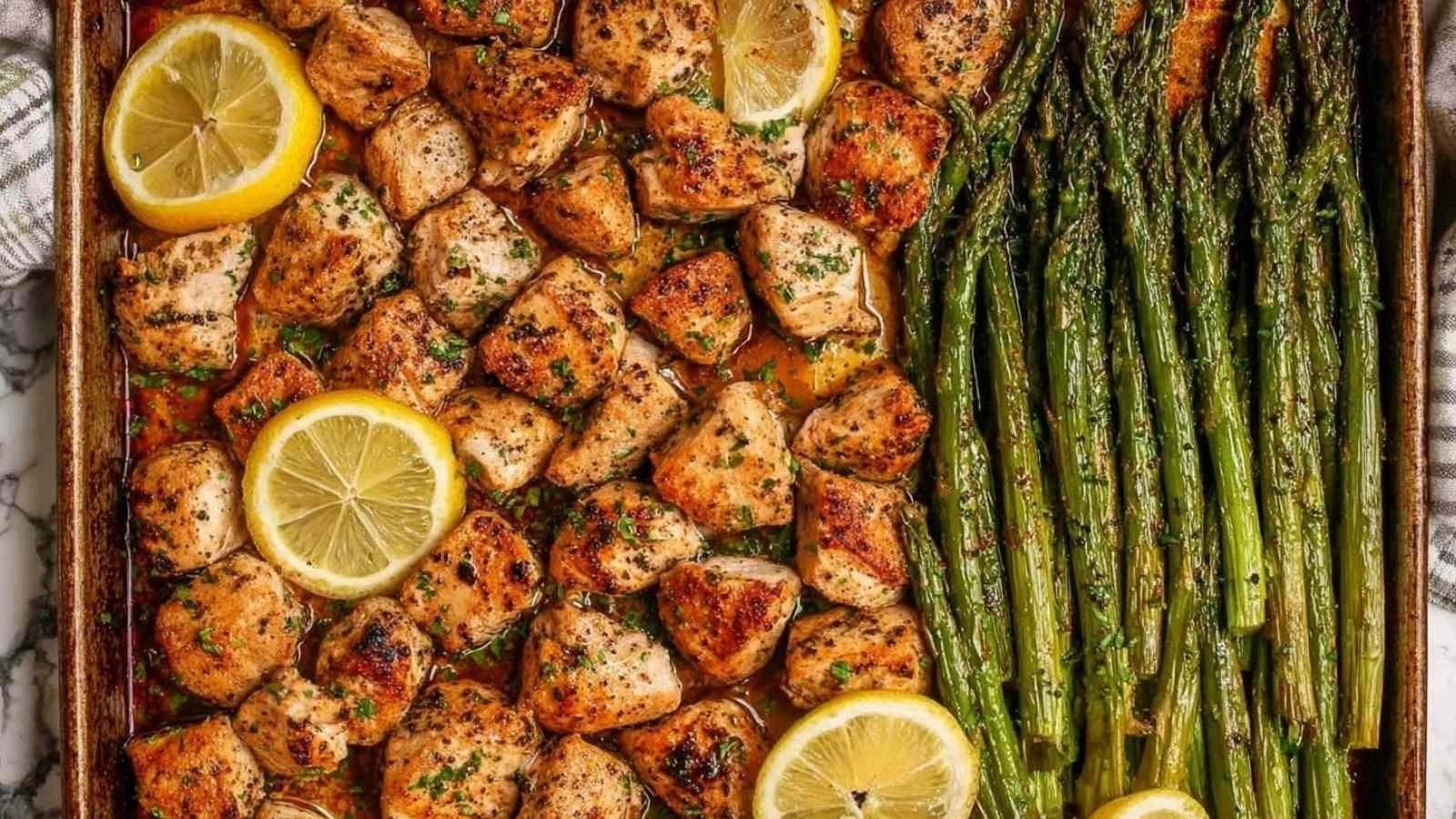
- Arrange the coated chicken bites on the prepared baking sheet, leaving a small gap between each piece to allow even cooking. This spacing prevents the bites from steaming in their own juices. Place the sheet in the preheated oven and bake for 12–15 minutes. Flip halfway through to ensure both sides are evenly browned.
- Remove the chicken bites from the oven and let them rest on a wire rack for 5 minutes. The rest period allows the juices to redistribute, keeping the meat moist. During this time, the coating will firm up, giving you that satisfying crunch. Serve immediately with your favorite dipping sauce. The aroma alone will have you craving more.
That's it — you did it. But hold on, I've got a few more tricks that'll take this to another level. The real magic happens when you plate them with a drizzle of honey‑mustard or a sprinkle of fresh herbs. A splash of lemon juice right before serving brightens the flavors and adds a refreshing zing.
Insider Tricks for Flawless Results
The Temperature Rule Nobody Follows
Many recipes call for 375°F, but 425°F is the sweet spot for crispness. The high heat caramelizes the coating quickly, locking in moisture. If you lower the temperature, the coating will brown unevenly and become soggy. I’ve tested this at 425°F, 450°F, and 500°F, and 425°F consistently delivers the best balance of crunch and tenderness.
Why Your Nose Knows Best
The scent of paprika and garlic powder is a reliable indicator that the coating is forming properly. When the aroma is strong and inviting, the coating is absorbing the spices correctly. If the smell is weak, you may need to re‑mix or add a bit more seasoning. Your nose is a powerful ally in the kitchen.
The 5-Minute Rest That Changes Everything
Letting the baked bites rest on a wire rack for a few minutes is not just a formality; it’s a game‑changer. The rest period allows the juices to settle, preventing a soggy center. It also gives the coating time to set, so the texture stays crisp when you bite. Skipping this step results in a less satisfying bite.
Use of a Wire Rack
Elevating the chicken off the baking sheet prevents the bottom from absorbing excess moisture. The airflow around the pieces keeps them crisp on all sides. A wire rack is inexpensive and can be reused for countless recipes.
Brushing Oil vs. Spraying
Brushing oil gives a richer flavor and a shinier finish, but spraying is a lower‑fat alternative. If you’re watching calories, a light mist is enough to crisp the coating. The key is to apply just enough to avoid a greasy texture.
Choosing the Right Flour
All‑purpose flour is the safest bet for binding, but you can experiment with chickpea or almond flour for a gluten‑free version. Each flour type brings a subtle flavor profile and affects the coating’s density. Be sure to whisk it with the spices to avoid clumps.
Now that you’ve got all the tricks, it’s time to run. Keep these in your culinary toolbox and you’ll never go back to the old routine.
Creative Twists and Variations
This recipe is a playground. Here are some of my favorite ways to switch things up:
Spicy Sriracha Glaze
Swap the standard paprika for a spicy sriracha glaze to give the bites a fiery kick. The glaze adds a sweet heat that pairs wonderfully with a cool yogurt dip. Ideal for those who love a bit of burn with every bite.
Herb‑Infused Panko
Stir in dried rosemary, thyme, or basil into the panko before coating. The herbs infuse the breadcrumbs with aromatic flavors that complement the chicken. This variation works well for a Mediterranean twist.
Cheesy Parmesan Crunch
Mix grated Parmesan into the panko for a nutty, savory crust. The cheese melts slightly, creating a gooey center that contrasts with the crunchy exterior. Perfect for cheese lovers.
Asian Sesame Crunch
Replace the paprika with toasted sesame seeds and a splash of soy sauce in the egg wash. The sesame seeds add a nutty crunch, while the soy sauce brings umami depth. Serve with a drizzle of sriracha mayo for a bold flavor profile.
Breakfast‑Style Bites
Use diced ham or bacon in the coating mix for a breakfast‑time treat. The salty, smoky flavors pair beautifully with a side of maple syrup or a sunny‑side‑up egg. A breakfast‑friendly twist that’s surprisingly delicious.
Vegan Version
Replace the chicken with tofu or tempeh, use a plant‑based egg substitute, and swap the all‑purpose flour for a gluten‑free blend. The result is a crispy, protein‑rich bite that’s entirely plant‑based. A great option for those who love the crunch without the meat.
Storing and Bringing It Back to Life
Fridge Storage
Store baked chicken bites in an airtight container in the refrigerator for up to three days. The airtight seal preserves the crunch while keeping the meat moist. When you’re ready to eat, let them sit at room temperature for a few minutes before reheating.
Freezer Friendly
For longer storage, freeze the bites in a single layer on a parchment‑lined tray before transferring to a freezer bag. This prevents them from sticking together. They can be frozen for up to two months and will stay delicious.
Best Reheating Method
Reheat frozen or refrigerated bites in a preheated oven at 375°F (190°C) for 10–12 minutes. This method restores the crispness without drying out the chicken. If you’re in a hurry, a quick 30‑second burst in a toaster oven works as well.
Adding a tiny splash of water before reheating steams the bites gently, preventing them from becoming rubbery. The moisture helps the coating retain its crunch while the interior stays juicy.